
Character profile · Light Novel Volume 4 · Full spoilers
Uranus
Guild authority · Alive
The god beneath Orario who has to hear “Rakia is moving” as a city-level threat while Denatus is still laughing about nicknames.
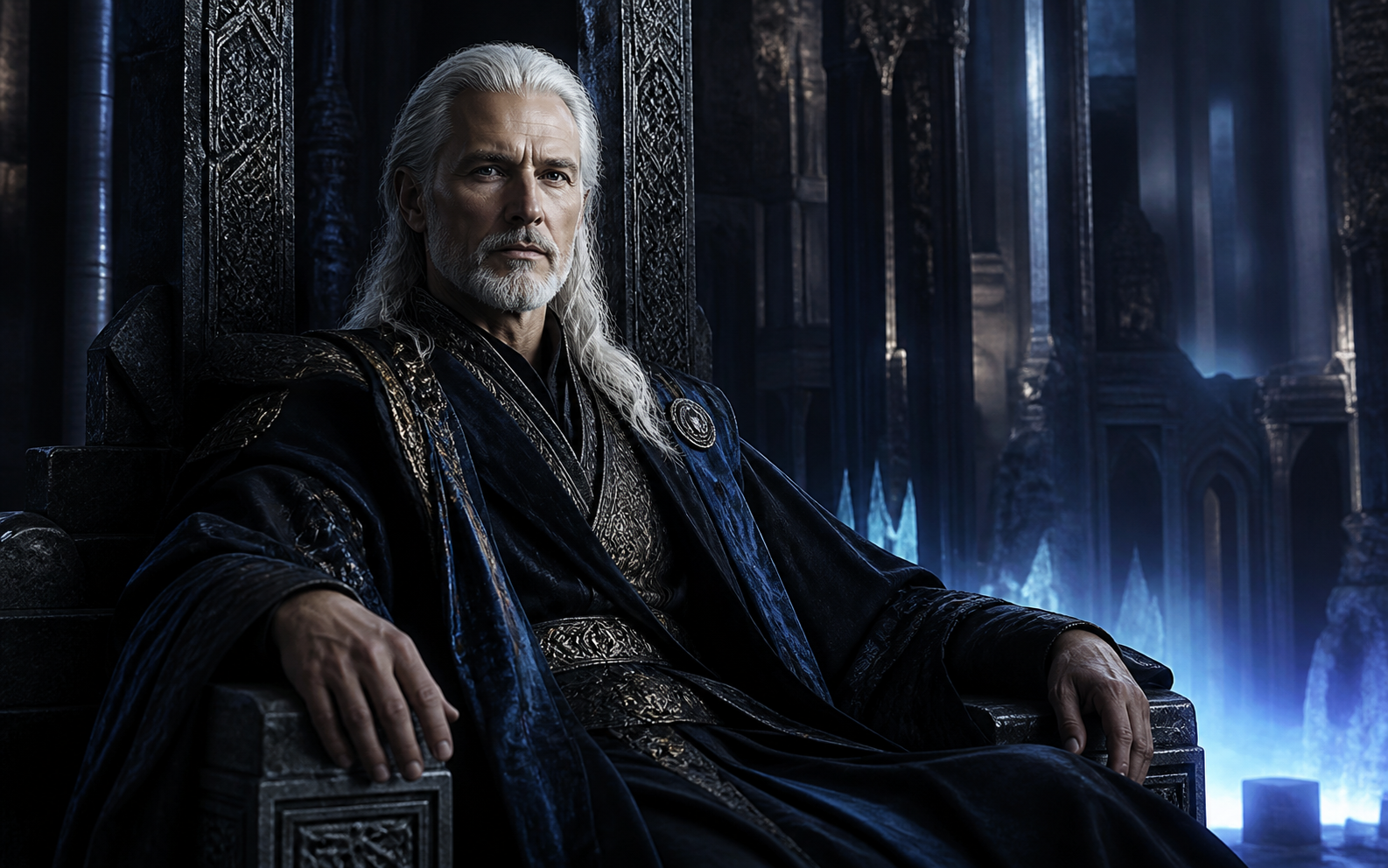
The profile
The god beneath Orario who has to hear “Rakia is moving” as a city-level threat while Denatus is still laughing about nicknames.
Uranus is the hidden divine authority behind the Guild. Volume 4 invokes that scale when Ares and Rakia enter the Denatus discussion. The city’s gods can turn Bell’s title into comedy; somebody still has to interpret armies approaching the wall.
His function widens the book without dragging Bell into a war plot prematurely. Orario is not just a Dungeon economy or a divine social club. It is a governed city with enemies, secrets and responsibilities below the visible floor.
Scene receipts
What Volume 4 actually gives Uranus
Warning
Rakia moves again
The external campaign becomes a problem larger than one Familia.
Authority
The Guild has a god
Uranus represents the power behind administrative rules and city defense.
Scale
Bell is not the whole map
The level-up occurs inside a political system already managing other crises.
Relationships
The people inside the file
Invading rival
Ares
Ares converts divine ambition into the military threat Uranus must read.
Public institution
The Guild
The organization’s visible desks sit above Uranus’s hidden authority.
Adviser network
Eina and Misha
Their daily work belongs to a structure whose highest concerns remain mostly invisible.
Volume 6 update · Full spoilers
What the War Game changes for Uranus
Guild divine authority · Alive
Uranus represents the old compact keeping Orario functional: gods may live among mortals, Familias may compete, and the Guild contains the damage enough for the Dungeon city to survive itself. Apollo’s campaign tests how much coercion that order can absorb before spectacle becomes instability.
The War Game is therefore more than divine entertainment. It is a pressure valve. Formal terms turn private force into a result the Guild and city can enforce, including exile and disbandment. The system is imperfect; Volume 6 shows why Orario still needs one.
Order
The Guild cannot treat gods as ordinary citizens
Divine rivalries require institutions built around powers that predate the city’s law.
War Game
Procedure contains escalation
A recognized contest creates terms, witnesses and an endpoint where street warfare offered none.
Aftermath
Apollo’s defeat becomes civic fact
Exile and disbandment matter because Orario’s authority recognizes the result beyond Hestia’s personal victory.
Current spoiler boundary
This biography now runs through Volume 6.
Later developments remain sealed until their owned Kindle volume receives its own completed reading pass.