PSYCHO
The music video chased BABYMONSTER through a nightmare. The performance file locks that nightmare inside a red room, adds flames, and makes six bodies explain who is actually dangerous.
Bottom line: The main “PSYCHO” music video gives us pursuit, masks, crime-scene language, and enough nightmare logic to keep fandom theories fed. The performance version strips away the chase. Nobody runs. Ruka, Pharita, Asa, Ahyeon, Rora, and Chiquita plant their feet and become the person everybody warned you about.
Best featureChoreography that remains readable in silhouette
Best formation ideaSix-member symmetry that keeps breaking itself
Main side-eyeThe fire sometimes competes with the feet
Important contextRami remains a member and sings on the recording
What changed every time I replayed it
First watch: The monster-hand gesture looked ridiculous for half a second. Then six faces committed, the bass landed, and I realized I was the person who failed the assignment.
Second watch: I stopped watching faces and followed the floor. The stomp sets the routine’s moral center. Nobody floats through this accusation. They claim space by putting weight into it.
Third watch: The six-member geometry became the story. Three-and-three creates clean power, but the routine keeps breaking pairs before symmetry becomes safe.
Fourth watch: I watched only silhouettes. The choreography still communicated claw, cage, threat, and control. That is how I knew the styling was supporting the dance instead of rescuing it.
Fifth watch: I compared it with the main video. The performance file has less plot and more accountability. Without a masked pursuer or editing trick, the members must carry every strange gesture through their bodies.
The lyric and label behind the movement
“PSYCHO” takes a word often used to dismiss women as excessive, strange, angry, unstable, or uncontrollable and turns it into a self-description with teeth. Pop has used that reversal before, but the performance version makes the argument physical.
A lyric can say, “Call me crazy, I do not care.” A body has to show what that refusal costs. BABYMONSTER use low centers, planted feet, direct faces, and synchronized impact to reject the expectation that a girl group’s danger should remain cute enough for everybody’s comfort.
The routine does not make the members look out of control. That would repeat the insult. It makes them look extremely controlled while performing images associated with madness, monsters, fire, and accusation. The point is not chaos. The point is ownership.
That distinction matters. Women often get called unstable when their anger arrives in a form other people cannot manage. The choreography says the anger has counts, spacing, breath, and a formation map. Nothing here is accidental. The label loses power because the women decide how it moves.
The stomp claims the floor
A stomp announces arrival and refuses delicacy. Every time the full formation lands together, “positive psycho” branding becomes less about quirky genius and more about collective refusal to shrink.
The members keep their center low enough for the beat to look heavy. If they danced the same shapes higher, the routine would feel like costume horror. Weight turns the claw gestures and bent lines into threats. The body says what the hand alone cannot.
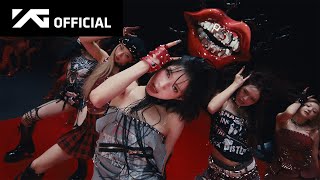
The hook depends on a sharp monster-hand shape. Hesitate and it becomes a school-play creature. Overact and it becomes parody. The members hit the shape, commit through the face, and keep moving. They understand that the gesture must arrive as punctuation, not a full speech.
Diagonal lines keep the choreography from becoming a row of synchronized copies. Arms and shoulders slice across the frame while feet stay grounded. That tension creates the sensation of something trying to escape a cage without surrendering balance.
The routine also knows when to let stillness work. A held pose after a hard count makes the previous motion look heavier. BABYMONSTER do not fill every second with decorative hands. The pauses give the camera somewhere to feel nervous.
Six-member geometry works because it stays unstable
Rami remains an official BABYMONSTER member. She appears on the original recording and was on health hiatus for this December performance file. The video therefore shows the six active performers. A performance lineup and a membership roster answer different questions. Absence from this video is not departure evidence.
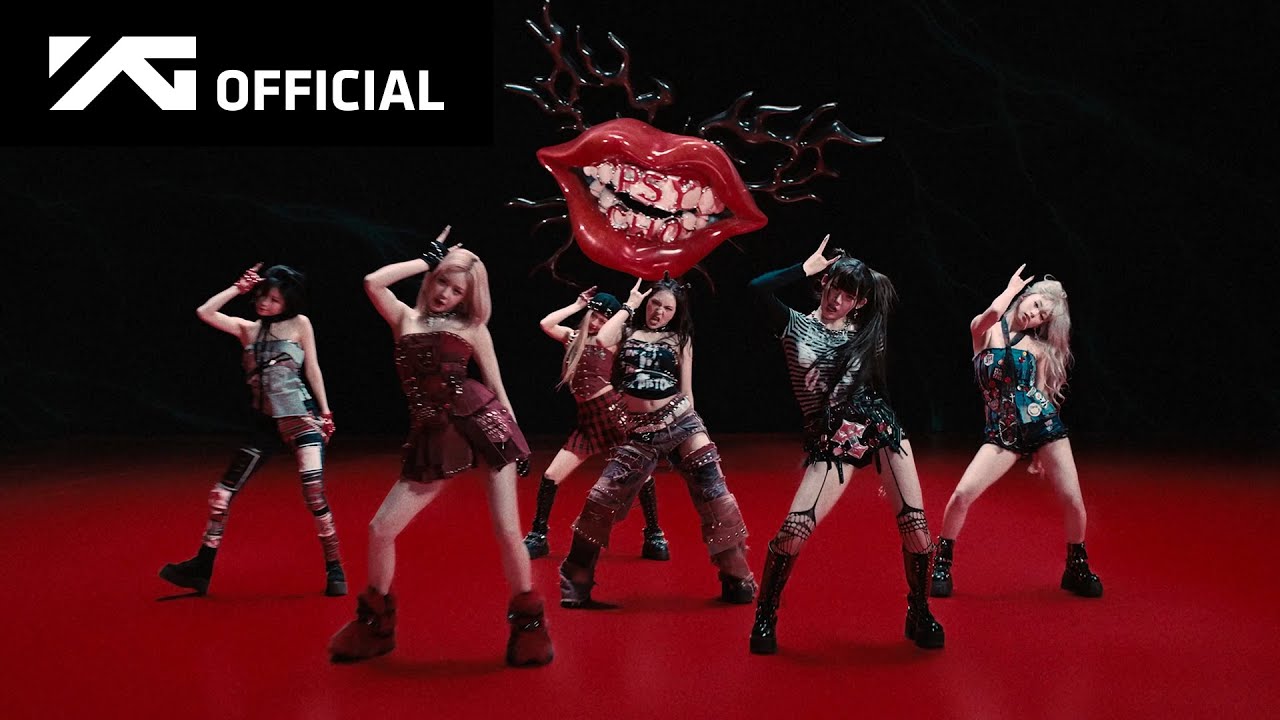
Six bodies naturally invite mirrors: three on each side, two rows of three, paired exchanges. The choreographers use that cleanliness and then disturb it. One member steps forward while five build an uneven cage. A trio faces another trio, then somebody cuts through the center before the image settles.
That controlled instability fits the song. A perfectly balanced picture feels safe. “PSYCHO” needs the viewer to suspect the formation may close on somebody or break open without warning.
The chorus cage is especially effective. Bodies narrow the center’s available space while the center performer appears more powerful, not trapped. It flips the visual logic. The group may construct the accusation around her, but she treats the cage like a throne.
I would still keep a few wide shots longer. Fire looks impressive, and close-ups sell expression, but the feet carry major parts of this argument. A performance video should trust us to watch the full phrase before the next visual effect asks for attention.
Who makes the monster readable?
Ruka sits deep in the groove. Her weight makes the stomp feel planted rather than placed on top of the music. She knows how to let a beat finish traveling through her body.
Asa brings similar rhythmic confidence with a sharper attack. Small angles read clearly because she finishes them. Her earlier spoiler connection belongs to the wider “PSYCHO” rollout, but in this file her real contribution is precision that looks effortless.
Ahyeon throws power outward until a medium shot feels too small. She performs beyond the edge of the frame, which suits a song about refusing containment. The risk is excess, but “PSYCHO” has no use for polite moderation.
Pharita stretches sharp choreography into longer lines. Her elegance gives the routine another texture, so danger does not arrive in one physical dialect.
Rora also lengthens shapes, but her focus often feels cooler and more internal. That restraint keeps the concept from becoming six people making the same aggressive face.
Chiquita treats expression changes like choreographic counts. The face arrives with the claw, not afterward. That timing makes a potentially silly gesture look like a decision.
The strongest group moments come from contrast. Ruka and Asa sink. Ahyeon projects. Pharita and Rora extend. Chiquita punctuates. The routine gains danger because the same instruction passes through six different bodies.
The red room is an accusation chamber
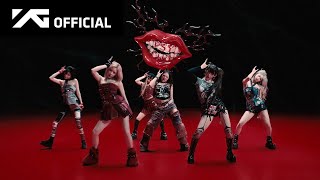
The performance set removes the main video’s chase and builds a sealed environment. Red walls, flame, black clothing, giant lip symbols, and hard backlighting turn the room into part stage, part warning light, part public trial.
Red does several jobs. It suggests heat, danger, blood, rage, and the emergency signal everybody claims to want until a woman actually becomes loud. The room does not offer an escape route because this file is not about escape. It is about holding the center.
The giant lips bring gossip and public labeling back into the frame. Somebody has to say “psycho” before the word can chase a person. The lips turn that speech into architecture. Judgment is not one rude comment. It becomes the room where the performers work.
Fire raises the visual pressure, but it also creates my biggest practical complaint. A flame wall can make almost any movement look dramatic. Sometimes I want the camera to trust the choreography without adding another emergency. The dance already has heat. Let me inspect the feet.
Backlighting solves that problem in the best passages. Faces disappear, styling loses detail, and the body must communicate alone. BABYMONSTER pass that test. Shoulder lines, claw shapes, bent knees, and spacing identify the concept even when individual features vanish.
From hunted women to the thing in the room
The main video asks whether the members are victims, suspects, monsters, dreamers, or versions of one another. The performance file makes a simpler choice: they are the source of pressure.
That does not erase the accusation. The cage formations and giant lips keep public judgment visible. The members simply refuse to perform innocence for the court. They do not ask us to decide whether they are “really” psycho. They make the word useful and move on.
From an interpersonal lens, that is the fantasy of surviving a label by choosing its meaning. Real life is messier. Reclaiming an insult does not stop people from using it cruelly. But performance can rehearse a new response. The body practices taking space before the person feels safe doing it outside the room.
From a wider industry lens, the concept also sells controlled rebellion. YG knows how to package defiance inside polished lighting, expensive sets, and exact synchronization. That does not make the defiance fake. It means rebellion has a production schedule.
My RaeRae read is that control and freedom do not always oppose each other. Buddhist practice often uses discipline to create spaciousness. Here, strict counts let the performers embody something socially described as uncontrolled. The paradox gives the routine its bite.
Easter eggs and rewind points
- The red room continues the MV’s black-and-red language. Story space becomes a stage built to expose the full choreography.
- Lip symbols revive the gossip theme. Public speech becomes part of the architecture surrounding the members.
- Backlighting tests the movement. When faces disappear, posture still identifies the threat.
- The chorus cage closes around center. The accusation gets constructed around one person, who then uses it as power.
- Broken pairs create danger. The routine often abandons perfect symmetry exactly when the song needs to feel least stable.
- The monster hand needs full commitment. Its success depends less on complexity than timing, face, and follow-through.
- Rami’s absence is performance context. The official recording and group roster still include her; this video documents the active six during her hiatus.
What the official file confirms, and what it does not
This is the official YG Entertainment performance release on BABYMONSTER’s verified channel. The upload and group materials establish the file, date, recording, and active performance lineup.
The accessible public upload does not provide a conveniently complete list of every choreographer, assistant, performance director, camera operator, stylist, and dancer involved. A fan-made credit graphic is not automatically an official receipt. I will not assign names just to make the bottom of the page look more complete.
That missing credit visibility deserves criticism. Choreography carries this video’s entire second layer of meaning. The people who designed the stomp, claw, cage, transitions, and six-member spacing should be easy to identify. Creative labor should not become invisible because the idols execute it well.
What works
- The choreography remains clear in silhouette.
- Six-member geometry turns instability into story.
- Each performer gives danger a different texture.
- The lips, cage, and red room extend the main video’s language.
- Wide group impacts make the chorus feel physical.
What gets my side-eye
- Fire occasionally competes with the choreography.
- Some wide shots end before the footwork finishes.
- The monster-hand gesture depends heavily on commitment.
- Public production credits should name the movement team more clearly.
- The performance file adds meaning but cannot replace the main video’s lyric and story analysis.
RaeRae verdict
Does it beat the music video? It does a different job better. The main video gives “PSYCHO” a crime scene and enough symbols to keep theories alive. The red-room file proves the song can survive without plot.
Six women, one floor, a committed monster hand, and enough formation pressure make the chorus feel physically trapped. The performance turns accusation into architecture and lets the members decide who controls the room.
Replay level: High for the silhouette passages and chorus cages.
Best feature: Movement that explains the concept without dialogue.
Biggest request: Hold the wide shots long enough for the feet to finish speaking.
Final diagnosis: The nightmare stopped chasing BABYMONSTER because BABYMONSTER rented the room.