
Block B leader · rapper · producer · solo artist · KOZ founder
Zico
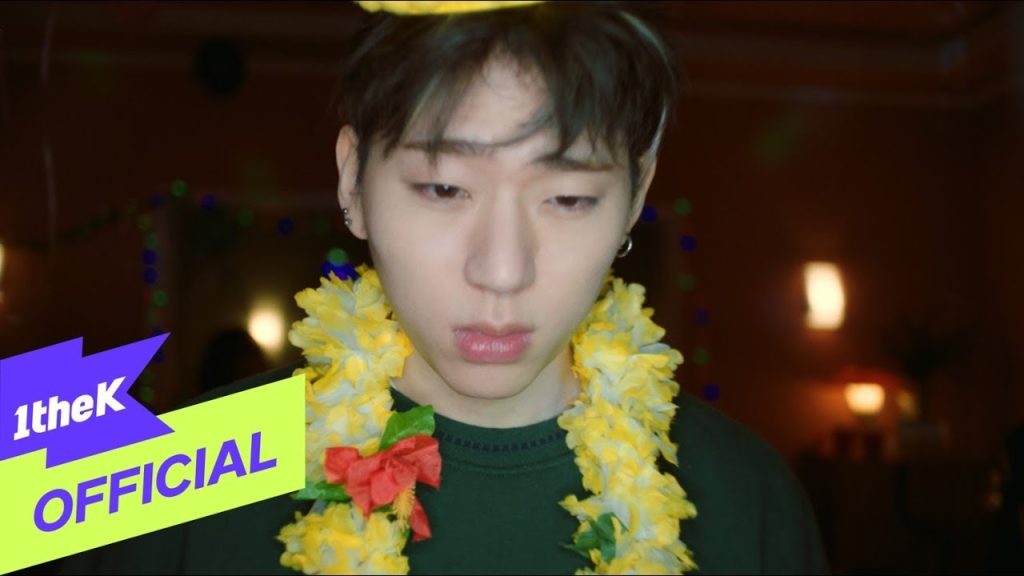
Woo Ji-ho, known professionally as Zico, is the leader and principal early producer of Block B, a solo rapper and pop songwriter, and the founder of KOZ Entertainment. His public career keeps testing the border people draw between “idol,” “rapper,” “producer” and “executive,” mostly by walking across it while everybody is still arguing about the sign.
RaeRae take
Zico’s most important instrument may be arrangement. He knows when a horn should behave like a threat, when a phrase needs empty space around it and when a chorus should become simple enough for strangers to participate. The same brain can build Block B’s theatrical disorder, a competitive rap verse and “Any Song,” which sounds casual until the hook occupies an entire country.
Quick facts
- Birth name: Woo Ji-ho.
- Born: September 14, 1992, in Seoul, South Korea.
- Group: Block B.
- Group roles: leader, rapper, songwriter, composer and producer.
- Solo debut: 2014 with “Tough Cookie.”
- Company: founder of KOZ Entertainment, later acquired by HYBE.
- Fandom: COMMON for his solo work; BBC for Block B.
Before Block B
Zico spent part of his youth studying abroad and developed through underground hip-hop before the idol debut. Early mixtape work under names including Nacseo gave him a place to test cadence and production instincts without waiting for a company-approved concept photograph.
That history is often used to certify him as “real” in contrast with idol peers. The more useful point is practical: he entered Block B already thinking about songs as a maker, not only as the person assigned the rap break.
Building Block B’s musical spine
From the beginning, Zico’s writing and production shaped how Block B could be marketed and how the members could sound like themselves. “NalinA,” “NILLILI MAMBO,” “Very Good,” “H.E.R,” “Toy” and later releases do not share one genre, but they share an appetite for sharp character and structural contrast.
Leadership here is not a claim that one person manufactured six silent assistants. Park Kyung writes and produces; the vocal and dance lines transform demos into group records. Zico’s role is central precisely because the final sound depends on those particular collaborators.
The rap voice
Zico can rap with dense technical speed, clipped aggression, conversational looseness or exaggerated comic bite. His tone sits high enough to remain distinct from P.O’s low register and flexible enough to spar with Park Kyung’s more nasal, needling delivery.
Technique becomes interesting when attached to point of view. A Zico verse often changes the posture of the whole track: shoulders rise, vowels harden, and the beat suddenly seems to have been informed that rent is due.
Tough Cookie and the difficult solo arrival
“Tough Cookie” formally launched his solo career with hard rap, bravado and controversy attached to visual and lyrical choices. The release made clear that solo Zico would not simply reproduce Block B with six chairs removed. It also exposed how provocation can move faster than judgment.
A complete profile cannot turn criticism into a footnote or use later success as an eraser. Artistic growth includes the work, the harm people identified, the response and whether later decisions show a better understanding of what style and imagery carry.
Bermuda Triangle and the peer network
Collaborations with Crush and Dean on “Bermuda Triangle” placed three distinct voices inside a sleek, heavy production that became emblematic of a mid-2010s Korean hip-hop and R&B network. Zico sounds competitive without needing to make the other artists smaller.
His strongest collaborations function as casting. He understands what a particular rapper or singer can contribute to the architecture, then leaves enough space for that color to remain recognizable.
Television, competition and producing in public
Appearing as a producer on Show Me the Money made Zico’s decision-making visible to a much broader audience. Beat selection, coaching, stage arrangement and judgment became part of the public artist file, not backstage trivia.
Competition television rewards instant drama, so it should never become the sole measure of a musician. Still, the format showed why artists sought him out: he could identify a memorable angle quickly and turn a contestant’s existing identity into a stage rather than replace it with his own.
Artist and the pop instinct
“Artist” treats creativity as motion, color and permission to stop policing joy. Its bounce and crowded video could have become exhausting, but the song keeps returning to a direct melodic invitation.
Zico’s public image often leans intense, technically authoritative or intimidating. The brighter records matter because they show the producer understands delight as seriously as difficulty. Pop accessibility is not what happens when he forgets to be clever.
Any Song became a social event
“Any Song” begins from boredom at a party and turns social disconnection into a hook easy enough to dance with anywhere. The challenge spread because the movement was reproducible, the song was immediately legible and Zico participated with other artists rather than issuing instructions from a brand office.
Its scale can make the record seem inevitable in hindsight. It was not. The production balances melancholy, conversational delivery and a light rhythmic loop so the viral gesture grows from the song’s emotional contradiction instead of being taped onto it.
Random Box
The 2020 EP Random Box gathered “Any Song” with tracks that preserved the project’s restless genre movement. The title suggests a container where the next object may not resemble the last, which is an honest description of how Zico builds a solo identity.
Consistency does not require one tempo or costume. His through-line is control over framing: each track knows what its central gesture is and removes enough clutter for the listener to recognize it quickly.
Military service and the return
Zico completed mandatory public service between 2020 and 2022. The absence interrupted the release rhythm during a period when “Any Song” had expanded his pop reach, but it did not freeze the industry roles waiting on the other side.
A post-service profile should resist comeback language that treats an adult artist as newly assembled. He returned with accumulated work, a company to guide and a public more aware of his producer identity than before enlistment.
Grown Ass Kid
The 2022 EP Grown Ass Kid addressed adulthood without promising that maturity means abandoning arrogance, humor or competitive rap. “Freak” and “SEOUL DRIFT” arrived in a world recalibrating after pandemic restrictions, using spectacle and motion to process the strange return to public life.
The title is blunt because the contradiction is blunt: a person can hold executive authority, long credits and adult responsibility while the creative reflex remains unruly, defensive and eager to play.
SPOT! with Jennie
“SPOT!” pairs Zico with Jennie for a track built around after-hours movement, rap-pop chemistry and a hook that feels casual without being structurally lazy. Jennie is not decorative star power; her tone changes the record’s temperature and gives Zico someone capable of answering the charisma directly.
The collaboration demonstrates his casting instinct again. A famous feature can produce numbers by name alone. A good feature makes it difficult to imagine the final song without that exact person.
KOZ Entertainment
Zico founded KOZ Entertainment in 2019, creating a formal home for music and artist development. HYBE acquired the company later, giving KOZ access to a much larger corporate system while preserving its label identity.
Founder language can become mythology quickly. Companies are collective labor, and ownership structures matter. Zico’s relevant contribution is creative direction and the taste he brings to artist development—not a fantasy that he personally handles every schedule, contract and light switch.
BOYNEXTDOOR and producing another group
As a producer and label leader connected to BOYNEXTDOOR, Zico had to translate instinct into a framework younger artists could inhabit. The group’s conversational storytelling and approachable performance identity carry an emphasis on specific character rather than unreachable perfection.
The test of a producer is not whether the new act sounds exactly like him. It is whether his editorial judgment helps their differences become clear. A copy would flatter the mentor and trap the artists.
Block B did not become a former job
Solo awards, major collaborations and company leadership made Zico more publicly visible than Block B’s group schedule for long stretches. That imbalance tempts profiles to write the group in past tense while leaving his membership field technically intact.
The better version is direct: Block B remains a seven-member identity with members represented separately for individual work. Zico’s solo career is independent in operation and connected in biography. Both pages should route the music according to actual participation.
Leadership without the tidy legend
Group leaders are often described as if they resolve every conflict, write every plan and quietly absorb all pain. Real leadership is messier. Zico’s creative authority brought enormous value, while public mistakes and the uneven weight of attention also became part of the group’s story.
Respect does not require turning him into a flawless father of six adults. It means documenting what he built, what collaborators added, where criticism belongs and how the seven-person chemistry remained larger than one producer’s résumé.
Fashion and visual authorship
Hair, streetwear, tailoring, tattoos and exaggerated silhouettes have repeatedly made Zico visually legible before a track begins. The style changes with the music: delinquent theatricality for Block B, harder rap codes for some solo work and looser, more playful clothing for accessible pop.
Borrowing from hip-hop culture carries responsibility as well as aesthetic energy. A thoughtful archive can discuss influence, participation and mistakes without pretending clothing appears outside history.
How to listen
Start with Block B’s “NalinA,” “NILLILI MAMBO,” “Very Good,” “H.E.R,” “Toy” and “Yesterday” to hear his writing interact with seven voices. Then use “Artist,” “Any Song,” “Bermuda Triangle,” “Freak” and “SPOT!” as different doors into the solo catalogue.
Do not use a five-song route as a ranking. Follow production credits outward into songs made for other performers, then return to the group records and notice how often arrangement choices were written around a member’s particular strength.
The solo catalogue is not one long victory speech
The early mixtapes and “Tough Cookie” emphasize technical legitimacy and confrontation. Gallery broadens the frame through “Boys and Girls,” “Eureka” and “Pride and Prejudice.” Television includes “Artist” and “ANTI,” placing public brightness beside a harsher look at fame and spectatorship.
Thinking turns more inward; Random Box organizes restless pop instinct around “Any Song”; Grown Ass Kid examines the awkwardness of returning as both established authority and a person who still wants to make noise. The movement between them is the profile.
Writing for somebody else requires different muscles
A producer working for another artist cannot solve every song by placing his own voice in the most memorable eight bars. Zico’s outside credits show the ongoing negotiation between a recognizable compositional instinct and the performer who must live inside the final record.
Listen for rhythmic hooks, uncluttered centers and sections designed around personality. Then check the full credits. Pop records are collaborative, and “produced by Zico” should never become a magic phrase that erases co-writers, arrangers, engineers or the artist interpreting the song.
Public mistakes belong in the file
Zico’s career has drawn criticism around cultural appropriation, offensive imagery and language, including choices connected to early solo presentation. Fans sometimes respond by denying the objection; critics sometimes flatten an entire Korean hip-hop context into one villain. Neither reaction produces a useful archive.
The responsible approach records the work, identifies why people objected, separates documented action from rumor and looks at later conduct without declaring a celebrity permanently purified. Accountability is not cancellation theater or fan-defense homework.
Brother, friends and creative circles
Zico’s older brother Woo Tae-woon is also a rapper and former idol, giving the family two careers shaped by competition television, group systems and hip-hop credibility debates. Zico’s wider creative circle has included artists associated with Fanxy Child, such as Dean, Crush, Penomeco, Millic and Stay Tuned.
These relationships matter musically because collaboration is one way taste becomes audible. A scene is not merely famous people standing in the same photograph; it is features, shared stages, arguments, borrowed techniques and records that would sound different without the network.
Side quest: art, clothes and observation
Zico’s “Artist” framing is not limited to a song title. Visual direction, fashion, illustration-like color and an interest in how a public persona is assembled recur across videos and performances. He watches how a phrase, gesture or object can become the part audiences remember.
That observational habit also explains his television usefulness. He can be controlled and private, then recognize exactly when a reaction or blunt sentence will change a scene. The producer ear and the variety instinct both depend on timing.
Zodiac side quest
Zico was born under Virgo, a sign popularly associated with analysis, craft, exacting standards and the inability to leave a detail alone after everybody else has agreed the song is finished. Astrology is not evidence, but the stereotype fits his reputation for editing structure and performance with unusual attention.
His Chinese zodiac is the Water Monkey, traditionally linked with adaptability, wit and strategic social intelligence. Use that as seasoning, not diagnosis. A birth year cannot explain a catalogue, a company or why one horn stab works.
Fandom notes the fact box misses
COMMON is the name used for Zico’s solo fandom, while BBC connects him to Block B. The overlap is real but not automatic: some listeners follow every solo release, some center the seven-member group and many move between both without treating support as a citizenship test.
His tattoos, fashion shifts, studio habits and friendships generate their own long-running fan archive. Those details belong after the music and verified biography, not in place of them. A profile should help somebody hear the records before measuring the man by trivia.
Rant: idol and rapper are not mutually exclusive job titles
The argument over whether Zico is an idol or a “real rapper” survives because gatekeeping enjoys a binary more than music does. Block B uses choreography, fandom structures and idol promotion. Zico also writes, composes, produces and participates deeply in hip-hop practice. One truth does not cancel the other.
The interesting criticism begins after the category test: what did he make, whose work informed it, how were collaborators credited, what choices aged badly and which records changed the field?
Image and routing standard
This profile uses a unique local real frame from the official “Any Song” video, with attachment metadata, source attribution, SEO fields and FileBird placement. The Block B hub and “NalinA” React use separate canonical attachments.
Group Reacts route here only when Zico actually participated. Solo and production coverage stays tied to the correct artist file rather than being inherited by every Block B member.
RaeRae coverage
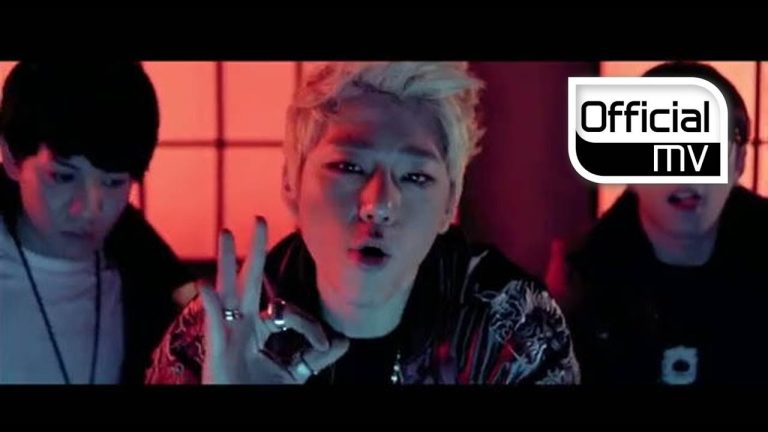
NalinA
The horn blast, rival crews, seven-member chemistry and choreography that turns poultry into a credible threat. Read the full React.
YouTube tracking history
Exact official solo music videos and Block B participation are tracked as separate records. View totals and daily gains remain pending until a reliable snapshot system exists; this page does not invent historic counts.