

K-pop group profile · second-generation architects · three current members
BIGBANG
BIGBANG turned self-production, sharply separate member identities, arena swagger, emotionally irresponsible breakup songs, and fashion chaos into one of K-pop’s most influential group blueprints.
BIGBANG group image saved in the CVM Sekai Media Library and used as the canonical profile, featured, and Groups shelf image.
RaeRae take
BIGBANG did not invent every piece of modern K-pop. They made a frightening number of those pieces look inevitable. Half the industry is still wearing something G-Dragon would have been mocked for first, chasing a crowd response “Bang Bang Bang” already knows how to trigger, or describing an idol’s songwriting as revolutionary because BIGBANG helped turn authorship into part of the sales pitch.
The legacy is enormous. It is also messy. A useful profile has to hold the music, influence, lineup changes, scandals, and current three-member reality at the same time.
Meet the current members
BIGBANG’s current lineup is G-Dragon, Taeyang, and Daesung. Their individual careers are not side notes; each one developed a recognizable musical and public identity outside the group.

G-Dragon
Leader · rapper · songwriter · producer. The member most visibly tied to BIGBANG’s musical direction, fashion influence, and willingness to make a strange idea everybody else’s problem.
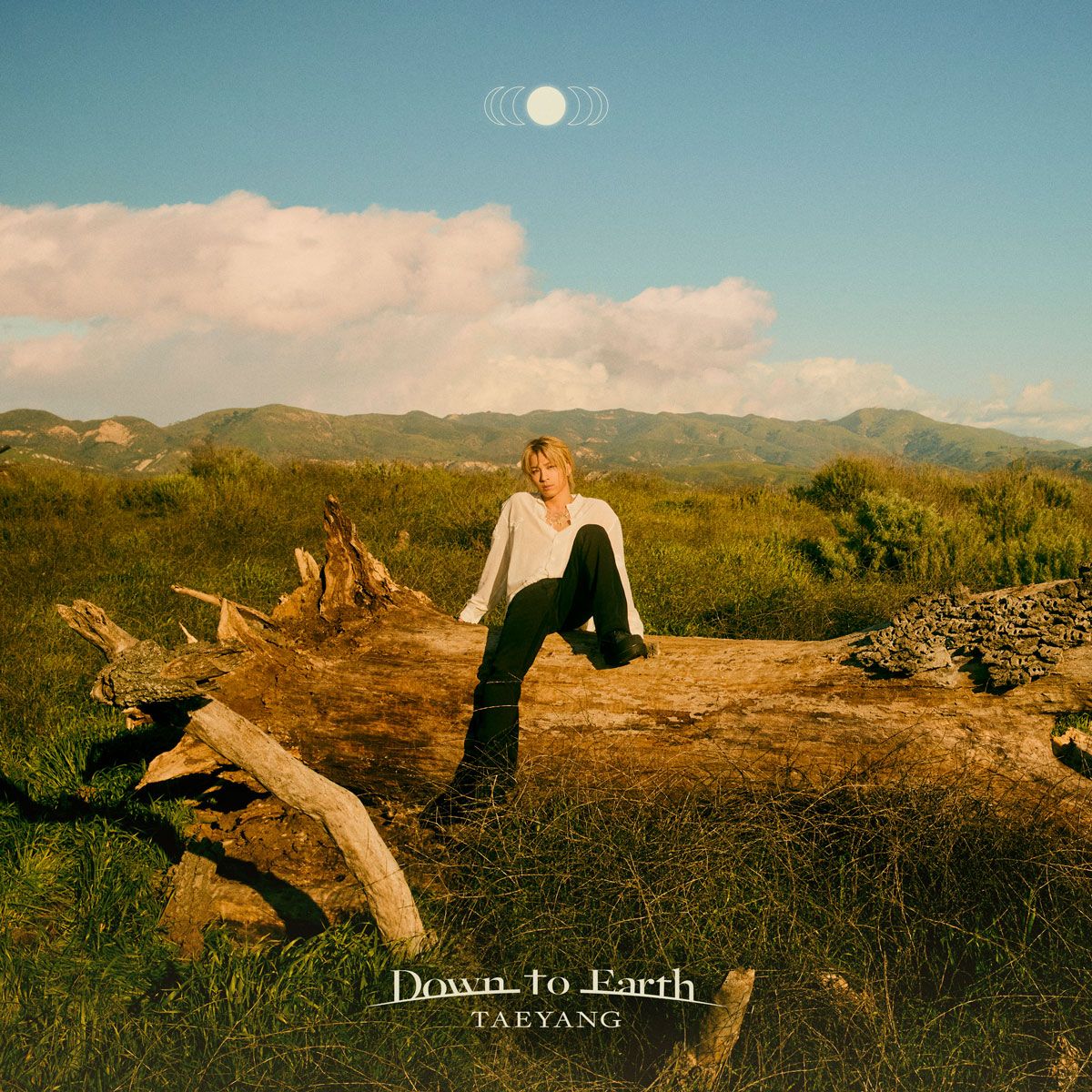
Taeyang
Vocalist · dancer · songwriter. BIGBANG’s R&B center of gravity, a disciplined live performer, and the soloist behind “Eyes, Nose, Lips.”

Daesung
Vocalist · performer · variety ace. A huge, rough-edged voice equally comfortable in rock, ballads, trot, comedy, and a Japanese solo career that deserves more English-language attention.
Quick profile
- Status: Active boy group
- Years active: 2006–present
Jump into the rabbit hole
Formation · The “Lies” breakthrough · What they changed · ALIVE and global expansion · The MADE era · Scandals and lineup changes · “Still Life” and the three-member chapter · Listening map · Legacy without mythology · Sources
Formation: the seams were visible from the beginning
YG Entertainment formed BIGBANG through a pre-debut documentary in 2006. G-Dragon and Taeyang had already trained together for years as children and were once imagined as the hip-hop duo GDYB. T.O.P came from G-Dragon’s underground-rap circle. Daesung arrived with a powerful voice that did not match the narrow visual expectations often imposed on idols. Seungri fought through the selection process and returned after an initial cut.
Jang Hyun-seung, later of BEAST and Trouble Maker, trained with the team but did not make the final lineup. The resulting five-member group debuted at YG Family’s tenth-anniversary concert on August 19, 2006.
The first album introduced the members without instantly rewriting the industry. The breakthrough came after G-Dragon pushed the group toward music he had written. That became the foundation of the BIGBANG story: the idols were not waiting politely for a hit to arrive from another room.
“Lies” changed the temperature
“Lies” arrived in 2007 on the EP Always. Written and composed by G-Dragon, it joined electronic dance production, hip-hop phrasing, and a chorus committed to public emotional collapse. The song dominated Korean charts, earned major Song of the Year honors, and transformed BIGBANG from a promising YG act into a national group.
“Last Farewell” followed, then “Haru Haru” in 2008. “Haru Haru” remains a defining second-generation heartbreak song because the piano loop, escalating rap, Daesung and Taeyang’s vocals, and absurdly effective melodrama support a song strong enough to survive the hospital plot.
“Sunset Glow,” their remake of Lee Moon-sae’s classic, proved they could handle public warmth as easily as anguish. BIGBANG’s songs were not living only inside fandom purchases; they became part of Korea’s mainstream listening culture.
What BIGBANG changed, and what people exaggerate
BIGBANG did not invent idols writing music, K-pop hip-hop, solo careers, fandom lightsticks, or experimental fashion. They made those elements central to a massively successful idol-group identity at a scale the industry could not ignore.
The members were deliberately distinct. G-Dragon’s elastic rap and production instincts did not resemble T.O.P’s low, blunt delivery. Taeyang brought R&B technique and disciplined dance. Daesung had a large vocal suited to rock, ballads, and trot. Seungri occupied a lighter pop and performance space. Their songs moved between voices without pretending a group requires matching personalities.
Their styling also helped crack the expectation that boy groups should coordinate like expensive furniture. G-Dragon’s fashion risks influenced multiple generations. T.O.P treated suits, art, and eccentricity as extensions of persona. Taeyang carried a different R&B and streetwear identity. Even when the fashion aged badly, it had an opinion.
The crown-shaped Bang Bong is widely recognized as a foundational official K-pop lightstick. Its yellow crown turned a concert audience into visual architecture and helped normalize the elaborate fandom lightstick ecosystem that followed.
ALIVE, Japan, and the road before the current global system
BIGBANG built a major Japanese career through Japanese releases, arena tours, and dome-scale performances. Japan was not a decorative “global” label. It became a second career infrastructure, especially for Daesung, whose Japanese solo touring strength is regularly underestimated in English summaries.
After a difficult 2011, the group returned with Alive in 2012. “Blue,” “Bad Boy,” and “Fantastic Baby” offered three different answers to what BIGBANG could sound like: wounded electronic pop, loose R&B, and an apocalyptic club chant.
“Fantastic Baby” became an international gateway before streaming and short-form video removed much of the friction from global discovery. The styling was unhinged, the hook required no translation, and the music video treated dystopian rebellion like a designer warehouse party. Alive became the first Korean-language album by a Korean act to enter the Billboard 200.
MADE: the imperial phase
In 2015, BIGBANG released the MADE project as pairs of singles across several months: M, A, D, and E. The campaign produced “Loser,” “Bae Bae,” “Bang Bang Bang,” “We Like 2 Party,” “If You,” “Sober,” “Let’s Not Fall in Love,” and GD&TOP’s “Zutter.” The completed album followed in 2016.
The rollout worked because there was no single BIGBANG formula. “Loser” is exhausted and self-accusing. “Bae Bae” is surreal, suggestive, and visually committed to nonsense with a budget. “Bang Bang Bang” is engineered for a crowd. “If You” removes the swagger and leaves the voices exposed. “Sober” turns panic into speed. The group sounded like several acts sharing one argument and somehow winning it.
MADE also captured the danger of a peak: the songs were enormous, the tours were enormous, and the members were approaching military service while individual careers pulled in different directions.
Scandals, enlistment, and lineup changes
A credible BIGBANG profile cannot hide the fractures behind a legacy montage. Military enlistments paused group activity. T.O.P’s 2017 marijuana conviction and public health crisis reshaped his relationship with the group and Korean celebrity culture. Seungri retired from entertainment in 2019 amid the Burning Sun scandal and was later convicted on multiple criminal charges. He is a former member; his actions should not be softened into a vague “controversy.”
T.O.P’s departure unfolded differently. He participated in “Still Life” but later made clear that he had left BIGBANG. His history as a founding voice remains part of the catalog even though he is not in the current lineup.
The current three-member configuration is not the original five pretending nothing happened. It is G-Dragon, Taeyang, and Daesung carrying forward the name after two departures with radically different contexts.
“Still Life” and the return question
BIGBANG released “Still Life” in April 2022 as a four-member song with G-Dragon, Taeyang, Daesung, and T.O.P. The track did not arrive like a triumphant reset. It sounded like people standing inside the wreckage of time, acknowledging seasons they could not recover.
The song topped Korean charts and proved public interest had not disappeared. It also refused to answer the practical question of what BIGBANG would become next. T.O.P later separated himself from the group, leaving the three-member lineup.
By the mid-2020s, group appearances and renewed activity placed G-Dragon, Taeyang, and Daesung together again. The important distinction is that BIGBANG’s name still carries enormous recognition while each member now has independent management and a fully developed solo career. Future group work is coordination between established artists, not a return to the 2006 trainee structure.
Listening map
Start with the public canon
“Lies,” “Haru Haru,” “Fantastic Baby,” “Bang Bang Bang,” and “Still Life” explain why the group remained culturally visible across very different eras.
For the vocals
“If You,” “Blue,” “Last Dance,” and “Let’s Not Fall in Love” show the group’s emotional architecture without relying only on festival-sized hooks.
For the weird choices
“Bae Bae,” “FXXK IT,” “Zutter,” and “Sober” are useful reminders that BIGBANG’s appeal was never simply polished respectability.
Then follow the solos
Move into G-Dragon, Taeyang, Daesung, T.O.P, GD&TOP, and GD X Taeyang. The group’s internal contrasts become clearer when the members control an entire record.
Legacy without mythology
BIGBANG’s influence is real without requiring the claim that they invented everything. They helped normalize highly individualized members, visible idol production, large parallel solo careers, riskier styling, fandom lightsticks, and a type of arena performance that could feel loose without actually being unplanned.
The group also demonstrates why influence does not erase accountability. Excellent music does not make every member innocent, and scandal does not require pretending the catalog never mattered. The useful position is harder: keep the receipts, name the harm accurately, and evaluate the art without rewriting the people.
That is why BIGBANG still generates arguments instead of settling into a harmless nostalgia shelf. Their best work continues to sound alive, their blueprint remains visible, and their history refuses to become tidy.
Sources and official trail
YouTube video tracking history
Official videos connected to this profile. Current total views and daily gains are supplied automatically by the CVM Sekai YouTube Tracker.