“ON THE GROUND”: Rosé Climbed So High She Had to Check the Floor
A limousine on fire, a chandelier falling through childhood, six versions of Rosé on the stairs and one brutal realization: the thing she crossed the world to find was waiting inside Roseanne.
Overall vibe
This is a success crisis filmed like the end of the world. Rosé spent her youth moving countries, training and chasing a debut. By 2021, BLACKPINK had become globally enormous. Her first solo title could have celebrated arrival. Instead, it asks what arrival cost and whether the person climbing remembered to come along.
The verses begin intimate, supported by guitar and restrained electronics. The chorus expands into a processed pop drop, turning personal realization into spectacle. That contrast is conceptually right even when I want the production to trust her voice with more of the release.
The hook vibe
The central phrase works in several directions: physically on the ground, emotionally back at the self, socially beneath the glitter and spiritually where value existed before success. Rosé explained that listeners could interpret “ground” through their own language and context.
What I love
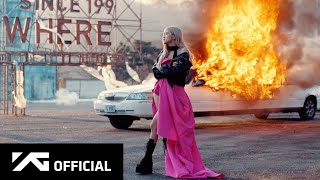
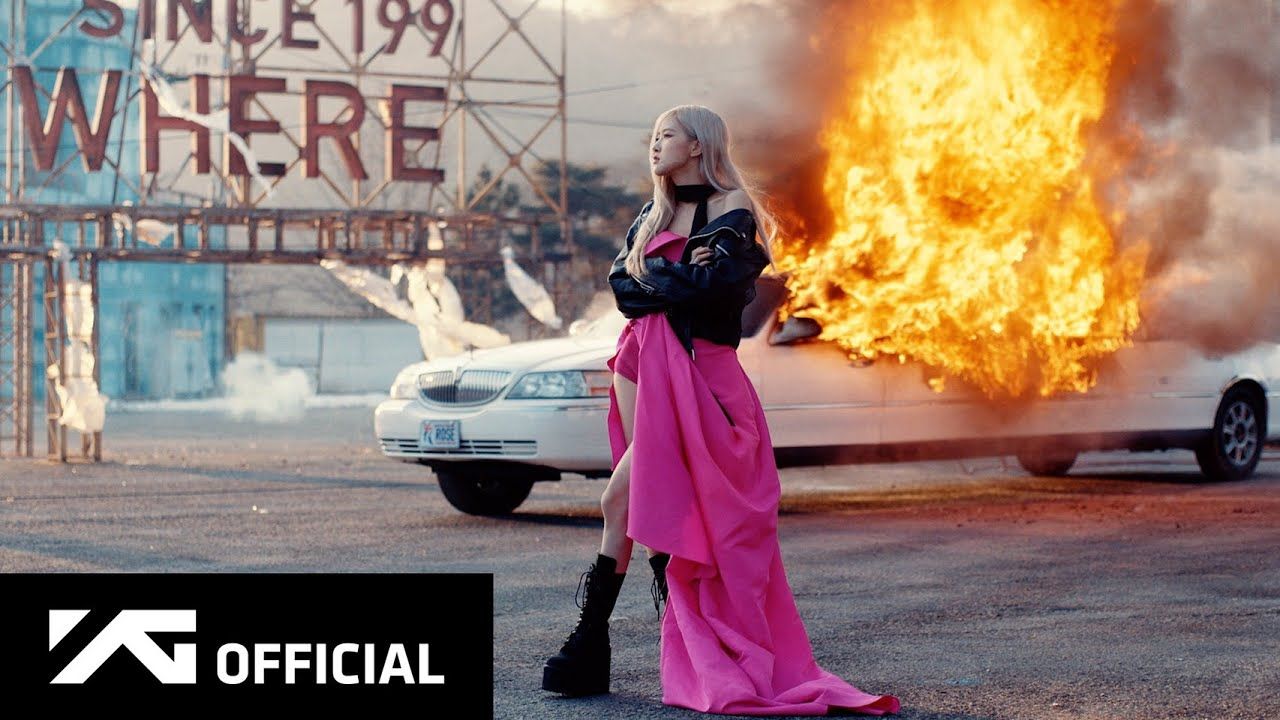
The mirror between Rosé and Roseanne. The field of flowers after destruction. The burning limousine. “Roses are dead, love is fake” written into a staircase scene that looks like every public version of her attending the same funeral.
What I wanted more of
The chorus drop belongs strongly to its era and interrupts the emotional specificity with a more generic burst. Rosé’s live and acoustic performances often reveal how powerful the song becomes when the vocal, guitar and lyric stay exposed. A fuller sung chorus could have aged more naturally.
I also wanted another verse containing one concrete trainee memory. The lyric’s universal language makes it accessible, but a dorm room, audition, guitar or phone call home would have made the climb impossible to confuse with anyone else’s motivational poster.
The lyrics: achievement is not identity
Rosé co-wrote and co-composed “On The Ground.” The song begins from the contradiction between a life that looks successful from above and a self that still feels unsatisfied. Everything she believed she needed was “on the ground”—inside ordinary connection, original motivation and the person she was before status became the measurement.
This is not a rejection of ambition. She does not return awards or pretend the dream was meaningless. She recognizes that external achievement cannot perform the private work of self-worth. The ladder can change the view. It cannot decide who climbed.
The official video story
| Visual | What it is saying |
|---|---|
| Limousine and explosion | The vehicle of celebrity becomes combustible rather than protective. |
| Childhood house | Rosé returns to the emotional architecture built before fame. |
| Falling chandelier | Luxury and aspiration literally crash through the room. |
| Mirror writing | Rosé confronts Roseanne—the stage identity meeting the girl who began the climb. |
| Multiple Rosés on stairs | Public versions, ambitions and timelines gather beneath the “Roses are dead” message. |
| Field of flowers | After spectacle burns away, life remains low to the earth and visibly alive. |
Director Han Sa-min’s notes make the symbolism less accidental
Han Sa-min directed the official video. His treatment builds contrast between destructive luxury and grounded natural imagery, giving the title’s wordplay a physical journey. Director notes shared after release showed how deliberately the mirror scene, multiple Rosés and “Roses are dead, love is fake” staircase were connected to identity and artificial aspiration.
The mirror sequence is the emotional key. Rosé writes her stage name, but the reflection points back toward Roseanne. The solo debut is therefore not simply the birth of a new star. It is a negotiation between the person, the stage name and the dream both of them carried.
Easter eggs and details worth rewinding
- “Roses are dead”: the familiar romantic symbol is declared dead while multiple Rosés remain present. Image can die; person survives.
- Burning limousine: success transportation becomes wreckage, forcing her to continue without the symbol.
- Chandelier impact: glamour does not stay politely overhead. It damages the old room.
- Arrow and upward imagery: ambition has direction, but the lyric questions what happens when direction becomes identity.
- Flower field: the final natural abundance answers the artificial rose imagery without requiring another crown.
Why the song had to be in English
Rosé said each song has a language that suits it. English connects directly to her Australian upbringing and the private songwriter voice fans heard in guitar covers. The choice also made her first solo title immediately global, but the artistic reason matters more: this is the language in which Roseanne appears most naturally beside Rosé.
That does not make English more authentic than Korean. It means bilingual artists can carry different emotional instincts in different languages, and forcing every release into one market rule can erase part of the person.
The backstory behind the debut
Rosé was the second BLACKPINK member to release an official solo project, following Jennie’s “SOLO.” Expectations were heavy because fans had waited years to hear what the group’s main vocalist would choose. R contained only “On The Ground” and “Gone,” a tiny package for an artist with a large musical identity.
The limited track count is still frustrating. Yet the two songs established a coherent first chapter: success does not heal everything, and love can leave before the narrator finishes understanding it.