
Release file
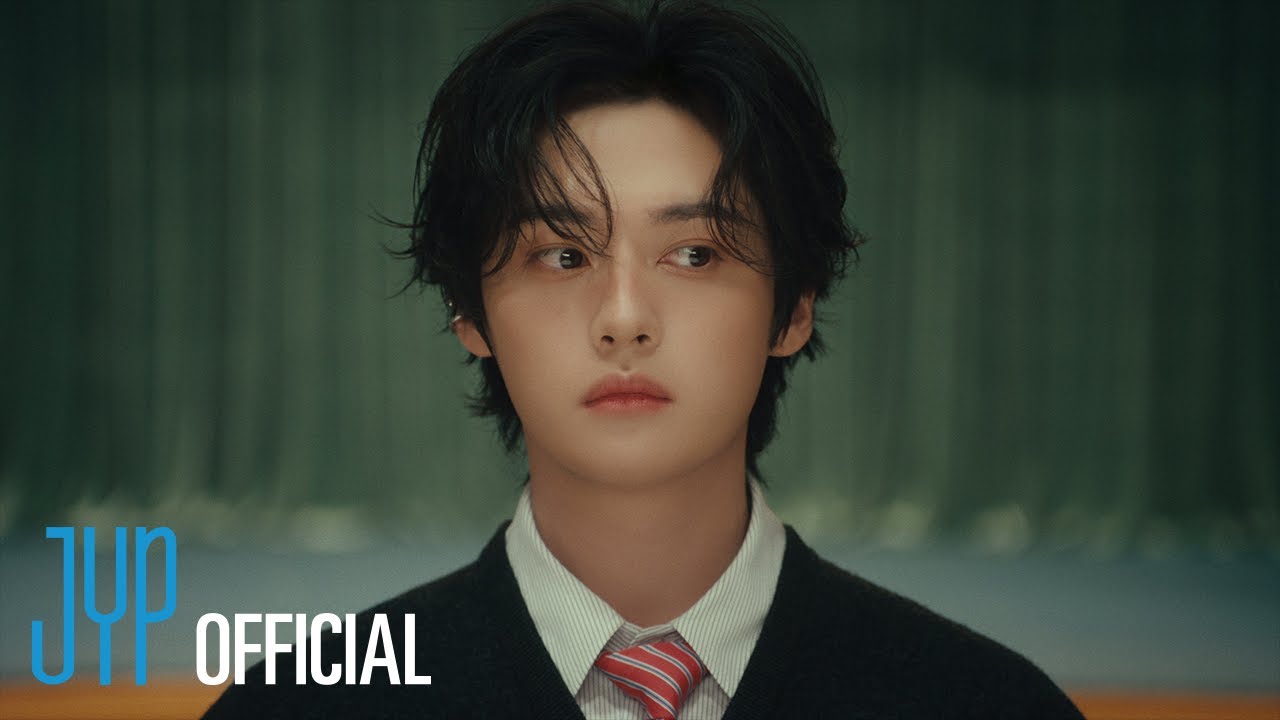
Released: December 23, 2024
Runtime: 03:01
Label / channel trail: Stray Kids
Sound: Lee Know turned adulthood off, left the cat in charge, and danced through the paperwork before responsibility found the spare key.
Sources:  Exact official playlist uploadDaily+28.4KTotal views34.9M.
Lee Know of Stray Kids · SKZ-PLAYER · RaeRae Reacts
Youth
Lee Know turned adulthood off, left the cat in charge, and danced through the paperwork before responsibility found the spare key.
The quick file
Lee Know of Stray Kids
Youth
December 13, 2024
December 23, 2024
合 (HOP)
Lee Know, Danke, Bang Hye-hyeon
“Youth” first lived as Lee Know’s solo stage during Stray Kids’ world tour, then joined the other seven member solos on 合 (HOP). The official SKZ-PLAYER followed on December 23, 2024. Lee Know shares lyric credit with Danke and Bang Hye-hyeon. That credit matters because the song’s playfulness is not a random costume placed on the group’s precise dancer. Lee Know helped decide what he wanted youth to mean.
The result is bright without becoming infantile. “Youth” does not ask the calendar to reverse or adulthood to disappear. It asks why growing older must be treated like a slow conversion into office furniture. The song leaves room for responsibility while protecting the part of a person that still wants to move, wonder, annoy the cat, and laugh before checking whether laughter is efficient.
First listen: the keyboard started skipping
The springy keyboard line makes the first argument before Lee Know sings. It does not march toward a goal. It bounces. The bass and percussion keep the track moving with enough funk to give the body options. You can nod, walk, dance, or clean the kitchen while pretending the sponge is choreography. This is a useful song, which is more than I can say for some motivational speeches.
Lee Know’s lighter vocal color is the correct center. A giant power note would turn playful resistance into an audition. He sings with control but does not polish away personality. Small tonal changes, a dry edge, and rhythmic phrasing make the track feel like him rather than a producer’s idea of cheerful.
My first reaction was that the song understands adulthood’s real threat. The threat is not age itself. It is becoming so trained by obligation that pleasure starts needing a justification. Children play because play is happening. Adults write business cases for hobbies, schedule rest, and then feel guilty because the rest did not generate a measurable outcome.
My first complaint was that the audio stays inside its bright lane almost too faithfully. The groove is charming, but one sharper contrast could have made the final section hit harder. Lee Know’s personality provides unpredictability in the video. The studio track could borrow a little more of that trouble.
What changed every time I replayed it
Second listen: cheerful is not shallow
On replay, I stopped hearing the song as a cute break and started hearing the argument underneath it. Cheerful music often gets treated like it contains less meaning than a ballad. Apparently truth must wear black, sit in the rain, and stare through a window before critics take notes. “Youth” challenges that bias by making joy the subject and the method.
Joy needs craft. The keyboard has to remain buoyant without becoming annoying. The percussion has to move without crowding the vocal. Lee Know has to sound relaxed while maintaining pitch, rhythm, and character. Lightness is not what happens when nobody worked. It is what happens when the work stops sitting on the listener’s chest.
Third listen: the song protects curiosity
The title started sounding less like a life stage and more like a quality of attention. Youth, in this song, is curiosity that has not been embarrassed into silence. It is the willingness to try, look foolish, change direction, and enjoy something before checking whether respectable people approve.
That quality becomes harder to protect as status grows. Lee Know is no longer a trainee trying to prove he belongs in the room. He is a successful performer inside a global group. Success creates freedom, but it also creates expectations. Audiences learn a persona and punish deviations. “Youth” makes room for an adult artist to remain surprising without turning every surprise into a rebrand.
Fourth listen: his restraint became the joke
Lee Know’s public humor often works through restraint. He can deliver chaos with a calm face and let everybody else discover the damage two seconds later. The song and video use the same mechanism. The music stays tidy while the personality keeps poking holes in normal behavior.
That contrast prevents the bright concept from becoming sugary. He is not performing innocence. He is performing freedom from the demand to look serious all the time. An adult can know exactly what he is doing and still choose nonsense. Sometimes the nonsense is the proof of control.
Lyrics: maturity is not personality foreclosure
The song’s best idea is separating growth from surrender. Growing up should mean gaining judgment, skills, accountability, and a longer view of consequences. It should not require deleting curiosity or treating pleasure like evidence of poor character. Too many workplaces, families, and institutions confuse seriousness with value because serious people are easier to control.
Lee Know’s lyric credit gives the message a personal edge. He entered an industry that professionalizes young people quickly. Trainees learn schedules, evaluation, hierarchy, appearance management, and public behavior while peers are still figuring out who they are without a camera. Idol adulthood can arrive early, then keep demanding proof.
“Youth” does not expose private trauma or ask us to diagnose him. It offers an artistic stance: the disciplined performer can still protect a playful self. That distinction matters. Fans should not use a cheerful song as proof that an artist is fine, just as they should not use a sad song as a medical chart. We can analyze the work without claiming the person.
From a Confucian perspective, adulthood brings roles and duties within family, team, and society. Those duties can create meaning, but role ethics become harmful when the person disappears inside the role. Lee Know’s song argues for balance. Responsibility should organize behavior, not erase the human being performing it.
A Buddhist lens makes the title more interesting because youth cannot be possessed. Bodies change. Careers change. Attention changes. Trying to freeze a younger self creates suffering. The song’s healthier move is carrying forward a quality of mind: openness, play, and the ability to meet the present without dragging every old rule behind you.
MRT adds a practical point. Adaptability is combat power. A rigid person can follow the plan until the plan fails. A curious person can test, improvise, and notice what the rigid person dismissed. Protecting youthfulness is not only emotionally pleasant. It preserves cognitive flexibility, which every leader claims to want until somebody uses it to question the meeting.
Sound: funk-pop with room to grin
The production builds momentum through bounce rather than force. The keyboard line gives the song its recognizable walk, while bass and percussion keep the groove grounded. The arrangement does not demand that Lee Know overpower it. It creates a surface where his phrasing can skip, settle, and turn.
His voice sounds most effective when it stays near conversational ease. Lee Know can deliver harder lines and stronger vocal pressure, but “Youth” benefits from a tone that feels close to speech. The message is not being announced from a mountain. It is being tested inside an ordinary day.
Small rhythmic decisions keep the track from becoming a children’s jingle. Phrases land with enough control to show the dancer inside the singer. He understands subdivision because his body has spent years translating counts into motion. That knowledge carries into the vocal even when the choreography is not visible.
The chorus is catchy without trying to become a stadium chant. I appreciate that scale. Not every solo needs to prove it can command fifty thousand people. Some songs work because they fit inside a person’s morning and make the walk from bed to responsibility feel less hostile.
I still want one strange production break. A distorted keyboard, a half-time detour, or a moment of cat-level disregard for structure could have given the last third more personality. The song chooses consistency. The video supplies the disruption.
Video deep dive: a personality file disguised as an MV
The official SKZ-PLAYER understands that Lee Know’s personality is not a bonus feature. It is the concept engine. Colorful rooms, physical comedy, groove-centered choreography, and sudden bits of oddness create a world where precision and nonsense can share a lease.
That balance is specifically Lee Know. His dance training gives him exact control over line, timing, and weight. His dry expression can make a strange action look like standard procedure. The humor lands because the body is disciplined and the face refuses to file an explanation.
The video does not build a traditional plot. That is the right choice. A heavy narrative about reclaiming childhood could crush the song under symbols. Instead, the production creates spaces for play and lets movement become evidence. Youthfulness appears as willingness: willingness to move differently, interact with the environment, and behave without asking whether adulthood approved the choreography.
Color functions as energy rather than code. Fans can enjoy repeated hues and visual echoes without claiming every wall belongs to a secret cinematic universe. The grounded reading is already enough. Bright spaces oppose the dull visual language often attached to adult respectability, while Lee Know refuses to become part of the furniture.
The choreography favors groove over constant force. That choice shows range. Main dancers are often trapped by audience expectations that every solo must contain athletic proof. Lee Know does not need to submit another résumé. He can let musicality, timing, and personality lead.
Physical comedy also turns the body away from pure display. An idol body is usually presented as controlled, attractive, and available for admiration. Comedy can break that contract. The body becomes an instrument for surprise, awkwardness, and self-directed play. That gives the performer more agency than another slow-motion beauty shot.
The camera mostly knows when to step back and let the full movement read. That is important for a dancer who creates meaning across the whole line. Close-ups support personality, but the wide frames prove the performance. The edit works best when it lets precision and absurdity occupy the same shot.
My only visual complaint is that the concept could push one recurring object or gag further. The video has many playful pieces, but one escalating bit would give the ending a stronger payoff. Lee Know is good at making a straight face carry a joke. The director could have trusted that weapon one more time.
Why adults need this argument
Modern adulthood often turns every part of life into productivity. Exercise must optimize health. Reading must improve knowledge. Hobbies should become side businesses. Rest must prepare the worker to work better tomorrow. Even joy gets drafted into service.
“Youth” pushes back by letting enjoyment remain an end. The song does not ask whether dancing creates a promotion. It does not turn curiosity into a personal brand. It values aliveness because being alive is the assignment everybody keeps skipping while answering email.
Parents feel this pressure too. Adults raising children may protect the children’s play while abandoning their own. That creates a strange household where one generation receives permission to imagine and the other models exhaustion as maturity. Children notice. A parent who keeps curiosity alive teaches more than a lecture about work-life balance.
Military and corporate cultures can make the problem worse because composure becomes survival. Professionalism matters. Standards matter. Missions still need completion. Yet people who never leave role mode become brittle, detached, or impossible to live with. Play is not a failure of discipline. It is one way the nervous system remembers the world contains more than tasks.
Lee Know’s song does not solve structural overwork. A bright track cannot shorten a schedule or pay a bill. It can name what the schedule is taking. That recognition matters because people protect what they can identify. Curiosity, humor, and play deserve deliberate maintenance before adulthood quietly auctions them off.
What I like, what I do not, and what stays
What I like: Lee Know’s light vocal center, the springy groove, the choice to let personality drive the video, and the refusal to make joy apologize for lacking tragedy.
What I do not like: the studio track could use one sharper structural surprise. The consistent brightness makes the message easy to inhabit, but it also flattens the final climb.
What stays: the keyboard bounce, the dry facial comedy, the groove-first dancing, and the useful reminder that maturity should add tools, not confiscate personality.
RaeRae verdict
“Youth” is bright pop with an adult argument underneath it. Lee Know does not ask to become younger. He protects the curiosity and play that make growing older worth surviving. His lyric credit, vocal restraint, dance control, and very specific comic timing keep the track from becoming generic sunshine.
The audio needs one more disruptive choice, but the SKZ-PLAYER fills that gap through personality. Precision and oddness work together. That combination is the point. Youthfulness is not incompetence. It is disciplined adulthood refusing to become dull on purpose.
Replay? Yes, particularly on mornings when responsibility has started using too many exclamation points.
Best choice? Letting Lee Know’s personality, not a heavy plot, carry the visual.
Final score: 8.6 out of 10. Adulthood can wait outside until the cat finishes the meeting.
Receipts and official links
- Stray Kids: Lee Know “Youth” official SKZ-PLAYERDaily+28.4KTotal views34.9M
- JYP official 合 (HOP) “Youth” notice
- Stray Kids official discography: 合 (HOP) and solo-track context
- JYP Publishing artist directory: Lee Know lyricist and composer listing
Continue with Lee Know’s canonical artist and Stray Kids member profile.