
ICONIC BY MISTAKE · FULL MOVIE REVIEW · THE LION KING (2019) · PHOTOREAL RECEIPTS
The Lion King (2019) Review: Every Hair Moved and Half the Feeling Died
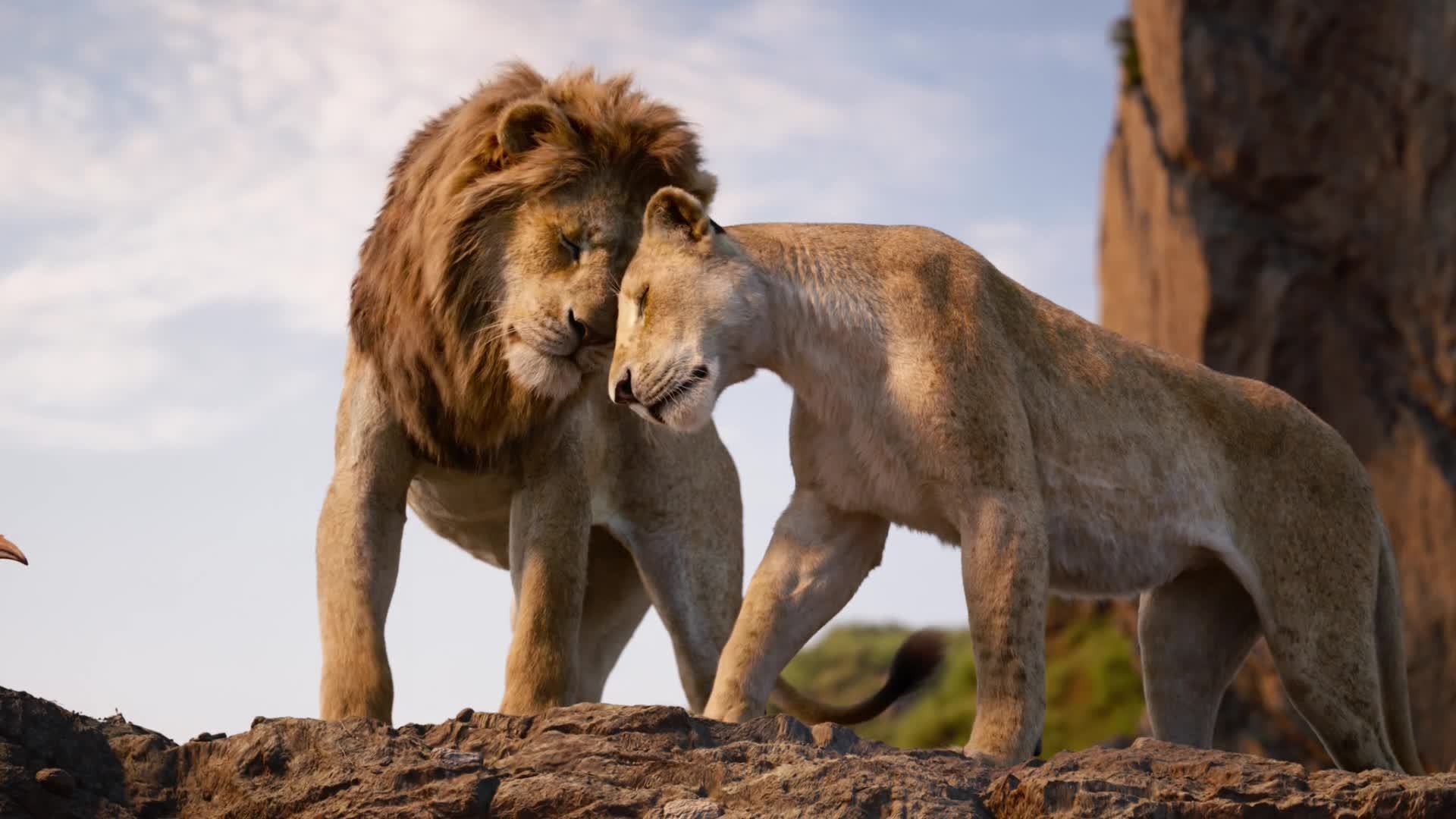
The animals look real enough for a nature documentary and trapped enough to make grief look like a software limitation. The achievement is enormous. The dramatic choice is still wrong.
The verdict from Pride Rock
The Lion King is a landmark technical production attached to a dramatic concept that fights animation’s greatest strength. And yes, I went back to Circle of Life, the elephant graveyard, the stampede, Hakuna Matata, and the return to Pride Rock because I wanted to make sure I was not grading a memory instead of the movie sitting in front of me. Nope. The issue survived the replay. The film deserves admiration for labor and criticism for the rule imposed on that labor. Disney knew comparison came with the ticket. Nobody dragged the animated version into the room after the fact. The studio put the old songs, colors, names, poses, and emotional beats in every trailer because our memory was part of the marketing budget.
Here is where I start getting irritated. Every whisker can catch light. Too many faces cannot carry the emotion the scene requires. That is not me insulting the crew. The crew clearly worked. Hair moved. Fabric moved. Digital light bounced off things that did not exist. Somebody probably spent three days fixing one ear. I respect that labor. I am judging the decision that all that labor was ordered to serve, because expensive and effective are not synonyms and Disney keeps acting surprised when we notice.
The receipt is MPC describes the film as full CG built through virtual production, photoreal rendering, and documentary-influenced cinematography. I am putting that right here because I am not doing the thing where a strong opinion floats three pages away from the evidence. The record tells us who made the choice and what the production said the choice was supposed to accomplish. Then Circle of Life, the elephant graveyard, the stampede, Hakuna Matata, and the return to Pride Rock tells us whether the promise reached the screen. Sometimes yes. Sometimes absolutely not. Both answers can exist inside the same movie without me pretending the average is automatically good.
Watch the bodies in that sequence. Watch who gets to hesitate, who gets a reaction shot, who gets interrupted, and who only exists to confirm that the lead is correct. That is where The Lion King (2019) quits talking about the update and accidentally shows what the update really values. A speech can say leadership all day. If nobody has a reason to follow, disagree, bargain, lose something, or change course, I am watching a slogan with costumes. Pretty costumes, probably. Still a slogan.
The sound gives away another problem. Disney knows exactly when the audience expects a melody, a swell, a joke, or the first three notes that will unlock somebody’s childhood. The easy move is pressing that button. The harder move is making the music belong to this performer in this version of this relationship. If the singer sounds scared of the score, if the arrangement does all the emoting, or if the camera cuts away from a face that should be carrying the number, I notice. I cannot unnotice.
I also refuse the fake choice between loving the original and allowing change. Change the whole thing if you have an idea. Move the point of view. Break the ending. Make the romance weirder. Let the villain be right about one uncomfortable fact. But do the work after the announcement. A modern line dropped into an old structure is not transformation. That is a sticky note. The story still has to absorb the idea until relationships and consequences look different.
Then we get to the image. Circle of Life, the elephant graveyard, the stampede, Hakuna Matata, and the return to Pride Rock has to tell me where to look and what the character cannot say. Detail everywhere is not the same as meaning somewhere. A forest can have twelve thousand individually rendered leaves and still feel dead. A face can have perfect pores and no readable thought. A costume can be historically researched and emotionally wrong for the person wearing that costume. The camera is not a receipt by itself. The camera has to choose.
My little scorecard here is not complicated: did the character make a choice, did the choice cost anything, could the performer actually perform, did the song expose something, did the visual style help the emotion, and did the cultural material feel known instead of rented? MPC describes the film as full CG built through virtual production, photoreal rendering, and documentary-influenced cinematography Those facts answer the production side. The Lion King (2019) still has to answer the human side, and brand recognition cannot take the exam for everybody.
Would this beat survive without the familiar title sitting above the poster? That is the rude question. Circle of Life, the elephant graveyard, the stampede, Hakuna Matata, and the return to Pride Rock should create enough tension and personality to become somebody’s new memory. When the sequence only works because I remember how the drawing made me feel, the remake is charging itself for borrowed emotion and calling the loan revenue. I know the old movie. Disney made sure I knew. The new movie still has to show up.
So I landed where I landed: Every whisker can catch light. Somebody else can love the scene. Fine. I am not raiding anybody’s Disney shelf. But “I liked the movie” cannot end a conversation that includes performance, culture, labor, technology, music, and a studio deliberately reselling its own history. I liked parts too. Then my ADHD kicked in, I opened the production notes, and now everybody has to look at the paperwork with me.
This is animation, regardless of the marketing shelf
The film contains one photographed image according to widely discussed production accounts, while the animals, environments, and camera were overwhelmingly created through digital animation and visual effects. I replayed the whole stretch to the virtual camera moving through a digitally built savanna because I wanted to make sure I was not grading a memory instead of the movie sitting in front of me. Calling the result live action obscures the artists and the medium.
Now I am annoyed. Animation did the work. Photorealism was the style. The distinction belongs in the credits, criticism, and historical record.
I checked the record, and the receipt is MPC’s own case studies describe a fully CG production and the tools used for animation, fur, environments, and virtual filmmaking. Then the virtual camera moving through a digitally built savanna tells us whether the promise reached the screen.
Look at who the camera allows to react.
My ears caught the next problem before my notes did.
Nobody needs to protect the original from change.
Now look at the actual frame. the virtual camera moving through a digitally built savanna has to tell me where to look and what the character cannot say.
I reduced the whole mess to six questions: did the character make a choice, did the choice cost anything, could the performer actually perform, did the song expose something, did the visual style help the emotion, and did the cultural material feel known instead of rented? MPC’s own case studies describe a fully CG production and the tools used for animation, fur, environments, and virtual filmmaking Those facts answer the production side.
Would anybody care about this beat without the logo? the virtual camera moving through a digitally built savanna should create enough tension and personality to become somebody’s new memory.
My answer after all that is Animation did the work.
The Circle of Life demonstrates the achievement and the trap
The opening reconstructs famous compositions with astonishing environmental detail. Recognition supplies awe before the new film has established its own rhythm. I paused and backed up to the sunrise, animal procession, Rafiki’s presentation, and final roar because I wanted to make sure I was not grading a memory instead of the movie sitting in front of me. A shot can be beautiful and dramatically inherited at the same time.
This is the part that got on my nerves. The sequence proves the pipeline. The sequence also announces that fidelity will outrank invention whenever the two compete.
Here is the named source for that claim: Jon Favreau told Disney investors that the original still held up and that his goal was to complement the original in a new medium. Then the sunrise, animal procession, Rafiki’s presentation, and final roar tells us whether the promise reached the screen.
Forget the press notes and watch the people.
Then the score starts doing emotional overtime.
I am not asking for a museum copy.
The picture has its own testimony. the sunrise, animal procession, Rafiki’s presentation, and final roar has to tell me where to look and what the character cannot say.
The test is embarrassingly simple: did the character make a choice, did the choice cost anything, could the performer actually perform, did the song expose something, did the visual style help the emotion, and did the cultural material feel known instead of rented? Jon Favreau told Disney investors that the original still held up and that his goal was to complement the original in a new medium Those facts answer the production side.
Take away the old song and what remains? the sunrise, animal procession, Rafiki’s presentation, and final roar should create enough tension and personality to become somebody’s new memory.
My notes end with the same blunt ruling: The sequence proves the pipeline.
Mufasa needs a face that can break
James Earl Jones returns with vocal authority, but the digital lion’s constrained expression reduces the exchange between father and son. I watched that scene again to Mufasa teaching Simba about the kingdom and later dying in the gorge because I wanted to make sure I was not grading a memory instead of the movie sitting in front of me. Voice performance cannot carry every layer when the body withholds gesture.
And here comes the expensive nonsense. The voice remembers tenderness. The face remains committed to zoological plausibility. The split becomes painful in close-up.
Before anybody calls that nostalgia, the record says Disney cast materials confirm Jones’s return while MPC describes documentary realism as a governing visual target. Then Mufasa teaching Simba about the kingdom and later dying in the gorge tells us whether the promise reached the screen.
Now watch who actually gets a decision.
The music tells on the movie.
Change was never the crime.
The visual argument is sitting right there. Mufasa teaching Simba about the kingdom and later dying in the gorge has to tell me where to look and what the character cannot say.
Here is my no-nonsense grading sheet: did the character make a choice, did the choice cost anything, could the performer actually perform, did the song expose something, did the visual style help the emotion, and did the cultural material feel known instead of rented? Disney cast materials confirm Jones’s return while MPC describes documentary realism as a governing visual target Those facts answer the production side.
If the childhood memory leaves the room, does the scene stand up? Mufasa teaching Simba about the kingdom and later dying in the gorge should create enough tension and personality to become somebody’s new memory.
So no, the polish did not change my mind: The voice remembers tenderness.
The stampede is technically ferocious and emotionally cooler
Dust, bodies, camera movement, and simulated scale make the gorge frightening. The sequence knows how to build physical danger. I checked the sequence twice to Simba finding Mufasa and trying to wake him because I wanted to make sure I was not grading a memory instead of the movie sitting in front of me. The emotional aftermath needs stylization because grief changes perception.
This is where the pretty surface stops helping. The small body pushing the large body remains devastating as an idea. The image refuses the expressive exaggeration that could make the child’s panic visible.
The production trail gives us MPC documents crowd, environment, fur, and animation systems used across the production. Then Simba finding Mufasa and trying to wake him tells us whether the promise reached the screen.
Look past the dialogue and follow the reactions.
Now listen to what the arrangement is covering.
Please change the story if somebody has an actual idea.
Now the expensive pixels enter the chat. Simba finding Mufasa and trying to wake him has to tell me where to look and what the character cannot say.
I am not grading this on childhood loyalty: did the character make a choice, did the choice cost anything, could the performer actually perform, did the song expose something, did the visual style help the emotion, and did the cultural material feel known instead of rented? MPC documents crowd, environment, fur, and animation systems used across the production Those facts answer the production side.
Can this moment breathe without borrowing the animated version’s oxygen? Simba finding Mufasa and trying to wake him should create enough tension and personality to become somebody’s new memory.
My final reaction is not complicated: The small body pushing the large body remains devastating as an idea.
Chiwetel Ejiofor gives Scar intelligence without theatrical pleasure
Ejiofor’s Scar is resentful, controlled, and politically legible. The remake removes much of the camp performance and visual elasticity. I went back with the nostalgia turned down to Scar recruiting the hyenas and confronting Mufasa because I wanted to make sure I was not grading a memory instead of the movie sitting in front of me. A villain can be quieter, but menace still needs seduction.
Now the remake starts testing my patience. The character can explain a coup. He rarely makes the coup feel like a temptation anybody would follow for pleasure, fear, or belonging.
The paper trail matters here: Disney lists Ejiofor as Scar while the remake substantially revises Be Prepared. Then Scar recruiting the hyenas and confronting Mufasa tells us whether the promise reached the screen.
Pay attention to who owns the silence.
The vocal track creates a separate argument.
The old version is not holy scripture.
The camera cannot hide behind detail. Scar recruiting the hyenas and confronting Mufasa has to tell me where to look and what the character cannot say.
My checklist fits on one sticky note: did the character make a choice, did the choice cost anything, could the performer actually perform, did the song expose something, did the visual style help the emotion, and did the cultural material feel known instead of rented? Disney lists Ejiofor as Scar while the remake substantially revises Be Prepared Those facts answer the production side.
Would this scene create a memory from scratch? Scar recruiting the hyenas and confronting Mufasa should create enough tension and personality to become somebody’s new memory.
After the replay and the receipts, I am here: The character can explain a coup.
Be Prepared was robbed in broad daylight
The 1994 number turns fascist spectacle into a terrifying theatrical machine. The remake reduces the song to a brief rally delivered across realistic terrain. I ran the scene one more time to Scar addressing the hyenas before the takeover because I wanted to make sure I was not grading a memory instead of the movie sitting in front of me. Removing stylization does not remove politics. The choice removes the visual language that made the politics unmistakable.
Here is the part Disney cannot decorate away. The new version supplies plot information. The old version exposed the narcotic appeal of authoritarian performance.
I did not pull that from fandom air. The record is the released soundtrack and film present a shortened, rearranged version of Be Prepared. Then Scar addressing the hyenas before the takeover tells us whether the promise reached the screen.
Watch who moves and who merely agrees.
The song is where the remake has nowhere to hide.
I did not come here demanding the same movie twice.
The frame starts answering questions nobody asked aloud. Scar addressing the hyenas before the takeover has to tell me where to look and what the character cannot say.
The movie has six jobs here: did the character make a choice, did the choice cost anything, could the performer actually perform, did the song expose something, did the visual style help the emotion, and did the cultural material feel known instead of rented? the released soundtrack and film present a shortened, rearranged version of Be Prepared Those facts answer the production side.
Remove the recognition. Does the drama still work? Scar addressing the hyenas before the takeover should create enough tension and personality to become somebody’s new memory.
The verdict survived every rewatch: The new version supplies plot information.
Beyoncé gives Nala force, then the screenplay limits the force
Beyoncé’s voice brings control and musical authority, while the expanded escape gives Nala more action than the original. I looked again because the first reaction was loud to Nala leaving Pride Rock, finding Simba, and singing Spirit across the journey because I wanted to make sure I was not grading a memory instead of the movie sitting in front of me. Agency requires more than additional minutes if the character’s interior life still serves Simba’s return.
This choice bothered me more on replay. The performance suggests a movie about lioness survival under Scar. The remake gestures toward that movie and returns to the familiar route.
The credit and intent check gives us Disney credits Beyoncé Knowles-Carter as Nala and includes the new song Spirit. Then Nala leaving Pride Rock, finding Simba, and singing Spirit across the journey tells us whether the promise reached the screen.
Look at the scene without the inspirational sentence.
Then the familiar melody walks in carrying everybody’s childhood.
A remake is allowed to break things.
The image either carries the feeling or drops the feeling. Nala leaving Pride Rock, finding Simba, and singing Spirit across the journey has to tell me where to look and what the character cannot say.
I kept the standard basic on purpose: did the character make a choice, did the choice cost anything, could the performer actually perform, did the song expose something, did the visual style help the emotion, and did the cultural material feel known instead of rented? Disney credits Beyoncé Knowles-Carter as Nala and includes the new song Spirit Those facts answer the production side.
If the poster had a new title, would the sequence still matter? Nala leaving Pride Rock, finding Simba, and singing Spirit across the journey should create enough tension and personality to become somebody’s new memory.
I kept trying to argue myself out of this conclusion: The performance suggests a movie about lioness survival under Scar.
Can You Feel the Love Tonight happens in daylight
The title does not legally require darkness, but the visual joke points to a larger problem. Naturalistic continuity wins over romantic transformation. I gave the scene another chance to Simba and Nala reconnecting during the duet because I wanted to make sure I was not grading a memory instead of the movie sitting in front of me. Songs create subjective space. A musical should allow the world to change when characters feel differently.
Now we need to stop pretending the budget is an answer. The animals walk through convincing sunlight while the voices describe emotional night. The scene illustrates the cost of treating every lyric as narration over wildlife footage.
The official version of events is the soundtrack retains the Elton John and Tim Rice song in a new recording. Then Simba and Nala reconnecting during the duet tells us whether the promise reached the screen.
Follow the power inside the blocking.
The soundtrack starts pressing the nostalgia button.
Nostalgia does not get veto power.
Now I need everybody to look at the composition. Simba and Nala reconnecting during the duet has to tell me where to look and what the character cannot say.
My rubric is less complicated than Disney’s publicity tour: did the character make a choice, did the choice cost anything, could the performer actually perform, did the song expose something, did the visual style help the emotion, and did the cultural material feel known instead of rented? the soundtrack retains the Elton John and Tim Rice song in a new recording Those facts answer the production side.
Does the beat earn emotion or withdraw emotion from our old account? Simba and Nala reconnecting during the duet should create enough tension and personality to become somebody’s new memory.
The movie had every chance to change my mind: The animals walk through convincing sunlight while the voices describe emotional night.
Timon and Pumbaa survive because comedy tolerates vocal distance
Billy Eichner and Seth Rogen build conversational rhythm, improvisational looseness, and genuine companionship. I replayed the beat without the trailer in my head to Hakuna Matata and the jungle conversations because I wanted to make sure I was not grading a memory instead of the movie sitting in front of me. Comedy can live in timing even when faces remain limited.
This is where my notes got rude. Their scenes breathe because the movie briefly stops kneeling before the original. The pair sound like two people sharing space rather than actors recording museum labels.
Here is what the production record actually gives us: Disney cast materials identify Eichner and Rogen while the remake expands their banter. Then Hakuna Matata and the jungle conversations tells us whether the promise reached the screen.
Watch whose face receives time.
The number sounds prettier than the scene feels.
I am fine with a new ending, new politics, and new rules.
The design choice becomes impossible to ignore. Hakuna Matata and the jungle conversations has to tell me where to look and what the character cannot say.
I asked six blunt questions: did the character make a choice, did the choice cost anything, could the performer actually perform, did the song expose something, did the visual style help the emotion, and did the cultural material feel known instead of rented? Disney cast materials identify Eichner and Rogen while the remake expands their banter Those facts answer the production side.
Can the scene survive without the audience finishing the feeling? Hakuna Matata and the jungle conversations should create enough tension and personality to become somebody’s new memory.
This is the ruling at the bottom of the page: Their scenes breathe because the movie briefly stops kneeling before the original.
The virtual production breakthrough is real
Favreau and the crew used virtual reality tools to scout and shoot a digital environment with filmmaking habits borrowed from physical production. I checked whether I was being unfair to camera placement, lens choices, location scouting, and simulated natural light across the savanna because I wanted to make sure I was not grading a memory instead of the movie sitting in front of me. The method changed what directors and crews could do inside CG worlds.
Here is where the movie loses me. The achievement belongs in animation history. Technical importance does not automatically produce emotional success, and saying so does not diminish the invention.
The claim has a source: Favreau described the virtual studio at Disney’s investor presentation, and MPC documented the pipeline. Then camera placement, lens choices, location scouting, and simulated natural light across the savanna tells us whether the promise reached the screen.
Look at who is allowed to be complicated.
Music exposes the gap fast.
The source can handle criticism.
The visual system tells the truth. camera placement, lens choices, location scouting, and simulated natural light across the savanna has to tell me where to look and what the character cannot say.
The scorecard does not care how much the shot cost: did the character make a choice, did the choice cost anything, could the performer actually perform, did the song expose something, did the visual style help the emotion, and did the cultural material feel known instead of rented? Favreau described the virtual studio at Disney’s investor presentation, and MPC documented the pipeline Those facts answer the production side.
What happens when nostalgia stops spotting the movie twenty points? camera placement, lens choices, location scouting, and simulated natural light across the savanna should create enough tension and personality to become somebody’s new memory.
I can like pieces and still say this: The achievement belongs in animation history.
The lioness labor remains underwritten
Sarabi and Nala endure scarcity, protect the pride, and preserve the possibility of return while Simba heals elsewhere. I returned after reading the production notes to Sarabi confronting Scar and Nala searching for help because I wanted to make sure I was not grading a memory instead of the movie sitting in front of me. The monarchy story depends on women whose survival work the plot treats as background.
And now the corporate polish starts showing. A remake with extra runtime could have shown the occupation from their perspective. The decision to remain near Simba repeats the old imbalance with prettier fur.
I brought the receipt because this part is factual: Disney cast listings identify Alfre Woodard and Beyoncé while the film expands several lioness beats. Then Sarabi confronting Scar and Nala searching for help tells us whether the promise reached the screen.
Now count the choices instead of the speeches.
Then the orchestra tries to do the acting.
I want the filmmakers to argue with the original.
The frame is where the sales pitch gets tested. Sarabi confronting Scar and Nala searching for help has to tell me where to look and what the character cannot say.
I am using the same test for every remake: did the character make a choice, did the choice cost anything, could the performer actually perform, did the song expose something, did the visual style help the emotion, and did the cultural material feel known instead of rented? Disney cast listings identify Alfre Woodard and Beyoncé while the film expands several lioness beats Those facts answer the production side.
Would a first-time viewer receive the whole emotional equation? Sarabi confronting Scar and Nala searching for help should create enough tension and personality to become somebody’s new memory.
The receipts brought me back to one answer: A remake with extra runtime could have shown the occupation from their perspective.
Commercial success rewarded the safest lesson
The film earned extraordinary worldwide revenue and demonstrated the power of familiar titles presented as technological events. I watched again with the old movie out of reach to the nearly shot-for-shot recognition strategy paired with a new production pipeline because I wanted to make sure I was not grading a memory instead of the movie sitting in front of me. A giant audience does not mean every viewer received the same emotional experience, but revenue shapes which experiments corporations repeat.
This is where I stopped being generous. The business lesson was easy to read: audiences will pay to inspect a beloved movie wearing an expensive new skin. The artistic lesson was harder and therefore easier to ignore.
The file behind the opinion is Disney and industry records place the film among the company’s largest global releases. Then the nearly shot-for-shot recognition strategy paired with a new production pipeline tells us whether the promise reached the screen.
Watch where the camera places sympathy.
The vocal choices deserve their own side-eye.
A remake should make dangerous choices.
Now the lighting and faces have to do their jobs. the nearly shot-for-shot recognition strategy paired with a new production pipeline has to tell me where to look and what the character cannot say.
Here is the test I refuse to soften: did the character make a choice, did the choice cost anything, could the performer actually perform, did the song expose something, did the visual style help the emotion, and did the cultural material feel known instead of rented? Disney and industry records place the film among the company’s largest global releases Those facts answer the production side.
Does the new version own this moment yet? the nearly shot-for-shot recognition strategy paired with a new production pipeline should create enough tension and personality to become somebody’s new memory.
My patience, nostalgia, and research all ended here: The business lesson was easy to read: audiences will pay to inspect a beloved movie wearing an expensive new skin.
What photoreal animation should learn
Realistic rendering can support wonder, horror, intimacy, and comedy when artists are allowed to bend reality toward performance. I made myself sit through the sequence again to every scene where a voice reaches farther than the face because I wanted to make sure I was not grading a memory instead of the movie sitting in front of me. The failure comes from treating zoological restraint as a moral virtue.
Now somebody needs to explain the decision. Give the animals expressive eyes, mouths, silhouettes, posture, and timing. The audience already accepts singing lions. Nobody needed the grief to obey a documentary.
For the factual side, I checked MPC’s craft writing makes clear how deliberate and labor-intensive the realism was. Then every scene where a voice reaches farther than the face tells us whether the promise reached the screen.
Look at who pays for the big declaration.
Now the old melody has to survive the new body.
Keeping everything is not respect.
The screen gives me another receipt. every scene where a voice reaches farther than the face has to tell me where to look and what the character cannot say.
The grading standard is sitting in plain sight: did the character make a choice, did the choice cost anything, could the performer actually perform, did the song expose something, did the visual style help the emotion, and did the cultural material feel known instead of rented? MPC’s craft writing makes clear how deliberate and labor-intensive the realism was Those facts answer the production side.
Take away the brand. Is there still a scene? every scene where a voice reaches farther than the face should create enough tension and personality to become somebody’s new memory.
I am done circling the verdict: Give the animals expressive eyes, mouths, silhouettes, posture, and timing.
Receipt ledger
- Comparison rule: recognition is part of Disney’s sales pitch, so the animated source belongs in the review.
- Craft rule: criticism of a finished movie does not erase the labor of performers, animators, designers, technicians, musicians, or crew.
- Evidence rule: production claims are linked to studio or trade reporting; interpretation is labeled as CVM Sekai analysis.
- Spoiler rule: the full film is discussed because endings, omissions, and rearranged relationships are central to the argument.
Sources and production credits
Release, cast, filmmaker, music, production, and distribution facts were checked against the linked official Disney pages, filmmaker interviews, guild or studio craft materials, and contemporaneous reporting. Box-office figures are contextual evidence rather than a substitute for criticism. All scene readings, comparisons, judgments, and conclusions are original CVM Sekai editorial analysis.
Keep exploring
Return to the The Lion King hub for characters, animation, franchise branches, reviews, rants, and guides.