
RaeRae Reacts · 1VERSE · Official Music Video
Shattered: 1VERSE Put Five Origin Stories Inside One Broken-Glass Debut
The debut song is polished, bruised and determined. The video keeps handing every member a different kind of wreckage, then asks them to walk through it together.
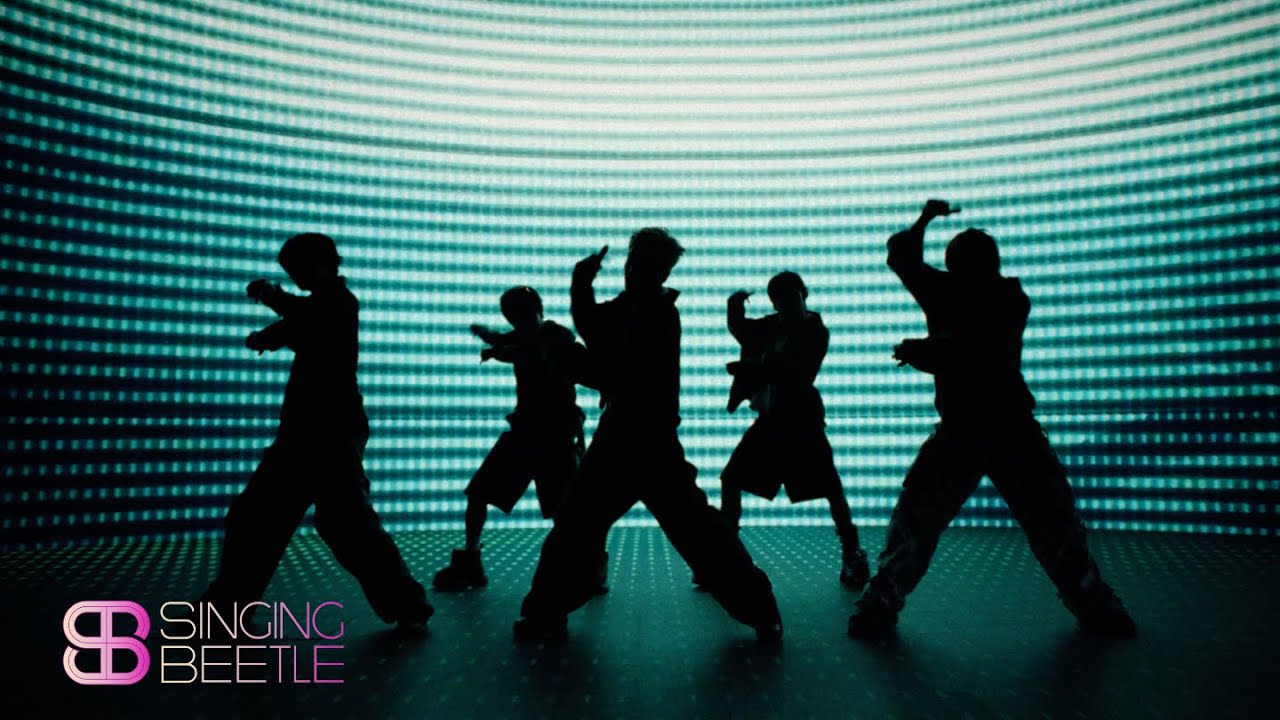
Release file
Released: July 18, 2025
Runtime: 03:13
Label / channel trail: 1VERSE
Sound: The debut song is polished, bruised and determined. The video keeps handing every member a different kind of wreckage, then asks them to walk through it together.
Sources:  Exact official playlist uploadDaily+66Total views292.9K.
Overall vibe
“Shattered” lives in the space between a survival song and a first-day declaration. It does not pretend these five men arrived with the same biography. Instead, the production turns separation, training scars and outsider pressure into one shared pulse.
The quick scorecard
| Song | 8.2/10 |
|---|---|
| Hook | 7.8/10 |
| Vocals and rap | 8.4/10 |
| Video storytelling | 8.6/10 |
| Replay danger | High |
The hook vibe
The chorus does not explode so much as lock into place. The repeated melodic rise gives the song a stubborn, forward-moving quality. It feels less like a victory lap and more like somebody steadying their breathing before trying the door again.
My one complaint is that the hook could use one more dangerous vocal choice. The track is carefully engineered for a debut, and sometimes I can hear the safety rail. The members sell it anyway because the verses carry different textures into the same refrain.
What I love
- The song gives the rappers weight without flattening the vocal line.
- Hyuk and Kenny’s writing credits make the self-reconstruction theme feel connected to the members instead of pasted on by a branding team.
- Aito’s movement has purpose. He is not decorating the frame; he is helping explain it.
- Nathan and Seok keep the emotional center from becoming one long grim stare.
What does not completely work for me
The production is clean enough to become anonymous in a few transitions. A debut with this much biography could survive a stranger instrumental bruise—an ugly synth, a vocal crack left in, something that refuses to sit perfectly inside the grid. I wanted one moment that sounded as risky as the group’s actual existence.
Lyrics and meaning: broken is a condition, not an identity
The useful thing about the lyric concept is that “shattered” describes what happened, not what the members are. The words keep returning to fragments, reflection and movement. That distinction matters for a group whose coverage has often treated two members’ pasts as their permanent definition.
The Korean and English versions create two doors into the same emotional file. They are not line-for-line clones, and that is fine. The goal is not a classroom translation exercise; it is preserving the pressure and refusal inside the song.
Vocal and rap file
Hyuk’s delivery has the clipped urgency of somebody who trusts rhythm before decoration. Kenny gives the track a smoother, more elastic color. Nathan’s tone opens the chorus, while Seok’s steadier presence keeps the arrangement grounded. Aito’s contribution is easiest to underestimate if you only listen; watch the formation changes and the physical logic becomes clearer.
The video presentation
The broken-glass language is obvious, but the video does more than place everyone beside a symbolic mirror. Members are repeatedly isolated by architecture, light and depth. The group shots matter because the edit earns them: five separate routes keep collapsing into a shared frame.
The styling avoids making the members visually identical. That is the right choice. 1VERSE works because the lineup looks assembled from different lives, not manufactured from one mood board with five haircuts.
Easter eggs and details worth pausing
- Reflections split faces without erasing them, echoing the lyric’s refusal to make damage the whole identity.
- Doorways and narrow corridors repeat the idea of movement through confinement.
- Individual framing gives way to wider group compositions as the song gains confidence.
- The choreography often resolves asymmetry rather than beginning in perfect balance.
The backstory the headline usually misses
International coverage understandably focused on Hyuk and Seok becoming K-pop idols after leaving North Korea. The fuller story includes Nathan’s Lao-Thai American upbringing in Arkansas, Kenny’s Chinese American trainee and survival-show history, and Aito’s Japanese-Korean dance background. Hyuk and Kenny participated in the writing, and Aito contributed to choreography. This is not two extraordinary biographies with three backup dancers attached.
Director and production perspective
The visual language treats fragmentation as something spatial: glass, divided rooms, broken sightlines and members framed apart before the edit reconnects them. Even without a long public director’s commentary, the finished video makes its argument clearly. The story is not “look how damaged they are.” It is “look what they build while damage is still visible.”
Why the chorus holds without exploding
The chorus rises, locks and keeps moving. It does not provide the enormous cathartic belt a biography this dramatic might lead a producer to order. That is the right decision. A giant victory chorus would make the debut feel finished before the group has begun. The steadier melodic climb sounds like people learning how to keep walking while the floor remains unreliable.
Nathan opens emotional space, Seok gives the center weight, and the rap textures keep the record from becoming anonymous uplift. Hyuk sounds best when the consonants stay sharp. Kenny’s smoother timing prevents that sharpness from becoming the only available intensity. The contrast is the arrangement; the members should never be mixed into one motivational voice.
Choreography as reconstruction
Aito’s choreography contribution is visible in the way asymmetrical positions resolve. The dance does not begin by insisting the five are identical. Members arrive from different angles, carry different amounts of motion and then discover a shared line. The group images therefore feel earned instead of pasted between close-ups.
Watch the transitions rather than only the killing parts. Seok closes space with an athlete’s economy; Nathan projects beyond the formation because he learned performance through covers; Kenny understands the camera’s next destination; Hyuk’s stillness can create pressure before the rap; Aito edits the whole picture through his own movement. This is the first real proof that the lineup concept can survive contact with a stage.
The counterargument
A listener could reasonably call “Shattered” overpolished and emotionally predetermined. The glass, corridors and resilience language are familiar pop-video tools. I agree with half of that complaint. The production occasionally protects the song from the roughness it claims to value. What saves it is accountable member participation: Hyuk and Kenny wrote, Aito choreographed, and the performance differences remain visible. The symbolism is familiar; the people using it are not interchangeable.
What changed every time I replayed it
The first play belongs to the premise and the glass. The group’s history is so unusual that the mind wants to make every image symbolic before the song has finished introducing its drums. On the second play, the member handoffs become more important than the set. Hyuk’s clipped rap and Kenny’s smoother phrasing do not compete for the same lane; Nathan and Seok widen the emotional register; Aito makes the formation changes feel like part of the sentence.
By the third play, I notice restraint. The video could have turned Hyuk and Seok into walking documentary footage and treated Nathan, Kenny and Aito as proof of diversity around them. Instead, individual rooms give everybody a private frame before the choreography creates a shared one. That does not eliminate the headline problem, but it refuses to reproduce it inside the song.
The production’s safety rail remains my complaint. The bridge wants one sound that is physically uncomfortable: a distorted breath, a vocal edge, a synth that refuses to resolve. Replays did not make the record stranger. They made the internal balance clearer, which is why the song lasts after the biography hook has done its job.
The 2026 sequel changes the debut
WABIF makes “Shattered” feel less like a self-contained inspirational debut and more like chapter one. Kenny and Nathan’s later writing credit, Nathan’s artwork contribution and Aito’s continued choreography involvement show creative participation growing instead of disappearing after launch. The darker drill-influenced sequel also proves that resilience does not have to mean an uplifting chorus every time.
The hiatuses complicate the replay honestly. Watching all five together now carries knowledge that the active formation later narrowed. That should produce concern without turning either Hyuk or Seok into an absence for fans to own. The debut remains a five-member file. Recovery notices remain boundaries.
Follow the five people, not only the premise
- Hyuk profile — rap, writing and current hiatus record.
- Seok profile — vocals, football-trained spacing and current hiatus record.
- Nathan profile — dance-cover history, WABIF writing and artwork.
- Kenny profile — multilingual bridge, trainee history and writing.
- Aito profile — choreography, dance teaching and performance authorship.
Bottom line: RaeRae verdict
“Shattered” is not dangerous enough in every production choice, but it understands the ethical problem of its own debut: five artists cannot become two biographies and three supporting facts. The song earns replay because writing, vocals and choreography keep rebuilding the group frame. I came for the impossible headline. The record gives me five reasons to stay.