
BIBORA: SF9 Put a Breakup in a Storm and Danced Through the Warning
SF9 named the song after a rainstorm, dressed heartbreak in excellent tailoring and still found time for a deep-house pulse. Apparently emotional ruin has a dress code.
RaeRae verdict: bottom line
“BIBORA” works because SF9 let contradiction drive everything. The lyric wants to forget a lover and return to the same doomed beginning. The production pairs stormy strings and desperate vocals with a beat that keeps the body moving. The choreography looks controlled while the MV fills rooms with rain, floating debris and objects that refuse to stay where they belong.
The seven participating members make a changing lineup feel specific rather than incomplete. Youngbin, Inseong, Dawon, Zuho, Yoo Taeyang, Hwiyoung and Chani carry different pieces of the breakup. Jaeyoon was serving in the military, and Rowoon had left the group. The video does not need to pretend either man is hiding behind a curtain.
Release file
Song: “BIBORA,” title track from Sequence
Participating members: Youngbin, Inseong, Dawon, Zuho, Yoo Taeyang, Hwiyoung and Chani
Released: January 8, 2024
Exact reviewed upload: Gft8YBmNsjA
Runtime: 3:14 song inside the official MV
Label / channel trail: FNC Entertainment and FNCEnt
Sound: deep-house dance pop with dramatic strings, clipped percussion, bass pressure, layered vocals and rap breaks
Lyrics: Han Seong-ho, Sooyoon, Youngbin, Zuho and Hwiyoung
Composition: Han Seong-ho, Park Soo-suk, Seo Ji-eun, Bong Won-seok and Jacob Aaron of THE HUB
Arrangement: Park Soo-suk, Seo Ji-eun and Bong Won-seok
MV directors: Lee Hayoung and Lee Minjun
Sources: exact FNC upload, official Sequence credits and contemporary release reporting cited below
Lyrics and meaning: the storm starts in the arrangement
“BIBORA” does not wait for digital rain to explain the title. Strings create immediate pressure, then the house rhythm turns anxiety into forward motion. The bass and kick stay disciplined while vocal layers keep widening above them. Heartbreak sounds trapped between collapse and choreography.
The producers understand SF9’s strength: elegance can make desperation sharper. A messier instrumental might match the lyric literally, but this clean pulse creates friction. These men are losing control inside music that never misses its count.
Inseong gives the rain somewhere to rise
Inseong’s return from military service restores a vocal color the group had learned to work around. He brings bright projection and a slight ache that can climb over the instrumental without fighting it. His larger phrases make the chorus feel like weather breaking through a roof.
The useful detail is that he does not carry every emotional climax alone. Dawon and Yoo Taeyang add different textures, and the distribution lets familiarity arrive through relationship. One excellent singer can make a high note. A functioning vocal line can make the high note feel inevitable.
Dawon and Taeyang keep heartbreak from becoming one color
Dawon brings a warmer, more rounded tone that softens the edges before the arrangement tightens again. Yoo Taeyang sounds cleaner and more tensile, connecting vocal control to the physical precision he shows in performance. Their contrast prevents the song from drowning in one long anguished belt.
Taeyang’s movement also makes the beat visible. He understands line, extension and the value of holding still for half a second before a group accent. In a video obsessed with objects flying out of place, that body control becomes its own kind of denial.
Youngbin, Zuho and Hwiyoung wrote from inside the group
Youngbin, Zuho and Hwiyoung share lyric credit with Han Seong-ho and Sooyoon. That does not tell us which exact word came from whom, so I am not assigning lines by imagination. It does tell us the rap line helped shape how SF9 speak about the breakup.
Their deliveries break the polished vocal surface in different ways. Youngbin carries authority without making the song militaristic. Zuho’s rougher tone adds abrasion. Hwiyoung sounds more slippery and inward, fitting a lyric that cannot decide whether forgetting or returning would hurt less.
Chani makes quiet look suspicious
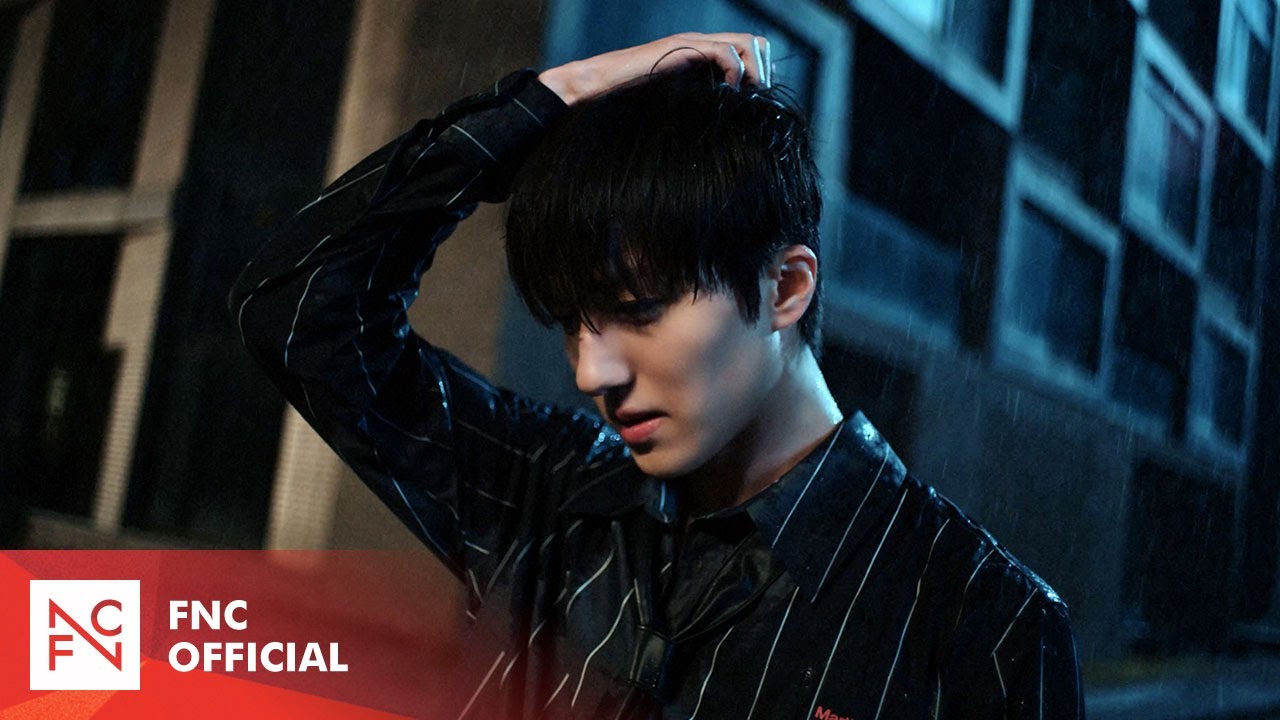
Chani does not need the loudest line to change a scene. His lower tone and contained screen presence create tension around the bigger vocals. The rain-soaked close-up used for this page works because he looks caught between thought and impact, not because somebody poured water on a handsome man.
His movement has the same economy. Small head direction, shoulder placement and timing choices read clearly inside a seven-person formation. SF9’s visual reputation can reduce members to proportions and suits; Chani keeps reminding the camera that stillness is also performance.
Seven men are not a clerical error
Sequence was SF9’s first release after Rowoon’s departure, with FNC stating the group would continue as eight. Jaeyoon was enlisted, so seven members recorded and promoted “BIBORA.” Youngbin and Inseong had returned from their own service. That is the actual lineup story of this file.
I am spelling it out because group pages often turn changing membership into mush. Calling every era “SF9” is correct at the brand level and useless at the video level. The exact performers deserve exact credit, while absent members deserve not to be falsely pictured or tagged.
The MV turns memory into bad physics
Rain enters rooms. Objects float, tip or suspend in space. Architecture behaves as if the breakup changed gravity. Directors Lee Hayoung and Lee Minjun do not build a literal plot around one lost lover; they make each environment respond to the emotional contradiction.
That approach suits the title’s duality. The men want the storm to stop and want to return to the moment that created it. Rooms cannot settle because memory keeps replaying the same sequence with different emotional weather.
The choreography keeps the suits honest
SF9 know how to wear tailoring, lean near expensive furniture and make restraint look indecent. “BIBORA” could have coasted on that reputation. The choreography earns more. Formation changes preserve long lines, then break them with sharper torso and arm accents when the beat turns restless.
The strongest group moments look like people trying to maintain composure in shared weather. Nobody performs a literal umbrella routine, thank God. Rain appears through rhythm, downward pressure and bodies resisting the impulse to fold.
Where the storm becomes too tasteful
Every frame is gorgeous, and that becomes a small problem. The breakup floods rooms, throws objects and ruins sleep, yet hair, skin and tailoring remain campaign-ready. One scene with genuine visual ugliness could have made the polished control feel more desperate.
The chorus also relies on repetition before the arrangement has fully changed the stakes. I wanted the final section to lose some of its clean house geometry: strip the kick, distort the strings or let the vocals overlap until the storm becomes difficult to contain. SF9 sell the turmoil, but the production never risks getting wet.
What changed every time I replayed it
First pass, the rain, floating objects and Yoo Taeyang’s lines owned my attention. Second pass, Inseong’s return changed the vocal architecture. Third pass, I followed the three credited member lyricists and heard how rap interrupts rather than decorates the emotional flow.
On headphones, the strings became less cinematic wallpaper and more pressure against the beat. My final replay focused on Chani’s restraint. The page image caught the right idea: “BIBORA” is not a man screaming into a storm. It is a man standing still while the room admits the storm already got inside.
Exact-file and image trail
This React covers exact official MV Gft8YBmNsjA. Dance practices, music-show stages and album audio remain separate evidence. The featured image, hero, landing-page card and social image use the same unique local frame of Chani in the rain, stored in WordPress with descriptive metadata and the official source URL.