
RaeRae Reviews · Volume 8 · Complete owned-Kindle read
The “side-story volume” understood the whole damn series.
No Dungeon expedition. Barely a war. Somehow the book finds the emotional architecture underneath every Familia banner.
Loves, teeth and the honest verdict
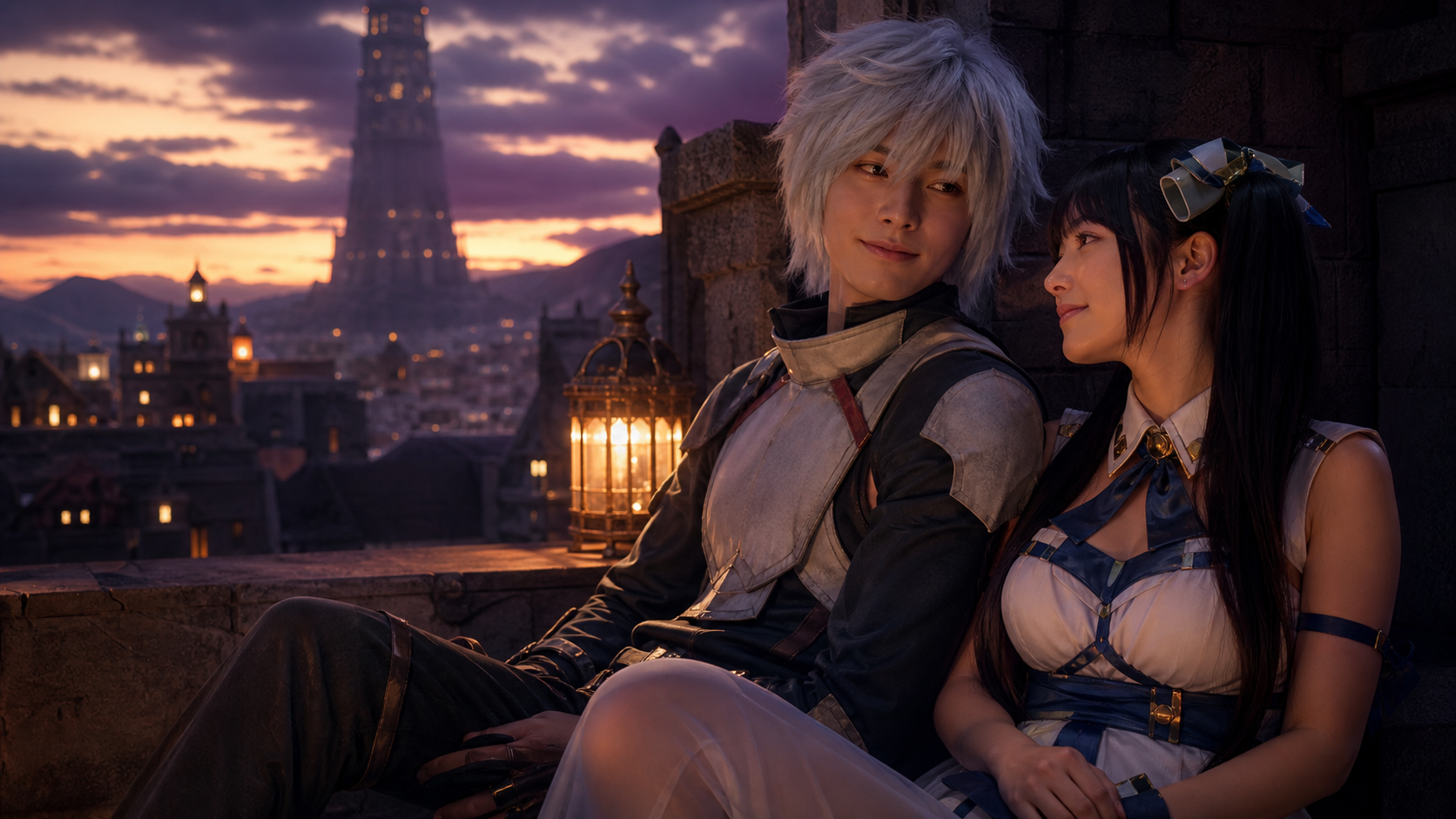
Everybody gets to choose what family means—except Ares, who chooses badly.
What works
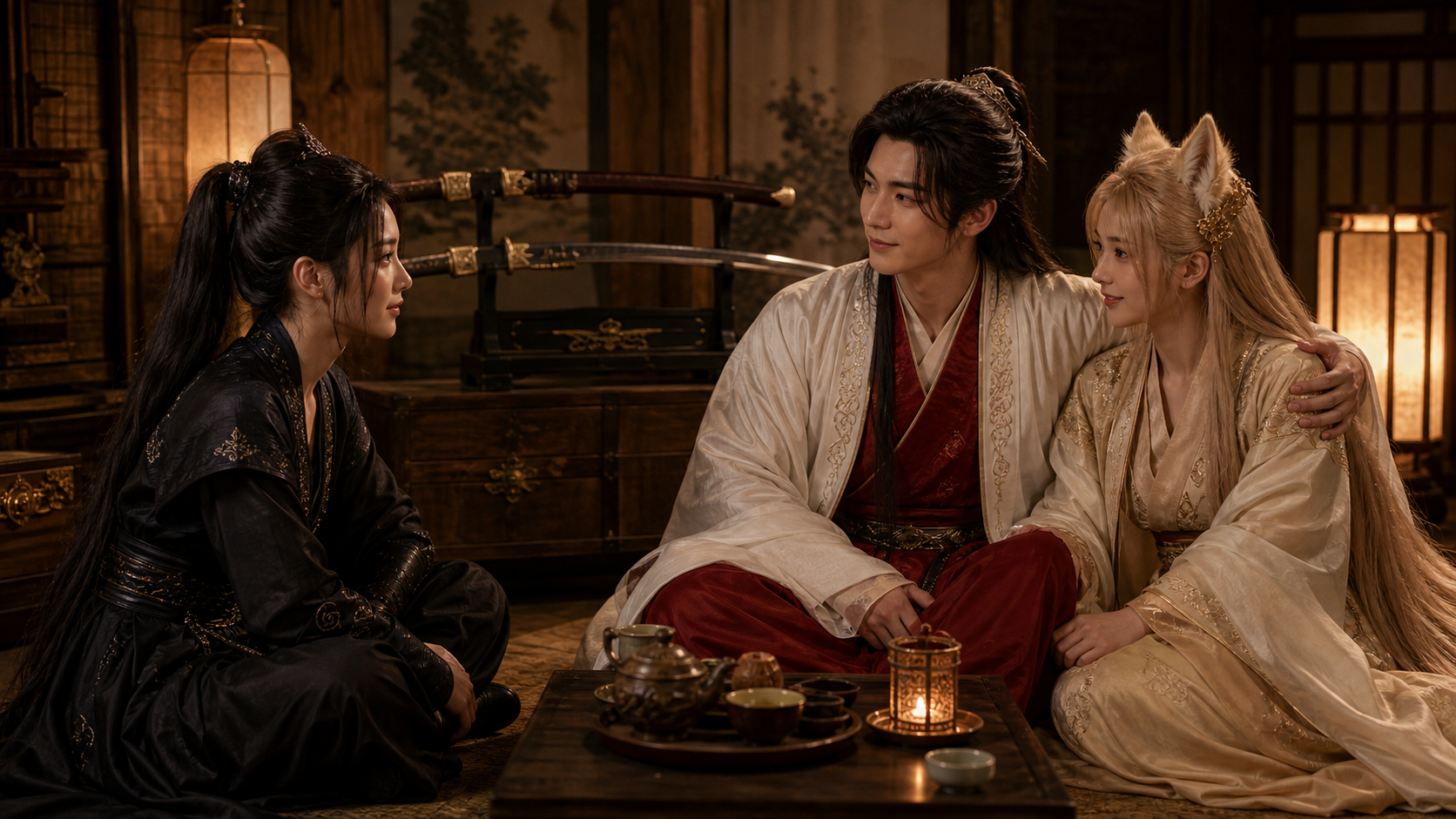
The anthology chapters are not detachable
Each file changes the answer before Hestia and Bell finally discuss divine love.
The long verdict
Calling this filler is a confession that you only count feelings when a monster is bleeding.
Volume 8 is the book people dismiss with “side stories” because the Dungeon is barely present. That description is technically accurate and spiritually useless. The series spent seven volumes building a city out of alliances, debts, crushes, gods and adopted families. This is where those relationships stop waiting politely between boss fights.
Mikoto’s chapter is the perfect opener because Conversion looks mechanical until it hits a family. Takemikazuchi’s jealousy is funny, but Mikoto’s anxiety is not. She needs to know that choosing Hestia Familia did not erase the god who raised her. The answer is messy and affectionate: addition without mandatory replacement.
Lilly and Welf get sharper stories. Finn’s political goal matters; Lilly’s refusal matters more because it is her life. Welf refuses Rakia, family pressure and the shortcut of asking Hephaistos to accept a promise he has not forged. That man makes emotional repression look like a production schedule, and somehow it works.
Eina’s chapter is broad comedy with a bruise underneath. The Guild adviser loses control of the genre, yet the point is that competence does not immunize her against longing. Syr’s orphanage chapter does more work. It reveals daily responsibility beyond the tavern and Bell. Children call her home. That permanently changes every easy smile she serves across a table.
Then Ares arrives carrying the subtlety of a dropped wardrobe. Rakia is the weakest material because its god is broader than Marius, Welf or the relationships he interrupts. Still, the chase works. Asfi gets to be spectacular, Aiz becomes a mountain-cutting answer and Bell follows Hestia over the cliff before fear can submit paperwork.
Edas Village makes the book essential. The Dragon scale protects a community while embodying Aiz’s trauma. The festival lets Hestia be petty and lovable before Kam’s final scene removes every defense. His relationship with Brigit ended decades ago for her and never ended for him. Hestia cannot fix the asymmetry. She can deliver the truth: Brigit loved him, and the ending did not make the love a mistake.
That answer transforms Hestia. Her promise to Bell is no longer jealous comedy. She understands that he will age, die and return without remembering her. She chooses the grief anyway. This is her strongest writing in the series so far because immortality finally costs her something on the page.
The anthology structure is the argument. Every chapter asks who defines a relationship: crest, race, bloodline, workplace, kingdom, god or the people living inside it. By the time the Dungeon gives birth to an unknown woman, the reader has spent a whole book learning not to trust inherited labels.
My verdict is simple. The Rakia comedy runs too broad, and readers desperate for floors and level-ups will get impatient. Let them. Volume 8 gives Mikoto a father, Lilly a refusal, Welf a standard, Syr a home, Hestia an adult understanding of forever and the series a new definition of birth. That is architecture.
What devastates
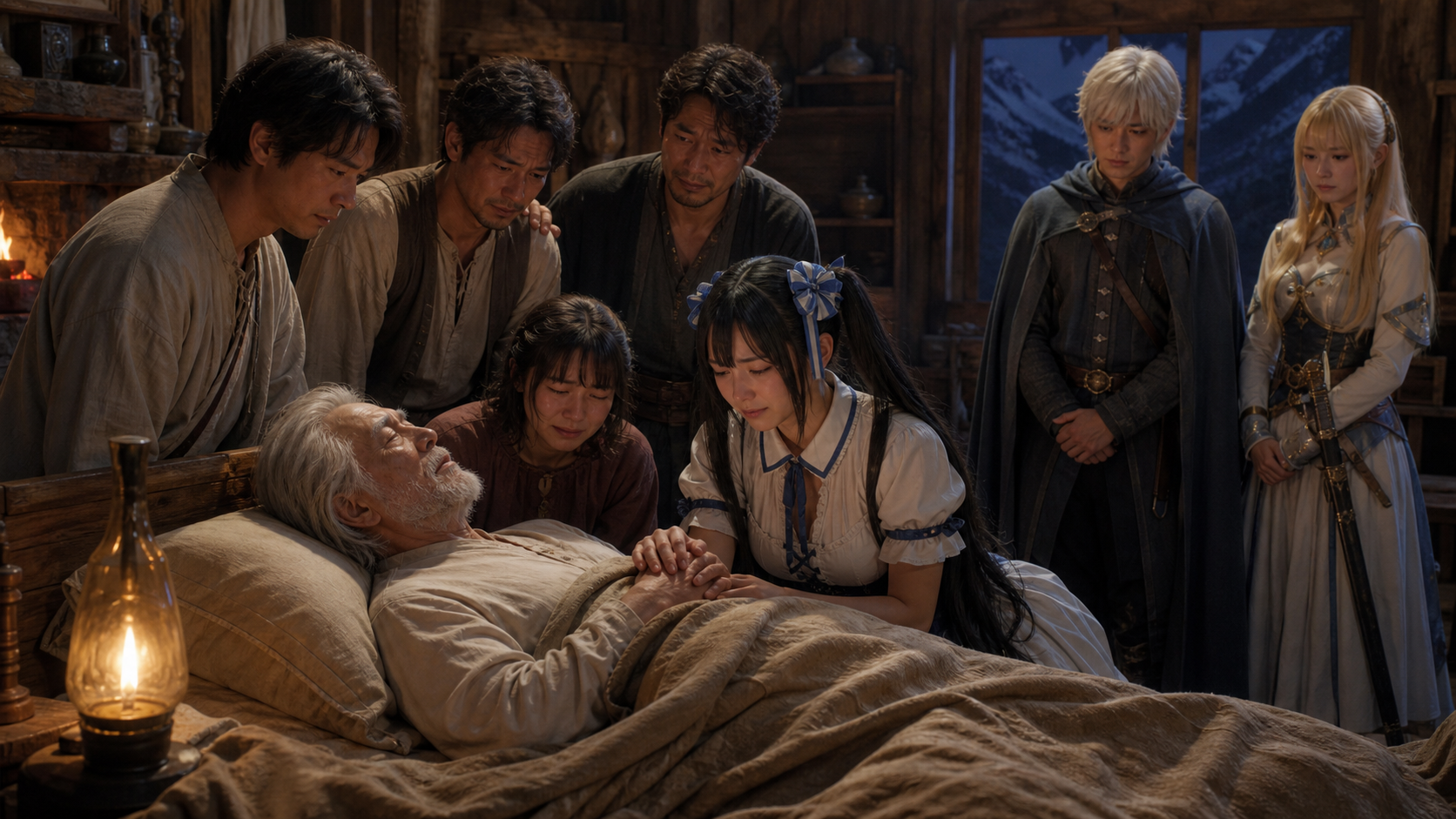
Kam and Brigit earn the thesis
The book does not deny the eternal grief. It decides one lifetime of love is still worth it.
The long verdict
Calling this filler is a confession that you only count feelings when a monster is bleeding.
Volume 8 is the book people dismiss with “side stories” because the Dungeon is barely present. That description is technically accurate and spiritually useless. The series spent seven volumes building a city out of alliances, debts, crushes, gods and adopted families. This is where those relationships stop waiting politely between boss fights.
Mikoto’s chapter is the perfect opener because Conversion looks mechanical until it hits a family. Takemikazuchi’s jealousy is funny, but Mikoto’s anxiety is not. She needs to know that choosing Hestia Familia did not erase the god who raised her. The answer is messy and affectionate: addition without mandatory replacement.
Lilly and Welf get sharper stories. Finn’s political goal matters; Lilly’s refusal matters more because it is her life. Welf refuses Rakia, family pressure and the shortcut of asking Hephaistos to accept a promise he has not forged. That man makes emotional repression look like a production schedule, and somehow it works.
Eina’s chapter is broad comedy with a bruise underneath. The Guild adviser loses control of the genre, yet the point is that competence does not immunize her against longing. Syr’s orphanage chapter does more work. It reveals daily responsibility beyond the tavern and Bell. Children call her home. That permanently changes every easy smile she serves across a table.
Then Ares arrives carrying the subtlety of a dropped wardrobe. Rakia is the weakest material because its god is broader than Marius, Welf or the relationships he interrupts. Still, the chase works. Asfi gets to be spectacular, Aiz becomes a mountain-cutting answer and Bell follows Hestia over the cliff before fear can submit paperwork.
Edas Village makes the book essential. The Dragon scale protects a community while embodying Aiz’s trauma. The festival lets Hestia be petty and lovable before Kam’s final scene removes every defense. His relationship with Brigit ended decades ago for her and never ended for him. Hestia cannot fix the asymmetry. She can deliver the truth: Brigit loved him, and the ending did not make the love a mistake.
That answer transforms Hestia. Her promise to Bell is no longer jealous comedy. She understands that he will age, die and return without remembering her. She chooses the grief anyway. This is her strongest writing in the series so far because immortality finally costs her something on the page.
The anthology structure is the argument. Every chapter asks who defines a relationship: crest, race, bloodline, workplace, kingdom, god or the people living inside it. By the time the Dungeon gives birth to an unknown woman, the reader has spent a whole book learning not to trust inherited labels.
My verdict is simple. The Rakia comedy runs too broad, and readers desperate for floors and level-ups will get impatient. Let them. Volume 8 gives Mikoto a father, Lilly a refusal, Welf a standard, Syr a home, Hestia an adult understanding of forever and the series a new definition of birth. That is architecture.
What bites
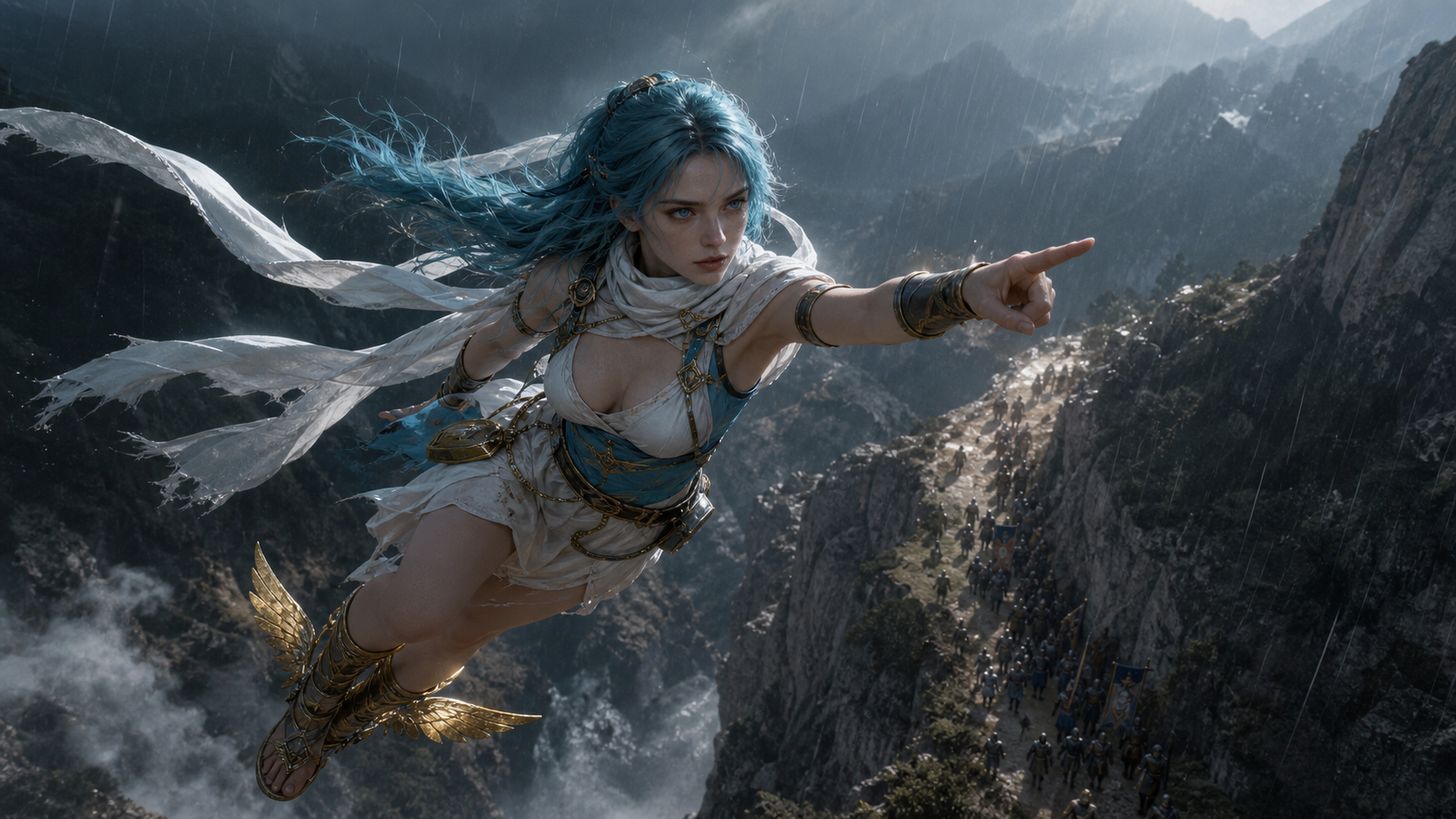
Rakia remains the broadest instrument
Marius is interesting because he is trapped inside a war whose god is written with less nuance than almost everyone else.
The long verdict
Calling this filler is a confession that you only count feelings when a monster is bleeding.
Volume 8 is the book people dismiss with “side stories” because the Dungeon is barely present. That description is technically accurate and spiritually useless. The series spent seven volumes building a city out of alliances, debts, crushes, gods and adopted families. This is where those relationships stop waiting politely between boss fights.
Mikoto’s chapter is the perfect opener because Conversion looks mechanical until it hits a family. Takemikazuchi’s jealousy is funny, but Mikoto’s anxiety is not. She needs to know that choosing Hestia Familia did not erase the god who raised her. The answer is messy and affectionate: addition without mandatory replacement.
Lilly and Welf get sharper stories. Finn’s political goal matters; Lilly’s refusal matters more because it is her life. Welf refuses Rakia, family pressure and the shortcut of asking Hephaistos to accept a promise he has not forged. That man makes emotional repression look like a production schedule, and somehow it works.
Eina’s chapter is broad comedy with a bruise underneath. The Guild adviser loses control of the genre, yet the point is that competence does not immunize her against longing. Syr’s orphanage chapter does more work. It reveals daily responsibility beyond the tavern and Bell. Children call her home. That permanently changes every easy smile she serves across a table.
Then Ares arrives carrying the subtlety of a dropped wardrobe. Rakia is the weakest material because its god is broader than Marius, Welf or the relationships he interrupts. Still, the chase works. Asfi gets to be spectacular, Aiz becomes a mountain-cutting answer and Bell follows Hestia over the cliff before fear can submit paperwork.
Edas Village makes the book essential. The Dragon scale protects a community while embodying Aiz’s trauma. The festival lets Hestia be petty and lovable before Kam’s final scene removes every defense. His relationship with Brigit ended decades ago for her and never ended for him. Hestia cannot fix the asymmetry. She can deliver the truth: Brigit loved him, and the ending did not make the love a mistake.
That answer transforms Hestia. Her promise to Bell is no longer jealous comedy. She understands that he will age, die and return without remembering her. She chooses the grief anyway. This is her strongest writing in the series so far because immortality finally costs her something on the page.
The anthology structure is the argument. Every chapter asks who defines a relationship: crest, race, bloodline, workplace, kingdom, god or the people living inside it. By the time the Dungeon gives birth to an unknown woman, the reader has spent a whole book learning not to trust inherited labels.
My verdict is simple. The Rakia comedy runs too broad, and readers desperate for floors and level-ups will get impatient. Let them. Volume 8 gives Mikoto a father, Lilly a refusal, Welf a standard, Syr a home, Hestia an adult understanding of forever and the series a new definition of birth. That is architecture.
The rating without fake mathematics
Essential character work, a spectacular rescue used as connective tissue rather than an excuse, and the best Hestia material in the series so far. The episodic structure will annoy anyone waiting for the next boss fight. Good. Let them wait.
The long verdict
Calling this filler is a confession that you only count feelings when a monster is bleeding.
Volume 8 is the book people dismiss with “side stories” because the Dungeon is barely present. That description is technically accurate and spiritually useless. The series spent seven volumes building a city out of alliances, debts, crushes, gods and adopted families. This is where those relationships stop waiting politely between boss fights.
Mikoto’s chapter is the perfect opener because Conversion looks mechanical until it hits a family. Takemikazuchi’s jealousy is funny, but Mikoto’s anxiety is not. She needs to know that choosing Hestia Familia did not erase the god who raised her. The answer is messy and affectionate: addition without mandatory replacement.
Lilly and Welf get sharper stories. Finn’s political goal matters; Lilly’s refusal matters more because it is her life. Welf refuses Rakia, family pressure and the shortcut of asking Hephaistos to accept a promise he has not forged. That man makes emotional repression look like a production schedule, and somehow it works.
Eina’s chapter is broad comedy with a bruise underneath. The Guild adviser loses control of the genre, yet the point is that competence does not immunize her against longing. Syr’s orphanage chapter does more work. It reveals daily responsibility beyond the tavern and Bell. Children call her home. That permanently changes every easy smile she serves across a table.
Then Ares arrives carrying the subtlety of a dropped wardrobe. Rakia is the weakest material because its god is broader than Marius, Welf or the relationships he interrupts. Still, the chase works. Asfi gets to be spectacular, Aiz becomes a mountain-cutting answer and Bell follows Hestia over the cliff before fear can submit paperwork.
Edas Village makes the book essential. The Dragon scale protects a community while embodying Aiz’s trauma. The festival lets Hestia be petty and lovable before Kam’s final scene removes every defense. His relationship with Brigit ended decades ago for her and never ended for him. Hestia cannot fix the asymmetry. She can deliver the truth: Brigit loved him, and the ending did not make the love a mistake.
That answer transforms Hestia. Her promise to Bell is no longer jealous comedy. She understands that he will age, die and return without remembering her. She chooses the grief anyway. This is her strongest writing in the series so far because immortality finally costs her something on the page.
The anthology structure is the argument. Every chapter asks who defines a relationship: crest, race, bloodline, workplace, kingdom, god or the people living inside it. By the time the Dungeon gives birth to an unknown woman, the reader has spent a whole book learning not to trust inherited labels.
My verdict is simple. The Rakia comedy runs too broad, and readers desperate for floors and level-ups will get impatient. Let them. Volume 8 gives Mikoto a father, Lilly a refusal, Welf a standard, Syr a home, Hestia an adult understanding of forever and the series a new definition of birth. That is architecture.