
EPISODE 54 · DISNEY+ SEASON 2, EPISODE 15 · HECKLER · RAE RAE REACTS
Lilo & Stitch: The Series Episode 54: Heckler
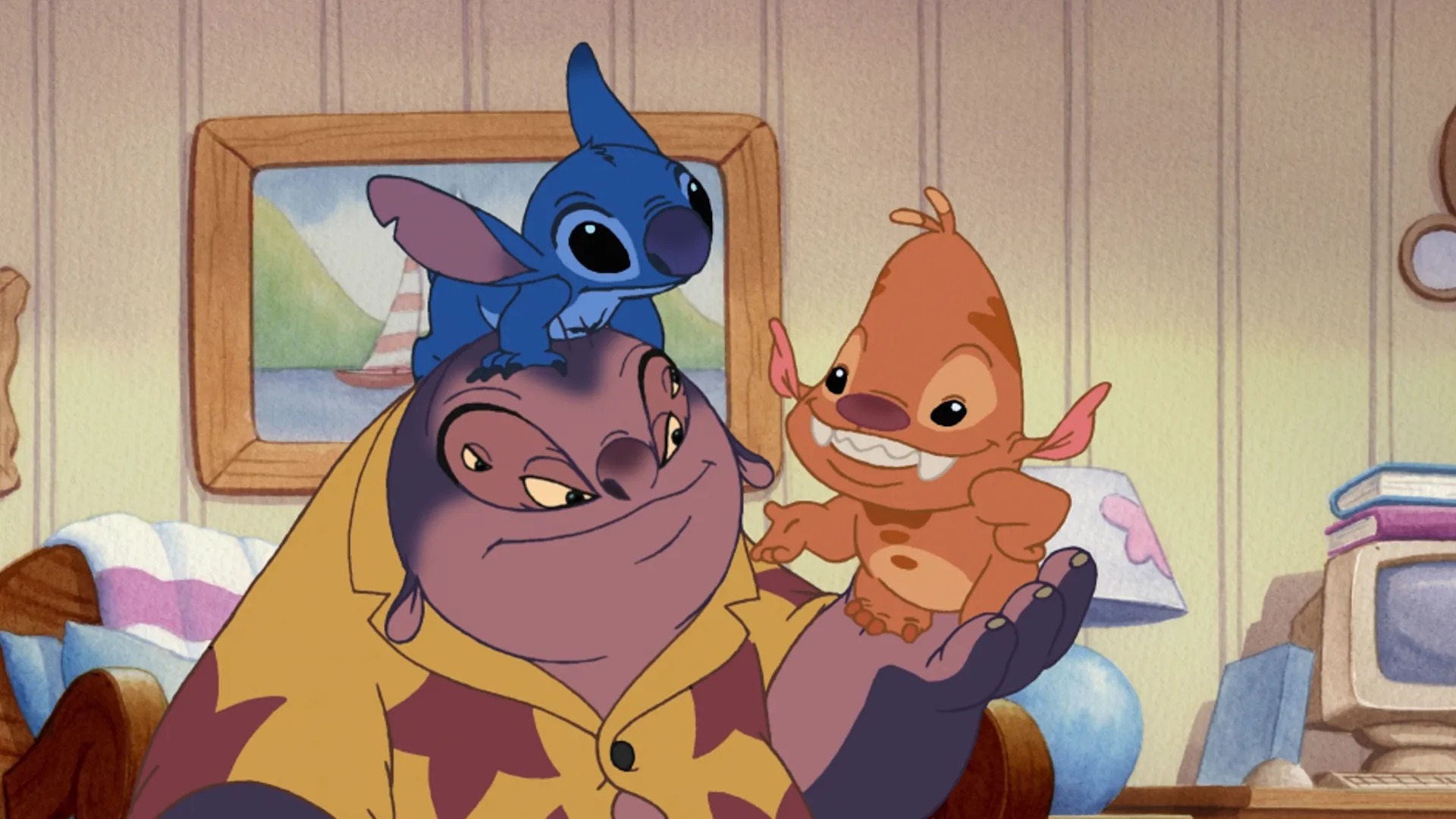
Nani needs entertainment for a charity dinner, Pleakley tries stand-up, and Experiment 322 turns every insecurity into public material. Lilo loves the insults until Heckler aims them at her own family.
Nani’s charity event begins with real pressure and limited resources
Nani is organizing a dinner meant to help other people while juggling a household that rarely gives her uninterrupted time. Pleakley volunteers entertainment because he wants to contribute, but good intentions do not create a tested stand-up set or protect a fundraiser from becoming an experiment emergency.
The family needs rehearsal, a backup act, clear timing, and permission for Nani to say no. Charity does not require accepting every offer of help when the event and Nani’s reputation carry the risk.
Pleakley wants the stage before he understands the room
Pleakley approaches stand-up as another human role he can learn by imitation. He sees the microphone, applause, and confidence but misses the relationship between comedian and audience. A routine needs point of view, rhythm, material, and awareness of who may be harmed by the joke.
His failure is not proof that he should never perform. It means he needs practice in a safe room, honest feedback, and material drawn from experiences he can share without exposing the family’s secrets.
Heckler finds vulnerabilities and turns them into public ammunition
Experiment 322 does more than say random rude things. He identifies a target’s insecurity and delivers the insult where other people can reward it. Precision makes the joke feel clever while the target absorbs humiliation that follows them after the crowd moves on.
That ability is socially dangerous because applause can disguise cruelty as talent. A true observation is not automatically ethical material, and accuracy does not create consent.
Lilo recognizes Heckler’s usefulness before recognizing his harm
Lilo has endured Mertle’s ridicule for years, so an experiment who can answer back feels like justice. She laughs when Heckler insults Mertle because the cruelty appears to reverse direction. The power imbalance matters, but revenge still teaches Heckler that belonging comes through targeted humiliation.
Lilo deserves protection from Mertle and an adult response to bullying. Outsourcing retaliation to Experiment 322 risks escalation and gives Mertle another injury without changing the system that enabled her behavior.
Using Heckler on Mertle is retaliation, not boundary setting
A boundary states what Lilo will do when Mertle insults her: leave, seek an adult, document the incident, or refuse contact. Heckler instead attacks Mertle’s appearance and insecurity for an audience. It may feel satisfying because the show has withheld accountability for so long.
The repair is not demanding that Lilo become endlessly gracious. She can remain angry while admitting she chose a weapon designed to wound. Adults must finally share responsibility for stopping the repeated bullying.
The family laughs until Heckler aims at them
Lilo and Stitch enjoy the experiment while his targets are outsiders. The mood changes when he insults their house, Nani, Jumba, and Pleakley. That reversal exposes how easily people call cruelty harmless when they are protected from it.
Empathy should not require personal injury, but the moment can still teach. The family needs to name the earlier harm instead of saying Heckler crossed a line only when he reached their door.
Nani should not have to absorb another crisis at her own event
Heckler attacks Nani while she is working to keep a charity dinner functioning. She already carries the emotional and financial consequences of the household’s alien activity. A cutting joke in front of guests can damage authority and confidence even if everyone later learns an experiment said it.
The family owes Nani immediate removal of the hazard, a private apology, and practical help with the event. Her resilience cannot become permission to keep adding emergencies.
Pleakley’s bad set does not authorize audience abuse
An audience may dislike a performance, remain quiet, or leave. Providing rotten tomatoes and encouraging people to throw them creates physical risk and turns feedback into group punishment. A weak routine is not consent to assault or humiliation.
Lilo and Heckler confuse spectacle with improvement. Pleakley needs useful notes, not projectiles. The charity guests also deserve an event where they are not recruited into cruelty.
“Words only hurt if you let them” is an incomplete lesson
People can build coping skills, reject an insult, and choose whose opinion matters. None of that makes the speaker harmless. Words can shape reputation, belonging, employment, safety, and a child’s understanding of herself. Hurt is not always a voluntary reaction.
Telling targets they control all impact can move responsibility away from the person causing harm. A better lesson joins resilience with accountability: Heckler must change his conduct, and listeners deserve support without being blamed for having a nervous system.
Resilience should never become a free pass for the aggressor
Pleakley may learn that one hostile voice does not define him. That is valuable. Heckler still needs limits because confidence cannot stop every consequence of public harassment. The strongest target in the room is not a renewable resource for someone else’s cruelty.
The family should practice response options: pause, name the behavior, leave the exchange, ask for help, and correct false claims. None requires pretending the insult felt good.
Comedy needs consent, context, and a target with room to answer
Roasting can be affectionate when participants agree to the format and share power. Heckling can also be part of some performances when the comedian controls the room and removal is available. Experiment 322 ignores those conditions and attacks whoever is nearby.
A funny line does not erase the method. Ethical comedy asks who volunteered, who profits, who is trapped, and whether the joke challenges power or merely spots a tender place.
Heckler is rewarded by laughter before anyone teaches another language
Experiment 322 receives attention every time he insults someone. The family then expects him to stop using the only behavior that reliably produces engagement. Rehabilitation requires a replacement, not an empty command to be nice.
He could practice observational humor about systems, objects, or consenting performers. Positive attention for curiosity and ordinary interaction would show him that he remains welcome when nobody is bleeding emotionally.
Jumba created a social weapon and left no response plan
Heckler was engineered to identify weakness and provoke distress, yet Jumba offers no prepared containment, de-escalation, or rehabilitation protocol. The family discovers the consequences in public while children make decisions about deployment.
Jumba’s file should include range, triggers, whether Heckler can control the impulse, and how repeated exposure affects targets. Scientific responsibility continues after creation.
The charity guests deserve disclosure and repair
Anyone publicly insulted or struck by thrown food needs an explanation, cleanup, and apology. The charity should preserve donations, protect beneficiaries from scandal, and correct any rumor that Nani planned the spectacle.
Repair may include refunds, medical care for injuries, and a rescheduled program. Concealing the alien cause might protect the secret, but the family can still acknowledge that an uncontrolled performer created harm.
Mertle’s earlier bullying must remain part of the conversation
Correcting Lilo cannot become another episode where adults examine her retaliation and ignore what preceded it. Mertle has repeatedly isolated, mocked, and provoked her. The community’s failure to intervene creates the appetite for a creature who finally bites back with words.
Both truths can remain visible: Lilo misused Heckler, and Mertle’s pattern needs consequences. Accountability is not a contest where only one child can be harmed.
A comedy-club placement requires more than calling insults a job
Heckler may belong in a venue that welcomes roasts or crowd work, but every participant must understand his ability and consent. Staff need a stop signal, age limits, prohibited targets, and immediate removal when he ignores a boundary.
The club must value him beyond profit. If his housing depends on keeping audiences cruelly entertained, the placement recreates Jumba’s programming with a cover charge.
Pleakley deserves feedback that separates courage from quality
Taking the stage is brave, and the routine may still be poor. Friends can honor the risk while giving specific notes about pacing, setup, clarity, and material. Empty praise leaves him unprepared, while public humiliation teaches only fear.
He should decide whether comedy is something he wants to study after the event. One failed set is information, not a final identity.
Chronic bullying changes why revenge feels like relief
Lilo does not meet Mertle on equal social ground. Mertle has friends, repetition, and community tolerance on her side. Lilo has been expected to absorb insults, defend her credibility, and keep returning to the same spaces without meaningful adult protection. Heckler offers immediate power where the normal system has offered patience without safety.
That history matters because a lecture about kindness can become another demand that the targeted child manage everybody’s comfort. Lilo needs adults to name Mertle’s pattern, establish consequences, supervise contact, and create a reporting path that does not treat every incident as ordinary bickering.
Revenge still fails as protection. Heckler may produce one satisfying moment, but he cannot build trust, change school norms, or guarantee that Mertle will stop. He can also reveal vulnerabilities that escalate the rivalry and follow Mertle into other relationships. Pain distributed more evenly remains pain.
A humane correction gives Lilo both accountability and support. She can apologize for deploying Experiment 322 while adults finally apologize for leaving her alone with the problem. Those statements strengthen each other because responsibility is not limited to the last person who acted.
Criticism describes the work while humiliation attacks the person
Pleakley’s routine can be evaluated without turning his body, voice, intelligence, or belonging into the punch line. Useful criticism identifies which setup was confusing, where timing broke, what reference failed, and how the audience responded. It leaves the performer with an action he can try.
Heckler’s method searches for the tenderest trait and makes exposure the entertainment. The crowd may learn nothing about why the routine failed because laughter has moved from the joke to the person attempting it. That shift rewards avoidance rather than craft.
Nani needs the same distinction when evaluating volunteers. She can say the act is unready for a fundraiser without saying Pleakley is embarrassing, useless, or incapable of learning. Clear standards are kinder than false reassurance followed by public collapse.
The episode could model a feedback circle after the event: one strength, one specific problem, one next experiment, and the performer’s right to decide whether to continue. Heckler can observe only if he agrees that a vulnerability is not automatically material.
The audience participates in the harm when applause becomes permission
Heckler succeeds because people laugh, repeat the line, and treat the target’s discomfort as proof that the joke worked. The audience is not passive scenery. Collective approval turns one insult into a social verdict and teaches Experiment 322 which injuries produce the largest reward.
Guests can interrupt that loop by withholding laughter, checking on the target, and telling organizers when material crosses an agreed boundary. A charity audience should never be handed rotten food and encouraged to punish a volunteer performer. The event’s values must remain visible when entertainment fails.
Bystanders also need room to admit they laughed before recognizing the damage. Shame may make them defensive, while accountability asks them to change the next response. The target should not have to perform forgiveness so everyone else can feel repaired.
For Heckler, a silent room can be information rather than rejection if somebody explains it. He needs consistent signals showing that belonging remains available while harmful behavior loses its reward.
A consent-based comedy life needs rules that protect everyone
If Heckler chooses performance, the venue should restrict his material to consenting adult roast participants or fictional stage characters. Each participant needs a private opt-out, prohibited topics, a stop signal, and assurance that refusal will not affect pay or access.
Heckler needs preparation too. A handler cannot simply release him near a microphone and punish him afterward. Rehearsal can redirect his pattern recognition toward hypocrisy, objects, absurd systems, and shared experiences. He may discover that a joke can be sharp without using somebody’s deepest insecurity.
The venue should track complaints, stop repeat targeting, protect audience members from involuntary participation, and provide a quiet place for Heckler when stimulation increases the impulse to attack. Children should not be placed in a roast environment or asked to consent to public humiliation.
Most importantly, his housing and care cannot depend on ticket sales. If Heckler decides comedy is exhausting or no longer enjoyable, he remains family. A career is one possible expression of identity, not the price of rescue.
What I would keep and what I would repair
I would keep the charity setting, Pleakley’s ambition, Lilo’s temptation to weaponize a cousin against Mertle, and the moment laughter turns uncomfortable. The episode has a sharp premise about who gets to call an insult funny.
I would remove the rotten-tomato plan, challenge the victim-blaming moral, require adult action on Mertle’s bullying, and build Heckler a consent-based path into comedy.
RaeRae’s final verdict
“Heckler” gives Lilo the comeback machine every bullied child has imagined, then waits until Experiment 322 insults the family to admit the joke has teeth. Pleakley’s charity set becomes a laboratory for applause, shame, and all the excuses people make when cruelty gets a laugh.
My verdict: protect the fundraiser, apologize to Mertle without erasing her bullying, give Pleakley real notes, and stop telling targets that hurt is their personal failure. Heckler can learn comedy, but nobody owes him an insecurity to use as material.
Where to watch
Watch “Heckler” through Lilo & Stitch: The Series on Disney+. Disney+ labels it Season 2, Episode 15. CVM Sekai records it as overall Episode 54. Availability can change by region.
Keep exploring
Return to the episode directory or return to the Lilo & Stitch hub.