
EPISODE 19 · SEASON 1 · 627 · RAE RAE REACTS
Lilo & Stitch: The Series Episode 19: 627
Jumba builds someone stronger than Stitch and calls the invention progress, while both experiments inherit a rivalry neither one consented to carry.
Jumba builds a replacement and calls the wound an upgrade
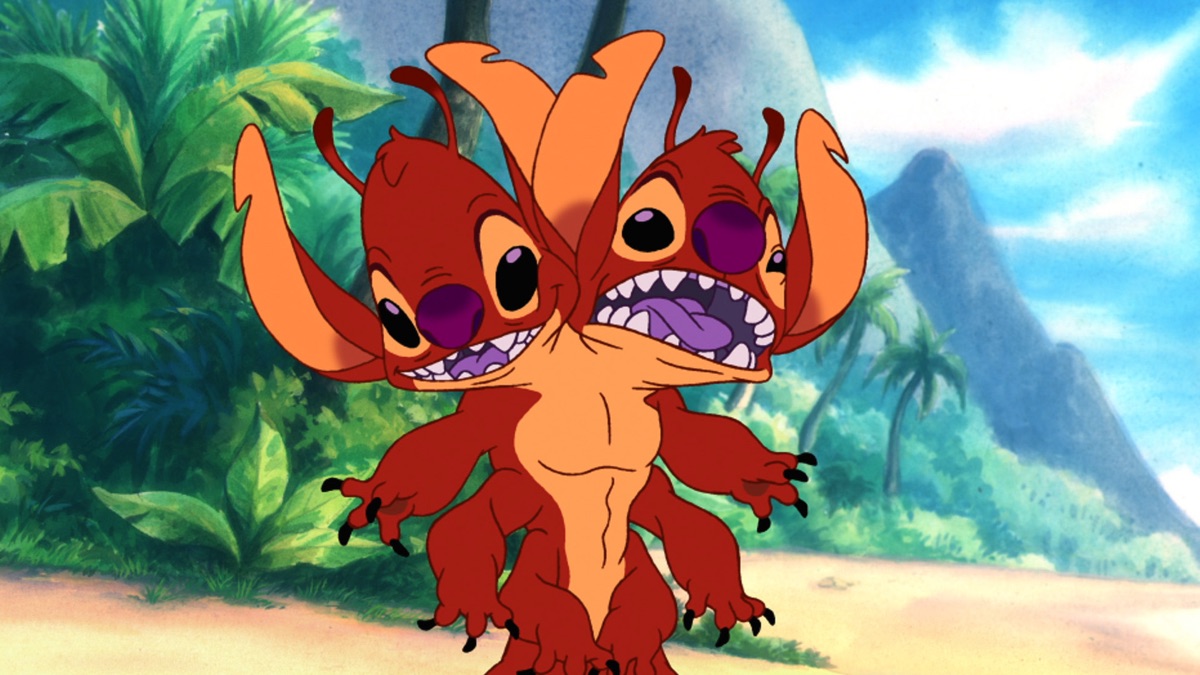
“627” introduces a new experiment designed to outperform Stitch across the abilities that once made him exceptional. Strength, speed, intelligence, resilience, and extra powers become specifications in a comparison chart. Jumba treats improvement as a technical challenge. Stitch experiences the project as a threat to his place in the family.
The episode understands a brutal fear: if love began after usefulness, somebody more useful may take the love away. Lilo has spent the series teaching Stitch that family is not a ranking. Jumba walks into the house with a living counterargument built in a laboratory.
RaeRae check-in: why are we still letting Jumba make surprise people
Jumba created 627 after witnessing hundreds of experiments require rescue, placement, and protection. Instead of finishing the safety files, he returned to the laboratory and built a stronger being. No family discussion. No consent. No plan for the new person beyond proving the inventor could exceed Stitch.
This is not harmless professional curiosity. Creation produces obligation. Experiment 627 arrives with power, isolation, and an identity defined through competition before he takes one breath. Jumba manufactured the sibling rivalry and then acts fascinated by the results.
The number makes replacement feel official
Stitch is Experiment 626. The next number carries the logic of a product line. New model. Improved specifications. Previous version now outdated. Even if Jumba claims affection remains, the numbering system tells Stitch that invention moves forward by surpassing what came before.
People recognize that anxiety in workplaces, families, schools, and industries. A younger employee, new child, improved technology, or different body can trigger the fear that value was conditional all along. The episode gives that fear claws.
Superior design does not create a superior person
Experiment 627 may exceed Stitch physically while lacking the relationships that shaped Stitch’s judgment. Capacity is not character. More strength cannot substitute for empathy, responsibility, humor, or the ability to repair harm. Jumba’s metrics measure what he knows how to engineer.
Lilo’s influence exposes the missing category. Stitch matters because of choices made after design. A specification sheet cannot predict who stays beside a grieving child, apologizes after destruction, or learns to protect a home.
Stitch’s jealousy is a survival response
Jealousy looks petty when observers assume belonging is secure. Stitch remembers cages, pursuit, rejection, and being valued as a scientific achievement. 627 activates evidence from his old life. He has reason to suspect Jumba’s admiration may follow power.
The feeling deserves reassurance without permission to harm the new experiment. Stitch can be afraid and responsible simultaneously. Lilo’s task is to protect the bond while refusing to let fear decide 627’s worth.
Lilo refuses the product comparison
Lilo does not love Stitch because he wins every physical contest. She loves a specific person with shared jokes, mistakes, routines, and history. 627 cannot replace that relationship by performing better. Human attachment is not a leaderboard.
Her certainty offers Stitch safety, but she should also extend personhood toward 627. Refusing replacement logic means neither experiment becomes a product. The new cousin deserves more than serving as proof of Stitch’s uniqueness.
Experiment 627 begins life under impossible expectations
Jumba expects superiority. Stitch expects threat. Gantu expects weapon value. Lilo expects a person beneath design. Every gaze assigns a role before 627 can discover preference. That pressure may make antagonism the easiest identity available.
A being created to win will struggle to understand rest, cooperation, or failure. If affection arrives only after dominance, conflict becomes rational. 627 needs somebody to value moments that produce no victory.
Jumba confuses novelty with progress
Newer technology can solve old problems. Newer can also repeat old ethics with higher output. Experiment 627 may be technically advanced while representing moral regression. Jumba returns to creation as conquest instead of relationship.
Progress would mean safer procedures, consent, support, and accountability for existing experiments. Building stronger destruction because invention feels exciting is escalation wearing a lab coat.
The episode attacks gifted-child logic
Children praised mainly for intelligence or talent often fear love will disappear when someone performs better. Every comparison turns achievement into survival. Stitch’s crisis resembles that pressure, even though his gifts involve superstrength and spacecraft destruction.
Lilo’s family offers a healthier measure. Contribution matters, but membership does not depend on being the strongest. A child should be allowed to fail, age, change interests, and remain loved. Stitch needs that promise stated clearly.
Gantu sees the perfect employee because 627 was built without boundaries
A powerful experiment designed to dominate appears ideal to Hämsterviel. Gantu can offer missions, targets, and approval tied to victory. That structure exploits the identity Jumba installed. 627 receives purpose without care.
Gantu may feel validated by controlling a being stronger than Stitch. The partnership mirrors his own dependence on hierarchical worth. Both characters are told value comes from defeating somebody else.
Hämsterviel benefits from manufactured rivalry
Powerful employers keep workers divided because comparison prevents solidarity. Stitch and 627 could recognize shared exploitation. Instead, the superior-versus-obsolete story turns them against one another. Hämsterviel gains a weapon while Jumba’s ego supplies the emotional programming.
Lilo’s family model threatens that system. Cousins do not have to compete for one available place. Cooperation would expose how artificial the scarcity was from the beginning.
Nani should be furious about unauthorized creation
Jumba uses household space, resources, and risk while Nani carries legal responsibility for Lilo. Creating another dangerous experiment inside that environment without consent is a profound violation. Scientific freedom does not outrank housing safety.
Nani deserves veto power, disclosure, and financial protection. Family membership cannot function as permanent authorization for Jumba to continue hazardous work. Redemption needs boundaries strong enough to survive his enthusiasm.
Strength without relationship becomes lonely
627 can win fights and still lack anyone who knows what he fears. Superiority may attract admiration, employment, or obedience. None guarantees intimacy. The most powerful person in the room can remain the least secure.
Stitch has something Jumba cannot engineer directly: history with Lilo. That advantage should not become another way to humiliate 627. Relationship can be offered instead of guarded as proof of rank.
What made me laugh
Jumba announcing an improved version of Stitch inside the family home displays breathtaking emotional incompetence. He understands genetics, energy, and weapons while missing the facial expression directly in front of him. Pleakley should revoke laboratory privileges.
The escalating ability comparison also has comic excess. Every time Stitch identifies one advantage, 627 produces another. Jumba designed insecurity with bonus features.
What made me mad
The episode risks treating 627 as inherently bad because design appears more aggressive. That conclusion would betray the franchise’s central claim that experiment purpose does not determine destiny. Stitch received patience. 627 deserves the opportunity, even if safety requires stronger boundaries.
I am also angry for Stitch. Jumba has lived inside the household long enough to know belonging remains tender. Creating a replacement without reassurance shows how slowly adults learn when children absorb the emotional cost.
Evil is not a useful biological category
Labeling 627 evil turns behavior into essence and lets the creator avoid responsibility. Design can increase aggression, impulsivity, or destructive pleasure. Environment, relationship, and choice still shape what follows. Moral language should describe actions without declaring a living being permanently unreachable.
Safety planning can remain strict. Compassion does not require pretending power is harmless. The point is preserving a future where different choices remain possible.
A true place cannot be built around defeating Stitch
As long as 627’s identity depends on comparison, every placement preserves Jumba’s original mistake. He needs interests, routines, and relationships that do not reference Experiment 626. The first question should become “What do you want?” rather than “Can you win?”
A home must include room to fail without losing value. 627 may discover art, strategy, engineering, sport, or quiet companionship. The future should surprise the specification sheet.
Stitch needs an apology, not only reassurance
Telling Stitch that nobody can replace him addresses fear. Jumba also needs to acknowledge the action that created the fear. An apology names the choice, understands the impact, and changes future behavior. Otherwise reassurance becomes cleanup without accountability.
Jumba should stop unauthorized creation and involve the family in safety decisions. Stitch needs evidence that the same wound will not be manufactured again after the next scientific impulse.
627 needs an apology too
Experiment 627 was created as a comparison object and then blamed for performing the role. Jumba owes him recognition as a person, not an upgrade. The family owes him a chance to exist outside the rivalry when safety allows.
An apology cannot erase harm already caused. The apology can mark the first relationship that does not demand victory. That beginning may matter more than another fight.
The Federation needs creation law
A former mad scientist should not be able to manufacture sentient weapons in a residential home without oversight. The Federation needs rules for research approval, personhood at creation, medical care, housing, and lifelong responsibility. Current absence invites repetition.
Lilo and Nani should not become default guardians because Jumba refuses planning. Every new life requires resources before activation. Ethics must begin before the pod closes.
Replacement anxiety changes how Stitch reads affection
Once 627 exists, ordinary praise can sound comparative. Jumba admiring a new ability may feel like criticism of Stitch. Lilo spending time with the newcomer may feel like evidence of displacement. Fear edits neutral moments into warnings because the nervous system expects loss before reassurance arrives.
The family needs consistency rather than one dramatic speech. Keep routines with Stitch. Offer individual time. Name new relationships without ranking them. Security grows through repeated evidence that affection expands instead of transferring to the newest person.
627 may also fear being discarded after one failure
A person created as an upgrade receives worth through superiority. The first defeat threatens the entire reason Jumba gave him for existing. That pressure can produce aggression before anybody sees vulnerability. Winning becomes protection against disposal.
Lilo’s alternative should include value unrelated to performance from the beginning. Food, rest, conversation, and boundaries cannot depend on victory. If 627 learns that failure does not erase care, competition may stop feeling like survival.
Family expansion needs preparation
Bringing a new child, relative, roommate, or experiment into a home changes attention, space, routines, and resources. Existing members may feel guilty for resenting change. New members may feel blamed for disruption they did not choose. Pretending love automatically solves logistics makes everyone lonelier.
Nani should lead a real household conversation. Where will 627 sleep? Who handles safety? What belongs only to Stitch? How does Lilo get protected from rivalry? Practical planning communicates that every person’s needs matter.
Jumba’s pride needs limits stronger than shame
Humiliating Jumba may produce defensiveness without changing behavior. He needs clear consequences: no unsupervised laboratory, no activation without family consent, no access to household resources for new experiments, and mandatory responsibility for every life already created.
Boundaries can coexist with affection. The family does not have to exile him to prove creation was wrong. They have to stop treating lovable incompetence as a reason rules cannot apply. Accountability is how Jumba remains safely inside the family.
Stitch and 627 could eventually become witnesses for each other
Both experiments know what Jumba’s numbering and specifications feel like from inside the body. Stitch understands being called destructive. 627 understands being called superior before being known. Those experiences could create solidarity after the rivalry loses control.
Reconciliation should not arrive quickly or erase harm. A future conversation could begin with one honest recognition: neither one asked to be a product. That shared truth would place responsibility back on the creator and open space for cousinhood chosen on their terms. They may never become close, and family should not force intimacy as proof of healing. Respectful distance can be a successful outcome. The goal is freedom from a manufactured contest, not a matching-photo ending that makes everybody else comfortable. Stitch deserves safety. 627 deserves possibility. Neither one owes Jumba a satisfying resolution to the damage his ambition created inside their new shared family.
The Episode 19 verdict
“627” turns a stronger experiment into a sharp story about replacement anxiety, engineered superiority, gifted-child pressure, and the difference between capacity and character. Stitch’s fear is painful because Jumba creates evidence for the exact insecurity family has been trying to heal.
My verdict is crimson sibling chaos with Jumba’s laboratory privileges suspended. Reassure Stitch. Protect 627 from becoming Hämsterviel’s product. Make Jumba apologize to both. Then build a family where no cousin has to defeat another cousin to deserve a chair at dinner.
The quiet aftermath I wanted
After the confrontation, I wanted Stitch and 627 in separate safe spaces with no audience demanding reconciliation. Lilo could visit each and repeat the same truth: nobody is a replacement. Jumba could listen without comparing abilities.
Later, 627 might choose one activity unrelated to combat. Stitch could notice without competing. Nani could lock the laboratory. The family would not be healed in one night, but the ranking system would finally stop running the room.
Where to watch
Watch “627” through Lilo & Stitch: The Series on Disney+. Availability can change by region.
Keep exploring
Return to the episode directory or return to the Lilo & Stitch hub.