
EPISODE 11 · SEASON 1 · SPLODYHEAD · RAE RAE REACTS
Lilo & Stitch: The Series Episode 11: Splodyhead
A frightened experiment can fire plasma from his head, and somehow the adults still think Lilo should stand closest.
The joke name hides a terrifying design
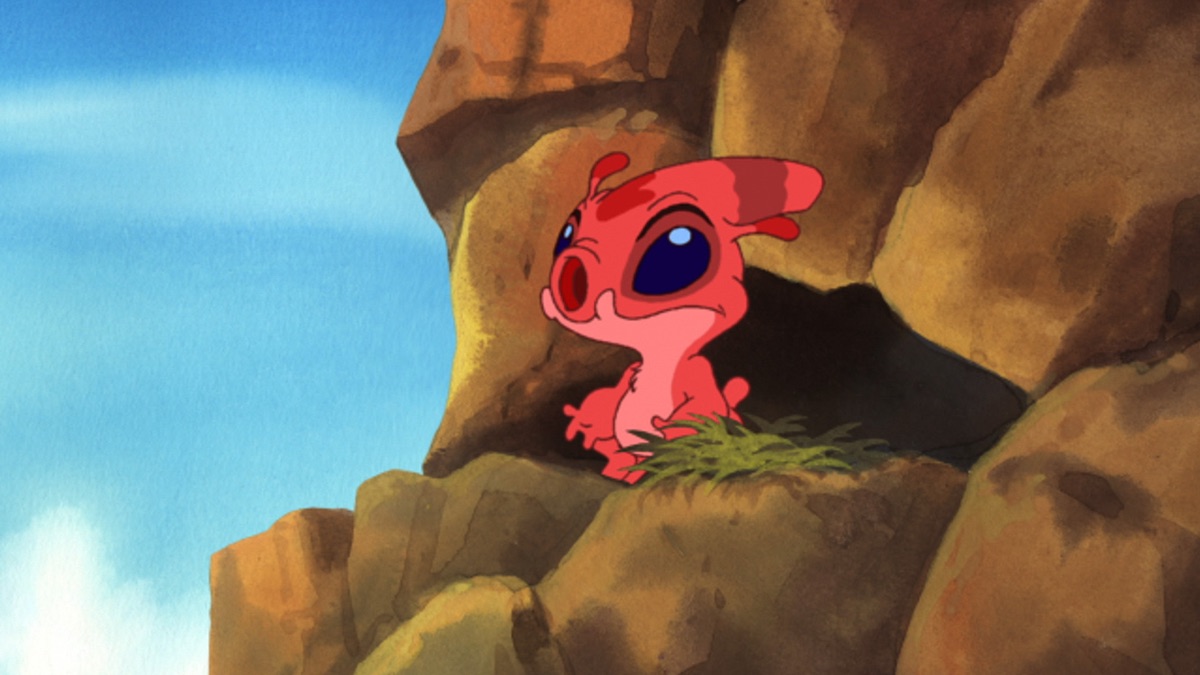
“Splodyhead” gives Experiment 619 a name funny enough to lower the room’s guard. Then the experiment fires energy from his head with enough force to turn fear into property damage. The contrast is classic Lilo & Stitch: a cute body, a ridiculous nickname, and a power no responsible agency would allow near civilians without a plan.
The episode becomes interesting when Splodyhead looks frightened by his own capacity. A weapon that enjoys destruction creates one kind of problem. A person whose body can discharge danger under stress creates another. Lilo has to protect the island without teaching him that safety requires self-hatred.
RaeRae check-in: the Federation lost a living cannon near somebody’s house
Jumba built Experiment 619. Galactic authorities transported him. The pods scattered. A grieving child now stands closest to the blast because she has the best relationship skills. That chain of responsibility should end in resignations, repair funds, and several very long hearings.
Instead, Lilo receives another emergency as though alien containment belongs beside homework. Compassion does not make her blast-proof. Jumba should provide protective equipment, power specifications, de-escalation methods, and adults prepared to take the first risk. The family cannot keep surviving through improvisation and calling the survival proof that the system works.
A dangerous body is still a body somebody has to live inside
Splodyhead cannot step away from the source of danger. His power lives with him. Every surprise, mistake, or emotional spike may produce consequences other people can see before they notice his fear. That condition turns self-awareness into constant vigilance.
Stories about dangerous powers often center the frightened public. The person carrying the power becomes a problem to solve. Lilo changes the angle by asking what safety feels like from inside the experiment. Control matters, but control should support a life rather than justify permanent isolation.
Fear makes precision harder
A frightened person loses access to calm planning. Muscles tighten, attention narrows, and the body prepares for immediate survival. Demanding perfect control during panic can increase the panic. Splodyhead needs space, predictable communication, and fewer people aiming weapons at him.
Gantu creates the opposite conditions. Capture pressure turns every movement into a threat. The experiment reacts, the blast confirms Gantu’s assumptions, and escalation becomes self-justifying. Lilo has to interrupt a cycle adults keep feeding.
Lilo speaks to the person before the power
Lilo does not pretend the blast is harmless. She also refuses to make danger the first and only fact about Splodyhead. Her approach begins with recognition: somebody is scared, somebody needs a way to stop, and somebody deserves a future after the immediate crisis.
That sequence matters. People cooperate more easily when they believe survival includes dignity. If containment promises only punishment, resistance becomes rational. Lilo offers a reason to choose control because she can imagine belonging on the other side.
Stitch knows what weapon labels do to a person
Stitch was introduced to the galaxy as a destructive product and a security threat. The labels described real abilities while erasing every possibility beyond those abilities. Lilo gave him language for family before institutions were willing to see change.
Splodyhead’s crisis echoes that history. Stitch can protect Lilo physically and show Experiment 619 that controlled power is possible. His presence says the file is not the ending. Survival can become relationship, responsibility, and choice.
Control cannot mean emotional silence
People with volatile abilities are often taught to suppress every feeling because emotion looks dangerous. Suppression does not create regulation. Suppression hides warning signs until pressure becomes unbearable. Splodyhead needs to recognize fear early and communicate before panic reaches the blast point.
The family should allow emotion while building safe responses around the body. Step away. Signal for help. Use a protected area. Rest afterward. Regulation is a shared practice, not a demand that one frightened creature become perfectly calm for everybody else’s comfort.
The nickname can become affection or humiliation
“Splodyhead” describes the visible power with comic bluntness. A nickname can help a family transform fear into familiarity. A nickname can also trap somebody inside the trait other people find most disruptive. Meaning depends on who uses the name, how the experiment responds, and whether another identity remains possible.
Lilo’s naming tradition works best when the name emerges through relationship. I want Experiment 619 to accept, reject, or reshape the label. Personhood includes the right to have an opinion about what everybody calls you after the emergency.
Gantu turns fear into evidence for force
Gantu sees the blast and concludes harder capture is necessary. He ignores how his approach contributes to the discharge. That pattern mirrors real institutions that provoke panic, document the reaction, and cite the reaction as proof that aggression was justified.
His employment pressure explains the tunnel vision. Hämsterviel measures results through possession. De-escalation looks like delay. Care looks like weakness. Gantu follows the incentives and leaves more damage behind, which makes the entire mission less competent than Lilo’s improvised empathy.
Jumba must stop treating design intent as personality
Jumba can explain why Splodyhead was built, how the blasts work, and what triggers output. Technical knowledge is necessary. Trouble begins when the design file becomes a complete biography. Function does not reveal preference, attachment, humor, or moral choice.
The inventor’s redemption requires learning from Lilo’s evidence. Experiments keep exceeding their specifications. Jumba should update the files to include personhood, consent, and observed needs. Science becomes more accurate when the subject is allowed to speak back.
Nani lives downstream from every blast
A damaged wall, lost vehicle, missed shift, or frightened social worker could destabilize the Pelekai household. Nani carries those consequences without receiving advance information. Keeping her uninformed does not protect her. Secrecy removes preparation and leaves her responsible for repair.
She deserves the experiment catalog, an evacuation plan, insurance paid by the Federation, and authority inside every placement decision. Family responsibility without family power is exploitation. Nani already performs enough unpaid crisis management.
Public safety and disability ethics belong in the same conversation
Splodyhead’s body requires accommodation because stress can create danger. Accommodation cannot ignore neighbors who may be injured. Safety cannot erase the experiment through indefinite confinement. Ethical planning has to hold both obligations without pretending one cancels the other.
That may mean protected spaces, monitoring chosen with consent, specialized training, and community education. The solution will be less visually simple than a cage. The solution will also create a life instead of managing a threat forever.
What made me laugh
The series gives a plasma cannon the emotional presentation of a nervous little cousin, then asks Jumba to explain the situation with professional pride. That mismatch is ridiculous in exactly the right way. Stitch trying to shield everyone with more limbs than strategy also works.
Pleakley remains the only adult whose panic matches the evidence. A glowing head, incoming capture equipment, and an island full of fragile structures should produce screaming. Everybody else has become alarmingly accustomed to catastrophe.
What made me mad
Lilo has to approach a frightened living weapon because the adults failed before the episode began. Her courage is real. The expectation is unacceptable. A child should not become safer to risk because she succeeds repeatedly.
I also wanted Splodyhead’s fear to receive more aftermath. Stopping the blast solves the public emergency. The experiment still has to live with knowing his body can hurt people. Reassurance, practice, and ongoing support belong after the applause.
A true place must include somewhere safe to fail
Perfect control is not a realistic housing requirement. Splodyhead needs an environment where a mistake can be contained without becoming exile. Safe failure allows learning. Zero-tolerance placement encourages concealment until pressure becomes disaster.
The right home should include open space, protective materials, people trained to respond calmly, and a purpose that does not exploit his blast. He also needs ordinary pleasures unrelated to the power. A person cannot build identity entirely around crisis prevention.
The Federation needs a personhood policy
Experiments are treated as evidence, contraband, weapons, or escaped property depending on which authority arrives. None of those categories begins with rights. The recovery program needs rules protecting bodily autonomy, placement consent, medical privacy, and freedom from military use.
Lilo already behaves as though those rights exist. Institutions benefit from letting her perform the moral work informally because formal recognition would create obligations. Recognition would require money, oversight, and accountability for every lost pod.
Containment without relationship keeps reproducing panic
A cage may stop movement temporarily, but confinement cannot teach Splodyhead what his body is doing or who will help when fear returns. If every authority approaches with restraints first, the experiment learns that disclosure leads to punishment. Hiding becomes safer than asking for support.
Relationship changes the incentive. Lilo offers predictable care, and predictability lowers the need for defensive reaction. Boundaries still exist. Nobody is invited to fire plasma through the kitchen. The difference is that safety becomes a shared project instead of something imposed on one body for everybody else’s benefit.
The episode brushes against trauma responses
Splodyhead’s power can be read as an exaggerated fight response. Threat appears, energy surges, and the body acts before language catches up. The aftermath likely includes shame because everyone can see the damage. That cycle resembles how traumatized people are punished for survival reactions without receiving help for the fear underneath.
The comparison should not erase accountability. Harm still needs repair. Trauma explains why punishment alone fails. A nervous system cannot be shamed into feeling safe. Repetition, consent, calm environments, and trustworthy people create the conditions where a different response becomes possible.
Who gets labeled dangerous depends on who holds authority
Gantu carries weapons through public spaces and calls himself an officer. Splodyhead produces a blast while frightened and becomes the threat. The difference is institutional permission. Authorized violence receives uniforms and mission language. Unauthorized power receives a containment label.
Lilo notices behavior more clearly than titles. She sees Gantu escalating and Splodyhead panicking. Her judgment is not perfect, but she refuses to confuse authority with innocence. That skepticism belongs at the center of any story about who gets captured for public safety.
Repair has to include the neighbors
Finding Splodyhead a home does not automatically restore what the blast damaged. Residents need explanations that protect his privacy without treating them like scenery. Property needs repair. Frightened people need honest safety plans. Trust cannot be demanded from the community after secrecy placed them at risk.
Restorative work should avoid turning Splodyhead into a public spectacle. Jumba and the Federation carry the largest responsibility because their decisions created the exposure. The experiment can participate in repair later if participation is safe and voluntary. Accountability should travel upward before landing on the newest and least powerful person.
Why Lilo’s empathy works better than institutional control
Lilo pays attention to motivation instead of reacting only to output. She sees fear before the next blast and offers a path toward safety that does not require surrendering personhood. Gantu focuses on capture. Jumba focuses on design. Both men miss information available through relationship.
Empathy is not mystical. Lilo gathers evidence: posture, timing, response to tone, and what changes when threat decreases. Her method is emotionally intelligent observation. Institutions could learn the same practice if they valued outcomes beyond possession. They keep failing because domination feels faster than listening. Listening also creates obligations. Once an authority hears fear, preference, or refusal, the authority can no longer pretend the subject is equipment. Lilo keeps making personhood impossible to ignore, which explains why her small acts of attention threaten the logic behind Jumba’s original program and Hämsterviel’s capture operation. Her success is not proof that children should lead. Her success proves the trained adults have chosen the wrong values, ignored available evidence, and confused control with competence for years. Somebody older should have learned this lesson long before Lilo arrived.
The Episode 11 verdict
“Splodyhead” turns a comic name into a useful story about fear, bodily danger, and the difference between control and shame. The action works because Lilo’s emotional approach offers more than a way to stop the blast. She offers a reason for the experiment to imagine life afterward.
My verdict is violet plasma chaos with a disability-accommodation meeting attached. Protect the island. Protect Splodyhead from Gantu. Give Lilo actual safety gear. Then make Jumba and the Federation build a recovery system where nobody has to become perfectly harmless before receiving care.
The quiet aftermath I wanted
After the danger passes, I wanted Splodyhead sitting in a protected clearing while Lilo explains every step of a calm-down plan. Stitch could demonstrate a mistake from his own training history. Jumba could listen instead of announcing.
Nani should arrive with food, inspect the damage, and demand the complete file. Splodyhead could make one tiny controlled spark, see that nobody runs, and finally breathe. That moment would tell me belonging had begun.
Where to watch
Watch “Splodyhead” through Lilo & Stitch: The Series on Disney+. Availability can change by region.
Keep exploring
Return to the episode directory or return to the Lilo & Stitch hub.