
Volume 8 · Tropes and themes · Full spoilers
“Our love lasts but a moment” is not a warning. It is the reason to show up.
The ideas doing the work
Theme under pressure
Familia is chosen and inherited
Conversion changes Falna without making Takemikazuchi less of a father.
The receipts behind the themes
The book keeps taking inherited labels away from the people who benefit from them.
Chosen family is not a sentimental replacement for blood. Mikoto can honor Takemikazuchi while serving Hestia. Lilly can care about prum pride without becoming Finn’s succession plan. Welf can carry Crozzo talent while refusing Crozzo obedience. Each story keeps the history and rejects the invoice.
Love becomes material instead of decorative. Welf puts his promise on the anvil. Syr feeds and protects children Bell rarely sees. Bell follows Hestia into the river. Kam waits half a century for an answer Brigit can no longer deliver herself. The book distrusts affection that never has to do anything.
Divine love creates the cruelest imbalance because one partner remembers across mortal lifetimes. The novel lets Kam’s grief stay ugly and still concludes that the relationship was worth having. Hestia’s promise to Bell moves because she finally names the cost.
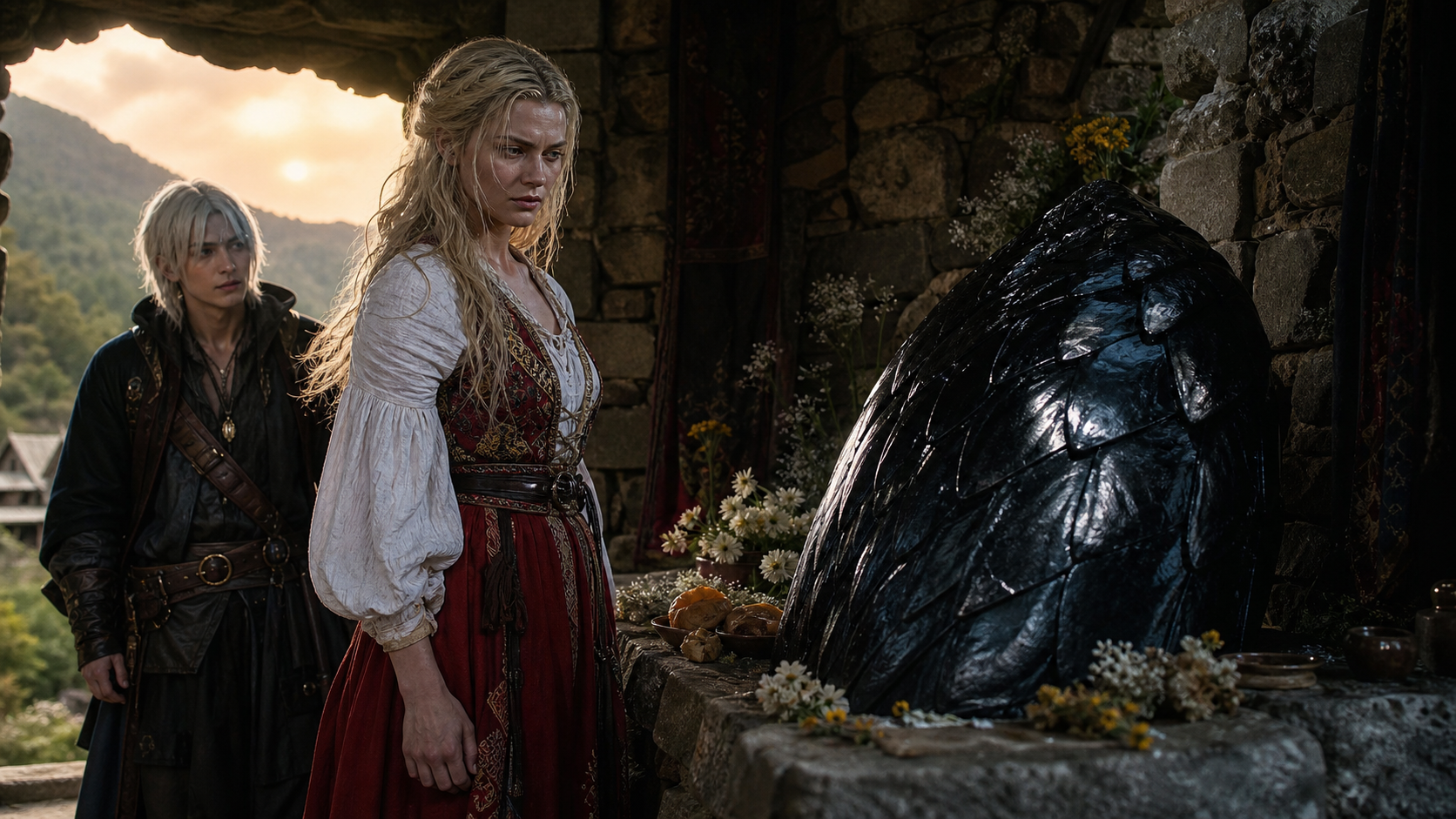
The Black Dragon scale and the newborn Dungeon girl push personhood beyond romance. A relic can shelter one village and embody Aiz’s trauma. A monster-shaped birth can still produce a person asking a human question. Context changes the moral category, which is exactly what every earlier chapter prepared.
Theme under pressure
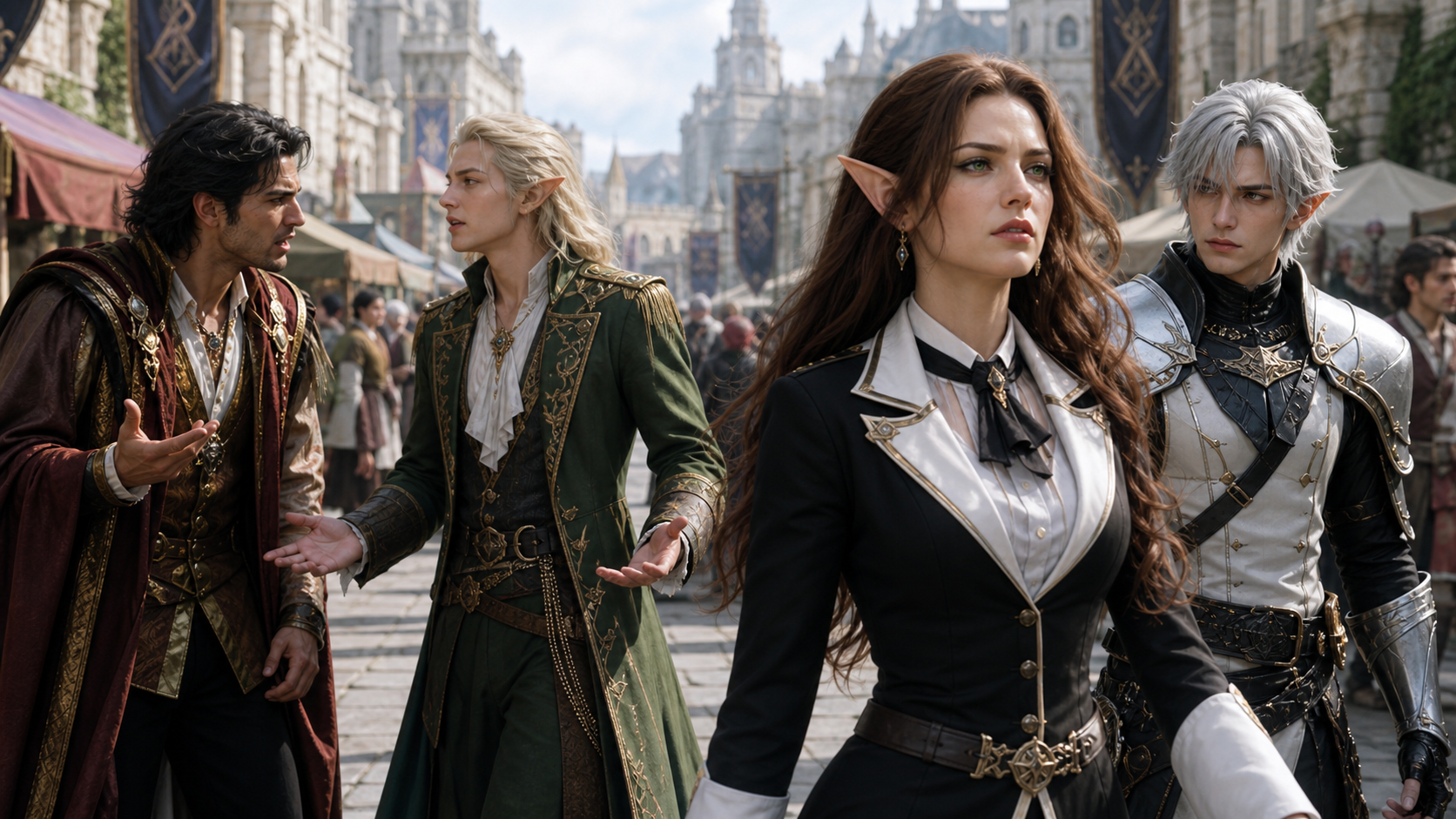
A people are not a marriage assignment
Finn’s motive has historical weight. Lilly still gets to say no.
The receipts behind the themes
The book keeps taking inherited labels away from the people who benefit from them.
Chosen family is not a sentimental replacement for blood. Mikoto can honor Takemikazuchi while serving Hestia. Lilly can care about prum pride without becoming Finn’s succession plan. Welf can carry Crozzo talent while refusing Crozzo obedience. Each story keeps the history and rejects the invoice.
Love becomes material instead of decorative. Welf puts his promise on the anvil. Syr feeds and protects children Bell rarely sees. Bell follows Hestia into the river. Kam waits half a century for an answer Brigit can no longer deliver herself. The book distrusts affection that never has to do anything.
Divine love creates the cruelest imbalance because one partner remembers across mortal lifetimes. The novel lets Kam’s grief stay ugly and still concludes that the relationship was worth having. Hestia’s promise to Bell moves because she finally names the cost.
The Black Dragon scale and the newborn Dungeon girl push personhood beyond romance. A relic can shelter one village and embody Aiz’s trauma. A monster-shaped birth can still produce a person asking a human question. Context changes the moral category, which is exactly what every earlier chapter prepared.
Theme under pressure
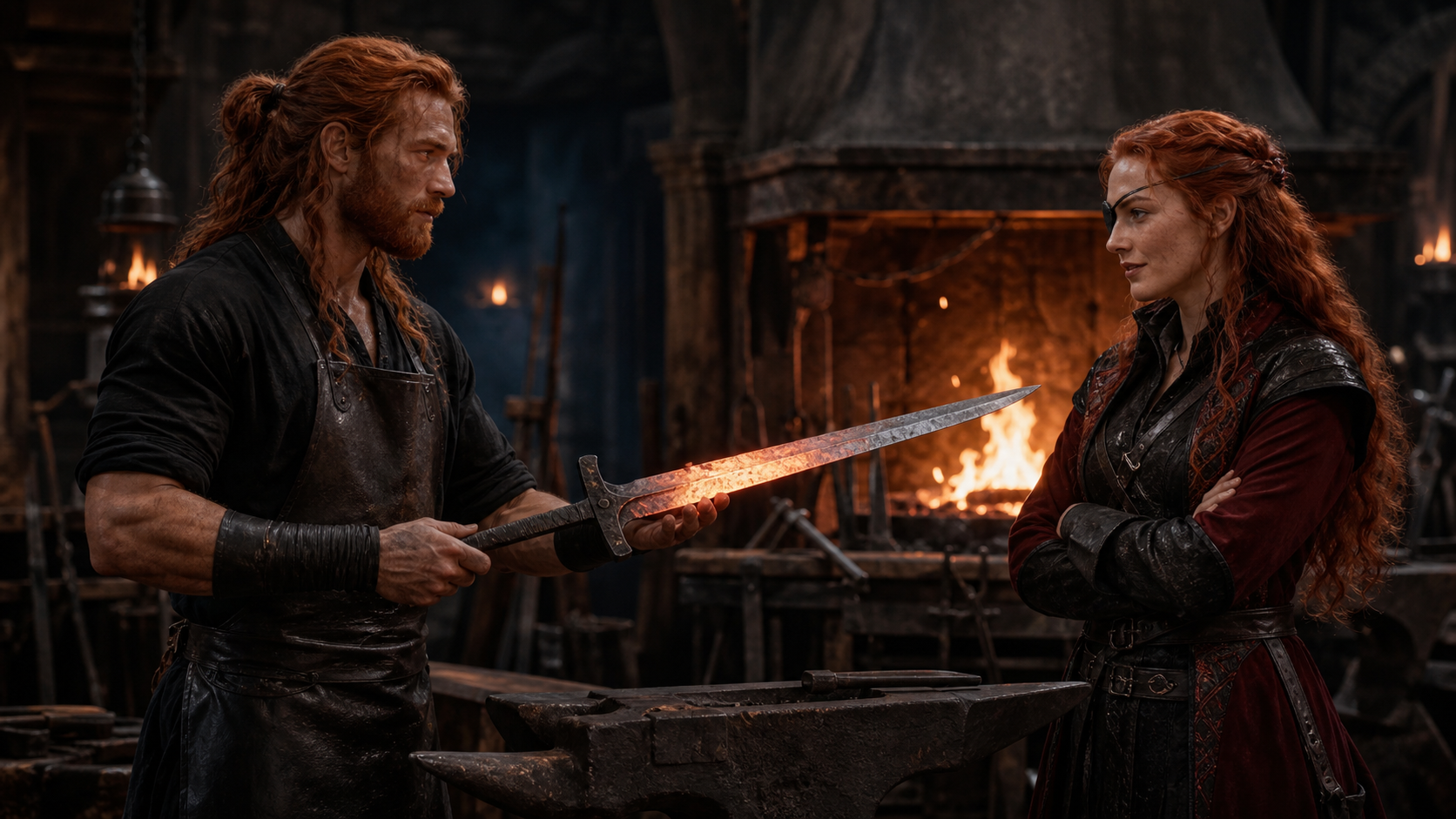
Love needs a material promise
Welf refuses to leave devotion as pretty language and gives himself a measurable standard.
The receipts behind the themes
The book keeps taking inherited labels away from the people who benefit from them.
Chosen family is not a sentimental replacement for blood. Mikoto can honor Takemikazuchi while serving Hestia. Lilly can care about prum pride without becoming Finn’s succession plan. Welf can carry Crozzo talent while refusing Crozzo obedience. Each story keeps the history and rejects the invoice.
Love becomes material instead of decorative. Welf puts his promise on the anvil. Syr feeds and protects children Bell rarely sees. Bell follows Hestia into the river. Kam waits half a century for an answer Brigit can no longer deliver herself. The book distrusts affection that never has to do anything.
Divine love creates the cruelest imbalance because one partner remembers across mortal lifetimes. The novel lets Kam’s grief stay ugly and still concludes that the relationship was worth having. Hestia’s promise to Bell moves because she finally names the cost.
The Black Dragon scale and the newborn Dungeon girl push personhood beyond romance. A relic can shelter one village and embody Aiz’s trauma. A monster-shaped birth can still produce a person asking a human question. Context changes the moral category, which is exactly what every earlier chapter prepared.
Theme under pressure
Competence does not cancel vulnerability
Eina can manage adventurers and still be blindsided by affection.
The receipts behind the themes
The book keeps taking inherited labels away from the people who benefit from them.
Chosen family is not a sentimental replacement for blood. Mikoto can honor Takemikazuchi while serving Hestia. Lilly can care about prum pride without becoming Finn’s succession plan. Welf can carry Crozzo talent while refusing Crozzo obedience. Each story keeps the history and rejects the invoice.
Love becomes material instead of decorative. Welf puts his promise on the anvil. Syr feeds and protects children Bell rarely sees. Bell follows Hestia into the river. Kam waits half a century for an answer Brigit can no longer deliver herself. The book distrusts affection that never has to do anything.
Divine love creates the cruelest imbalance because one partner remembers across mortal lifetimes. The novel lets Kam’s grief stay ugly and still concludes that the relationship was worth having. Hestia’s promise to Bell moves because she finally names the cost.
The Black Dragon scale and the newborn Dungeon girl push personhood beyond romance. A relic can shelter one village and embody Aiz’s trauma. A monster-shaped birth can still produce a person asking a human question. Context changes the moral category, which is exactly what every earlier chapter prepared.
Theme under pressure
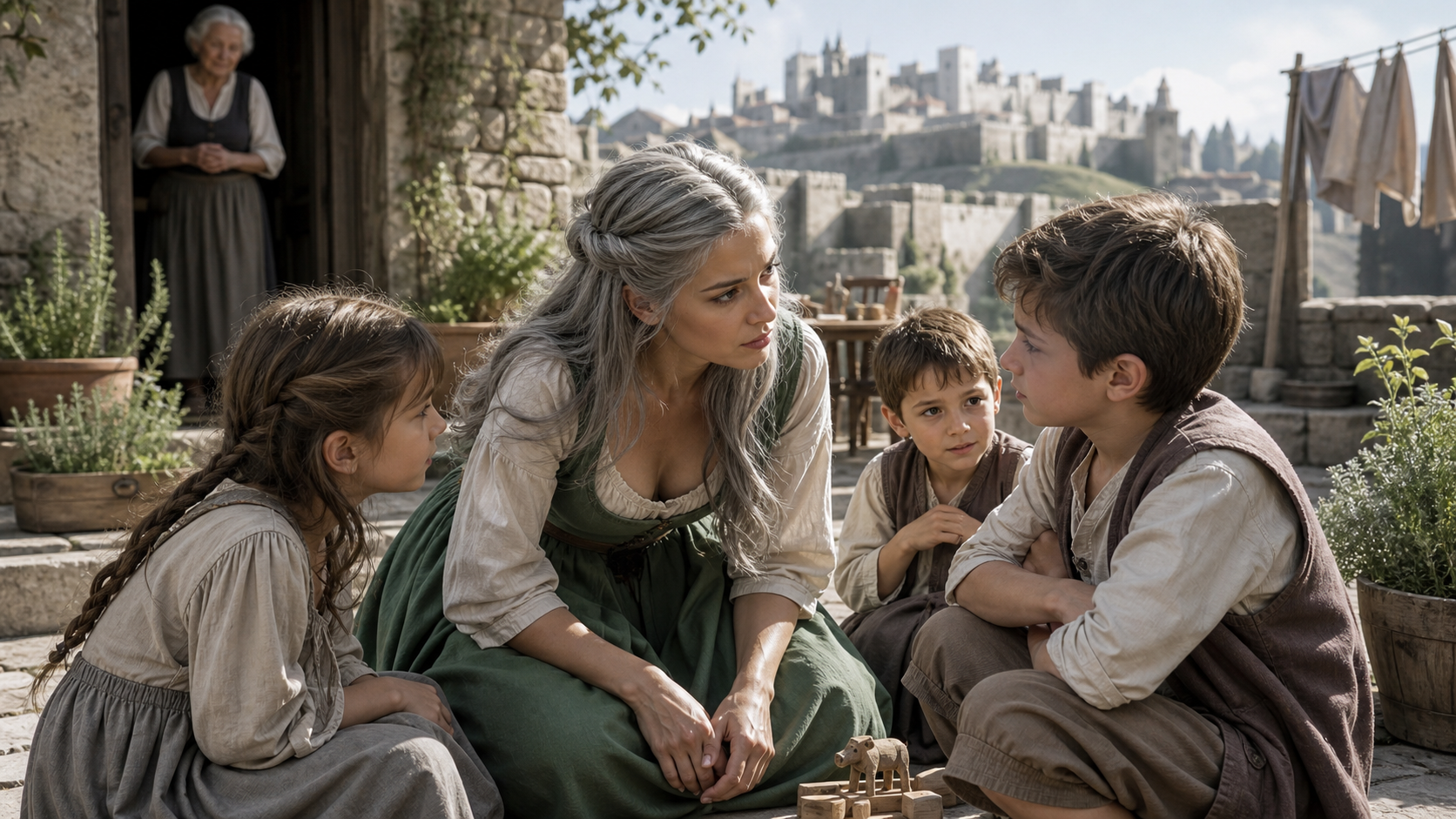
The hidden ordinary life
Syr’s orphanage bond makes the waitress persona deeper, not simpler.
The receipts behind the themes
The book keeps taking inherited labels away from the people who benefit from them.
Chosen family is not a sentimental replacement for blood. Mikoto can honor Takemikazuchi while serving Hestia. Lilly can care about prum pride without becoming Finn’s succession plan. Welf can carry Crozzo talent while refusing Crozzo obedience. Each story keeps the history and rejects the invoice.
Love becomes material instead of decorative. Welf puts his promise on the anvil. Syr feeds and protects children Bell rarely sees. Bell follows Hestia into the river. Kam waits half a century for an answer Brigit can no longer deliver herself. The book distrusts affection that never has to do anything.
Divine love creates the cruelest imbalance because one partner remembers across mortal lifetimes. The novel lets Kam’s grief stay ugly and still concludes that the relationship was worth having. Hestia’s promise to Bell moves because she finally names the cost.
The Black Dragon scale and the newborn Dungeon girl push personhood beyond romance. A relic can shelter one village and embody Aiz’s trauma. A monster-shaped birth can still produce a person asking a human question. Context changes the moral category, which is exactly what every earlier chapter prepared.
Theme under pressure
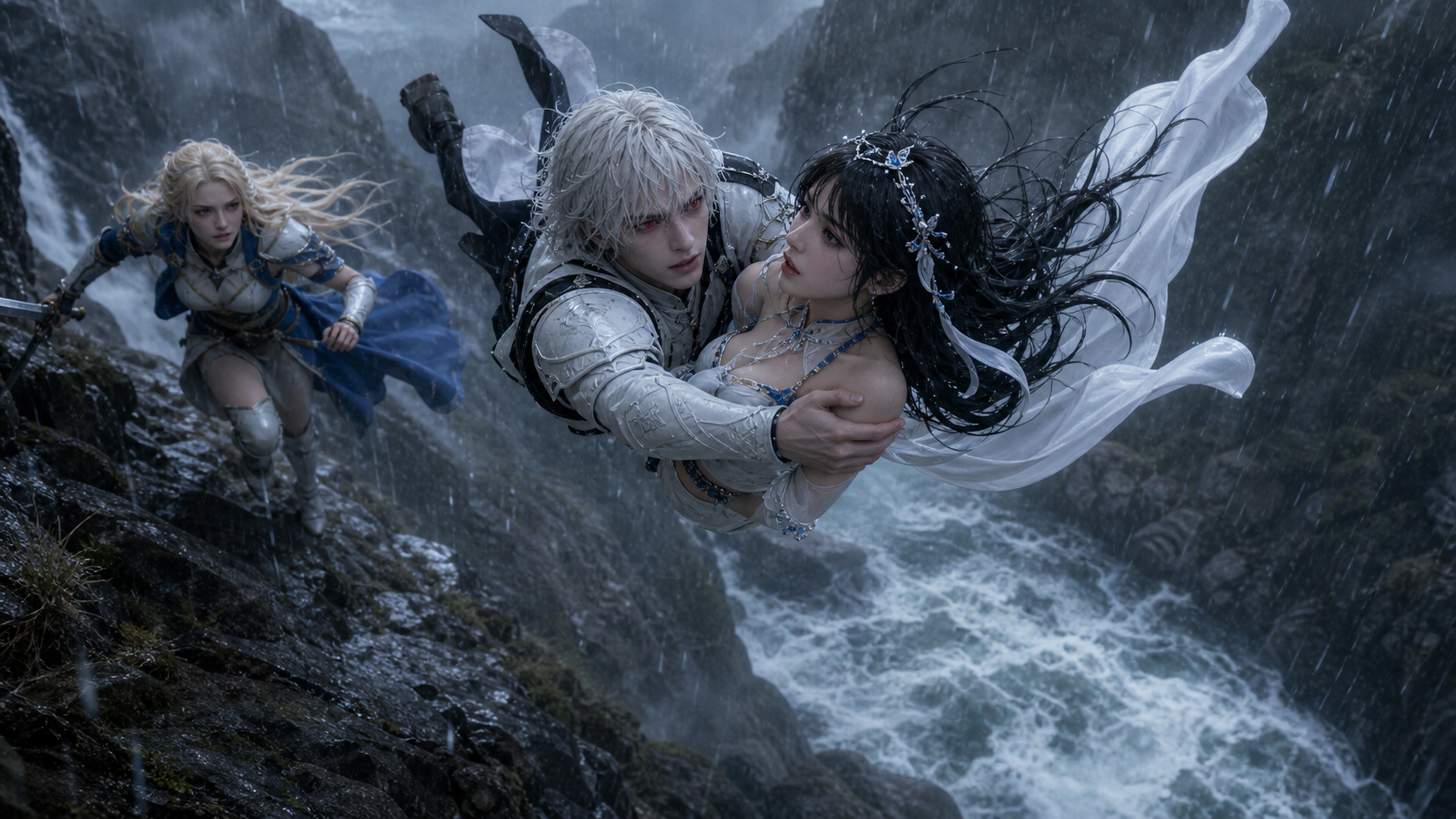
Gods are physically mortal on Earth
Without Arcanum Hestia can freeze, sicken, fall and die like the children she loves.
The receipts behind the themes
The book keeps taking inherited labels away from the people who benefit from them.
Chosen family is not a sentimental replacement for blood. Mikoto can honor Takemikazuchi while serving Hestia. Lilly can care about prum pride without becoming Finn’s succession plan. Welf can carry Crozzo talent while refusing Crozzo obedience. Each story keeps the history and rejects the invoice.
Love becomes material instead of decorative. Welf puts his promise on the anvil. Syr feeds and protects children Bell rarely sees. Bell follows Hestia into the river. Kam waits half a century for an answer Brigit can no longer deliver herself. The book distrusts affection that never has to do anything.
Divine love creates the cruelest imbalance because one partner remembers across mortal lifetimes. The novel lets Kam’s grief stay ugly and still concludes that the relationship was worth having. Hestia’s promise to Bell moves because she finally names the cost.
The Black Dragon scale and the newborn Dungeon girl push personhood beyond romance. A relic can shelter one village and embody Aiz’s trauma. A monster-shaped birth can still produce a person asking a human question. Context changes the moral category, which is exactly what every earlier chapter prepared.
Theme under pressure
Protection and terror share one scale
Edas survives because monsters fear the same dragon Aiz cannot forgive.
The receipts behind the themes
The book keeps taking inherited labels away from the people who benefit from them.
Chosen family is not a sentimental replacement for blood. Mikoto can honor Takemikazuchi while serving Hestia. Lilly can care about prum pride without becoming Finn’s succession plan. Welf can carry Crozzo talent while refusing Crozzo obedience. Each story keeps the history and rejects the invoice.
Love becomes material instead of decorative. Welf puts his promise on the anvil. Syr feeds and protects children Bell rarely sees. Bell follows Hestia into the river. Kam waits half a century for an answer Brigit can no longer deliver herself. The book distrusts affection that never has to do anything.
Divine love creates the cruelest imbalance because one partner remembers across mortal lifetimes. The novel lets Kam’s grief stay ugly and still concludes that the relationship was worth having. Hestia’s promise to Bell moves because she finally names the cost.
The Black Dragon scale and the newborn Dungeon girl push personhood beyond romance. A relic can shelter one village and embody Aiz’s trauma. A monster-shaped birth can still produce a person asking a human question. Context changes the moral category, which is exactly what every earlier chapter prepared.
Theme under pressure
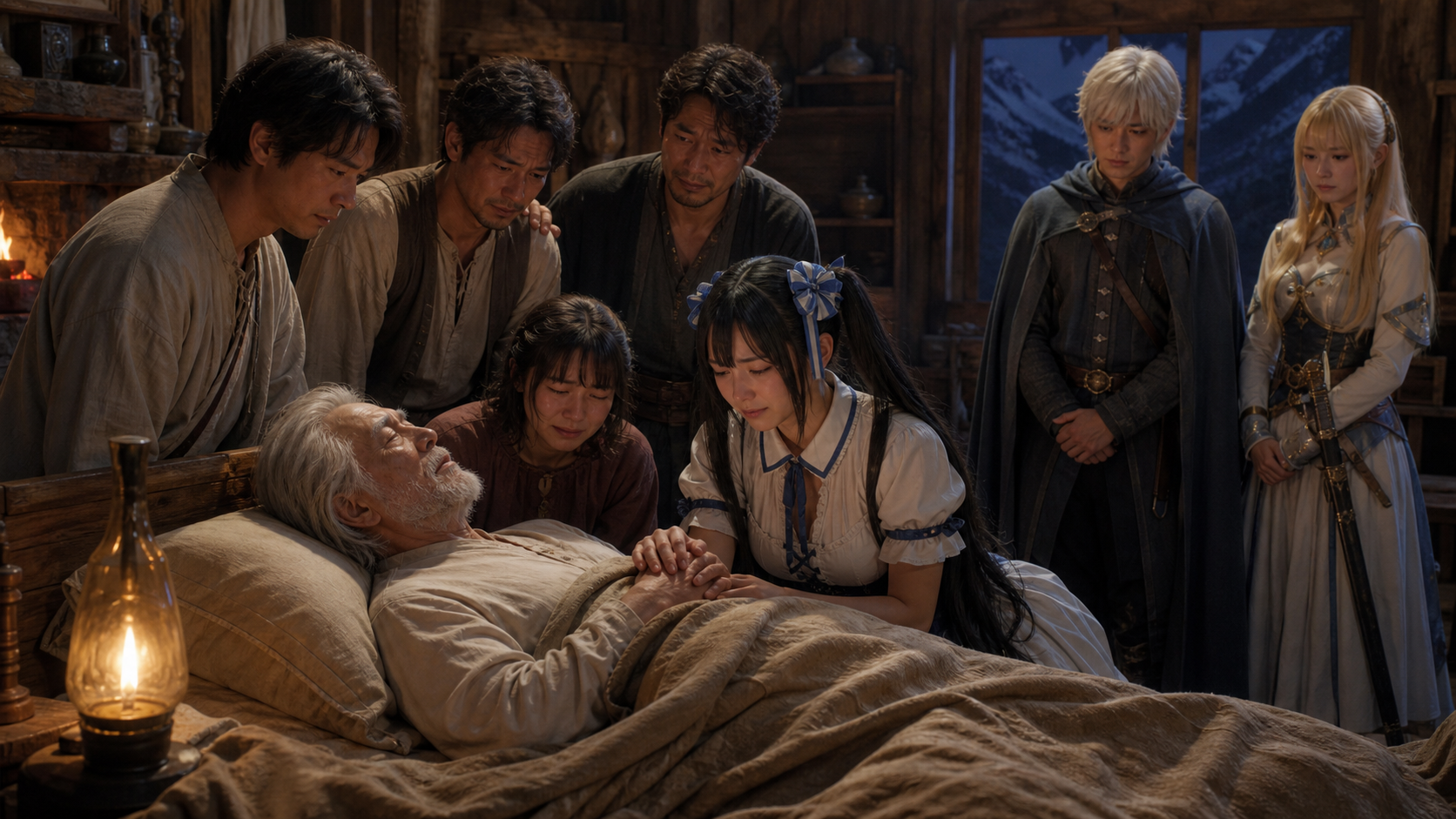
A moment for mortals, forever for gods
The mortal forgets through rebirth. The deity carries every relationship without an ending.
The receipts behind the themes
The book keeps taking inherited labels away from the people who benefit from them.
Chosen family is not a sentimental replacement for blood. Mikoto can honor Takemikazuchi while serving Hestia. Lilly can care about prum pride without becoming Finn’s succession plan. Welf can carry Crozzo talent while refusing Crozzo obedience. Each story keeps the history and rejects the invoice.
Love becomes material instead of decorative. Welf puts his promise on the anvil. Syr feeds and protects children Bell rarely sees. Bell follows Hestia into the river. Kam waits half a century for an answer Brigit can no longer deliver herself. The book distrusts affection that never has to do anything.
Divine love creates the cruelest imbalance because one partner remembers across mortal lifetimes. The novel lets Kam’s grief stay ugly and still concludes that the relationship was worth having. Hestia’s promise to Bell moves because she finally names the cost.
The Black Dragon scale and the newborn Dungeon girl push personhood beyond romance. A relic can shelter one village and embody Aiz’s trauma. A monster-shaped birth can still produce a person asking a human question. Context changes the moral category, which is exactly what every earlier chapter prepared.
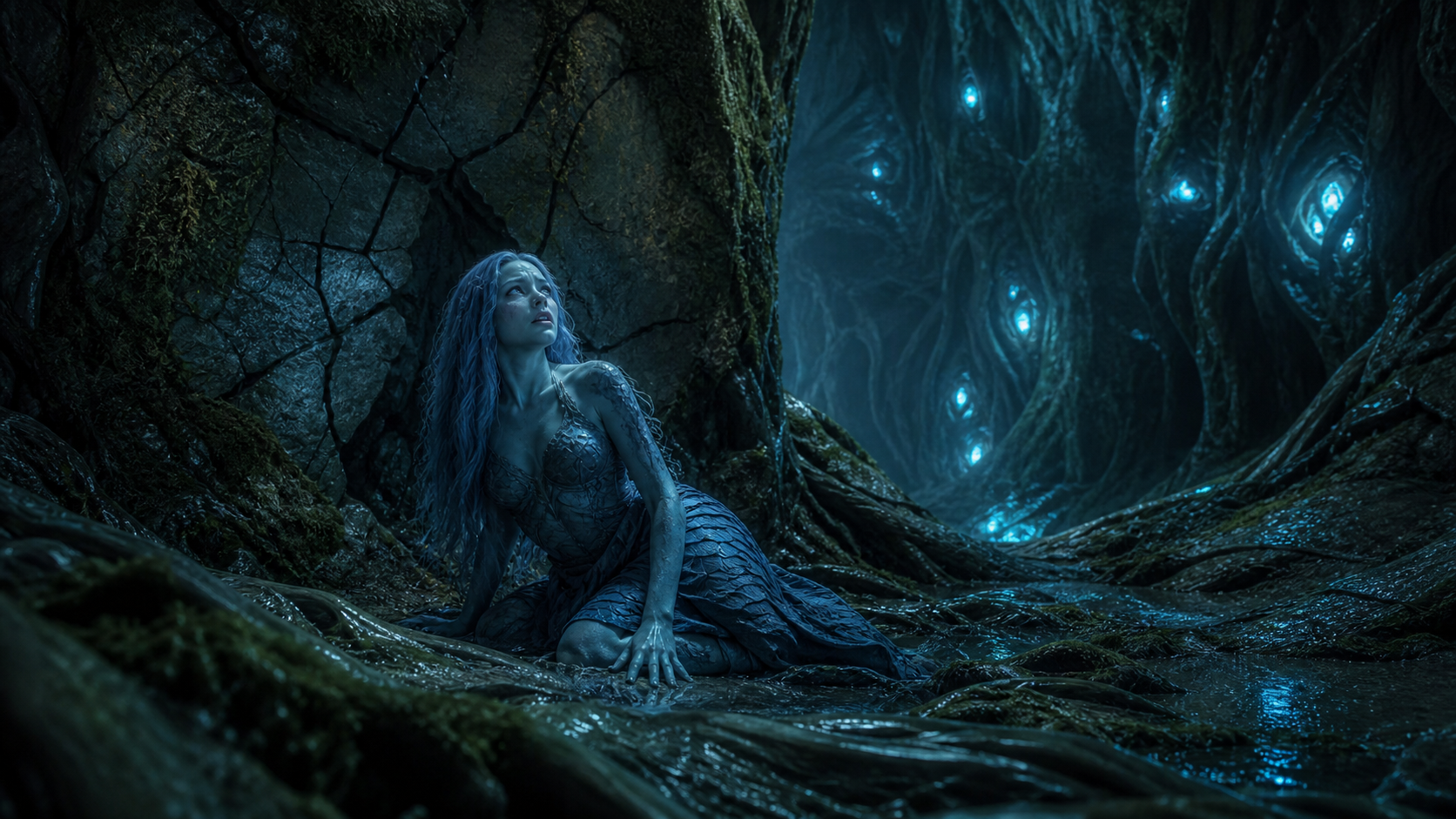
Theme under pressure
The Dungeon as a mother
The epilogue turns monster birth from spawn mechanic into personhood.
The receipts behind the themes
The book keeps taking inherited labels away from the people who benefit from them.
Chosen family is not a sentimental replacement for blood. Mikoto can honor Takemikazuchi while serving Hestia. Lilly can care about prum pride without becoming Finn’s succession plan. Welf can carry Crozzo talent while refusing Crozzo obedience. Each story keeps the history and rejects the invoice.
Love becomes material instead of decorative. Welf puts his promise on the anvil. Syr feeds and protects children Bell rarely sees. Bell follows Hestia into the river. Kam waits half a century for an answer Brigit can no longer deliver herself. The book distrusts affection that never has to do anything.
Divine love creates the cruelest imbalance because one partner remembers across mortal lifetimes. The novel lets Kam’s grief stay ugly and still concludes that the relationship was worth having. Hestia’s promise to Bell moves because she finally names the cost.
The Black Dragon scale and the newborn Dungeon girl push personhood beyond romance. A relic can shelter one village and embody Aiz’s trauma. A monster-shaped birth can still produce a person asking a human question. Context changes the moral category, which is exactly what every earlier chapter prepared.