
RAERAE REACTS · K-POP · ZEROBASEONE
ZEROBASEONE BLUE React
Bright enough for spring, sad enough to know the season ends.
Bottom line:
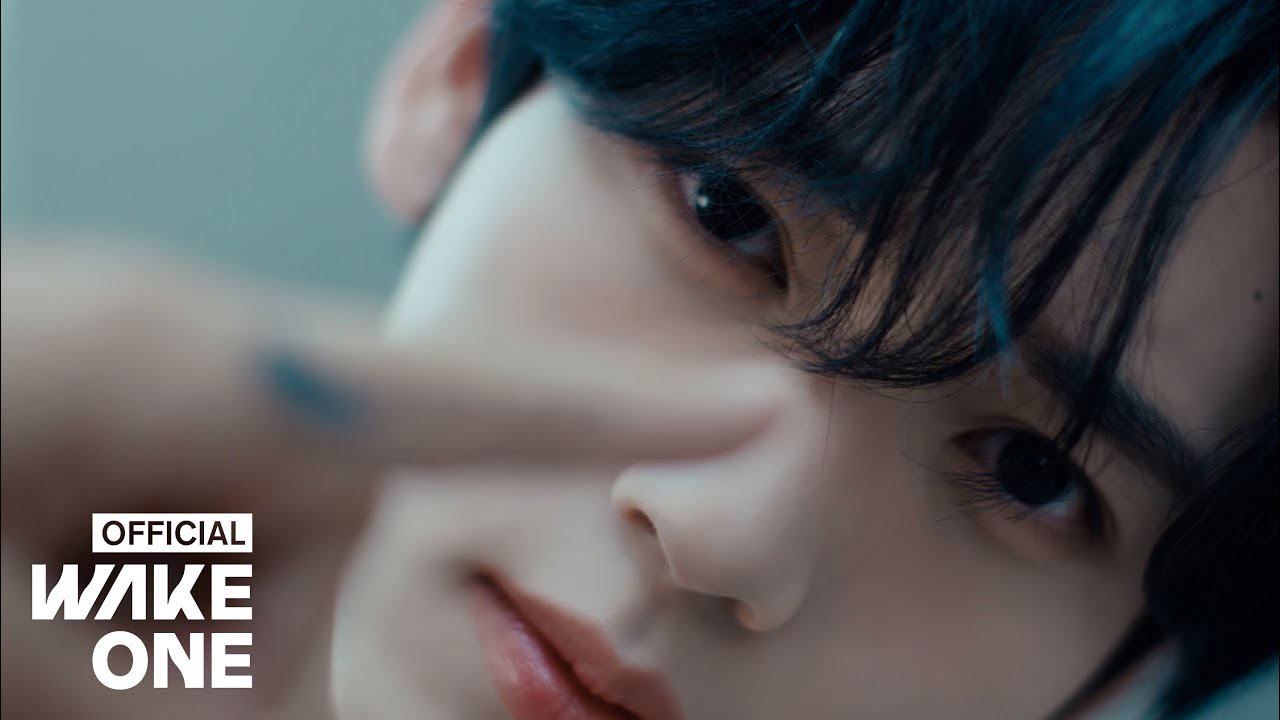
ZEROBASEONE dressed unresolved sadness for spring and trusted the contrast to do the heavy lifting. “BLUE” moves with bright synths, clean dance-pop momentum, and a chorus that keeps reaching upward while the words keep looking back. The official music video turns that tension into memory. Studio Choom removes the scenery and makes nine performers carry the same ache through formation, timing, fabric, and expression. The song works. My complaint is that a three-minute arrangement with nine voices leaves several colors on the table.
Release file
- Artist: ZEROBASEONE
- Song: “BLUE”
- Release: February 24, 2025
- Project: BLUE PARADISE, fifth mini album
- Runtime: 3:02
- Lyrics: KENZIE
- Composition: KENZIE, Andrew Choi, no2zcat, JSONG
- Arrangement: no2zcat, KENZIE
- Official music video: 2hwiRN8t8OkDaily+2.5KTotal views48M
- Studio Choom performance: official Studio Choom performance
First listen: sadness dressed for spring
My first reaction was embarrassingly simple: this sounds happy, so why does the chorus feel lonely? The cool synth line and steady beat give “BLUE” enough lift for a spring playlist. The vocals refuse to settle into uncomplicated brightness. Each melodic handoff carries a little hesitation, and the chorus opens wider without giving the sadness a neat answer.
The contrast is the song’s best decision. A slower arrangement could have underlined every emotion until the track became heavy. ZEROBASEONE and KENZIE choose motion instead. The production lets grief, affection, fear, and hope travel together. That approach feels closer to how memory behaves. A good day can hurt because the person enjoying the moment already knows the moment will end.
The first listen also exposed the main weakness. Nine members create a distribution problem inside 182 seconds. The verses move past some of the most interesting tones before those voices can change the room. The pre-chorus and bridge breathe more naturally because the arrangement finally lets the singers gather pressure instead of racing toward the next handoff.
What changed every time I replayed it
Second play: I ignored the video and followed the production. The synths stay cool rather than sugary, and the percussion keeps the track moving without bullying the vocals. The arrangement never needs a giant drop. The chorus earns scale through melody and layered voices.
Third play: I watched the official music video and noticed how often the frame creates distance around people who are physically together. Open skies, streets, rooms, snapshots, and group scenes look warm, but the editing keeps turning the present into a memory before the scene has finished. The collage near the bridge makes the idea obvious without spelling out a contract deadline or forcing a farewell narrative.
Fourth play: Studio Choom changed my opinion of the choreography. The music video can use weather, locations, close-ups, and memory imagery. A studio performance has nowhere to hide. Formation changes, body lines, handkerchiefs, and camera distance have to explain the song. The routine survives that test.
Where I landed: “BLUE” is more controlled than risky, but the control has purpose. The music video and Studio Choom performance do different jobs for one song. Each exact upload deserves its own React; this page follows the official music video.
Bright production carrying unresolved sadness
WAKEONE’s release language described the track through a contrast between cool synth sounds and emotional vocals. That description is accurate, even if the promotional phrase “mysterious refreshing” sounds like somebody named a seasonal beverage. The important word is contrast. “BLUE” does not place a sad topline over a random cheerful beat. The song builds two emotional directions into the same arrangement.
The beat keeps walking forward. The voices keep checking what may be left behind. Repeated English phrases act as landmarks inside mostly Korean lyrics, but the emotional meaning does not depend on translating every line. The melody keeps reaching toward connection while the phrasing holds a small amount of fear.
Upbeat music can carry sadness without denying pain. People dance at weddings while thinking about absent relatives. Fans cheer during a temporary group’s comeback while counting how much time remains. A bright arrangement can hold that contradiction better than a ballad because joy and loss often arrive together. “BLUE” understands that emotional traffic.
Vocals, structure, and the nine-member math problem
The vocal arrangement succeeds when the handoffs feel like different perspectives on one memory. Zhang Hao gives melodic phrases length without letting the energy sag. Kim Taerae brings an expressive tone that registers quickly. Sung Hanbin provides control through transitions. Kim Jiwoong’s restraint fits the reflective sections, while Seok Matthew makes brighter rhythmic details visible and audible.
Ricky uses stillness and clean line well. Kim Gyuvin helps formations feel open. Park Gunwook adds weight when the percussion needs a firmer answer. Han Yujin keeps lighter passages from becoming visually soft. Those differences matter because a nine-member performance can become a polished crowd if the arrangement and camera treat everyone as interchangeable.
The song does not erase individual color, but the short verses limit how long each color can remain. I wanted one longer exchange between contrasting voices and a final chorus with a little more structural change. The current version arrives, proves the idea, and leaves before the emotional pressure can become messy. That efficiency helps replay value and weakens the payoff at the same time.
Release file
Released: February 24, 2025
Runtime: 03:18
Label / channel trail: ZEROBASEONE
Sound: Cool synths and clean dance-pop momentum carry a chorus whose vocals keep looking backward. Brightness and loss occupy the same arrangement without either becoming costume.
Sources: Exact official music-video uploadDaily+2.5KTotal views48M.
The music video turns the present into memory
The official video does not give nine separate beauty reels and call the collection a story. Group spaces, individual pauses, photographs, and changing distance create one shared emotional file. Bright skies and open locations suggest freedom. The framing keeps reminding the viewer that freedom can feel temporary.
The bridge carries the clearest visual argument. Individual images gather into a nine-member collage before the edit returns to separate faces. The sequence turns a group history into something already being archived. That reading is mine, not a confirmed director statement, but the edit supports the inference without requiring invented lore.
The video works because the sadness never cancels the warmth. The members are not mourning every bright scene. They are enjoying the connection while the camera notices how quickly experience becomes evidence that something happened. That difference saves the concept from fake tragedy.
What works
- The chorus holds brightness and melancholy without forcing either side to win.
- Cool synths leave enough room for emotional vocal color.
- The official video builds one shared memory instead of nine disconnected portraits.
- Studio Choom proves the formation work can carry the concept without cinematic scenery.
- The handkerchiefs support the emotion without swallowing the choreography.
- Both official videos have distinct purposes and one canonical editorial home.
What feels too safe
The structure rarely risks losing control. The verses are efficient, the chorus arrives on schedule, and the final section does not transform the emotional argument. I wanted one moment where nine voices or nine bodies pushed against the clean design hard enough to create surprise.
The video also relies on general memory language more than a sharply defined narrative. That choice makes the imagery accessible and keeps unsupported lore out of the conversation. The same choice means several beautiful scenes remain mood rather than evidence. A stronger recurring object or clearer visual consequence could have deepened the story without turning the video into homework.
RaeRae verdict
The song: 8.8/10. KENZIE gives ZEROBASEONE a chorus that can carry both sky and bruise. Longer verses and one less obedient final turn would have let more vocal character survive.
The music video: 9.1/10. The video understands that youth can look beautiful and already feel like memory at the same time.
Performance companion: The separate Studio Choom React follows the handkerchief choreography and nine-member formation work.
Final ruling: One song, one exact music-video view on this page. “BLUE” stays bright enough to replay and sad enough to leave a mark.
Sources and official links
- ZEROBASEONE “BLUE” official music videoDaily+2.5KTotal views48M
- Studio Choom “BLUE” performance
- Official ZEROBASEONE audio and song credits
- WAKEONE BLUE PARADISE release page
- ZEROBASEONE Japan official discography
- Bugs BLUE PARADISE album record