Release file
Released: July 29, 2026
Runtime: 03:04
Label / channel trail: ZELO Official
Sound: ZELO found a 2016 pool party floating somewhere off the coast, dragged it into 2026, added a dreamy guitar, and decided subtle eye contact was no longer enough.
Sources: Exact official playlist uploadDaily+1.1KTotal views417K.
RAERAE REACTS · ZELO
ELA
ZELO found a 2016 pool party floating somewhere off the coast, dragged it into 2026, added a dreamy guitar, and decided subtle eye contact was no longer enough.
On this page: Meaning · Video · First reaction · Sound · Performance · What worked · Final take
Artist: ZELO
Song: “ELA”
Released: July 29, 2026
Label: VLACKSQUAD
Written by: ZELO, Ronnie Icon, MSICK, Johns
Composed by: MSICK, Johnj, Ronnie Icon, ZELO
Arranged by: MSICK, Johnj
MV director: Jay_Banex at MORSE CODE
Performance directors: Jeon Chan Koog and ZELO
What the song means
“ELA” is a flirtation song built around movement, heat, and the instant when attraction stops being theoretical. It is not trying to write a twelve-page emotional custody agreement. The rhythm arrives, the body answers, and ZELO spends the rest of the song making that feel like a perfectly reasonable life plan.
The word “ela” carries different meanings depending on language and context. In Portuguese it can mean “she.” In the song, it functions more like a chant and a magnetic point of focus than a vocabulary lesson. The important thing is the pull. She is there. He notices. The beat begins behaving irresponsibly.
Rolling Stone Korea correctly heard the Latin-pop and global dance-pop framework. I also hear the glossy crossover era when tropical percussion, EDM polish, R&B vocals, and a guitar line could all meet at one outdoor party without scheduling a committee meeting first. The nostalgia is obvious, but it is not a lazy copy. ZELO’s softer vocal tone keeps the song from turning into a generic festival pack.
The music video
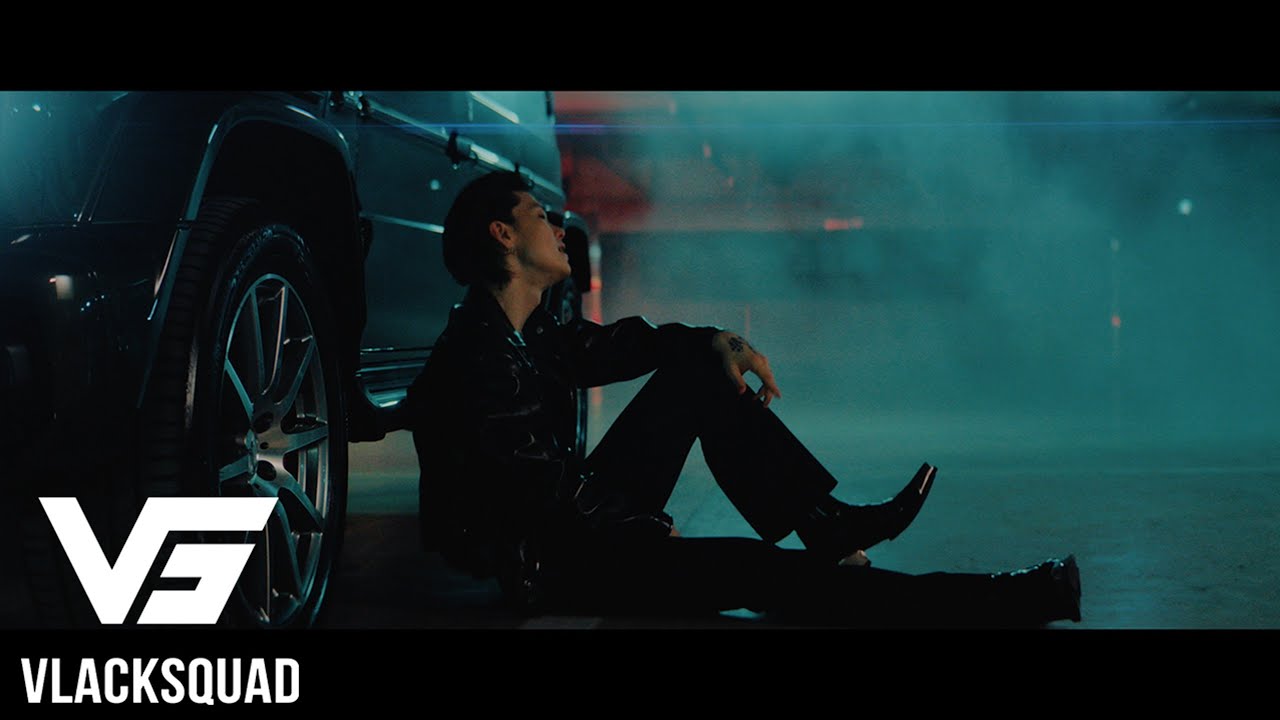
The video does not bother inventing a complicated fictional universe. It gives us ZELO, a woman he cannot stop tracking with his eyes, dancers, warm color, cars, night air, and several surfaces that exist mainly so somebody can lean against them attractively. Correct. We survived.
Director Jay_Banex shoots the space like a memory of a summer night that became more glamorous every time you retold it. The camera stays close enough to make the attraction personal, then opens for the choreography. That matters because ZELO is not a singer who happens to dance. Movement is part of his sentence structure.
What changed every time I replayed it
First listen: Oh. We are flirting in a parking lot again. K-pop has never met a concrete structure it could not turn into emotional real estate. The Latin-pop pulse arrives first, but the guitar keeps smuggling wistfulness into the party.
Second listen: ZELO’s restraint becomes the story. He does not insert a speed-rap résumé just because longtime listeners know he can. He clips phrases around the beat, lets consonants become percussion, and sings like a person enjoying the pocket rather than trying to defeat it.
Third listen: The choreography starts sounding audible. His shoulders and hips move with the same delayed ease as the vocal. The beat creates direction; his body supplies punctuation. That is why the performance looks simple until somebody attempts it badly in a mirror.
Fourth listen: The hook remains sticky, but the song needs another melodic turn. One contrasting verse, a guitar-led bridge, or a final stripped chorus could make the attraction develop instead of looping. I am already at the pool party. Give me one conversation before everybody calls a ride.
The beat is doing more work than it first admits
The percussion creates forward motion without packing every gap. That restraint is why the guitar matters. It does not sit on top of the track as a dramatic solo. It bleeds around the rhythm, softening the edges and giving the production a hazy emotional layer. A cheaper version of this song would have thrown a preset tropical pluck at us and called it a vacation.
MSICK and Johnj keep the bass and drums clean. The hook repeats because repetition is the point, but small changes in vocal placement stop it from feeling like a loop somebody forgot to finish. ZELO also handles the chorus layers. You can hear him turning his lighter voice into texture rather than forcing it to compete with the beat.
ZELO is not doing the old ZELO demonstration
The fascinating choice is what he does not do. There is no frantic “remember how fast I can rap?” section dropped into the middle like a résumé attachment. Longtime B.A.P listeners already know he can outrun half the industry. “ELA” lets him sing, slide across the pocket, and use rhythm with less visible effort.
That does not mean the old skills disappeared. His timing is still rapper timing. Listen to how he clips phrases, enters slightly around the beat, and makes consonants part of the percussion. He is simply using those instincts without turning the song into a speed trial.
The choreography
ZELO co-directed the performance with Jeon Chan Koog, and the choreography knows exactly what kind of song this is. It uses long body lines, relaxed footwork, directional changes, and a lot of controlled upper-body groove. Nothing needs to punch through the floor.
The six dancers give the video enough scale without swallowing him. Their formations open and close around the attraction at the center. The movement sells confidence, not conquest. That distinction saves the video from becoming one long cologne advertisement.
Easter eggs and little surprises
- The Waterbomb preview: ZELO performed “ELA” before release at Waterbomb Seoul on July 25. The video’s heat, outdoor-night energy, and liquid movement feel designed to extend that first live impression.
- The Latin thread is not random: He spoke earlier in 2026 about loving Latin rhythms and used “Cola Comigo” as the first major step in this direction.
- The credits are unusually personal: ZELO is not only the performer. He is credited in the composition, lyrics, chorus, and performance direction.
- The guitar is the emotional smuggler: The percussion says party. The guitar keeps slipping something wistful into the drink.
- The B.A.P absence matters: After years of being remembered as the youngest member and then missing the 2024 reunion project because of military service, this comeback presents him as a self-directed adult artist without pretending his history vanished.
The global-pop and adulthood lens
Latin rhythm in Korean pop can become decoration fast: one guitar patch, one rolled consonant, and suddenly the press release has booked a flight. “ELA” works better because ZELO has been moving toward this sound across releases and performances. The rhythm feels like a chosen lane, not a costume rented for one comeback.
The song also marks adulthood through subtraction. As B.A.P’s youngest member, ZELO was often introduced through exceptional speed, height, and potential. The grown artist does not have to prove every inherited fact in every track. He can choose softness, groove, and eye contact. Maturity here means control over which skills enter the room.
From a Confucian lens, that shift involves renegotiating role and hierarchy. The maknae identity made sense inside a specific group relationship. Solo authorship asks him to define himself without that network disappearing. He honors the old training through timing and performance discipline while refusing to live inside the old job description.
From a Buddhist lens, the 2016 nostalgia is useful because it reminds us that style returns without returning us to the same self. The tropical-pop era can reappear, but ZELO is older, self-directed, and carrying different history. The sound is familiar; the person using it has changed.
The artistic vision connects all of this. Warm night photography, relaxed choreography, close framing, and the hazy guitar make attraction feel remembered while it is still happening. The video does not build lore because the body is the narrative. Desire moves through distance, gaze, timing, and the choice to step closer.
What worked
The song understands its assignment. It is sensual without becoming heavy, nostalgic without dressing in a museum costume, and danceable without treating volume as personality. ZELO’s voice fits the arrangement better than a larger, more aggressive vocal would. The video also gives him room to perform rather than burying him under plot twists and digital rubble.
What did not fully work
I wanted the bridge or final section to take one bigger risk. Change the guitar. Strip the beat. Let him rap for four bars. Add a countermelody. Something. The current ending is smooth, but it leaves while I am still waiting for the night to become a little messier.
The romantic story is also more mood than story. That is fine for this song, but the actress is mostly positioned as the source of attraction. One moment of her actively flipping the situation would have made the chemistry feel less one-directional.
Final take
“ELA” is not trying to compete with B.A.P’s loudest material or prove ZELO still owns a stopwatch. It is a grown solo artist choosing groove over demonstration. The track feels familiar because it remembers an era of crossover dance-pop that many of us actually miss. It works because ZELO does not cosplay that era. He moves into it, opens the windows, and puts his own guitar in the corner.
I wanted one more musical surprise. I still replayed it. Both things can be true.