
Release file
Released: February 4, 2025
Runtime: 03:23
Label / channel trail: 올아워즈 ALL(H)OURS
Sound: A guitar riff kicked the door in, the bass started a small structural fire, and seven men treated “please” as an optional social custom.
Sources: Exact official playlist uploadDaily+979Total views11M.
RaeRae React · ALL(H)OURS
ALL(H)OURS GIMME GIMME React
A guitar riff kicked the door in, the bass started a small structural fire, and seven men treated “please” as an optional social custom.
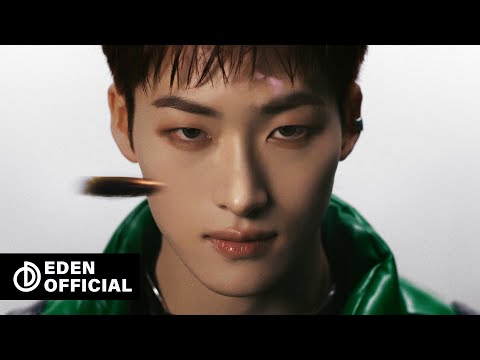
ALL(H)OURS in the official “GIMME GIMME” music video. Image saved in the CVM Sekai media library from the official upload. Watch the official video.Daily+979Total views11M
Bottom line
“GIMME GIMME” works because ALL(H)OURS commits to being loud, greedy, physical, and slightly ridiculous. The hook is shameless. The guitar sounds like an alarm somebody taught to dance. The locking-heavy choreography gives the repetition a reason to exist. I still want another vocal release and a longer ending, but the song knows exactly what kind of trouble it came to cause.
Song file
| Artist | ALL(H)OURS |
|---|---|
| Release | February 4, 2025 |
| Album | Smoke Point, third mini album |
| Length | 2:51 |
| Label | EDEN Entertainment / Kakao Entertainment |
| Composers | VINCENZO and Daniel Kim |
| Arrangement | VINCENZO and Daniel Kim |
RaeRae scorecard
| Hook | 9/10, weaponized repetition |
|---|---|
| Production | 8.5/10, guitar and bass behaving badly |
| Vocals and rap | 8/10, rap line gets the sharpest toys |
| Choreography | 9/10, locking earns its screen time |
| Video | 8/10, built to amplify the performance |
| Replay danger | Very high |
What changed every time I replayed it
First listen: I heard the hook, the guitar, and a chorus that sounded prepared to shake me down for lunch money. The song made its point before I had time to decide whether the point was sensible. That is both its charm and its scam. It does not ease anybody into the room. It arrives already halfway through the argument.
Second listen: the percussion became the real organizer. The words repeat, but the pressure under them keeps shifting. Small fills, clipped accents, and the push between guitar and electronic bass stop the chorus from feeling like a copied block. The arrangement keeps moving even when the lyric refuses to.
Third listen: I started watching the bodies instead of the edit. The locking is not decoration pasted onto a noisy track. It gives every “gimme” a physical stop, recoil, or demand. The choreography supplies grammar that the chorus barely bothers to write.
After too many listens: the weakness became clearer too. ALL(H)OURS has vocal color, but the track gives the singers narrow windows before the next rhythmic command arrives. A bridge with more air, or even twenty extra seconds of vocal release before the final attack, could have made the last chorus feel earned instead of scheduled.
The hook is a demand, not a conversation
The chorus does not build an argument. It repeats a demand until your nervous system signs the paperwork. That can be lazy when the production is also standing still. Here, the band texture, bass pressure, vocal layering, and choreography keep renegotiating the same two words. The hook feels less like copy and paste and more like a chant collecting people in a hallway.
The trick is that “give me” never sounds polite enough to be about ordinary wanting. The verses use chains, pain, fire, triggers, and the loss of free will. The demand becomes a response to being trapped. These boys are not asking for a cute little reward after completing a quest. They sound like they woke up inside a system that took their movement, then decided to repossess the whole building.
K-pop loves turning an internal crisis into an outfit budget, and “GIMME GIMME” understands the assignment. The song takes frustration that could have become a diary paragraph and turns it into collective motion. That is why the repetition lands harder with seven performers. One person demanding everything can sound entitled. A whole formation doing it in sync starts to sound like organized labor with better cheekbones.
The beat: controlled damage
VINCENZO and Daniel Kim composed and arranged the track, and the pressure curve is the part I respect most. The guitar works as an alarm bell. The drums keep shoving the song forward. The bass prevents the chorus from floating away into generic festival noise. Every major layer has a job, which is why a very busy track still has a readable center.
The song is marketed through its “hard” surface, but the production is not just maximum volume. The verses pull back enough to let clipped consonants and rhythmic details register. The pre-chorus creates a small pocket of suspense. Then the chorus closes the distance again. Loudness is the result, not the entire method.
The published lyric credits are a crowd: Lee Mi-so, Daniel Kim, VINCENZO, Jang Da-in, Ephy, Kaelbyul, ZYZ, Da-young, LALA, Lee Hye-yoom, Jeongsun, IDÉA, Dochi, and JadenW. That many names could suggest a committee-built mess, but the finished lyric stays focused on pressure, demand, destruction, and recovery. The problem is not incoherence. The problem is that the chorus eats so much real estate that the more interesting images barely get time to unpack their bags.
The voices: bite first, breathe later
Xayden, Masami, and Hyunbin benefit most from the track’s density. Rap can bite into the clipped beat without asking the arrangement to make room. Hyunbin’s second-verse “ALL OURS” callback matters because it turns the group name into part of the song’s demand and connects this third-mini-album era to their first year.
The vocal line has the less glamorous job of keeping the song human. The pre-chorus carries tension without trying to out-yell the instrumental. Those cleaner phrases make the chorus hit harder because the ear gets one breath before the room starts shaking again. I wanted more of that contrast. A sustained note alone would not fix anything, but a longer melodic section could have shown what the singers sound like when the production stops chasing them with a chair.
Still, nobody sounds misplaced. The members perform the song like they understand its exaggeration. They are not selling delicate sincerity. They are selling nerve, stamina, and the confidence to repeat a demand until it becomes a brand statement.
Lyrics and meaning: captivity dressed as bravado
The first verse imagines daily life as moving through sleep with open eyes. Free will disappears. Chains, flames, pain, and trigger language replace ordinary routine. Then the chorus turns that trapped feeling outward. “Gimme” becomes less a request than a refusal to remain passive.
The most interesting idea is the contradiction between wrecking everything and saving it again. That sounds reckless until you recognize the emotional logic. People stuck in a bad system often imagine destruction before they can imagine reform. Burn the routine. Break the lock. Recover the part of yourself that was trained to accept the cage. The lyric is not a policy paper, thank goodness, but it knows rebellion can contain both damage and rescue.
From a Buddhist lens, the endless demand is also funny. Wanting produces more wanting, and this chorus has no interest in reaching enlightenment before the dance break. Yet the song is not simply worshipping appetite. Its hunger grows out of confinement. Desire becomes a tool for recovering agency. The healthier answer would eventually require knowing when “enough” is enough. “GIMME GIMME” has not reached that lesson. It is busy kicking the door.
From an MRT lens, the song is body-first regulation. The problem is experienced as restriction, so the answer becomes synchronized movement, impact, breath, and repetition. The music does not calmly explain freedom. It lets the body rehearse freedom before the mind catches up.
The choreography does the writing
Locking works because it turns every demand into punctuation. Arms stop. Shoulders recoil. Bodies pull inward, then the formation breaks outward. The chorus might be verbally thin, but the dancers keep changing the sentence. The choreography shows restraint, impact, resistance, and release without pretending those ideas require a tiny movie plot.
The group formations also protect the song from becoming seven solo auditions fighting over a camera. Members rotate through the center, but the strongest moments depend on the surrounding bodies creating pressure. That makes the performance feel collective. The demand belongs to ALL(H)OURS as a unit.
The editing occasionally gets greedy. Several transitions cut just when I want to see how one formation becomes the next. K-pop video editors sometimes treat movement like evidence they need to hide from the jury. Let the dancers finish the sentence. The choreography is already doing enough to keep us awake.
The video: performance is the story
The official music video uses industrial rooms, hard light, red warnings, chains, and fire-toned accents to give the lyrics a physical environment. It does not waste time pretending every prop belongs to a twelve-film cinematic universe. Most of the imagery supports one useful idea: confinement becomes pressure, and pressure becomes movement.
The repeated trigger and chain gestures are direct translations rather than secret Easter eggs. The warning colors return as the arrangement adds layers. Tight group shots create claustrophobia, then wider formations provide release. Those choices are visible in the finished video. I did not find a reliable published statement from the director, so I am not assigning a hidden auteur thesis to a camera crane.
That boundary matters. Fans are good at noticing patterns, but a pattern is not automatically confirmed intent. The “ALL OURS” lyrical callback has member commentary behind it. The restraint-and-release visual reading is my interpretation of what the camera and choreography show. Both can be valuable, but they are not the same kind of receipt.
What works
- The opening guitar identifies the song before the faces do.
- The bass stays physical without becoming anonymous festival sludge.
- The second-verse rap gives the group history and personality.
- Locking turns repetition into visible rhythm.
- The members sell the song’s exaggeration without looking embarrassed by it.
What does not
- The chorus comes dangerously close to ringtone territory.
- The vocalists need one more open section.
- The edit swallows several formation changes.
- The lyric images deserve more development.
- At 2:51, the ending arrives before the song earns a final dance break.
The industry lens: identity has to survive the trend
Heavy boy-group production is crowded territory. Guitar, bass drops, aggressive styling, and combat-ready choreography can become a rental costume that ten groups return to the same warehouse. “GIMME GIMME” avoids that trap when it uses ALL(H)OURS-specific details: the name callback, the locking vocabulary, and the members’ ability to perform the hook like a shared joke and a real demand at the same time.
Smoke Point was framed around the moment purity and impurity reveal experience as heat. “Graffiti” showed the younger, looser side of that idea. “GIMME GIMME” is the point when the heat becomes pressure. In interviews, Hyunbin highlighted the “ALL OURS” callback because it made the distance from the first album visible. Kunho and Minje later chose the song as a favorite because its live energy kept working after promotions. That is better evidence of identity than a company paragraph announcing that every comeback is a shocking transformation.
The real test for a developing group is not whether it can wear a trend. It is whether fans can hear who is wearing it. ALL(H)OURS is not completely beyond comparison yet, but this song gives the group a clearer fingerprint than a generic “powerful comeback” label would suggest.
The part where I stopped reviewing politely
I love this more than I respect it. The hook is shameless. The structure is compact to the point of rudeness. The singers deserve another window. None of that stopped me from replaying it, because the guitar riff, second-verse rap, and locking choreography make the song feel specific enough to survive its own excess.
Sometimes a song needs lyrical depth, a patient bridge, and a conclusion that changes the opening idea. Sometimes it needs to get in, knock over a lamp, demand everything, and leave before I can ask who is paying for the lamp. “GIMME GIMME” chose the lamp.
Final take
ALL(H)OURS built a strong performance song out of a dangerously simple command. The production keeps changing the pressure, the choreography gives the hook grammar, and the members understand how to make aggression playful instead of exhausting. I would give the vocal line more air and the ending more time. I would not make it polite. Politeness would ruin the furniture-breaking charm.
Listen and watch officially
Official “GIMME GIMME” music videoDaily+979Total views11M
Keep digging
More ALL(H)OURS Reacts
“HOP” — bloodied keyboard, phonk pressure and a command to be quiet
“SHOCK” — drift phonk, dokkaebi imagery and first-comeback growth
“GOTCHA” — the debut engine and seven-member formation test
“WAO WAO” — synchronized spins and pure cardio