
Made Me a Man: Jackson Wang Removed the Mask and Left Nothing to Hide
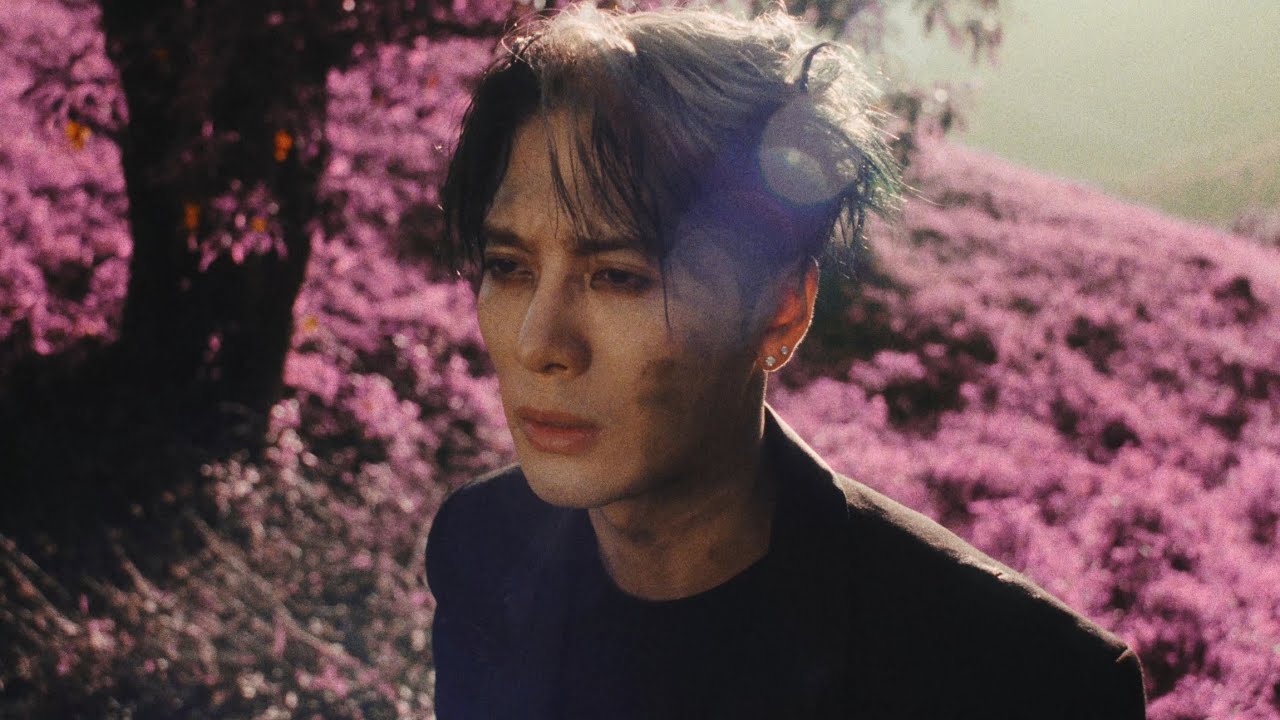
Release File
Released: July 18, 2025
Runtime: 03:55
Label / channel trail: Jackson Wang
Sound: Jackson Wang did not end MAGICMAN 2 with a victory lap. He ended it by taking the costume off, admitting what the climb cost him, and standing there with absolutely nowhere left to hide.
Sources:  Exact official playlist uploadDaily+2.1KTotal views41.7M.
Jackson Wang did not end MAGICMAN 2 with a victory lap. He ended it by taking the costume off, admitting what the climb cost him, and standing there with absolutely nowhere left to hide.
This is the quiet answer at the end of an album built around grief, betrayal, burnout, anger, and the very unpleasant discovery that success does not automatically make you feel safe. The song is grateful without pretending the damage was cute. I appreciate that. Healing is usually less “new me” and more “well, I finally stopped lying to myself.”
Artist: Jackson Wang
Group: GOT7
Album: MAGICMAN 2
Release: July 17, 2025
Official video: Directed by Mamesjao, with Jackson Wang as executive creative director
Song credits: The official video credits Jackson as writer. Publishing credits also name Sayak Das, Louis Bartolini, and Alexis Andrea Boyd.
What changed every time I replayed it
First thought: Oh. This is not a song asking me to admire how hard he worked. This is a man looking back at the kid who had to grow up too fast and finally admitting that being impressive did not make any of it painless.
Sound check: Restrained pop and R&B with enough space for the exhaustion to stay audible. The production does not chase a giant climax because the emotional climax already happened across the album.
The moment I leaned in: When the song stops treating survival like a flex. He is not bragging that hardship made him strong. He is thanking the person, people, or light that made him stop running long enough to look at himself.
The side-eye: If you hear this without the album or video arc, it can feel almost too controlled. The melody is not trying to knock you over. Context is doing a lot of work here.
Current status: Quietly devastated. Also mildly annoyed that a naked man became the least sensational part of the ending.
Lyrics and meaning: what the song is actually saying
“Made Me a Man” is about accelerated adulthood. Jackson has talked for years about training, debuting, working across countries, building companies, and carrying an image that became bigger than the person inside it. Here, the old ambition sounds less like a superpower and more like a treadmill nobody remembered to switch off.
The important shift is that he is no longer romanticizing the rush. Chasing the next stage, next deal, next country, next proof that he belonged kept him moving, but movement is not the same thing as direction. The song looks backward at the voice he swallowed, the mask he wore, and the part of himself he abandoned to keep the machine happy.
Then gratitude enters. Not the shiny award-speech version. This is gratitude toward whoever helped him stop, face the past, and live without performing “Jackson Wang” every second of the day. The title sounds macho until you listen closely. The thing that “made” him was not fame. It was being seen when the performance fell apart.
Why it belongs at the end of MAGICMAN 2
MAGICMAN 2 moves through grief like somebody emptied a messy drawer onto the floor. Anger sits next to shame. Betrayal sits next to self-blame. Desire keeps wandering into rooms where it is clearly not qualified to fix anything. Jackson described the project as a darker and more honest look at the years when his public success and private life stopped agreeing with each other.
That makes “Made Me a Man” less of a finale and more of an exhale. The album does not end because every wound is resolved. It ends because he has stopped arguing with the fact that the wounds exist. Acceptance is not glamorous, but it is the first stage that lets him leave the Magic Man character instead of building another costume over it.
The production knows when to sit down
The arrangement stays disciplined. It gives Jackson room to sound tired, grateful, and slightly stunned by his own honesty. A louder production would have turned the track into an inspirational montage. This one keeps the emotional weight close to the body.
His vocal is polished, but it is not scrubbed clean. There is restraint in the verses and a gradual opening in the refrain. He never needs to scream “this changed me.” The repetition does the job. It feels like somebody testing a sentence until he finally believes it.
Could it use one sharper melodic turn? Yes. I wanted one moment where the music itself cracked open. The restraint makes thematic sense, but it also makes the song easier to admire than obsessively replay. I like it more as the album’s final chapter than as a random playlist single.
The video removes the last layer
The music video continues the visual language of the MAGICMAN 2 era instead of behaving like an unrelated promotional clip. Jackson and director Mamesjao keep the imagery personal, physical, and stripped of the glossy protection that usually surrounds a star at his level.
Jackson serves as executive creative director, which matters because the choices feel less like somebody illustrating his lyrics and more like him controlling how the confession is framed. The camera does not rescue him with constant spectacle. It lets discomfort stay in the room.
Then comes the ending. Jackson has discussed the final image of himself naked. On the internet, nudity can swallow the entire conversation in five seconds. Here it works because the album has spent its running time removing emotional armor. By the time the clothes are gone, the visual is almost bluntly literal. No Magic Man. No uniform. No company-founder posture. No idol polish. Just the person who was underneath all of it.
I do not think every object needs to report for symbolism duty. Sometimes skin is skin, a room is a room, and exhaustion looks effective because it is exhaustion. The video is strongest when it trusts that simplicity.
Credits worth noticing
- Director: Mamesjao
- Executive creative director: Jackson Wang
- Executive producers: Rox and Peter Yoon
- Director of photography: Bei Er
- Art director: LuTou
- Editor: YaCheng Guo
- Colorist: Guangyao
- Production company: Couch Potato
The official description credits Jackson as writer, while publishing metadata lists additional writing and composition contributors. Both details belong in the record. “Written by Jackson Wang” is part of the official video credit, but the complete song did not materialize from one person alone.
What works, what does not
What works: The track understands its job. It closes the grief arc, turns vulnerability into the actual definition of adulthood, and lets Jackson’s voice carry the story without decorating every sentence. The video completes the removal of the Magic Man mask in a way people will remember.
What does not: Outside the album, the song can feel slightly underpowered. The restraint is intelligent, but intelligence does not automatically make a hook sticky. I wanted one musical detail that belonged only to this song, not merely to the emotional chapter it closes.
The counterargument: Some listeners will say the nudity is calculated shock or that the healing narrative is too neatly packaged. Fair. Pop stars know how images travel. But calculated does not mean empty. Jackson has spent years turning the boundary between person, idol, founder, and fictional Magic Man into the work itself. Ending the chapter without the costume is obvious. It is also correct.
RaeRae verdict
This is not my favorite Jackson Wang song if we are measuring immediate replay danger. It may be one of his most necessary. “Made Me a Man” gives the album somewhere honest to land. It refuses to call burnout a blessing, but it also refuses to let the worst years own the ending.
I came for the dramatic final chapter. I stayed because the song quietly changed the definition of strength. Apparently the grown-man move is admitting you needed help. Rude. Accurate. Four purple boba pearls out of five, with one extra tissue hidden under the cup.
Canonical group, artist and member trail
Keep digging
- Jackson Wang profile
- GOT7 group profile
- More RaeRae Reacts
- Tea with receipts
Receipts: Official music video and production credits · NME interview on MAGICMAN 2 · Rolling Stone Philippines interview · HallyuSG album review
The seven current GOT7 profiles
- GOT7 group profile
- JAY B profile
- Mark Tuan profile
- Jackson Wang profile
- Jinyoung profile
- Youngjae profile
- BamBam profile
- Yugyeom profile
Quick verdict
Jackson Wang did not end MAGICMAN 2 with a victory lap. He ended it by taking the costume off, admitting what the climb cost him, and standing there with absolutely nowhere left to hide.
Bottom line
“Made Me a Man” lands when Jackson Wang lets scale fall away and carries the tension himself. The performance is exposed without becoming shapeless, and the quieter production makes every choice easier to judge. Vulnerability works here because the song gives it structure.