
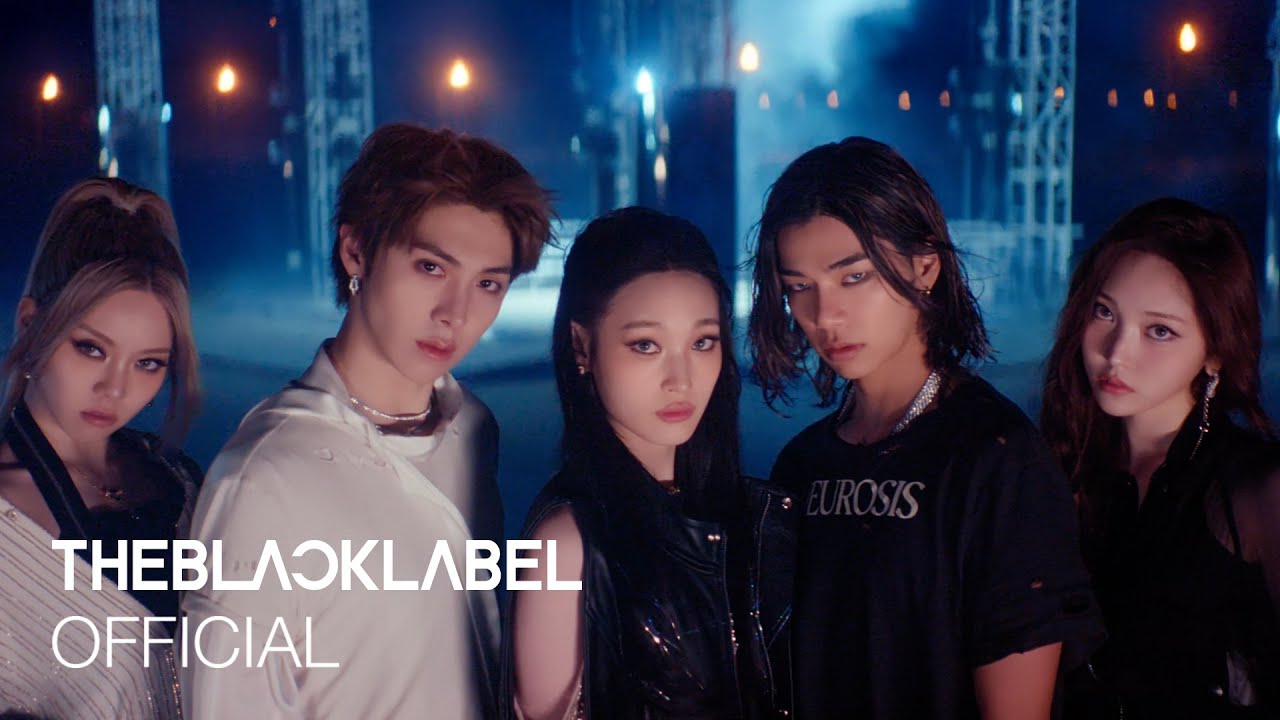
ONE MORE TIME: ALLDAY PROJECT Found a Summer Night in November
ALLDAY PROJECT found the last warm night before everybody moves away, released it in November, and let one crowded rap verse become the comment section’s emergency meeting.
Bottom line
Verdict: This is one of ALLDAY PROJECT’s easiest songs to recommend because the co-ed lineup finally sounds like one group passing the same feeling around. The chorus survives the discourse. Bailey owns the bridge without raising her voice. Woochan gets melodic room. Tarzzan’s first flow still arrives wearing muddy shoes.
Best featureA chorus that feels communal without becoming generic
Best member momentBailey’s quiet bridge
SurpriseWoochan’s singing expands the group
Main potholeTarzzan’s first English-heavy rap flow
Release file
Released: November 17, 2025
Runtime: 03:22
Label / channel trail: THEBLACKLABEL
Sound: ALLDAY PROJECT found the last warm night before everybody moves away, released it in November, and let one crowded rap verse become the comment section's emergency meeting.
Sources: Exact official playlist uploadDaily+15.2KTotal views31.6M.
What changed every time I replayed it
First listen: Why does this feel like the last warm night before everybody moves away? The drum-and-bass pulse runs, but the melody keeps looking backward.
Second listen: Bailey reached the bridge and did almost nothing obvious. The arrangement made room, the camera found her, and attention followed without being ordered.
Third listen: Woochan’s singing changed the group map. He stopped being “the rapper waiting for his section” and became another color inside the shared feeling.
Fourth listen: Tarzzan’s entrance bothered me more. The English-heavy phrases fight for oxygen. When he relaxes into Korean, the rhythm improves, which makes the earlier mismatch harder to excuse.
Fifth listen: The outro earned its anthem ending. THEBLACKLABEL likes turning every conclusion into a crowd moment, but here the song already built the emotional group chat.
What “one more time” asks for
The lyric asks for another chance before the night, relationship, or small era closes. It does not hide the feeling inside a lore document. The lights are still on. Everybody knows morning will change the room. Somebody asks for one more song, one more drive, one more try.
That plainness is a strength. Complicated metaphors would work against the communal hook. The phrase needs to be something five people can sing together and listeners can attach to different kinds of endings.
The song can be romantic, but the video widens it into friendship. “One more time” may mean the person you want. It may also mean the version of your group that exists before schedules, fame, distance, and public opinion harden around it.
There is a little denial inside the request. Another repetition will not stop time. The person asking probably knows this. The phrase creates a temporary ritual: we cannot keep the moment, but we can agree to notice it before it leaves.
That makes the song nostalgic even though it moves quickly. Nostalgia does not always sound slow. Sometimes it runs because the person knows the clock is winning.
Drum and bass carries memory forward
The production puts a warm melody over a running rhythmic engine. Drums keep the track in motion while soft vocal lines create the sensation of looking through a car window at lights that disappear behind you.
The contrast works because the beat and emotion do different jobs. Rhythm says go. Melody says remember. Neither wins. The song lives in the moment when movement and attachment occupy the same body.
The chorus sticks without becoming irritating. Its shape feels familiar enough for a crowd but distinct enough to belong to the track. Voices overlap rather than competing for a single heroic note.
Most importantly, the arrangement lets member differences sound natural. The co-ed concept no longer feels like a diagram where men rap and women sing on assigned shifts. Vocal roles cross. Textures respond. The group sounds like people, not category labels.
The production also knows when to clear space. Bailey’s bridge works because nobody surrounds her with a stunt. The song lowers its shoulders and trusts quiet magnetism.
The outro expands into communal release. I usually side-eye a label anthem ending when it appears by habit. Here, the track earns it because “one more time” was always a group request.
Five voices sharing one emotional temperature
Youngseo keeps the melodic center clean and recognizable. Her voice gives the chorus emotional clarity without oversinging the memory.
Annie sounds warmer than some of the sharper material around “FAMOUS” suggested. That warmth helps the group feel less arranged by brand identity and more connected by mood.
Bailey understands exactly how long to hold center. Her bridge proves command does not require volume. She creates stillness inside a running track.
Woochan benefits most from the song’s flexible roles. His singing adds dimension and prevents the group from dividing itself mechanically between melody and rap.
Tarzzan fits the relaxed friendship imagery and physical mood of the video. His first rap flow is still the song’s obvious weak point. The English-heavy phrasing feels packed too tightly, as if somebody tried to force two suitcases into one overhead bin.
The improvement when Tarzzan moves into Korean is important evidence. The problem is not complete rhythmic inability. It is the match between language, cadence, syllable density, and requested swagger. That can be fixed through writing and direction.
Criticism should be specific enough to leave a path forward. “He cannot rap” closes the door and invites fan war. “This English pocket crowds consonants and improves when the phrasing relaxes” identifies the problem the next recording can solve.
Youth as a place you can visit for three minutes
The video follows friends through streets, cars, lights, and rooms without forcing a villain into the story. The plot is atmosphere: people stay together while the night moves around them.
Editing follows the track. Loose scenes breathe during melodic sections. Cuts grow busier when the beat starts running. The camera does not impose one speed on every emotion.
This is why the November release felt strange to some listeners. The song looks and sounds like late summer. I do not mind. November needs stolen sunlight. Seasonal mismatch can make nostalgia stronger because the warmth already feels remembered.
Casual friendship energy keeps the track from becoming generic romantic pleading. The members do not spend the whole video paired with one love interest. Their collective chemistry becomes the thing at risk of ending.
The visual also avoids drowning in luxury. ALLDAY PROJECT carries wealth and privilege conversations everywhere, but this video sells access to a feeling more than access to an object. Cars and styling remain, yet the emotional product is belonging.
That choice does not erase class. Youth filmed with professional lighting, controlled streets, wardrobes, and expensive production still differs from ordinary life. The video packages spontaneity with a call sheet. It simply does the packaging well enough to evoke a real memory.
Details worth catching
- Mixed pacing follows the track. The edit breathes with melody and runs with percussion.
- Bailey’s bridge clears the room. Arrangement and camera trust magnetism without a stunt.
- Woochan sings. The role shift makes the co-ed setup feel less mechanically divided.
- November wears summer light. Seasonal mismatch turns warmth into something already slipping away.
- The outro becomes communal. The anthem ending works because the lyric has built a group request.
- Tarzzan’s language switch matters. A better Korean pocket shows that flow, language, and syllable density are the issue.
The interpersonal view: friendship before the schedule wins
Groups often begin with compressed intimacy. Trainees, collaborators, or friends spend long hours together because the project demands it. Success then creates separate schedules, solo opportunities, public identities, and unequal attention.
“ONE MORE TIME” captures the fantasy of pausing before those forces harden. The members appear like five people sharing a night, not five brands negotiating screen time.
That fantasy matters in a co-ed group under intense scrutiny. Every interaction can become shipping evidence, rivalry analysis, privilege discourse, or a role-ranking exercise. The song briefly allows companionship to exist without a courtroom.
The request for another moment is also an act of care. Somebody notices the group is changing and says so. Silence would let the night end unnoticed. Naming the desire creates a small shared ceremony.
The macro view: nostalgia manufactured in real time
Pop increasingly sells nostalgia before enough time has passed to earn it. Debut documentaries memorialize training before the first anniversary. Videos frame ordinary friendship as a future memory while the members are still filming it.
That can feel manipulative, but it also reflects how young people experience media now. A moment becomes content and memory almost simultaneously. The camera does not arrive after the event. It helps create the event people will later miss.
“ONE MORE TIME” understands this feedback loop. The video records the last warm night and announces that it is the last warm night at the same time. Viewers enter the memory on first watch.
From a Buddhist perspective, the wish for one more time reveals attachment. The moment matters because it ends. Repetition cannot defeat impermanence, but attention can keep impermanence from turning into neglect.
My RaeRae version: take the picture, then put the phone down long enough to give the memory something besides the picture.
What works
- The chorus is sticky without becoming annoying.
- Drum and bass creates movement while melody holds nostalgia.
- Five distinct voices share one mood.
- Bailey’s bridge uses restraint as command.
- Friendship imagery widens the lyric beyond romance.
What gets my side-eye
- Tarzzan’s first rap flow crowds the phrasing.
- The second verse interrupts emotional momentum.
- The visual packages spontaneity with obvious resources.
- Seasonal mismatch may confuse listeners expecting winter.
- The song chooses plain feeling over lyrical complication.
RaeRae verdict
“ONE MORE TIME” is a real grower with one obvious pothole. The chorus survives the discourse, the co-ed lineup sounds natural, and the video is smart enough to let the members become the event.
Four members brought me to the last night of summer. Tarzzan briefly tried to sell me crypto in the parking lot. I still stayed for the outro.
Song: 8/10.
Video: 8/10.
Replay value: 8.5/10.
Best feature: Shared emotional temperature.
Biggest complaint: Tighten the first rap pocket.
Final diagnosis: November found one warm night and refused to turn off the car.
Receipts and further digging
Verdict
ALLDAY PROJECT ONE MORE TIME React covering its drum-and-bass nostalgia, five-member chemistry, exact official MV and dance practice, member roles and the rap-flow pothole.