
I spent two hundred chapters watching these people learn how to love each other. Then somebody fell down a staircase, forgot everything, and the author tried to hand me their relationship back in factory-reset condition. Absolutely not.
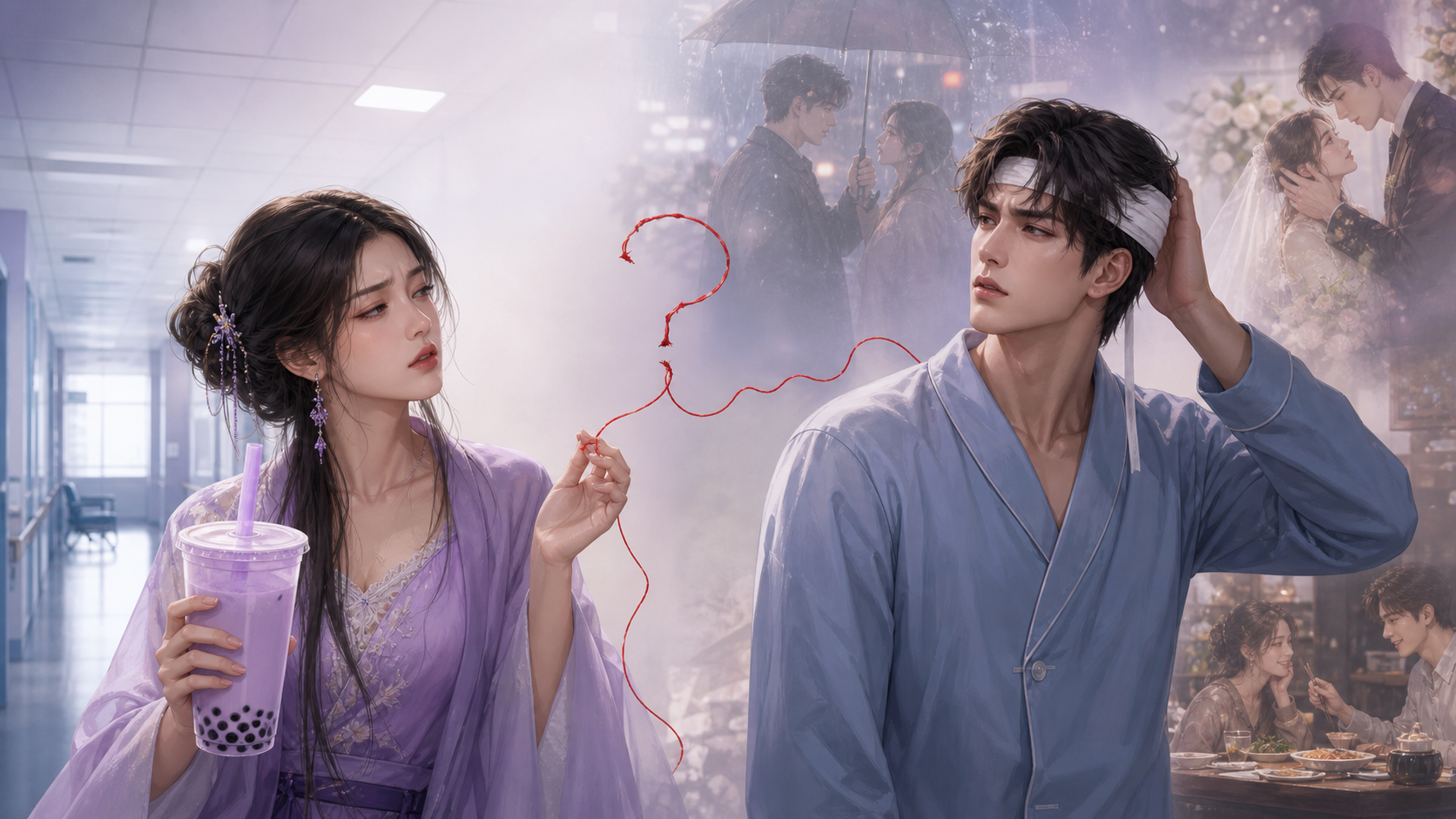
The problem is not memory loss. It is emotional theft.
Amnesia can be a fascinating premise. Identity without memory is a real question. If a person forgets a marriage, are they still the same spouse? Can love return without becoming a copy of what came before? That is good material.
My irritation begins when the story already answered those questions, built the trust, paid for the kisses with actual character growth, and then deletes the entire relationship because the plot has run out of furniture to throw. The reader remembers every sacrifice. One character does not. Suddenly the person who crawled through fire for the heroine is standing beside a hospital bed introducing himself like a delivery driver.
A popular reader discussion on Reddit describes the mid-story amnesia arc as losing the character readers followed. Another calls it artificial tension that erases development. That is exactly the bruise. We did not forget the story. We are being forced to watch it pretend it never happened.
Webnovels make the temptation worse
Serial fiction needs momentum. Chapters need hooks. Contracts reward continuation. Amnesia offers instant conflict without requiring a new villain, a new setting, or a new emotional problem. Webnovel’s own catalog is full of titles built around forgotten spouses, forgotten divorces, forgotten betrayals, and suspiciously handsome husbands appearing beside hospital beds.
She Lost Memory Before the Divorce at least places the memory loss inside the premise. The heroine wakes before a divorce and gets to reassess a seven-year marriage. That creates a story question. It does not arrive after the happy ending wearing a fake mustache.
The same platform’s recommendation pages can produce lists of memory-loss wives, CEOs, ex-husbands, mistaken husbands, and lovers rediscovered after accidents. The trope is not rare. It is practically a hospital wing.
Five ways amnesia murders a romance
- It converts earned intimacy into exposition. The partner starts explaining their own marriage like a customer-service representative reading account notes.
- It gives terrible behavior a medical coupon. Cruelty, suspicion, and emotional cheating become “understandable” because the character cannot remember. I still had to read it.
- It repeats the courtship without the original surprise. We already know they belong together. The second chase is not suspense. It is paperwork.
- It punishes the person who remembers. One partner carries every shared memory while being treated like a stranger, liar, or stalker. Romantic.
- It delays the ending instead of deepening it. If the only result is restored memory plus the same couple, the arc was a detour with medical lighting.
When it actually works
I will behave for one paragraph. Amnesia works when it changes the meaning of the story, not merely its length. Let the character discover that the old relationship was unhealthy. Let the spouse decide whether love is care or possession. Let memory return in fragments that expose competing versions of the truth. Better yet, let the couple build something new that does not depend on restoring the original person exactly as they were.
Readers in a broader discussion of the trope repeatedly make the same distinction: memory loss can work when it is integral to the story, but feels cheap when it appears to manufacture tension or erase development. I do not hate the ingredient. I hate watching it poured over a finished meal because the kitchen needs another course.
What I need writers to stop doing
- Stop curing neurological trauma with one dramatic forehead touch.
- Stop introducing a fake fiancée while the actual wife stands there collecting emotional damage.
- Stop making the amnesiac believe every villain except the person holding photographic evidence.
- Stop recovering every memory at the exact second the love interest is about to leave forever.
- Stop calling it a second-chance romance when only one person received the chance and the other received suffering.