
Utuk’ku Did Not Just Murder Amerasu. She Murdered the Explanation.
The timing is the crime scene: Amerasu says she understands Ineluki’s design, and the enemy reaches through the Mist-Lamp before she can finish the sentence.
The villain heard “I understand” and immediately scheduled a home invasion
Amerasu spends the end of Stone of Farewell doing what half the continent has needed for two books: she separates grief from strategy.
She remembers Ineluki as living fire and names the hatred sustaining what he became. She identifies Utuk’ku’s terror of Unbeing. She indicts the Sithi for making death into a cherished companion. Then she says the dangerous words.
She understands the enemy’s design.
Utuk’ku does not debate her. She does not offer a competing interpretation. She does not even wait for the paragraph to become quotable.
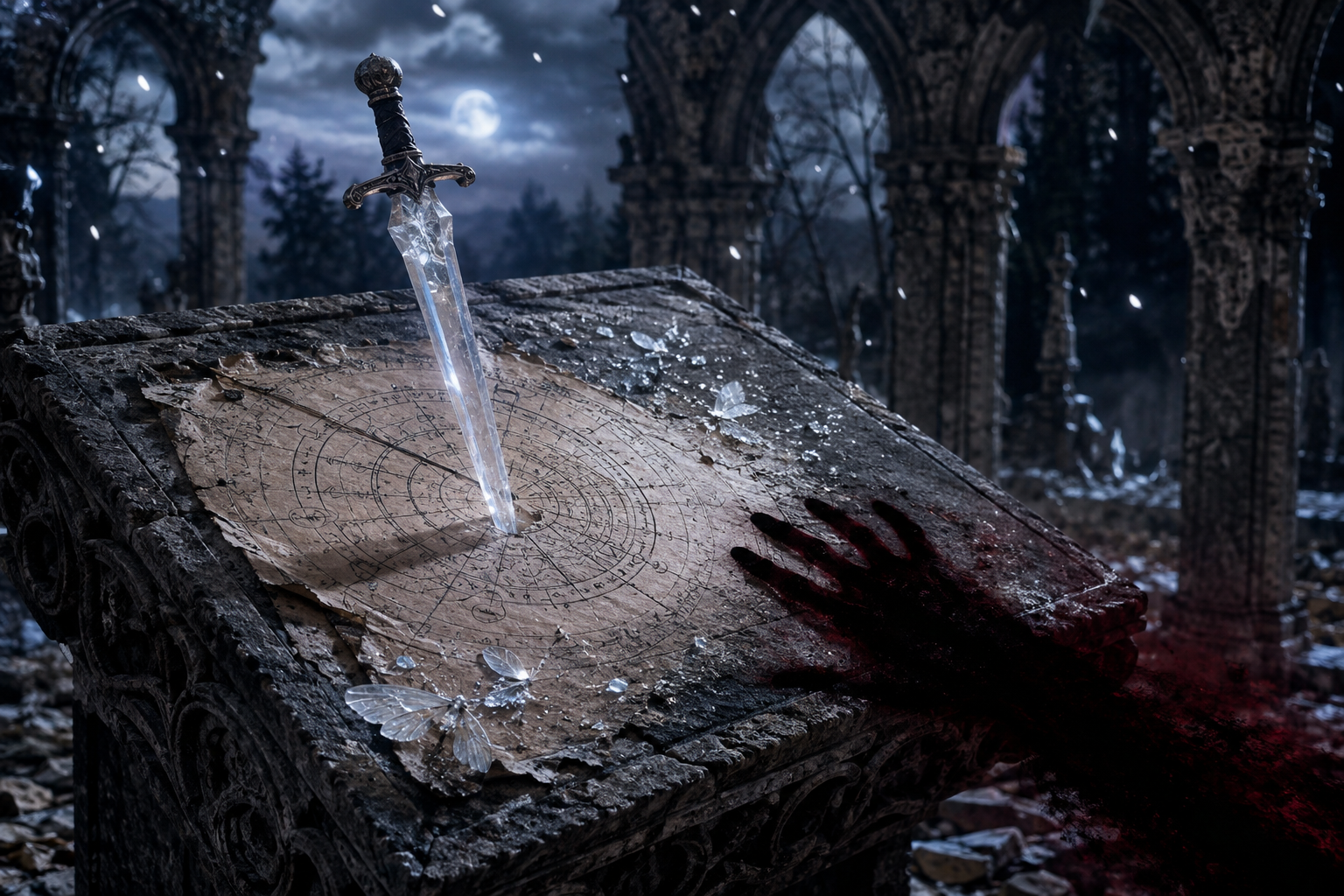
She interrupts the connection, threatens Amerasu, breaches the sanctuary, and ensures Ingen Jegger’s crystal dagger ends the explanation with the woman giving it.
That is not ordinary villain timing. That is information control.
The interrupted sentence is evidence
A lesser version of this scene would use Amerasu’s death to raise emotional stakes. This version murders her at the exact point where knowledge could reorganize resistance.
The distinction matters. Amerasu is not killed because she is merely beloved, ancient, or symbolically important. She becomes intolerable when memory turns into actionable understanding.
Utuk’ku’s intervention confirms the explanation had strategic value before readers ever learn its full content. The enemy’s panic is a receipt.
We do not know the design yet. We know that allowing Amerasu to describe it was more dangerous to Utuk’ku than revealing her reach into Jao é-Tinukai’i.
This series keeps showing who gets killed when knowledge becomes public
Morgenes dies after turning private scholarship into rescue. Jarnauga carries records into a political council and pays for being understood too late. Amerasu’s knowledge becomes lethal when she tries to move her people from beautiful withdrawal toward collective action.
The pattern is not “books are magic” in the decorative library-candle sense. Knowledge is infrastructure. It changes alliances, exposes manufactured history, identifies mechanisms, and makes obedience harder.
That is why power attacks the witness, the archive, the messenger, and the explanation. If you cannot defeat the evidence, interrupt its delivery and turn the resulting violence into the only story anybody remembers.
The Red Hand makes spectacle carry the silence away
The fiery, light-devouring Red Hand breaches the Yásira. White hounds invade. Jingizu is recovered in a hound’s jaws. The living butterfly roof ignites. The hidden sanctuary becomes an image so enormous that the missing sentence risks disappearing behind it.
Do not let it.
The spectacle and the silencing are one operation. The attack destroys safety, retrieves a sword, forces the Sithi into war, and kills the person who recognized the larger plan before she could translate recognition into resistance.
Those are not separate villain errands. They are a coordinated seizure of knowledge and initiative.
Amerasu’s death changes the politics because her speech already did
The Sithi move after her murder, but the movement does not begin with the dagger. It begins when Amerasu refuses the emotional vocabulary that made passivity sound sacred.
She tells her people that their relationship with death is not wisdom. She identifies the cost of disappearing beautifully. She makes participation imaginable before violence makes it unavoidable.
Utuk’ku can kill the speaker. She cannot make the indictment unheard.
Final word
Amerasu’s murder is heartbreaking. The interrupted explanation is infuriating.
Utuk’ku understands that information becomes dangerous when it connects history to mechanism and mechanism to action. She attacks at the moment those connections are about to become public.
So yes, mourn Amerasu.
Then circle the unfinished sentence in red.
The enemy did.
On the record
This rant is grounded in the complete owner-accessed Kindle edition of Stone of Farewell through page 589 and its appendix reference layer. It remains one canonical Book 2 editorial for the scoped and franchise Rants shelves.