
Volume 7 · Story arcs · Full spoilers
Seven movements. The book decides the count.
No template number pasted over the novel. These are the seven actual changes in what Haruhime, Bell and the city believe is possible.
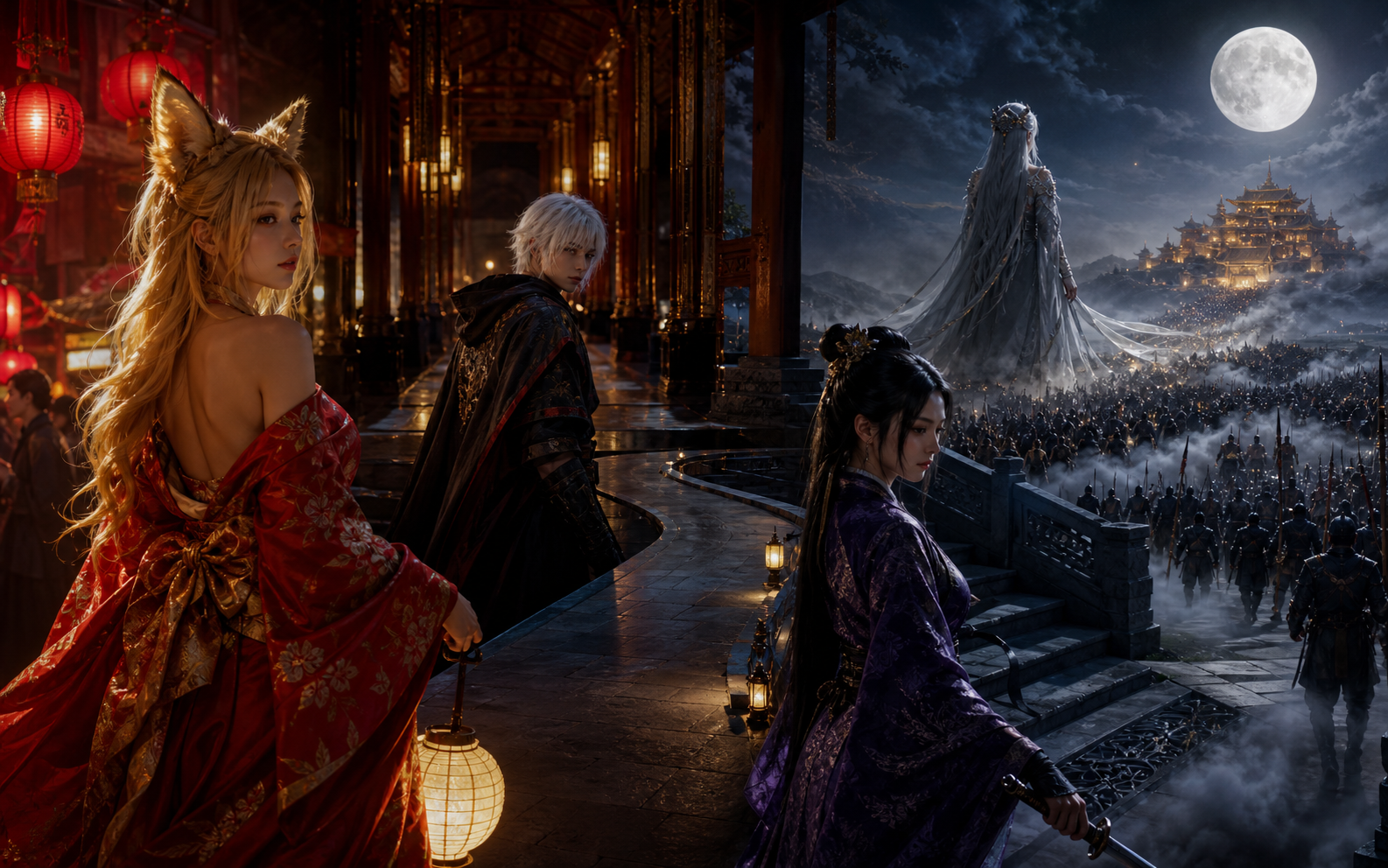
The seven actual movements
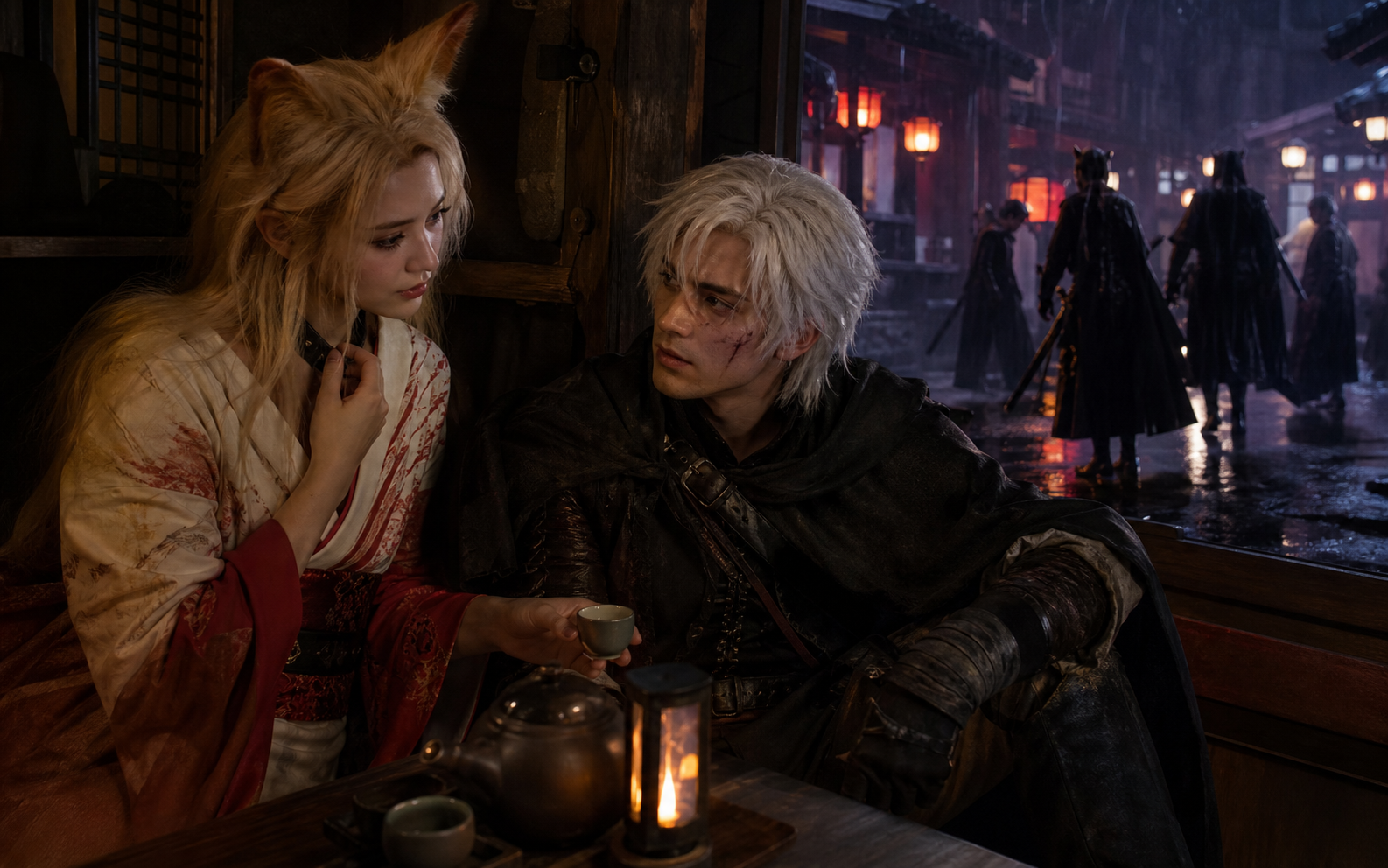
Movement 1
The Night District and the fox-woman
Bell meets Haruhime as a person before the rescue plot can turn her into an objective.
Why these are the arcs
Each movement changes who owns the decision.
The opening movement belongs to Haruhime as host. She shelters Bell, speaks with him and exists before the machinery of rescue arrives. The second movement belongs to shame: Bell learns that the locked door is not only Ishtar Familia but Haruhime’s conviction that she deserves the life forced on her. Those are separate dramatic conditions, so they are separate arcs. Treating them as one chase sequence would erase the book’s actual argument.
The Killing Stone revelation changes the scale again. Keeping Haruhime captive is already abuse; fragmenting her magic turns that abuse into policy and logistics. Once the ritual is known, every faction has to act against a deadline. Bell and Mikoto’s return forms the fourth movement because they are no longer gathering information. They cross into open defiance and accept the cost of being seen.
The bridge and ritual collapse make the fifth movement physical. Mikoto chooses Haruhime over her own safety, Bell destroys the stone and the apparent objective is achieved. Then the sixth movement refuses the easy ending. Haruhime’s request, Aisha’s challenge and Uchide no Kozuchi transfer the final say back to Haruhime. Rescue becomes consent plus action, not possession with nicer branding.
The Goddess War is the seventh movement because it changes Orario’s power structure after the personal rescue has already been decided. Freya removes Ishtar, but Freya’s motive keeps the victory morally untidy. The welcome into Hestia Familia supplies the answer military victory cannot: somewhere Haruhime can live after everyone stops applauding. Seven movements, seven changes in agency. No number was pasted over the source.

Movement 2
The shame Haruhime carries
Her self-condemnation becomes the deepest structure Bell cannot solve with force.
Why these are the arcs
Each movement changes who owns the decision.
The opening movement belongs to Haruhime as host. She shelters Bell, speaks with him and exists before the machinery of rescue arrives. The second movement belongs to shame: Bell learns that the locked door is not only Ishtar Familia but Haruhime’s conviction that she deserves the life forced on her. Those are separate dramatic conditions, so they are separate arcs. Treating them as one chase sequence would erase the book’s actual argument.
The Killing Stone revelation changes the scale again. Keeping Haruhime captive is already abuse; fragmenting her magic turns that abuse into policy and logistics. Once the ritual is known, every faction has to act against a deadline. Bell and Mikoto’s return forms the fourth movement because they are no longer gathering information. They cross into open defiance and accept the cost of being seen.
The bridge and ritual collapse make the fifth movement physical. Mikoto chooses Haruhime over her own safety, Bell destroys the stone and the apparent objective is achieved. Then the sixth movement refuses the easy ending. Haruhime’s request, Aisha’s challenge and Uchide no Kozuchi transfer the final say back to Haruhime. Rescue becomes consent plus action, not possession with nicer branding.
The Goddess War is the seventh movement because it changes Orario’s power structure after the personal rescue has already been decided. Freya removes Ishtar, but Freya’s motive keeps the victory morally untidy. The welcome into Hestia Familia supplies the answer military victory cannot: somewhere Haruhime can live after everyone stops applauding. Seven movements, seven changes in agency. No number was pasted over the source.
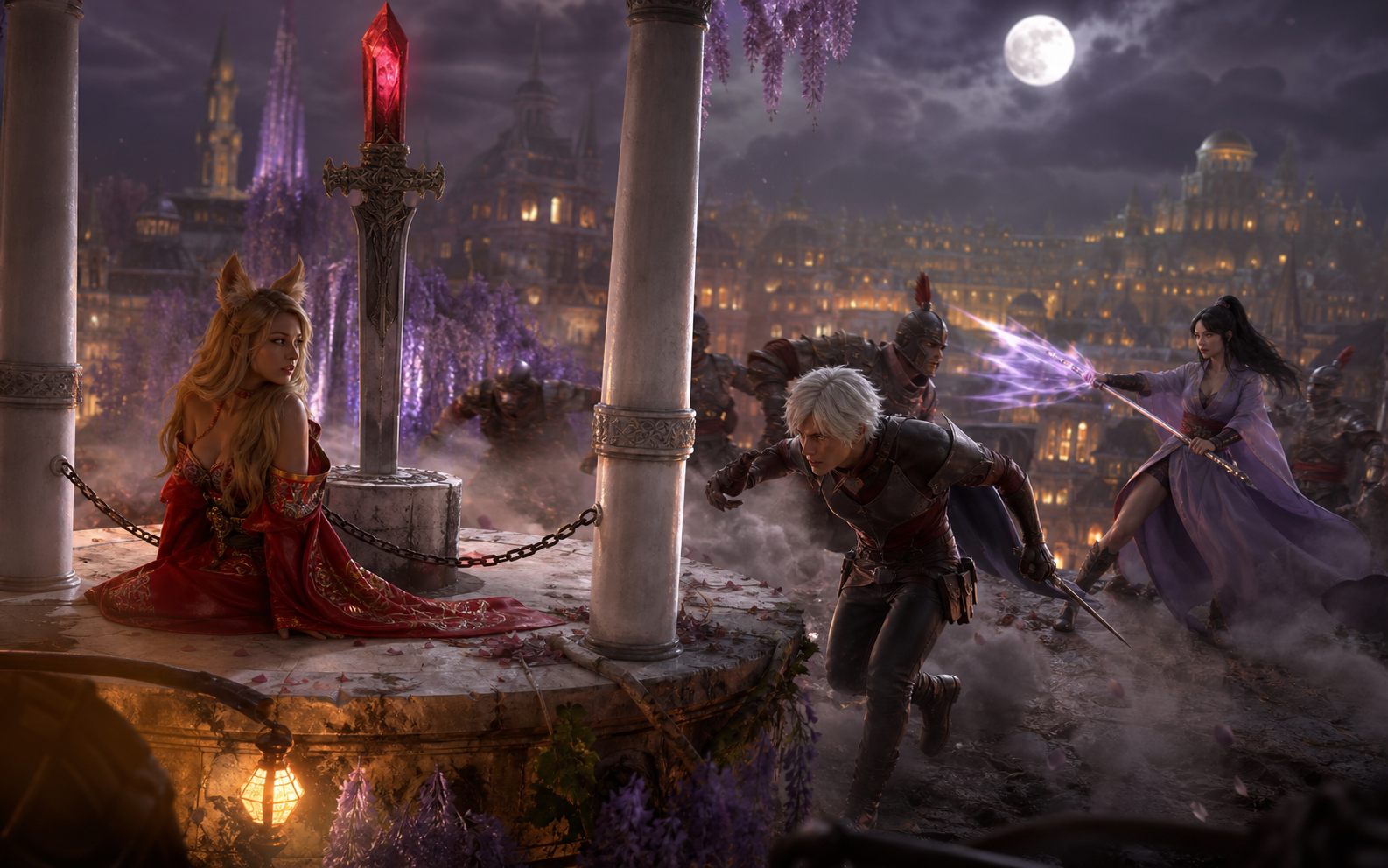
Movement 3
The Killing Stone is exposed
A rescue mission becomes a race against ritualized magical dismemberment.
Why these are the arcs
Each movement changes who owns the decision.
The opening movement belongs to Haruhime as host. She shelters Bell, speaks with him and exists before the machinery of rescue arrives. The second movement belongs to shame: Bell learns that the locked door is not only Ishtar Familia but Haruhime’s conviction that she deserves the life forced on her. Those are separate dramatic conditions, so they are separate arcs. Treating them as one chase sequence would erase the book’s actual argument.
The Killing Stone revelation changes the scale again. Keeping Haruhime captive is already abuse; fragmenting her magic turns that abuse into policy and logistics. Once the ritual is known, every faction has to act against a deadline. Bell and Mikoto’s return forms the fourth movement because they are no longer gathering information. They cross into open defiance and accept the cost of being seen.
The bridge and ritual collapse make the fifth movement physical. Mikoto chooses Haruhime over her own safety, Bell destroys the stone and the apparent objective is achieved. Then the sixth movement refuses the easy ending. Haruhime’s request, Aisha’s challenge and Uchide no Kozuchi transfer the final say back to Haruhime. Rescue becomes consent plus action, not possession with nicer branding.
The Goddess War is the seventh movement because it changes Orario’s power structure after the personal rescue has already been decided. Freya removes Ishtar, but Freya’s motive keeps the victory morally untidy. The welcome into Hestia Familia supplies the answer military victory cannot: somewhere Haruhime can live after everyone stops applauding. Seven movements, seven changes in agency. No number was pasted over the source.
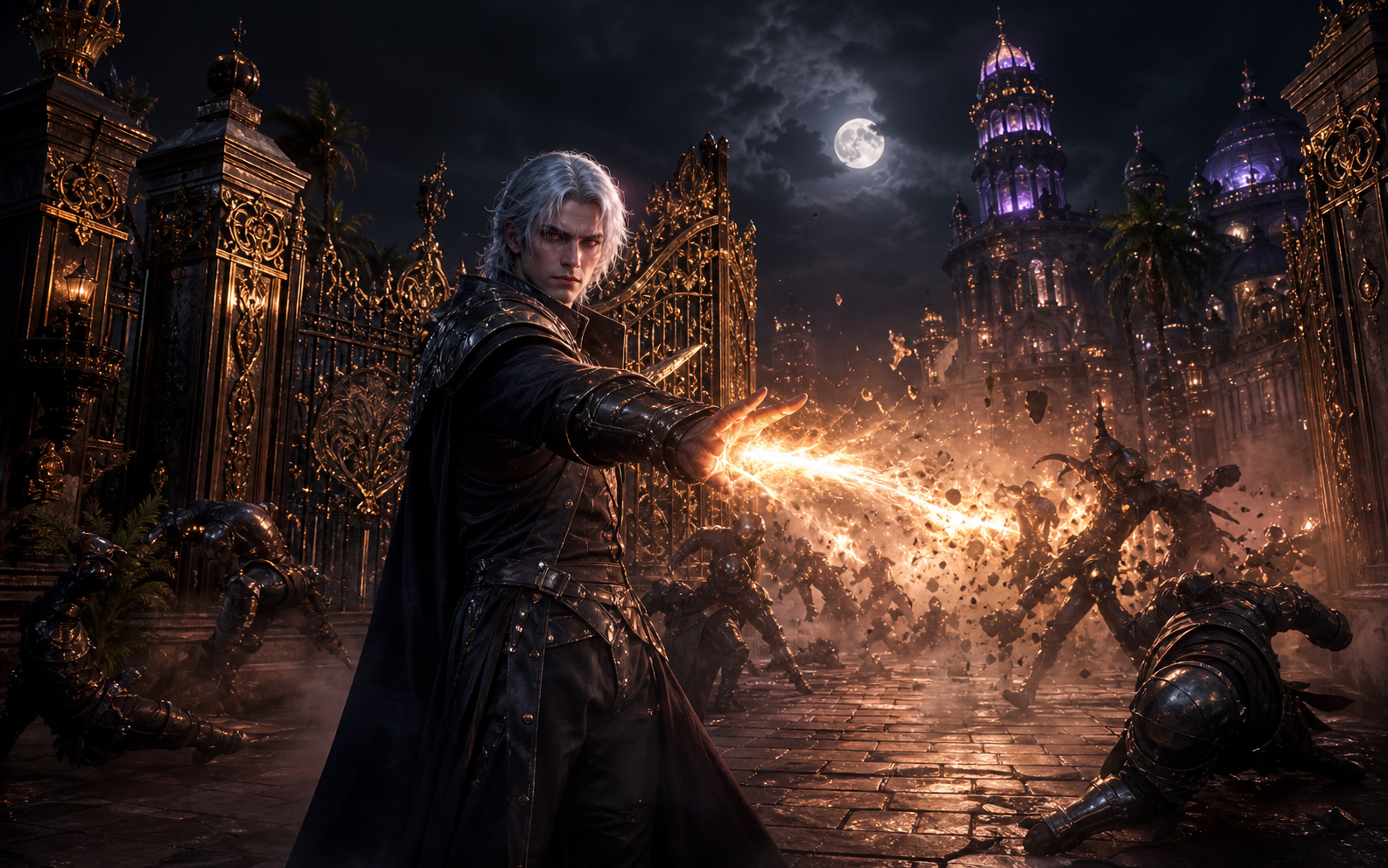
Movement 4
Bell and Mikoto return
The people Haruhime protected come back through the front door with fewer illusions and more weapons.
Why these are the arcs
Each movement changes who owns the decision.
The opening movement belongs to Haruhime as host. She shelters Bell, speaks with him and exists before the machinery of rescue arrives. The second movement belongs to shame: Bell learns that the locked door is not only Ishtar Familia but Haruhime’s conviction that she deserves the life forced on her. Those are separate dramatic conditions, so they are separate arcs. Treating them as one chase sequence would erase the book’s actual argument.
The Killing Stone revelation changes the scale again. Keeping Haruhime captive is already abuse; fragmenting her magic turns that abuse into policy and logistics. Once the ritual is known, every faction has to act against a deadline. Bell and Mikoto’s return forms the fourth movement because they are no longer gathering information. They cross into open defiance and accept the cost of being seen.
The bridge and ritual collapse make the fifth movement physical. Mikoto chooses Haruhime over her own safety, Bell destroys the stone and the apparent objective is achieved. Then the sixth movement refuses the easy ending. Haruhime’s request, Aisha’s challenge and Uchide no Kozuchi transfer the final say back to Haruhime. Rescue becomes consent plus action, not possession with nicer branding.
The Goddess War is the seventh movement because it changes Orario’s power structure after the personal rescue has already been decided. Freya removes Ishtar, but Freya’s motive keeps the victory morally untidy. The welcome into Hestia Familia supplies the answer military victory cannot: somewhere Haruhime can live after everyone stops applauding. Seven movements, seven changes in agency. No number was pasted over the source.
Movement 5
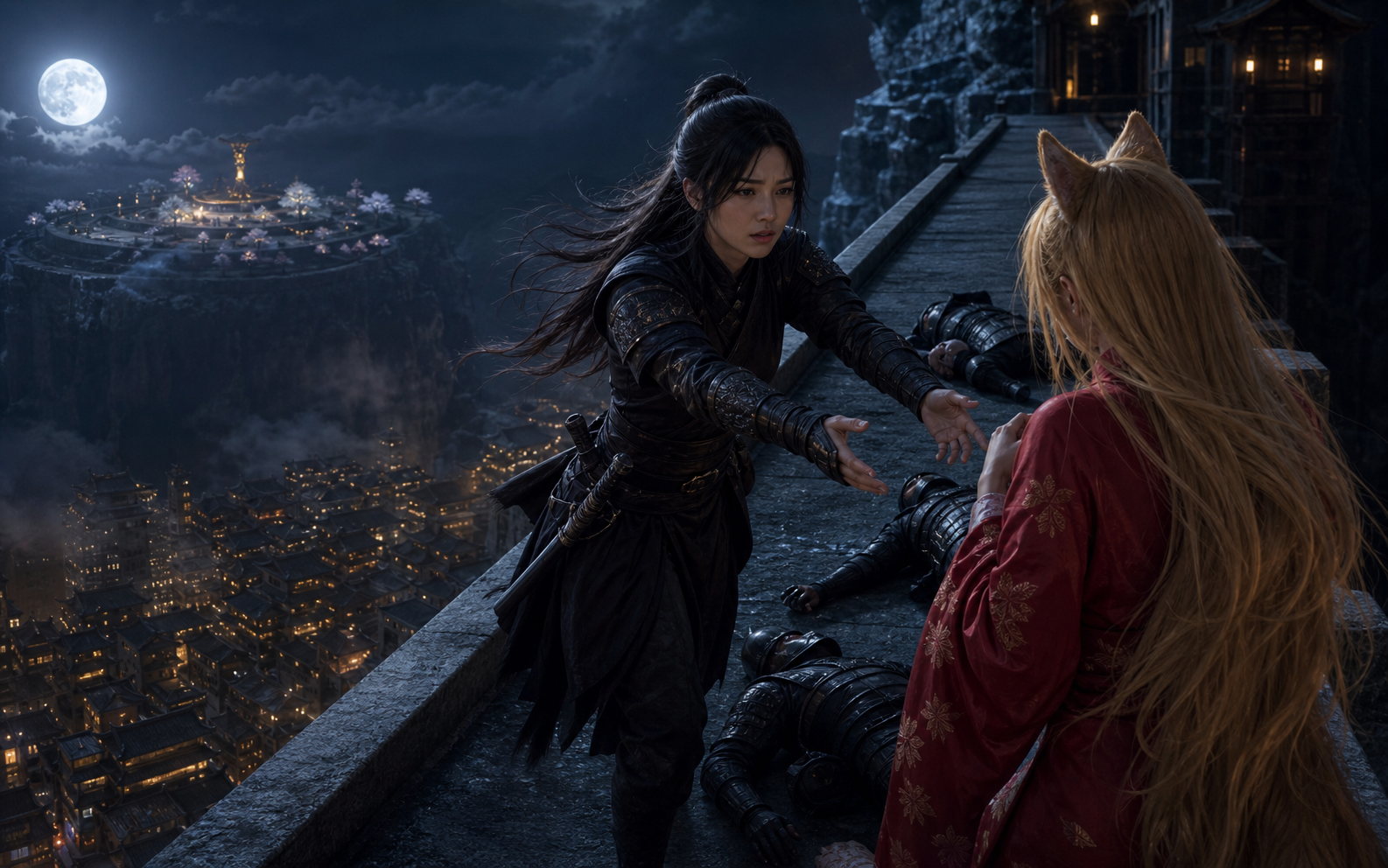
Bridge, sacrifice and broken ritual
Mikoto risks the fall; the formation collapses; Bell reaches the stone.
Why these are the arcs
Each movement changes who owns the decision.
The opening movement belongs to Haruhime as host. She shelters Bell, speaks with him and exists before the machinery of rescue arrives. The second movement belongs to shame: Bell learns that the locked door is not only Ishtar Familia but Haruhime’s conviction that she deserves the life forced on her. Those are separate dramatic conditions, so they are separate arcs. Treating them as one chase sequence would erase the book’s actual argument.
The Killing Stone revelation changes the scale again. Keeping Haruhime captive is already abuse; fragmenting her magic turns that abuse into policy and logistics. Once the ritual is known, every faction has to act against a deadline. Bell and Mikoto’s return forms the fourth movement because they are no longer gathering information. They cross into open defiance and accept the cost of being seen.
The bridge and ritual collapse make the fifth movement physical. Mikoto chooses Haruhime over her own safety, Bell destroys the stone and the apparent objective is achieved. Then the sixth movement refuses the easy ending. Haruhime’s request, Aisha’s challenge and Uchide no Kozuchi transfer the final say back to Haruhime. Rescue becomes consent plus action, not possession with nicer branding.
The Goddess War is the seventh movement because it changes Orario’s power structure after the personal rescue has already been decided. Freya removes Ishtar, but Freya’s motive keeps the victory morally untidy. The welcome into Hestia Familia supplies the answer military victory cannot: somewhere Haruhime can live after everyone stops applauding. Seven movements, seven changes in agency. No number was pasted over the source.
Movement 6
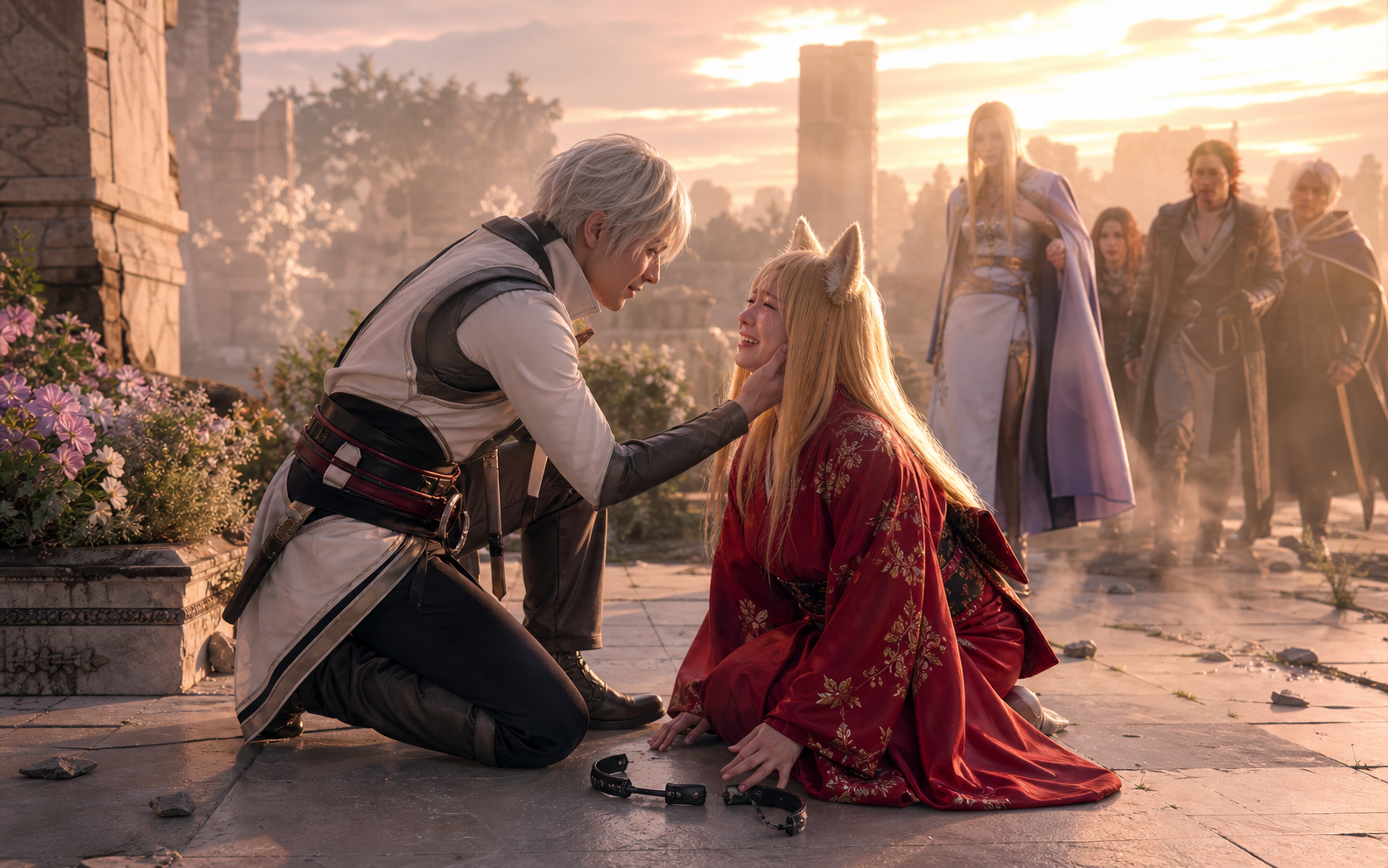
Haruhime chooses rescue
The emotional climax belongs to her request and the magic she later casts by choice.
Why these are the arcs
Each movement changes who owns the decision.
The opening movement belongs to Haruhime as host. She shelters Bell, speaks with him and exists before the machinery of rescue arrives. The second movement belongs to shame: Bell learns that the locked door is not only Ishtar Familia but Haruhime’s conviction that she deserves the life forced on her. Those are separate dramatic conditions, so they are separate arcs. Treating them as one chase sequence would erase the book’s actual argument.
The Killing Stone revelation changes the scale again. Keeping Haruhime captive is already abuse; fragmenting her magic turns that abuse into policy and logistics. Once the ritual is known, every faction has to act against a deadline. Bell and Mikoto’s return forms the fourth movement because they are no longer gathering information. They cross into open defiance and accept the cost of being seen.
The bridge and ritual collapse make the fifth movement physical. Mikoto chooses Haruhime over her own safety, Bell destroys the stone and the apparent objective is achieved. Then the sixth movement refuses the easy ending. Haruhime’s request, Aisha’s challenge and Uchide no Kozuchi transfer the final say back to Haruhime. Rescue becomes consent plus action, not possession with nicer branding.
The Goddess War is the seventh movement because it changes Orario’s power structure after the personal rescue has already been decided. Freya removes Ishtar, but Freya’s motive keeps the victory morally untidy. The welcome into Hestia Familia supplies the answer military victory cannot: somewhere Haruhime can live after everyone stops applauding. Seven movements, seven changes in agency. No number was pasted over the source.
Movement 7
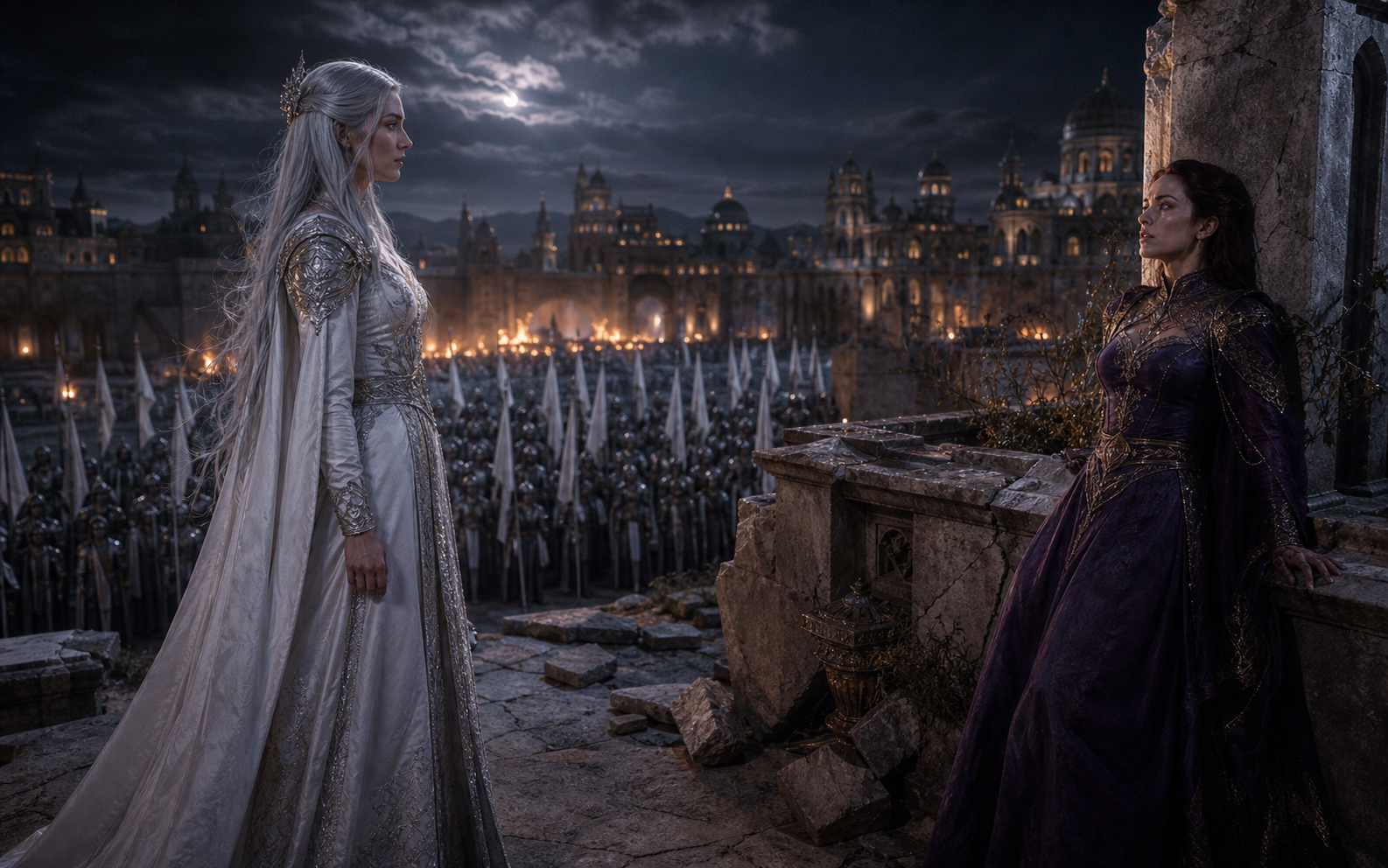
The Goddess War and welcome home
Freya destroys Ishtar’s position; Hestia Familia gives Haruhime what victory alone cannot: a home.
Why these are the arcs
Each movement changes who owns the decision.
The opening movement belongs to Haruhime as host. She shelters Bell, speaks with him and exists before the machinery of rescue arrives. The second movement belongs to shame: Bell learns that the locked door is not only Ishtar Familia but Haruhime’s conviction that she deserves the life forced on her. Those are separate dramatic conditions, so they are separate arcs. Treating them as one chase sequence would erase the book’s actual argument.
The Killing Stone revelation changes the scale again. Keeping Haruhime captive is already abuse; fragmenting her magic turns that abuse into policy and logistics. Once the ritual is known, every faction has to act against a deadline. Bell and Mikoto’s return forms the fourth movement because they are no longer gathering information. They cross into open defiance and accept the cost of being seen.
The bridge and ritual collapse make the fifth movement physical. Mikoto chooses Haruhime over her own safety, Bell destroys the stone and the apparent objective is achieved. Then the sixth movement refuses the easy ending. Haruhime’s request, Aisha’s challenge and Uchide no Kozuchi transfer the final say back to Haruhime. Rescue becomes consent plus action, not possession with nicer branding.
The Goddess War is the seventh movement because it changes Orario’s power structure after the personal rescue has already been decided. Freya removes Ishtar, but Freya’s motive keeps the victory morally untidy. The welcome into Hestia Familia supplies the answer military victory cannot: somewhere Haruhime can live after everyone stops applauding. Seven movements, seven changes in agency. No number was pasted over the source.