
Volume 7 · Plot · Full spoilers
A rescue can break every gate and still fail at the final door.
Twelve pictured turns from Haruhime sheltering a stranger to choosing her own magic.
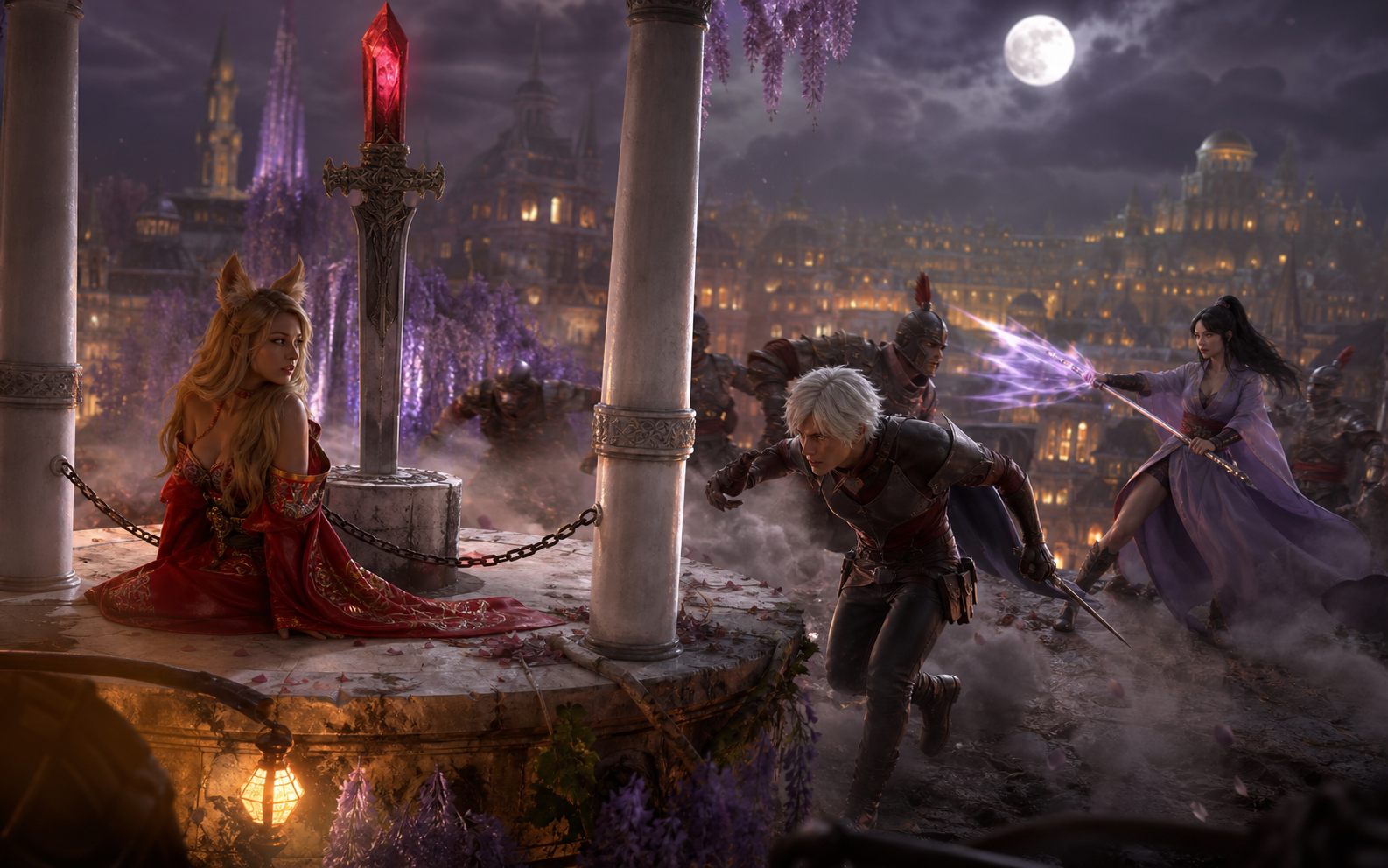
The complete plot in twelve pictured turns
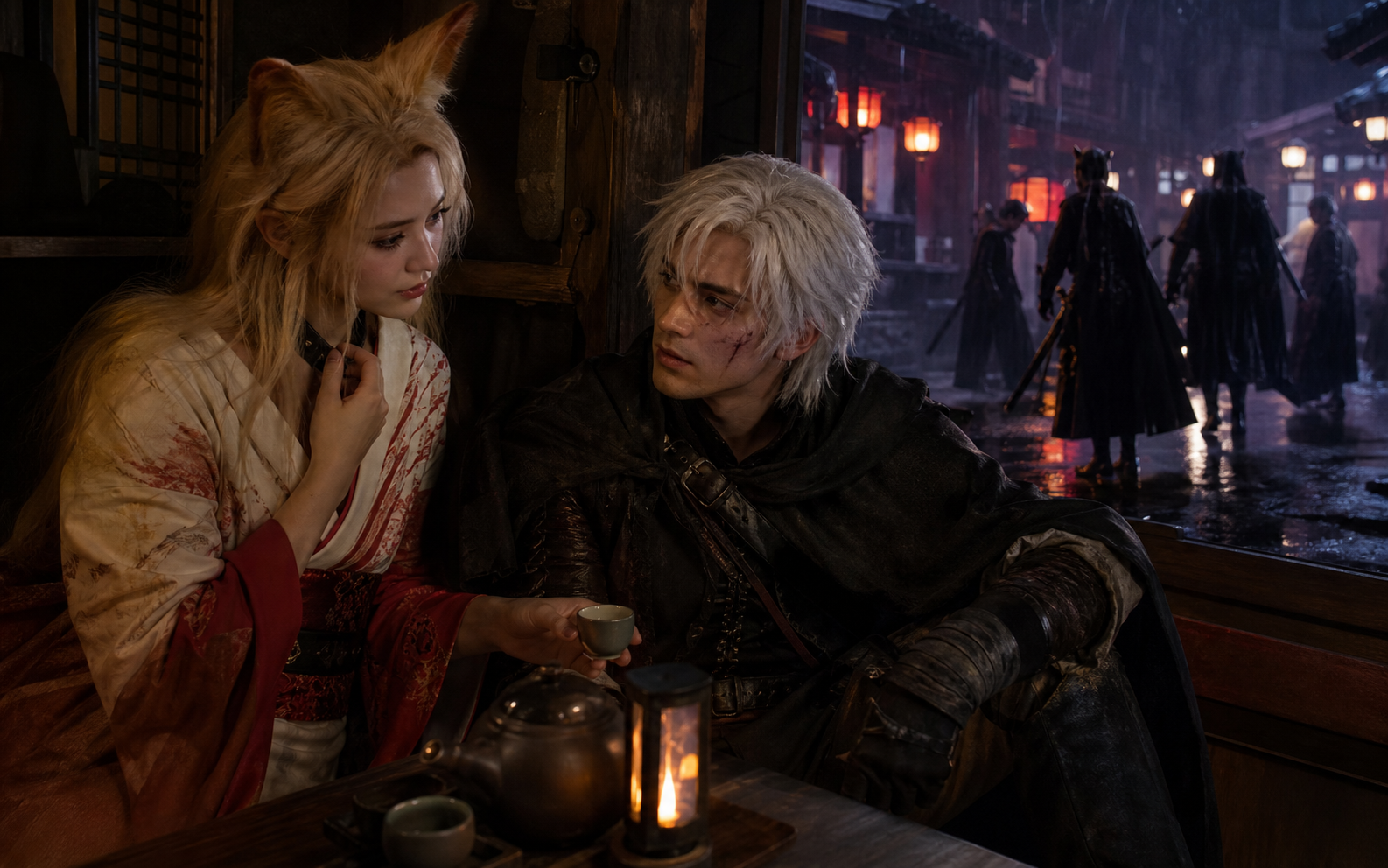
Turn 01
The Night District finds Bell
Bell enters hostile territory, gets injured and wakes beneath Haruhime’s protection before he knows her name.
RaeRae’s full plot file
The rescue keeps changing shape because Haruhime is never just an objective.
Bell’s first trip into the Night District begins with embarrassment and danger, not a heroic plan. He gets separated, hurt and sheltered by a woman who expects nothing from him because she expects almost nothing for herself. That order matters. Bell meets Haruhime before he learns the language everybody else uses to classify her. He hears her kindness before he hears Ishtar Familia’s claim. The book gives Haruhime a human entrance and then shows how thoroughly the district has trained her to argue against her own rescue.
Mikoto’s recognition turns the private encounter into an old wound. Haruhime is the missing girl from her childhood, but reunion does not magically restore the person she remembers. Mikoto brings love, guilt and urgency into the plan; Haruhime brings years of believing she has forfeited the right to go home. Hermes and Aisha expose the Killing Stone ritual, and suddenly the danger is not merely that Ishtar will keep Haruhime. Ishtar intends to break her magic into pieces that other fighters can use. The institution has moved from controlling a woman to literally distributing her value.
The return to the Night District is where Bell stops being a visitor. He breaks the gate because negotiation has already been made fraudulent by the ritual clock. Mikoto answers massed magic with Ignis Fatuus and takes the bridge fall because Haruhime’s life is worth a choice that cannot be taken back. Bell reaches the Killing Stone and shatters the object everyone has been chasing. It is a gorgeous action climax. It is also deliberately incomplete. The stone is broken; Haruhime still believes she is the broken thing.
That is why her request lands harder than the siege. Bell cannot punch internalized shame. Mikoto cannot repay childhood guilt by deciding for her. Aisha cannot protect Haruhime forever while leaving the logic of Ishtar’s household untouched. Haruhime has to want the door, and the novel lets that wanting arrive frightened, late and imperfect. When she finally asks Bell to save her, the rescue becomes hers rather than something performed over her head.
Aisha’s duel then tests the promise after its prettiest moment. She knows Haruhime, knows Bell’s reputation and knows how easily heroic declarations can disappear once the rescued woman becomes complicated. Bell survives the test, but Haruhime completes it by casting Uchide no Kozuchi of her own will. The same magic Ishtar meant to harvest becomes Haruhime’s contribution to the people who came back for her. Freya’s assault ends Ishtar’s rule and closes the military conflict, yet the book refuses to pretend Freya acted from sisterhood. Haruhime is freed as collateral to another goddess’s desire for Bell. The honest ending is the welcome home: food, safety, awkward affection and a Familia that makes room after the spectacle is over.

Turn 02
A fox-woman tells herself the wrong story
Haruhime has absorbed every verdict around her and mistakes suffering for proof that she deserves it.
RaeRae’s full plot file
The rescue keeps changing shape because Haruhime is never just an objective.
Bell’s first trip into the Night District begins with embarrassment and danger, not a heroic plan. He gets separated, hurt and sheltered by a woman who expects nothing from him because she expects almost nothing for herself. That order matters. Bell meets Haruhime before he learns the language everybody else uses to classify her. He hears her kindness before he hears Ishtar Familia’s claim. The book gives Haruhime a human entrance and then shows how thoroughly the district has trained her to argue against her own rescue.
Mikoto’s recognition turns the private encounter into an old wound. Haruhime is the missing girl from her childhood, but reunion does not magically restore the person she remembers. Mikoto brings love, guilt and urgency into the plan; Haruhime brings years of believing she has forfeited the right to go home. Hermes and Aisha expose the Killing Stone ritual, and suddenly the danger is not merely that Ishtar will keep Haruhime. Ishtar intends to break her magic into pieces that other fighters can use. The institution has moved from controlling a woman to literally distributing her value.
The return to the Night District is where Bell stops being a visitor. He breaks the gate because negotiation has already been made fraudulent by the ritual clock. Mikoto answers massed magic with Ignis Fatuus and takes the bridge fall because Haruhime’s life is worth a choice that cannot be taken back. Bell reaches the Killing Stone and shatters the object everyone has been chasing. It is a gorgeous action climax. It is also deliberately incomplete. The stone is broken; Haruhime still believes she is the broken thing.
That is why her request lands harder than the siege. Bell cannot punch internalized shame. Mikoto cannot repay childhood guilt by deciding for her. Aisha cannot protect Haruhime forever while leaving the logic of Ishtar’s household untouched. Haruhime has to want the door, and the novel lets that wanting arrive frightened, late and imperfect. When she finally asks Bell to save her, the rescue becomes hers rather than something performed over her head.
Aisha’s duel then tests the promise after its prettiest moment. She knows Haruhime, knows Bell’s reputation and knows how easily heroic declarations can disappear once the rescued woman becomes complicated. Bell survives the test, but Haruhime completes it by casting Uchide no Kozuchi of her own will. The same magic Ishtar meant to harvest becomes Haruhime’s contribution to the people who came back for her. Freya’s assault ends Ishtar’s rule and closes the military conflict, yet the book refuses to pretend Freya acted from sisterhood. Haruhime is freed as collateral to another goddess’s desire for Bell. The honest ending is the welcome home: food, safety, awkward affection and a Familia that makes room after the spectacle is over.
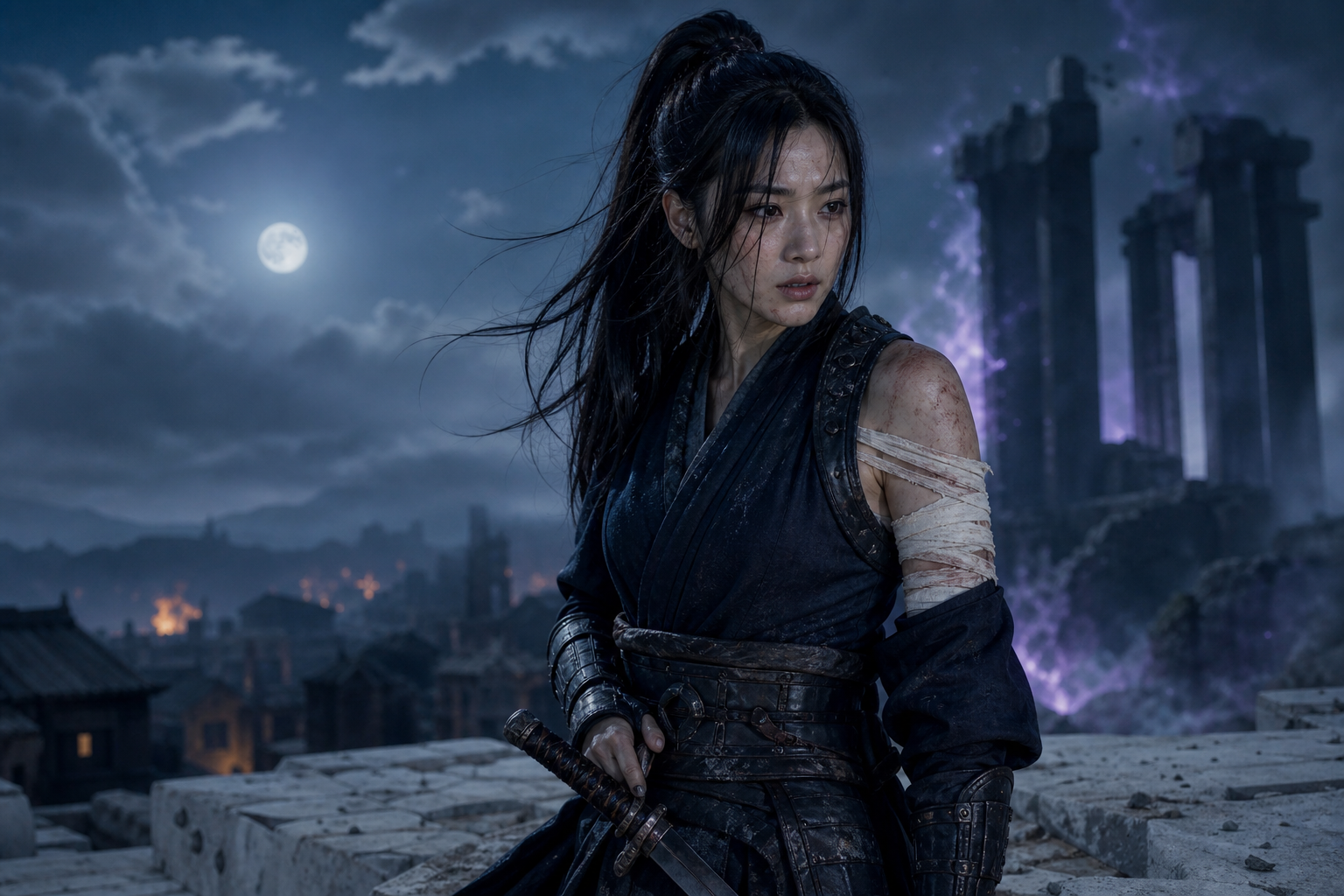
Turn 03
Mikoto recognizes the girl she lost
The missing childhood friend is alive, trapped and surrounded by a Familia that treats rescue as theft.
RaeRae’s full plot file
The rescue keeps changing shape because Haruhime is never just an objective.
Bell’s first trip into the Night District begins with embarrassment and danger, not a heroic plan. He gets separated, hurt and sheltered by a woman who expects nothing from him because she expects almost nothing for herself. That order matters. Bell meets Haruhime before he learns the language everybody else uses to classify her. He hears her kindness before he hears Ishtar Familia’s claim. The book gives Haruhime a human entrance and then shows how thoroughly the district has trained her to argue against her own rescue.
Mikoto’s recognition turns the private encounter into an old wound. Haruhime is the missing girl from her childhood, but reunion does not magically restore the person she remembers. Mikoto brings love, guilt and urgency into the plan; Haruhime brings years of believing she has forfeited the right to go home. Hermes and Aisha expose the Killing Stone ritual, and suddenly the danger is not merely that Ishtar will keep Haruhime. Ishtar intends to break her magic into pieces that other fighters can use. The institution has moved from controlling a woman to literally distributing her value.
The return to the Night District is where Bell stops being a visitor. He breaks the gate because negotiation has already been made fraudulent by the ritual clock. Mikoto answers massed magic with Ignis Fatuus and takes the bridge fall because Haruhime’s life is worth a choice that cannot be taken back. Bell reaches the Killing Stone and shatters the object everyone has been chasing. It is a gorgeous action climax. It is also deliberately incomplete. The stone is broken; Haruhime still believes she is the broken thing.
That is why her request lands harder than the siege. Bell cannot punch internalized shame. Mikoto cannot repay childhood guilt by deciding for her. Aisha cannot protect Haruhime forever while leaving the logic of Ishtar’s household untouched. Haruhime has to want the door, and the novel lets that wanting arrive frightened, late and imperfect. When she finally asks Bell to save her, the rescue becomes hers rather than something performed over her head.
Aisha’s duel then tests the promise after its prettiest moment. She knows Haruhime, knows Bell’s reputation and knows how easily heroic declarations can disappear once the rescued woman becomes complicated. Bell survives the test, but Haruhime completes it by casting Uchide no Kozuchi of her own will. The same magic Ishtar meant to harvest becomes Haruhime’s contribution to the people who came back for her. Freya’s assault ends Ishtar’s rule and closes the military conflict, yet the book refuses to pretend Freya acted from sisterhood. Haruhime is freed as collateral to another goddess’s desire for Bell. The honest ending is the welcome home: food, safety, awkward affection and a Familia that makes room after the spectacle is over.
Turn 04
The rescue plan discovers the Killing Stone
Hermes, Aisha and the others expose a ritual designed to divide Haruhime’s magic into usable fragments.
RaeRae’s full plot file
The rescue keeps changing shape because Haruhime is never just an objective.
Bell’s first trip into the Night District begins with embarrassment and danger, not a heroic plan. He gets separated, hurt and sheltered by a woman who expects nothing from him because she expects almost nothing for herself. That order matters. Bell meets Haruhime before he learns the language everybody else uses to classify her. He hears her kindness before he hears Ishtar Familia’s claim. The book gives Haruhime a human entrance and then shows how thoroughly the district has trained her to argue against her own rescue.
Mikoto’s recognition turns the private encounter into an old wound. Haruhime is the missing girl from her childhood, but reunion does not magically restore the person she remembers. Mikoto brings love, guilt and urgency into the plan; Haruhime brings years of believing she has forfeited the right to go home. Hermes and Aisha expose the Killing Stone ritual, and suddenly the danger is not merely that Ishtar will keep Haruhime. Ishtar intends to break her magic into pieces that other fighters can use. The institution has moved from controlling a woman to literally distributing her value.
The return to the Night District is where Bell stops being a visitor. He breaks the gate because negotiation has already been made fraudulent by the ritual clock. Mikoto answers massed magic with Ignis Fatuus and takes the bridge fall because Haruhime’s life is worth a choice that cannot be taken back. Bell reaches the Killing Stone and shatters the object everyone has been chasing. It is a gorgeous action climax. It is also deliberately incomplete. The stone is broken; Haruhime still believes she is the broken thing.
That is why her request lands harder than the siege. Bell cannot punch internalized shame. Mikoto cannot repay childhood guilt by deciding for her. Aisha cannot protect Haruhime forever while leaving the logic of Ishtar’s household untouched. Haruhime has to want the door, and the novel lets that wanting arrive frightened, late and imperfect. When she finally asks Bell to save her, the rescue becomes hers rather than something performed over her head.
Aisha’s duel then tests the promise after its prettiest moment. She knows Haruhime, knows Bell’s reputation and knows how easily heroic declarations can disappear once the rescued woman becomes complicated. Bell survives the test, but Haruhime completes it by casting Uchide no Kozuchi of her own will. The same magic Ishtar meant to harvest becomes Haruhime’s contribution to the people who came back for her. Freya’s assault ends Ishtar’s rule and closes the military conflict, yet the book refuses to pretend Freya acted from sisterhood. Haruhime is freed as collateral to another goddess’s desire for Bell. The honest ending is the welcome home: food, safety, awkward affection and a Familia that makes room after the spectacle is over.
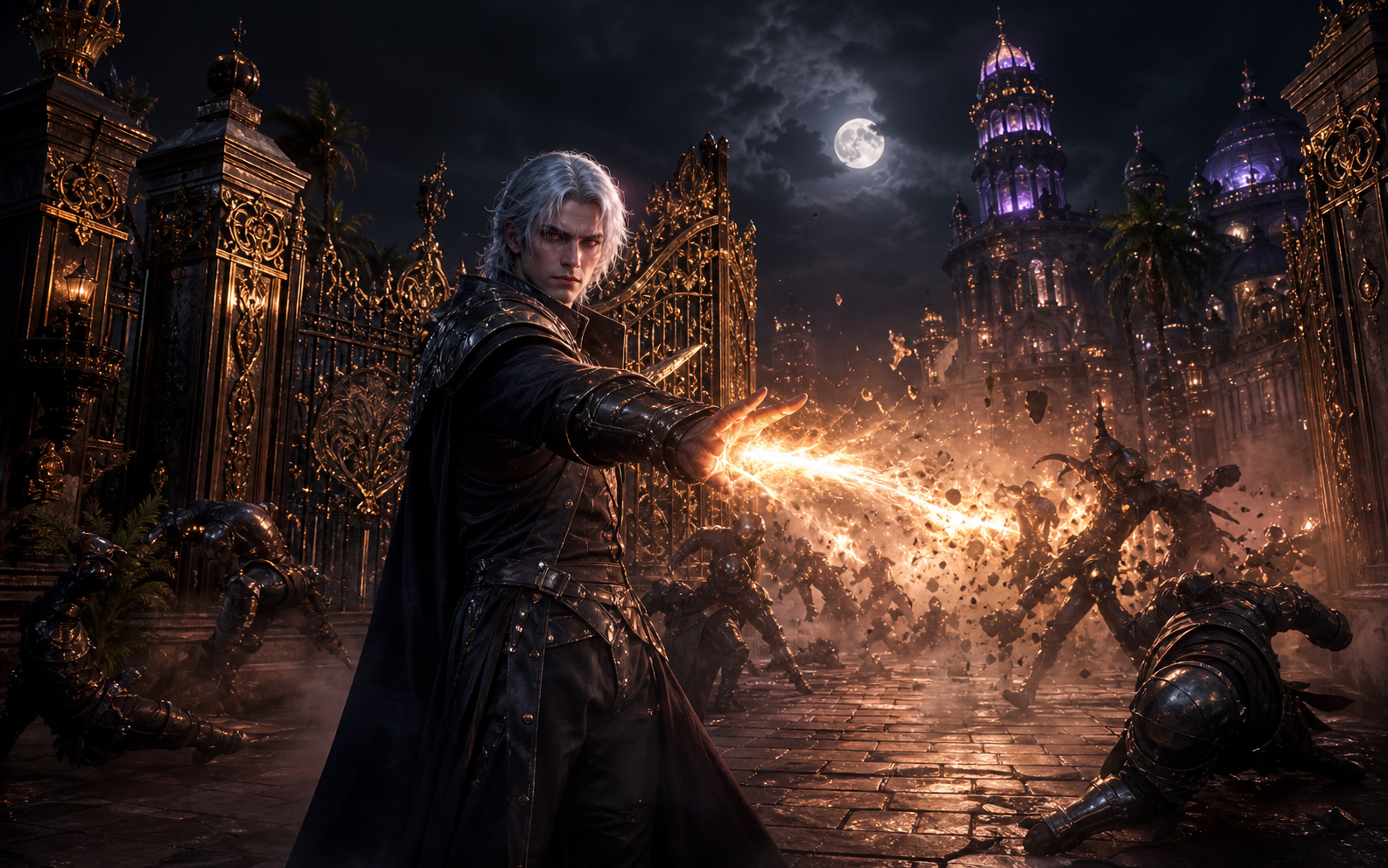
Turn 05
Bell stops knocking
The second entry into the Night District is not tourism. Bell turns the gate into an announcement.
RaeRae’s full plot file
The rescue keeps changing shape because Haruhime is never just an objective.
Bell’s first trip into the Night District begins with embarrassment and danger, not a heroic plan. He gets separated, hurt and sheltered by a woman who expects nothing from him because she expects almost nothing for herself. That order matters. Bell meets Haruhime before he learns the language everybody else uses to classify her. He hears her kindness before he hears Ishtar Familia’s claim. The book gives Haruhime a human entrance and then shows how thoroughly the district has trained her to argue against her own rescue.
Mikoto’s recognition turns the private encounter into an old wound. Haruhime is the missing girl from her childhood, but reunion does not magically restore the person she remembers. Mikoto brings love, guilt and urgency into the plan; Haruhime brings years of believing she has forfeited the right to go home. Hermes and Aisha expose the Killing Stone ritual, and suddenly the danger is not merely that Ishtar will keep Haruhime. Ishtar intends to break her magic into pieces that other fighters can use. The institution has moved from controlling a woman to literally distributing her value.
The return to the Night District is where Bell stops being a visitor. He breaks the gate because negotiation has already been made fraudulent by the ritual clock. Mikoto answers massed magic with Ignis Fatuus and takes the bridge fall because Haruhime’s life is worth a choice that cannot be taken back. Bell reaches the Killing Stone and shatters the object everyone has been chasing. It is a gorgeous action climax. It is also deliberately incomplete. The stone is broken; Haruhime still believes she is the broken thing.
That is why her request lands harder than the siege. Bell cannot punch internalized shame. Mikoto cannot repay childhood guilt by deciding for her. Aisha cannot protect Haruhime forever while leaving the logic of Ishtar’s household untouched. Haruhime has to want the door, and the novel lets that wanting arrive frightened, late and imperfect. When she finally asks Bell to save her, the rescue becomes hers rather than something performed over her head.
Aisha’s duel then tests the promise after its prettiest moment. She knows Haruhime, knows Bell’s reputation and knows how easily heroic declarations can disappear once the rescued woman becomes complicated. Bell survives the test, but Haruhime completes it by casting Uchide no Kozuchi of her own will. The same magic Ishtar meant to harvest becomes Haruhime’s contribution to the people who came back for her. Freya’s assault ends Ishtar’s rule and closes the military conflict, yet the book refuses to pretend Freya acted from sisterhood. Haruhime is freed as collateral to another goddess’s desire for Bell. The honest ending is the welcome home: food, safety, awkward affection and a Familia that makes room after the spectacle is over.
Turn 06
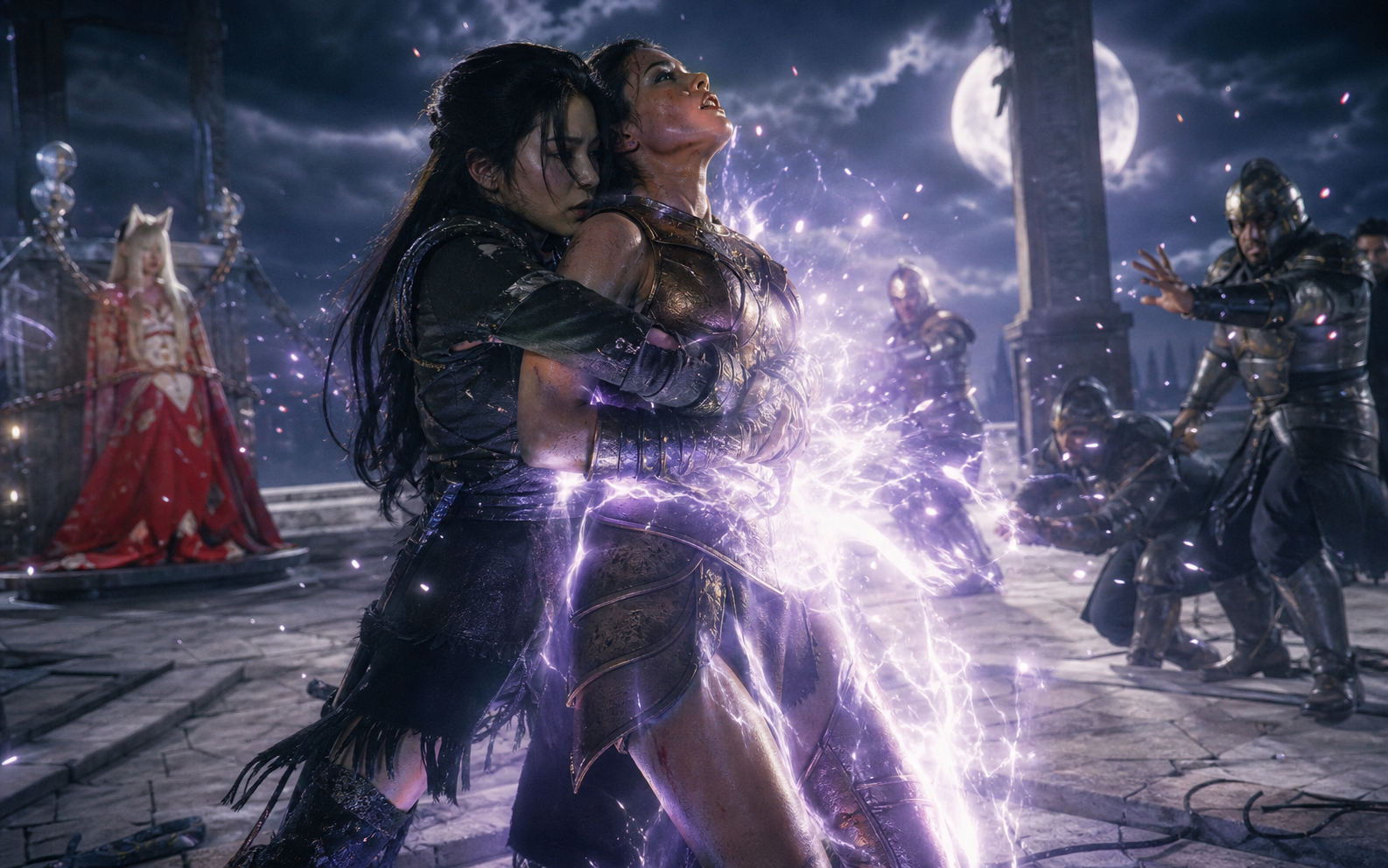
Mikoto detonates the spellwork
Ignis Fatuus makes the enemy magic betray its casters while Mikoto risks everything to break the ritual formation.
RaeRae’s full plot file
The rescue keeps changing shape because Haruhime is never just an objective.
Bell’s first trip into the Night District begins with embarrassment and danger, not a heroic plan. He gets separated, hurt and sheltered by a woman who expects nothing from him because she expects almost nothing for herself. That order matters. Bell meets Haruhime before he learns the language everybody else uses to classify her. He hears her kindness before he hears Ishtar Familia’s claim. The book gives Haruhime a human entrance and then shows how thoroughly the district has trained her to argue against her own rescue.
Mikoto’s recognition turns the private encounter into an old wound. Haruhime is the missing girl from her childhood, but reunion does not magically restore the person she remembers. Mikoto brings love, guilt and urgency into the plan; Haruhime brings years of believing she has forfeited the right to go home. Hermes and Aisha expose the Killing Stone ritual, and suddenly the danger is not merely that Ishtar will keep Haruhime. Ishtar intends to break her magic into pieces that other fighters can use. The institution has moved from controlling a woman to literally distributing her value.
The return to the Night District is where Bell stops being a visitor. He breaks the gate because negotiation has already been made fraudulent by the ritual clock. Mikoto answers massed magic with Ignis Fatuus and takes the bridge fall because Haruhime’s life is worth a choice that cannot be taken back. Bell reaches the Killing Stone and shatters the object everyone has been chasing. It is a gorgeous action climax. It is also deliberately incomplete. The stone is broken; Haruhime still believes she is the broken thing.
That is why her request lands harder than the siege. Bell cannot punch internalized shame. Mikoto cannot repay childhood guilt by deciding for her. Aisha cannot protect Haruhime forever while leaving the logic of Ishtar’s household untouched. Haruhime has to want the door, and the novel lets that wanting arrive frightened, late and imperfect. When she finally asks Bell to save her, the rescue becomes hers rather than something performed over her head.
Aisha’s duel then tests the promise after its prettiest moment. She knows Haruhime, knows Bell’s reputation and knows how easily heroic declarations can disappear once the rescued woman becomes complicated. Bell survives the test, but Haruhime completes it by casting Uchide no Kozuchi of her own will. The same magic Ishtar meant to harvest becomes Haruhime’s contribution to the people who came back for her. Freya’s assault ends Ishtar’s rule and closes the military conflict, yet the book refuses to pretend Freya acted from sisterhood. Haruhime is freed as collateral to another goddess’s desire for Bell. The honest ending is the welcome home: food, safety, awkward affection and a Familia that makes room after the spectacle is over.
Turn 07
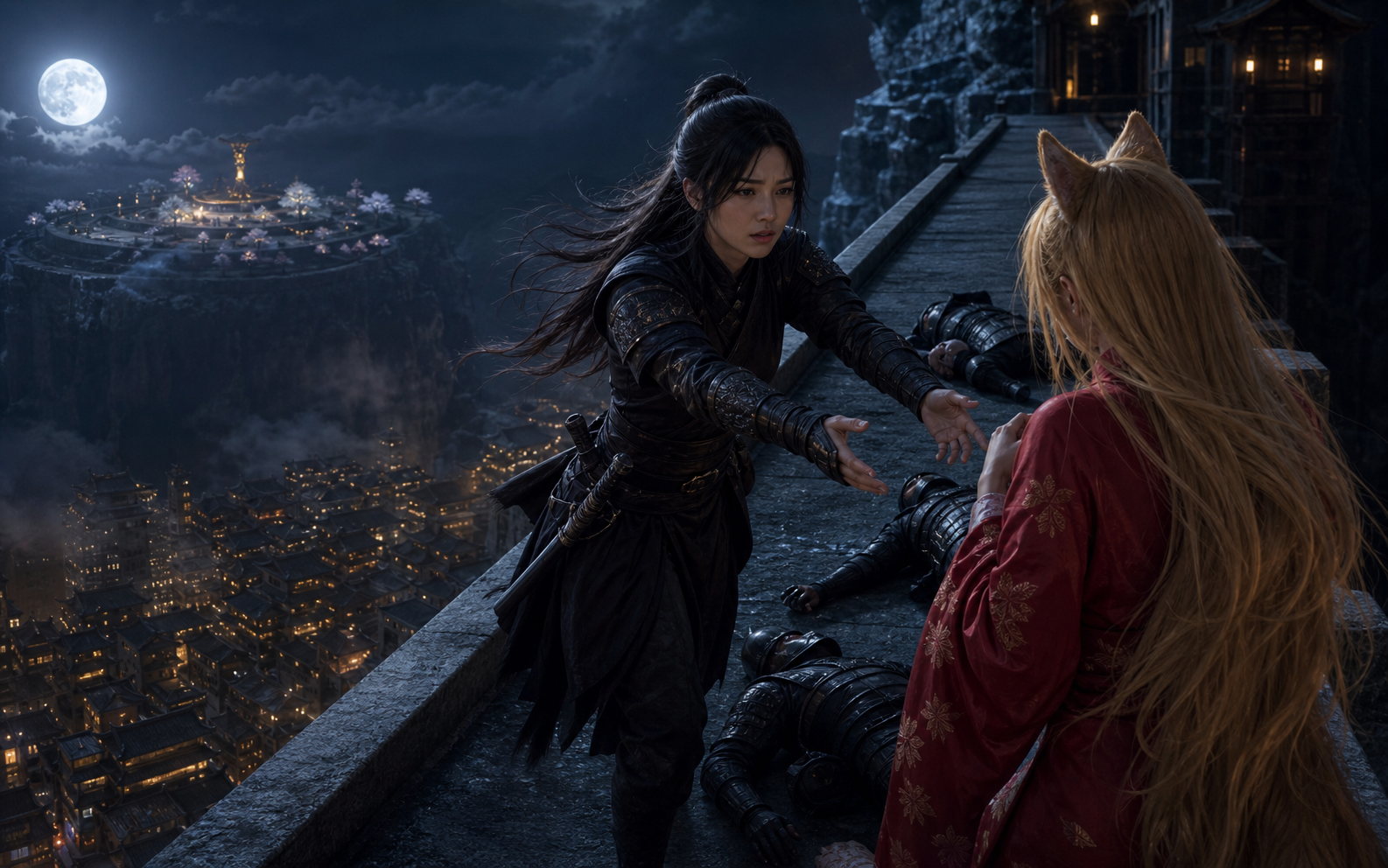
The bridge takes its price
Mikoto saves Haruhime and falls, making loyalty physical rather than decorative.
RaeRae’s full plot file
The rescue keeps changing shape because Haruhime is never just an objective.
Bell’s first trip into the Night District begins with embarrassment and danger, not a heroic plan. He gets separated, hurt and sheltered by a woman who expects nothing from him because she expects almost nothing for herself. That order matters. Bell meets Haruhime before he learns the language everybody else uses to classify her. He hears her kindness before he hears Ishtar Familia’s claim. The book gives Haruhime a human entrance and then shows how thoroughly the district has trained her to argue against her own rescue.
Mikoto’s recognition turns the private encounter into an old wound. Haruhime is the missing girl from her childhood, but reunion does not magically restore the person she remembers. Mikoto brings love, guilt and urgency into the plan; Haruhime brings years of believing she has forfeited the right to go home. Hermes and Aisha expose the Killing Stone ritual, and suddenly the danger is not merely that Ishtar will keep Haruhime. Ishtar intends to break her magic into pieces that other fighters can use. The institution has moved from controlling a woman to literally distributing her value.
The return to the Night District is where Bell stops being a visitor. He breaks the gate because negotiation has already been made fraudulent by the ritual clock. Mikoto answers massed magic with Ignis Fatuus and takes the bridge fall because Haruhime’s life is worth a choice that cannot be taken back. Bell reaches the Killing Stone and shatters the object everyone has been chasing. It is a gorgeous action climax. It is also deliberately incomplete. The stone is broken; Haruhime still believes she is the broken thing.
That is why her request lands harder than the siege. Bell cannot punch internalized shame. Mikoto cannot repay childhood guilt by deciding for her. Aisha cannot protect Haruhime forever while leaving the logic of Ishtar’s household untouched. Haruhime has to want the door, and the novel lets that wanting arrive frightened, late and imperfect. When she finally asks Bell to save her, the rescue becomes hers rather than something performed over her head.
Aisha’s duel then tests the promise after its prettiest moment. She knows Haruhime, knows Bell’s reputation and knows how easily heroic declarations can disappear once the rescued woman becomes complicated. Bell survives the test, but Haruhime completes it by casting Uchide no Kozuchi of her own will. The same magic Ishtar meant to harvest becomes Haruhime’s contribution to the people who came back for her. Freya’s assault ends Ishtar’s rule and closes the military conflict, yet the book refuses to pretend Freya acted from sisterhood. Haruhime is freed as collateral to another goddess’s desire for Bell. The honest ending is the welcome home: food, safety, awkward affection and a Familia that makes room after the spectacle is over.
Turn 08
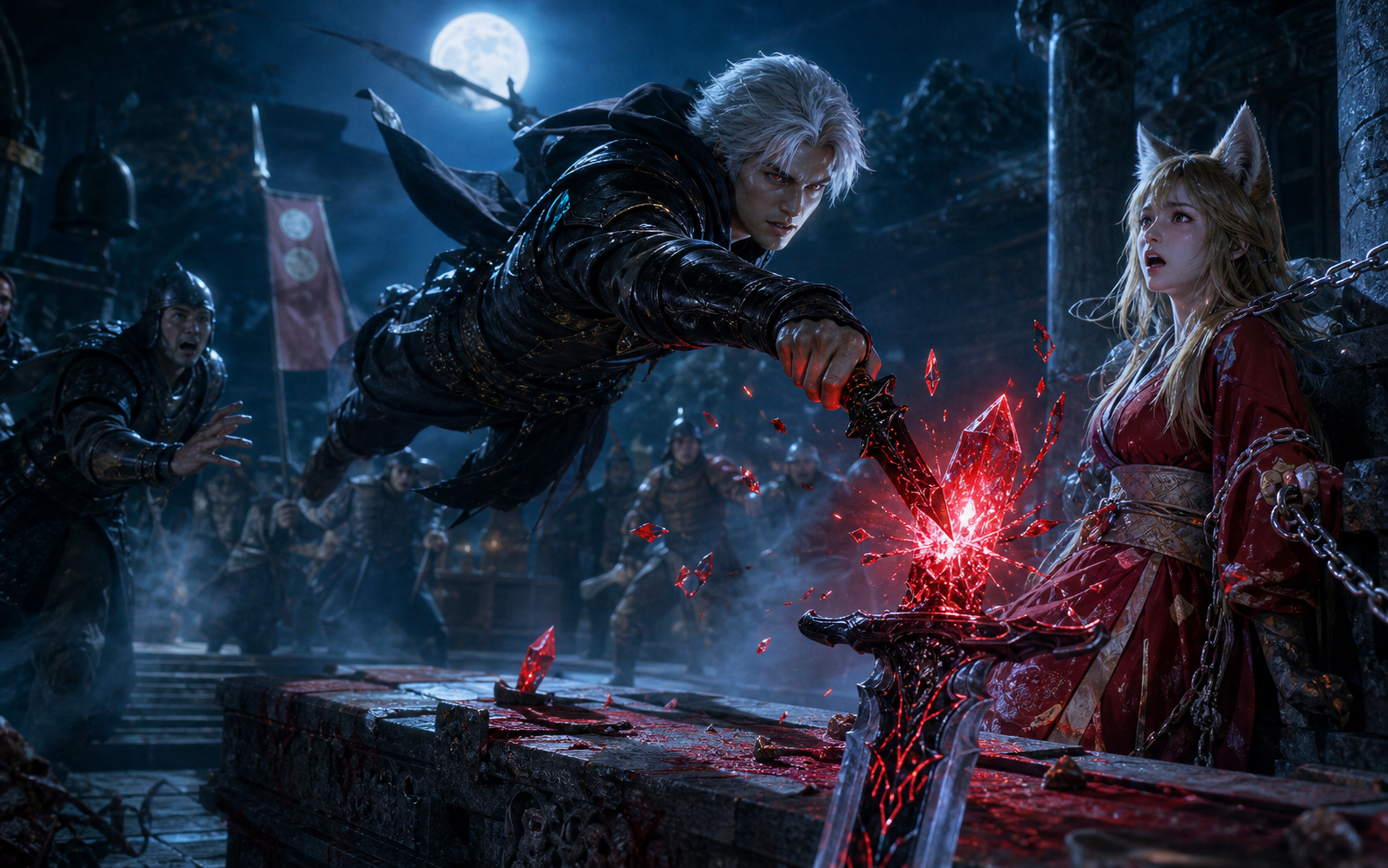
The Killing Stone shatters
Bell destroys the ritual object, but Haruhime still believes a broken stone cannot make her worth saving.
RaeRae’s full plot file
The rescue keeps changing shape because Haruhime is never just an objective.
Bell’s first trip into the Night District begins with embarrassment and danger, not a heroic plan. He gets separated, hurt and sheltered by a woman who expects nothing from him because she expects almost nothing for herself. That order matters. Bell meets Haruhime before he learns the language everybody else uses to classify her. He hears her kindness before he hears Ishtar Familia’s claim. The book gives Haruhime a human entrance and then shows how thoroughly the district has trained her to argue against her own rescue.
Mikoto’s recognition turns the private encounter into an old wound. Haruhime is the missing girl from her childhood, but reunion does not magically restore the person she remembers. Mikoto brings love, guilt and urgency into the plan; Haruhime brings years of believing she has forfeited the right to go home. Hermes and Aisha expose the Killing Stone ritual, and suddenly the danger is not merely that Ishtar will keep Haruhime. Ishtar intends to break her magic into pieces that other fighters can use. The institution has moved from controlling a woman to literally distributing her value.
The return to the Night District is where Bell stops being a visitor. He breaks the gate because negotiation has already been made fraudulent by the ritual clock. Mikoto answers massed magic with Ignis Fatuus and takes the bridge fall because Haruhime’s life is worth a choice that cannot be taken back. Bell reaches the Killing Stone and shatters the object everyone has been chasing. It is a gorgeous action climax. It is also deliberately incomplete. The stone is broken; Haruhime still believes she is the broken thing.
That is why her request lands harder than the siege. Bell cannot punch internalized shame. Mikoto cannot repay childhood guilt by deciding for her. Aisha cannot protect Haruhime forever while leaving the logic of Ishtar’s household untouched. Haruhime has to want the door, and the novel lets that wanting arrive frightened, late and imperfect. When she finally asks Bell to save her, the rescue becomes hers rather than something performed over her head.
Aisha’s duel then tests the promise after its prettiest moment. She knows Haruhime, knows Bell’s reputation and knows how easily heroic declarations can disappear once the rescued woman becomes complicated. Bell survives the test, but Haruhime completes it by casting Uchide no Kozuchi of her own will. The same magic Ishtar meant to harvest becomes Haruhime’s contribution to the people who came back for her. Freya’s assault ends Ishtar’s rule and closes the military conflict, yet the book refuses to pretend Freya acted from sisterhood. Haruhime is freed as collateral to another goddess’s desire for Bell. The honest ending is the welcome home: food, safety, awkward affection and a Familia that makes room after the spectacle is over.
Turn 09
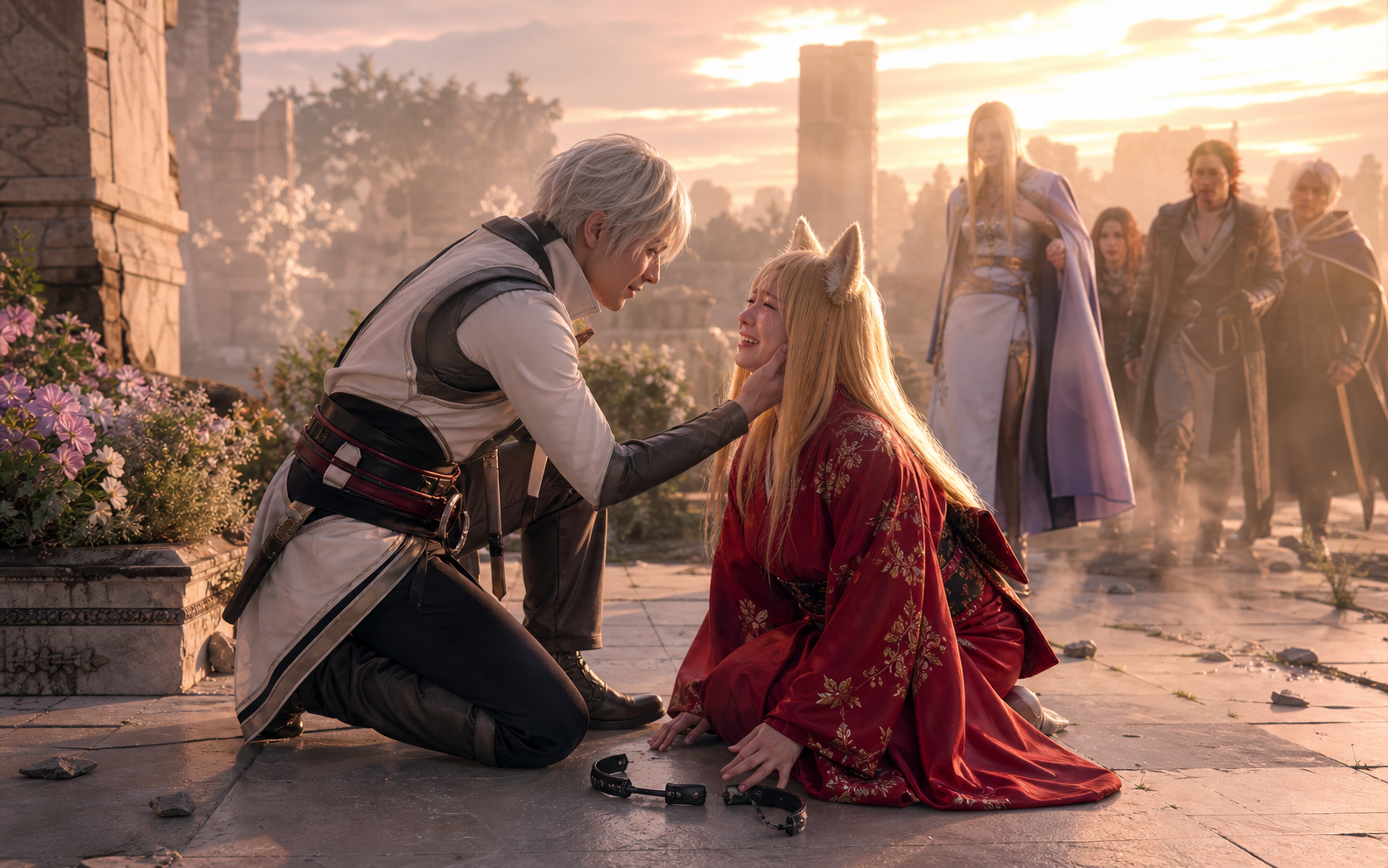
Haruhime finally asks
“Save me” is the permission the rescue has needed from the person everyone else keeps discussing.
RaeRae’s full plot file
The rescue keeps changing shape because Haruhime is never just an objective.
Bell’s first trip into the Night District begins with embarrassment and danger, not a heroic plan. He gets separated, hurt and sheltered by a woman who expects nothing from him because she expects almost nothing for herself. That order matters. Bell meets Haruhime before he learns the language everybody else uses to classify her. He hears her kindness before he hears Ishtar Familia’s claim. The book gives Haruhime a human entrance and then shows how thoroughly the district has trained her to argue against her own rescue.
Mikoto’s recognition turns the private encounter into an old wound. Haruhime is the missing girl from her childhood, but reunion does not magically restore the person she remembers. Mikoto brings love, guilt and urgency into the plan; Haruhime brings years of believing she has forfeited the right to go home. Hermes and Aisha expose the Killing Stone ritual, and suddenly the danger is not merely that Ishtar will keep Haruhime. Ishtar intends to break her magic into pieces that other fighters can use. The institution has moved from controlling a woman to literally distributing her value.
The return to the Night District is where Bell stops being a visitor. He breaks the gate because negotiation has already been made fraudulent by the ritual clock. Mikoto answers massed magic with Ignis Fatuus and takes the bridge fall because Haruhime’s life is worth a choice that cannot be taken back. Bell reaches the Killing Stone and shatters the object everyone has been chasing. It is a gorgeous action climax. It is also deliberately incomplete. The stone is broken; Haruhime still believes she is the broken thing.
That is why her request lands harder than the siege. Bell cannot punch internalized shame. Mikoto cannot repay childhood guilt by deciding for her. Aisha cannot protect Haruhime forever while leaving the logic of Ishtar’s household untouched. Haruhime has to want the door, and the novel lets that wanting arrive frightened, late and imperfect. When she finally asks Bell to save her, the rescue becomes hers rather than something performed over her head.
Aisha’s duel then tests the promise after its prettiest moment. She knows Haruhime, knows Bell’s reputation and knows how easily heroic declarations can disappear once the rescued woman becomes complicated. Bell survives the test, but Haruhime completes it by casting Uchide no Kozuchi of her own will. The same magic Ishtar meant to harvest becomes Haruhime’s contribution to the people who came back for her. Freya’s assault ends Ishtar’s rule and closes the military conflict, yet the book refuses to pretend Freya acted from sisterhood. Haruhime is freed as collateral to another goddess’s desire for Bell. The honest ending is the welcome home: food, safety, awkward affection and a Familia that makes room after the spectacle is over.
Turn 10
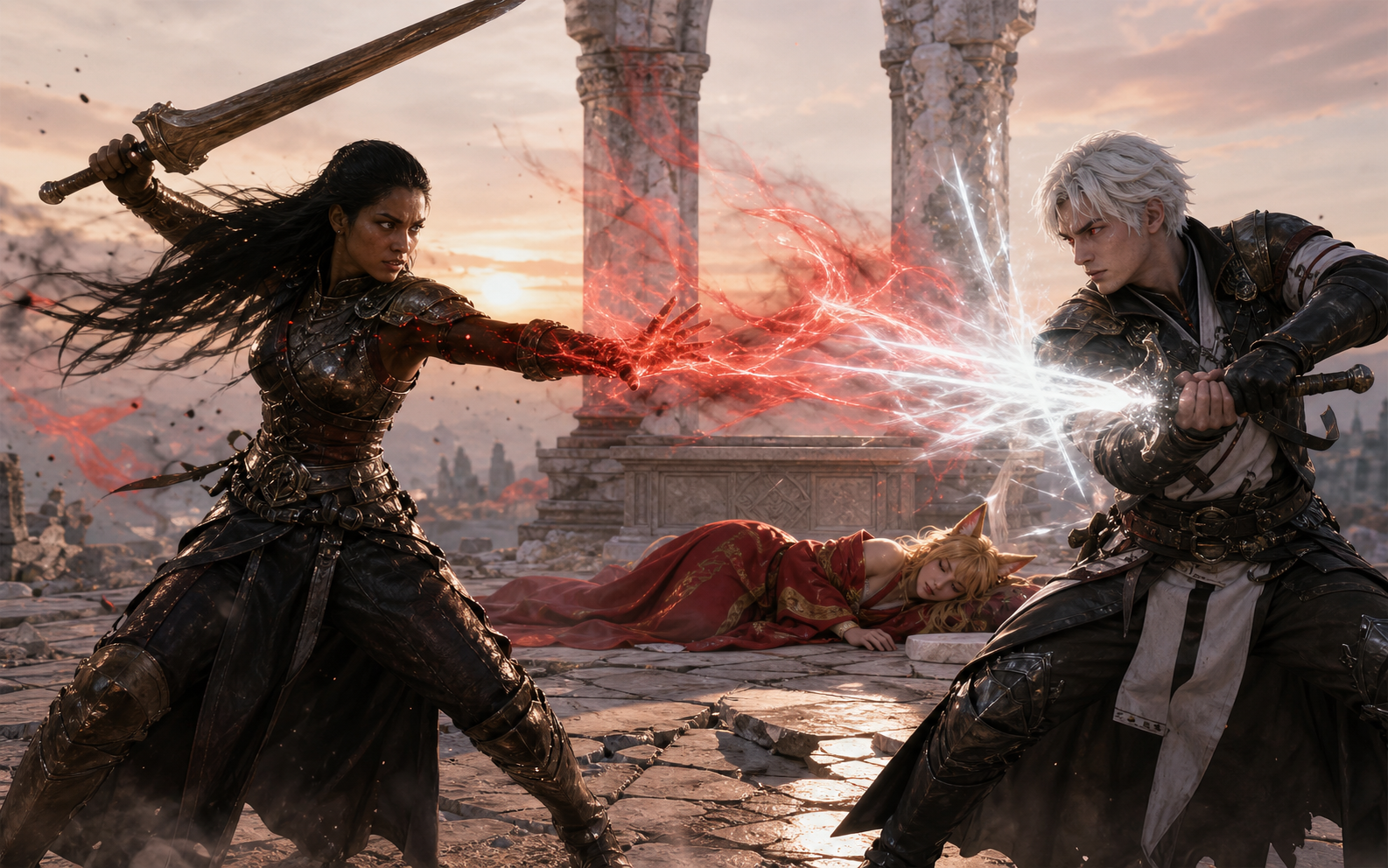
Aisha demands proof
Bell has to survive the woman who knows Haruhime best and trusts beautiful promises least.
RaeRae’s full plot file
The rescue keeps changing shape because Haruhime is never just an objective.
Bell’s first trip into the Night District begins with embarrassment and danger, not a heroic plan. He gets separated, hurt and sheltered by a woman who expects nothing from him because she expects almost nothing for herself. That order matters. Bell meets Haruhime before he learns the language everybody else uses to classify her. He hears her kindness before he hears Ishtar Familia’s claim. The book gives Haruhime a human entrance and then shows how thoroughly the district has trained her to argue against her own rescue.
Mikoto’s recognition turns the private encounter into an old wound. Haruhime is the missing girl from her childhood, but reunion does not magically restore the person she remembers. Mikoto brings love, guilt and urgency into the plan; Haruhime brings years of believing she has forfeited the right to go home. Hermes and Aisha expose the Killing Stone ritual, and suddenly the danger is not merely that Ishtar will keep Haruhime. Ishtar intends to break her magic into pieces that other fighters can use. The institution has moved from controlling a woman to literally distributing her value.
The return to the Night District is where Bell stops being a visitor. He breaks the gate because negotiation has already been made fraudulent by the ritual clock. Mikoto answers massed magic with Ignis Fatuus and takes the bridge fall because Haruhime’s life is worth a choice that cannot be taken back. Bell reaches the Killing Stone and shatters the object everyone has been chasing. It is a gorgeous action climax. It is also deliberately incomplete. The stone is broken; Haruhime still believes she is the broken thing.
That is why her request lands harder than the siege. Bell cannot punch internalized shame. Mikoto cannot repay childhood guilt by deciding for her. Aisha cannot protect Haruhime forever while leaving the logic of Ishtar’s household untouched. Haruhime has to want the door, and the novel lets that wanting arrive frightened, late and imperfect. When she finally asks Bell to save her, the rescue becomes hers rather than something performed over her head.
Aisha’s duel then tests the promise after its prettiest moment. She knows Haruhime, knows Bell’s reputation and knows how easily heroic declarations can disappear once the rescued woman becomes complicated. Bell survives the test, but Haruhime completes it by casting Uchide no Kozuchi of her own will. The same magic Ishtar meant to harvest becomes Haruhime’s contribution to the people who came back for her. Freya’s assault ends Ishtar’s rule and closes the military conflict, yet the book refuses to pretend Freya acted from sisterhood. Haruhime is freed as collateral to another goddess’s desire for Bell. The honest ending is the welcome home: food, safety, awkward affection and a Familia that makes room after the spectacle is over.
Turn 11
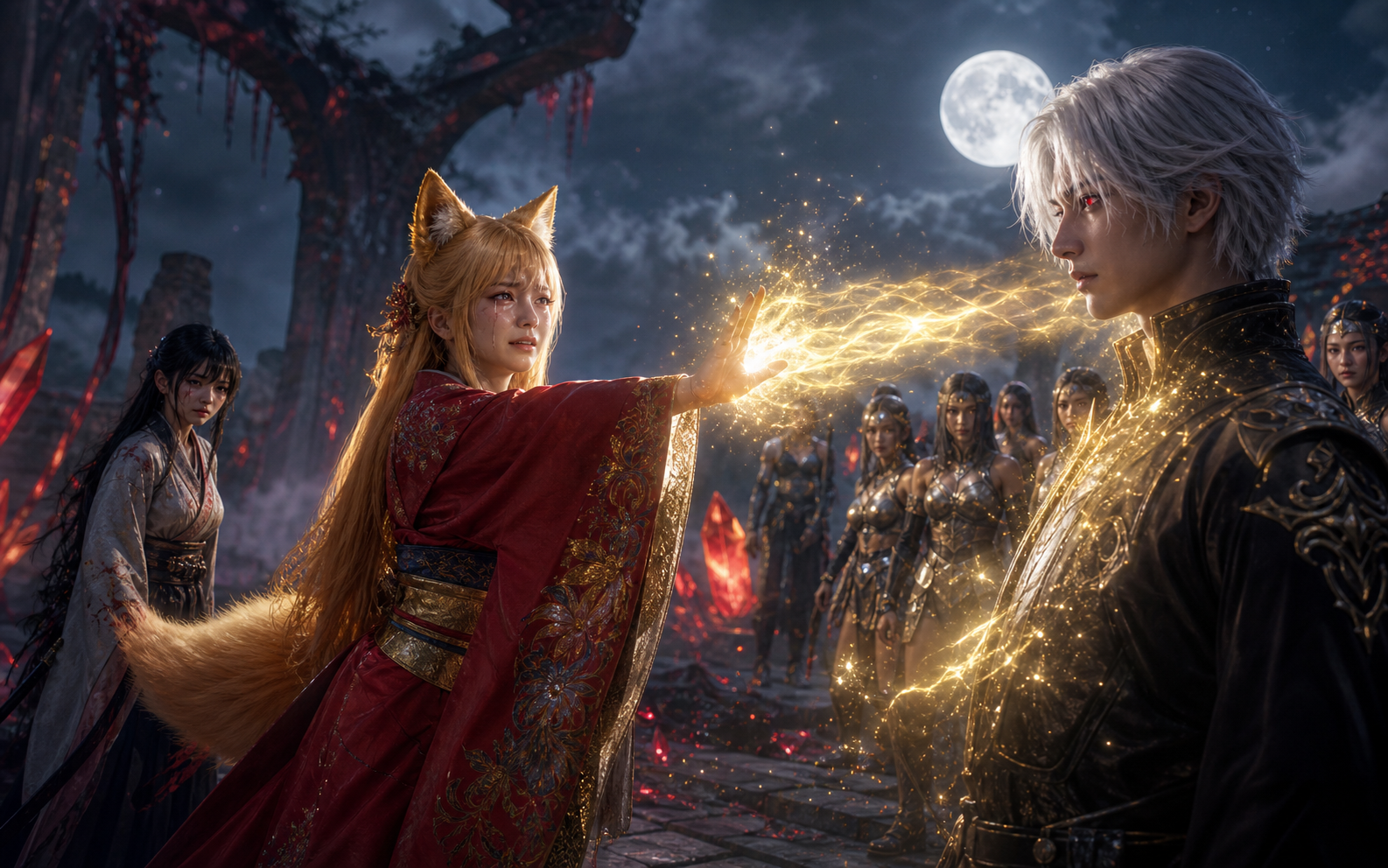
Haruhime chooses her own magic
Uchide no Kozuchi becomes an act of will, not a resource extracted by Ishtar.
RaeRae’s full plot file
The rescue keeps changing shape because Haruhime is never just an objective.
Bell’s first trip into the Night District begins with embarrassment and danger, not a heroic plan. He gets separated, hurt and sheltered by a woman who expects nothing from him because she expects almost nothing for herself. That order matters. Bell meets Haruhime before he learns the language everybody else uses to classify her. He hears her kindness before he hears Ishtar Familia’s claim. The book gives Haruhime a human entrance and then shows how thoroughly the district has trained her to argue against her own rescue.
Mikoto’s recognition turns the private encounter into an old wound. Haruhime is the missing girl from her childhood, but reunion does not magically restore the person she remembers. Mikoto brings love, guilt and urgency into the plan; Haruhime brings years of believing she has forfeited the right to go home. Hermes and Aisha expose the Killing Stone ritual, and suddenly the danger is not merely that Ishtar will keep Haruhime. Ishtar intends to break her magic into pieces that other fighters can use. The institution has moved from controlling a woman to literally distributing her value.
The return to the Night District is where Bell stops being a visitor. He breaks the gate because negotiation has already been made fraudulent by the ritual clock. Mikoto answers massed magic with Ignis Fatuus and takes the bridge fall because Haruhime’s life is worth a choice that cannot be taken back. Bell reaches the Killing Stone and shatters the object everyone has been chasing. It is a gorgeous action climax. It is also deliberately incomplete. The stone is broken; Haruhime still believes she is the broken thing.
That is why her request lands harder than the siege. Bell cannot punch internalized shame. Mikoto cannot repay childhood guilt by deciding for her. Aisha cannot protect Haruhime forever while leaving the logic of Ishtar’s household untouched. Haruhime has to want the door, and the novel lets that wanting arrive frightened, late and imperfect. When she finally asks Bell to save her, the rescue becomes hers rather than something performed over her head.
Aisha’s duel then tests the promise after its prettiest moment. She knows Haruhime, knows Bell’s reputation and knows how easily heroic declarations can disappear once the rescued woman becomes complicated. Bell survives the test, but Haruhime completes it by casting Uchide no Kozuchi of her own will. The same magic Ishtar meant to harvest becomes Haruhime’s contribution to the people who came back for her. Freya’s assault ends Ishtar’s rule and closes the military conflict, yet the book refuses to pretend Freya acted from sisterhood. Haruhime is freed as collateral to another goddess’s desire for Bell. The honest ending is the welcome home: food, safety, awkward affection and a Familia that makes room after the spectacle is over.
Turn 12
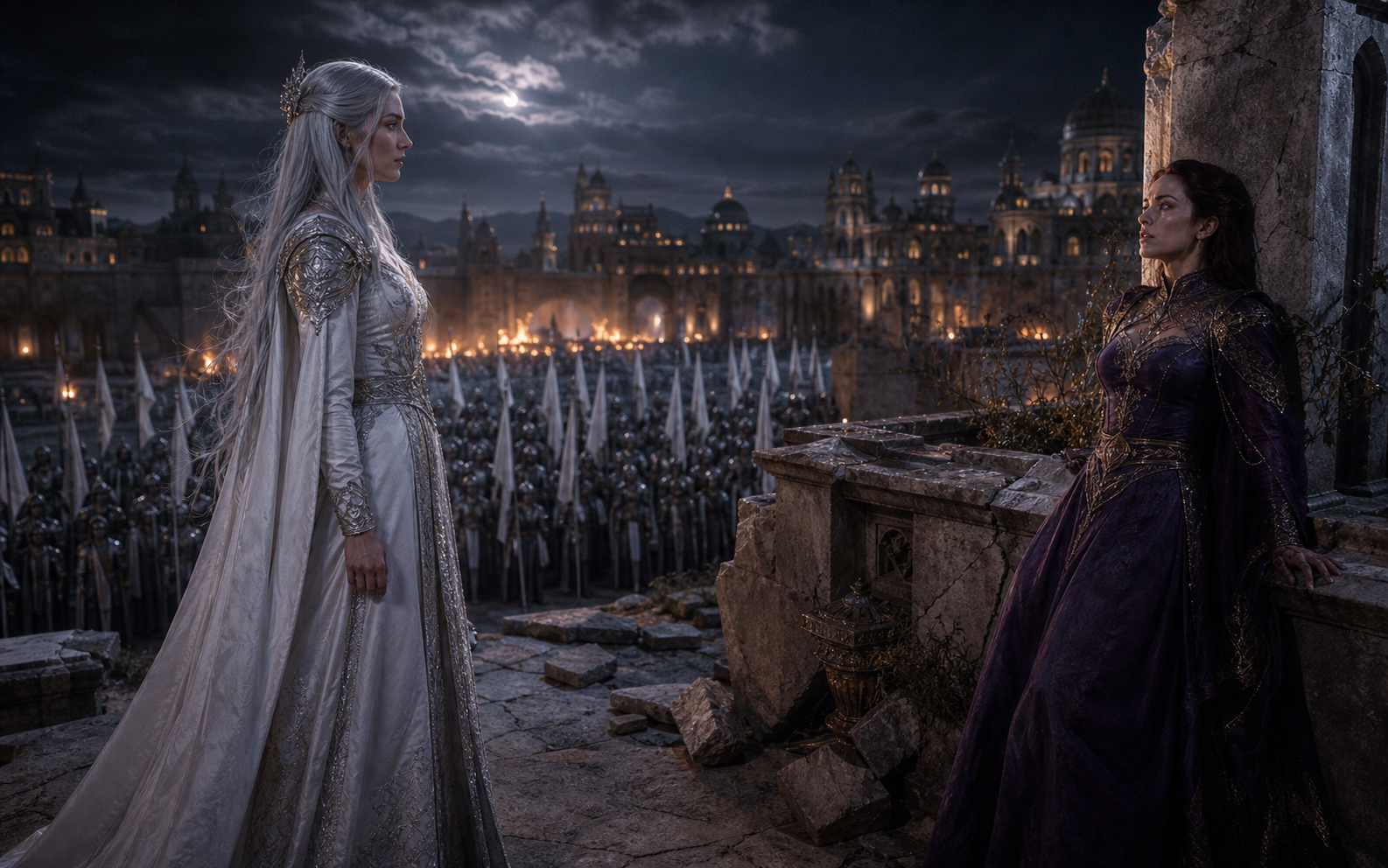
Freya ends Ishtar
The Goddess War closes Ishtar’s reign, but it does not turn Freya’s possessiveness into altruism.
RaeRae’s full plot file
The rescue keeps changing shape because Haruhime is never just an objective.
Bell’s first trip into the Night District begins with embarrassment and danger, not a heroic plan. He gets separated, hurt and sheltered by a woman who expects nothing from him because she expects almost nothing for herself. That order matters. Bell meets Haruhime before he learns the language everybody else uses to classify her. He hears her kindness before he hears Ishtar Familia’s claim. The book gives Haruhime a human entrance and then shows how thoroughly the district has trained her to argue against her own rescue.
Mikoto’s recognition turns the private encounter into an old wound. Haruhime is the missing girl from her childhood, but reunion does not magically restore the person she remembers. Mikoto brings love, guilt and urgency into the plan; Haruhime brings years of believing she has forfeited the right to go home. Hermes and Aisha expose the Killing Stone ritual, and suddenly the danger is not merely that Ishtar will keep Haruhime. Ishtar intends to break her magic into pieces that other fighters can use. The institution has moved from controlling a woman to literally distributing her value.
The return to the Night District is where Bell stops being a visitor. He breaks the gate because negotiation has already been made fraudulent by the ritual clock. Mikoto answers massed magic with Ignis Fatuus and takes the bridge fall because Haruhime’s life is worth a choice that cannot be taken back. Bell reaches the Killing Stone and shatters the object everyone has been chasing. It is a gorgeous action climax. It is also deliberately incomplete. The stone is broken; Haruhime still believes she is the broken thing.
That is why her request lands harder than the siege. Bell cannot punch internalized shame. Mikoto cannot repay childhood guilt by deciding for her. Aisha cannot protect Haruhime forever while leaving the logic of Ishtar’s household untouched. Haruhime has to want the door, and the novel lets that wanting arrive frightened, late and imperfect. When she finally asks Bell to save her, the rescue becomes hers rather than something performed over her head.
Aisha’s duel then tests the promise after its prettiest moment. She knows Haruhime, knows Bell’s reputation and knows how easily heroic declarations can disappear once the rescued woman becomes complicated. Bell survives the test, but Haruhime completes it by casting Uchide no Kozuchi of her own will. The same magic Ishtar meant to harvest becomes Haruhime’s contribution to the people who came back for her. Freya’s assault ends Ishtar’s rule and closes the military conflict, yet the book refuses to pretend Freya acted from sisterhood. Haruhime is freed as collateral to another goddess’s desire for Bell. The honest ending is the welcome home: food, safety, awkward affection and a Familia that makes room after the spectacle is over.