
Volume 4 · Arcs · Full spoilers
Five movements. No borrowed arc count.
The five actual story movements
Movement 1
The level settles
Bell receives the public name, new ability and skill that make the previous volume’s private growth official.
Movement 2
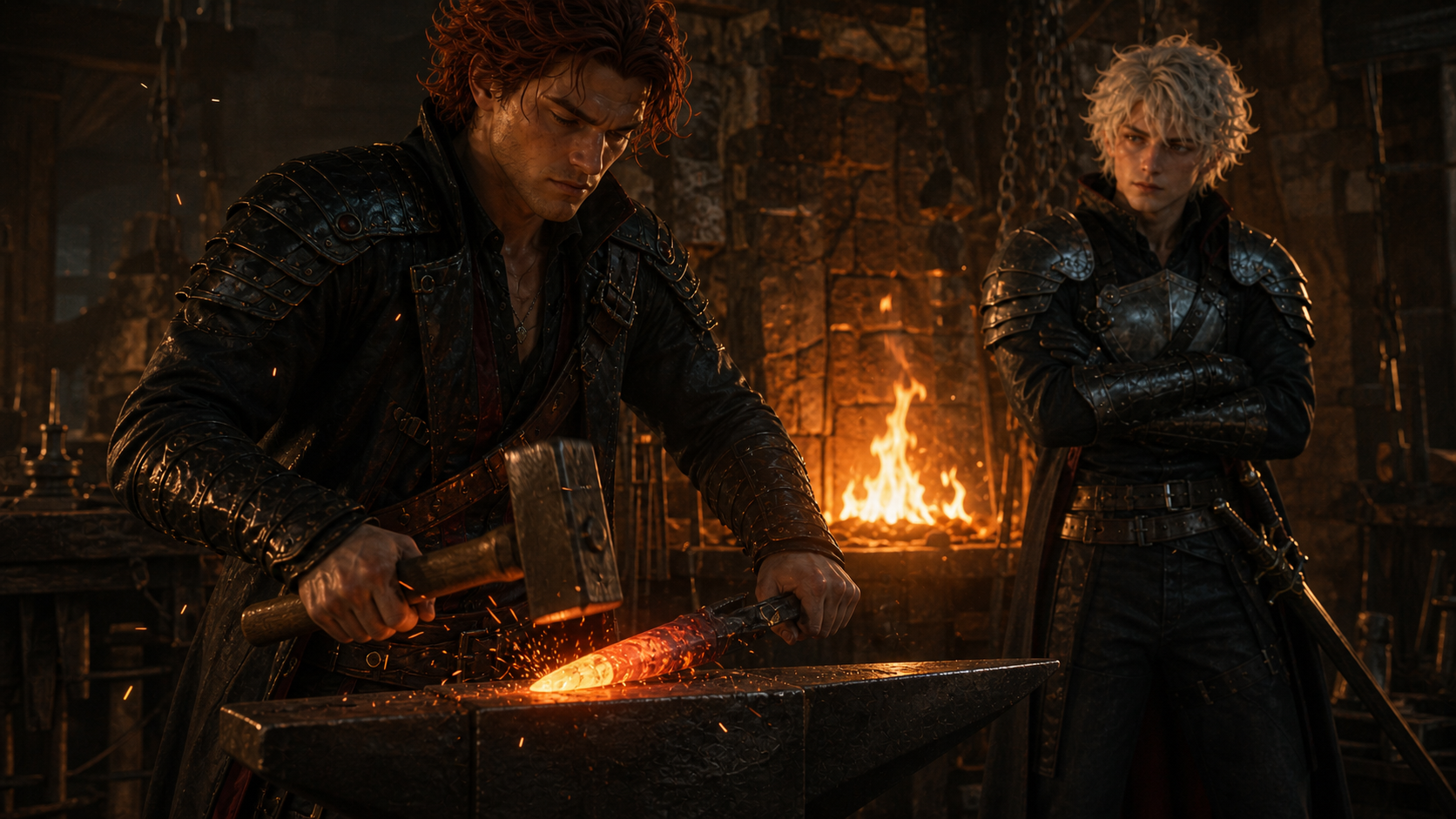
The smith chooses the customer
Welf’s history and refusal of magic swords meet Bell’s uncomplicated interest in a well-made weapon.
Movement 3
The contract becomes a party
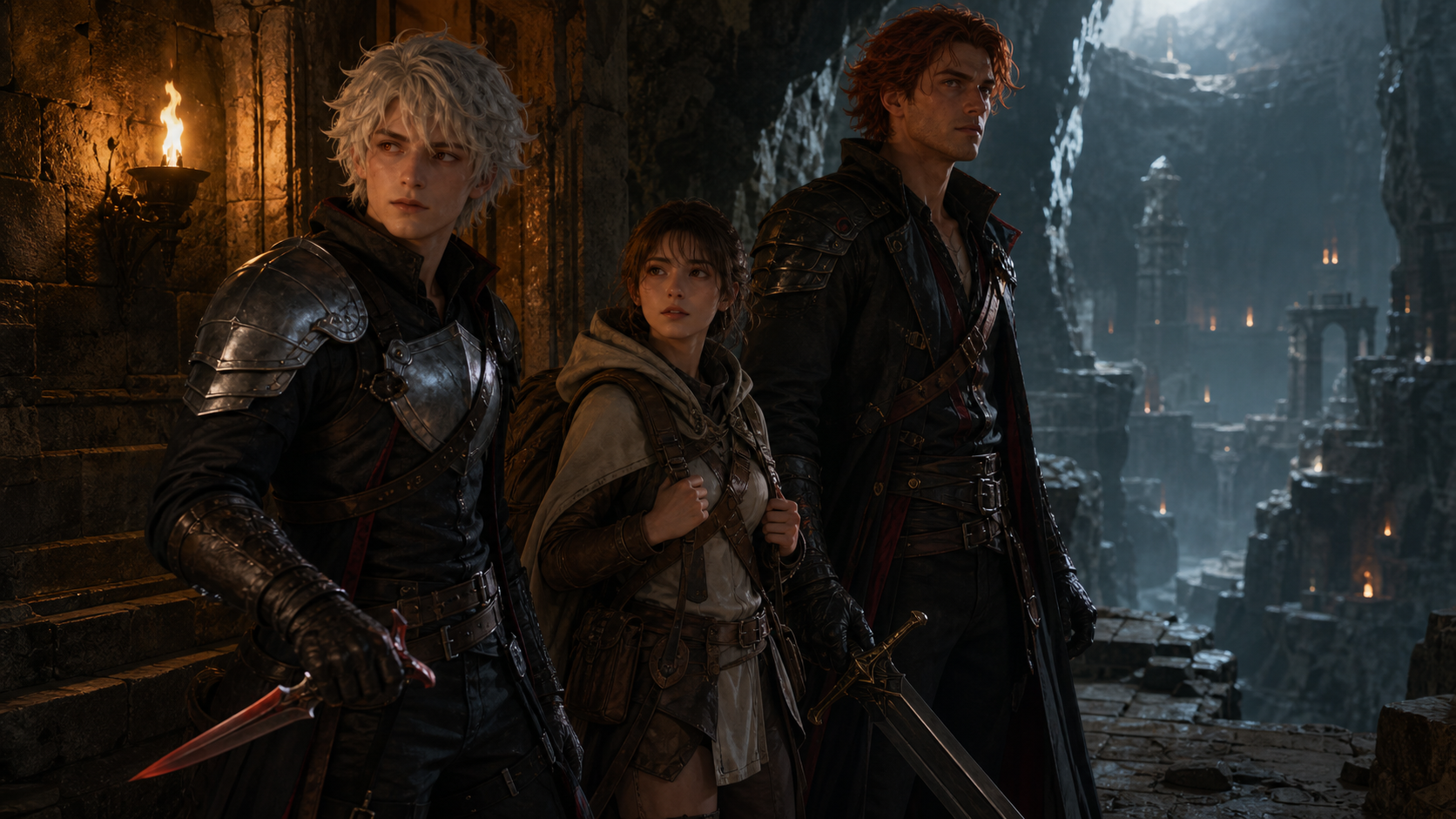
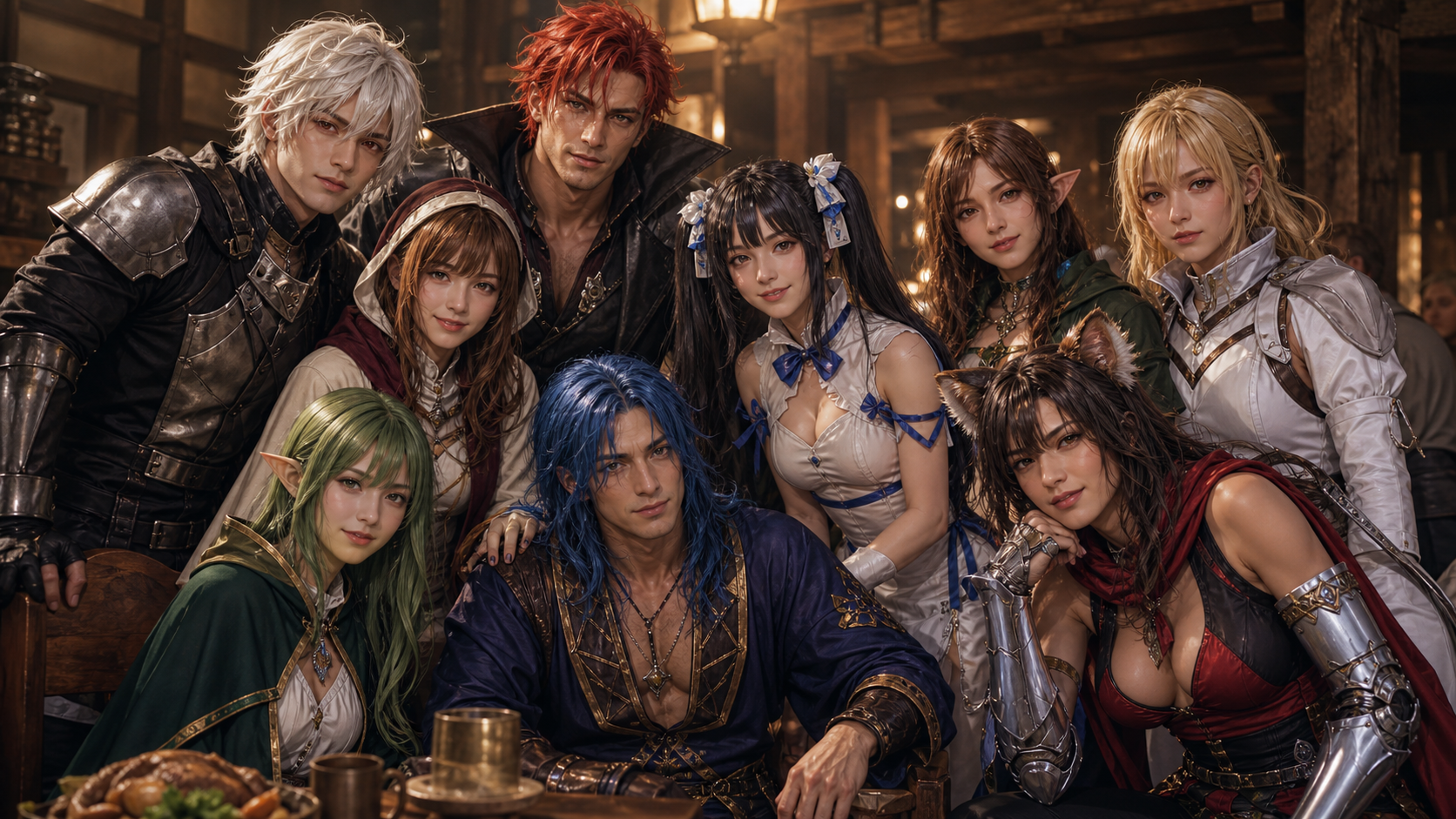
Lilly tests Welf, Welf tests Bell and the three discover that complementary distrust is still teamwork.
Movement 4
The trial run gets loud
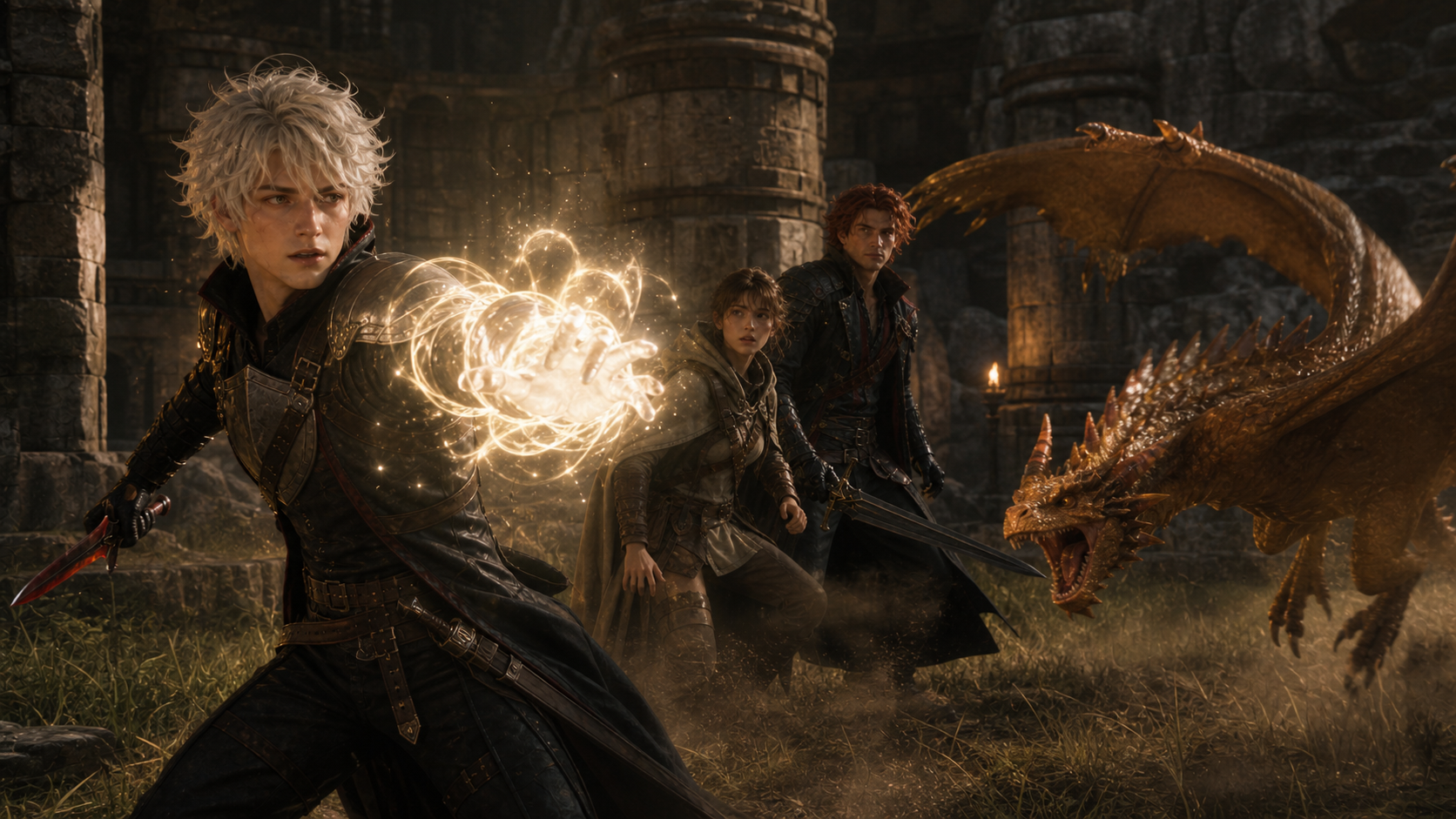
An infant dragon forces Bell to use Argonaut with Firebolt and reveals how dangerous his new power can be to the plan.
Movement 5
The threshold is chosen
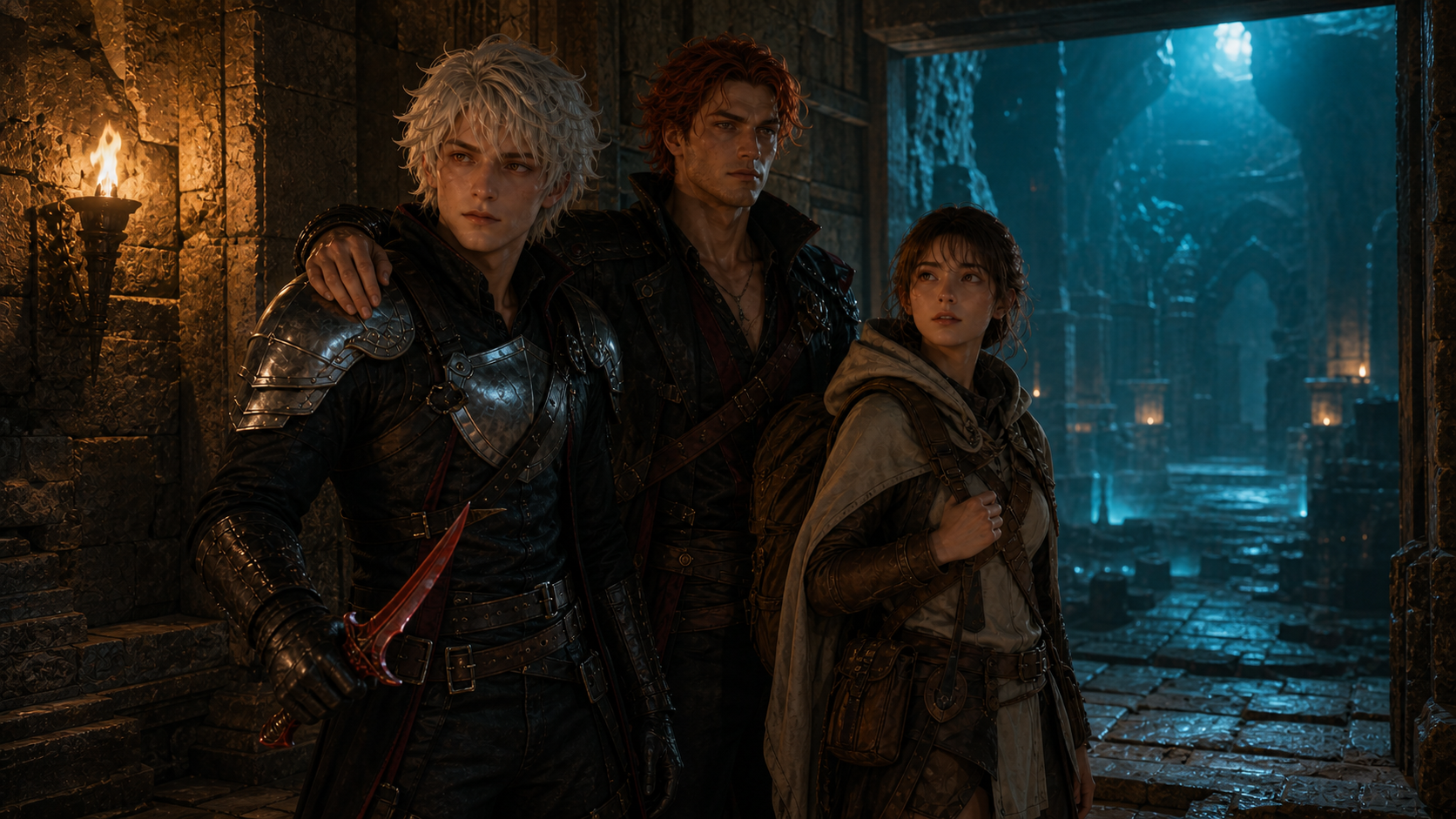
The trio accepts the middle floors together, while the bonus stories prove that debts and tiny gifts also build a Familia.
Why these are five movements—not fourteen copied boxes
Every arc changes who gets to participate in Bell’s future.
Volume 4 is structurally smaller than the Minotaur book and strategically essential. Its five movements take Bell from solitary phenomenon to the center of a working three-person party. The book is not pretending that buying armor, negotiating a contract and testing a new formation are as loud as a floor boss. It is showing the infrastructure heroism needs after the cheering stops.
Movement 01 · recognition
The level settles—and Orario names what it saw
The Denatus gives Bell the “Little Rookie” title while Hestia’s status update reveals Luck and Argonaut. This arc converts the Minotaur victory into public identity and private capability. The nickname is a social fact; the status is a divine fact; Bell’s uncertainty is the human fact. He has advanced faster than anyone, but speed has not given him experience with being watched.
That tension prepares the whole volume. Bell cannot remain the anonymous boy whose mistakes affect only himself. His name now changes prices, expectations and the motives of people who approach him.
Movement 02 · craft
The smith chooses the customer
Welf enters through damaged armor and an affordable contract, then immediately complicates the transaction with pride, history and one firm boundary: he will not make magic swords. Bell does not treat that refusal as an obstacle to negotiate away. He wants the work Welf is willing to claim as his own.
The arc is mutual selection disguised as shopping. Bell needs a smith who understands his reckless combat style. Welf needs somebody who sees craft before surname. Trust begins because neither asks the other to perform the identity strangers have assigned him.
Movement 03 · formation
The contract becomes a party
Lilly is correctly suspicious. She knows how quickly a powerful or well-connected adventurer can turn Bell’s generosity into access. Welf is equally capable of noticing the ways Lilly manages risk around Bell. Their friction is useful because both are testing whether the other will protect or exploit the same person.
The trio’s roles emerge through work rather than a speech: Lilly controls supplies and reads danger; Welf keeps equipment functional and provides close-range judgment; Bell becomes the forward motion they must keep from becoming a liability. Complementary distrust slowly becomes operational trust.
Movement 04 · trial
The first formation test gets explosively loud
The infant dragon encounter gives Bell an ideal target for Argonaut-charged Firebolt and a terrible environment for learning what the skill does. The attack works too well. Victory arrives with enough force to reveal that Bell’s new power is not automatically party-safe simply because his intention is heroic.
This movement changes the meaning of strength. Bell cannot judge an ability only by whether it kills the monster. A party adds positioning, warning, retreat paths and people whose bodies are inside the consequences of his choices. The louder the blast, the clearer the leadership lesson.
Movement 05 · threshold
They choose the middle floors together
Welf transforms the Minotaur horn into Ushiwakamaru, letting Bell carry the rematch forward as equipment instead of remaining emotionally trapped in it. The trio then accepts the thirteenth-floor threshold. Bell may be the reason the party can descend, but descent is no longer his decision alone.
The bonus stories deepen that threshold rather than sitting outside it. Nahza’s debt exposes the economics surrounding adventurers. The ingredient quest reveals labor beneath city comfort. Hestia’s hair ties return Bell to the private promise that existed before his public title. A Familia is built from danger, invoices and tiny gifts alike.
The structural receipt
The volume begins with gods naming Bell and ends with Bell, Lilly and Welf naming their next threshold together.
That is the complete arc. Public fame tries to make Bell a solo legend. Daily work teaches him that the next page belongs to a party.