
Volume 2 · Tropes and themes · Full spoilers
The bag is not background decoration.
Volume 2 takes the least glamorous RPG job on the floor and builds the entire moral argument around it. Lilly carries the loot. She also carries the damage nobody wants to count.

The machinery doing actual work
Six rabbit holes hiding inside one supporter contract
The book does not ask us to approve everything Lilly does. Thank goodness, because sainthood would flatten her. It asks why exploitation, addiction and expected betrayal made theft feel safer than trust—and what Bell owes once he understands the answer.
Theme · Labor
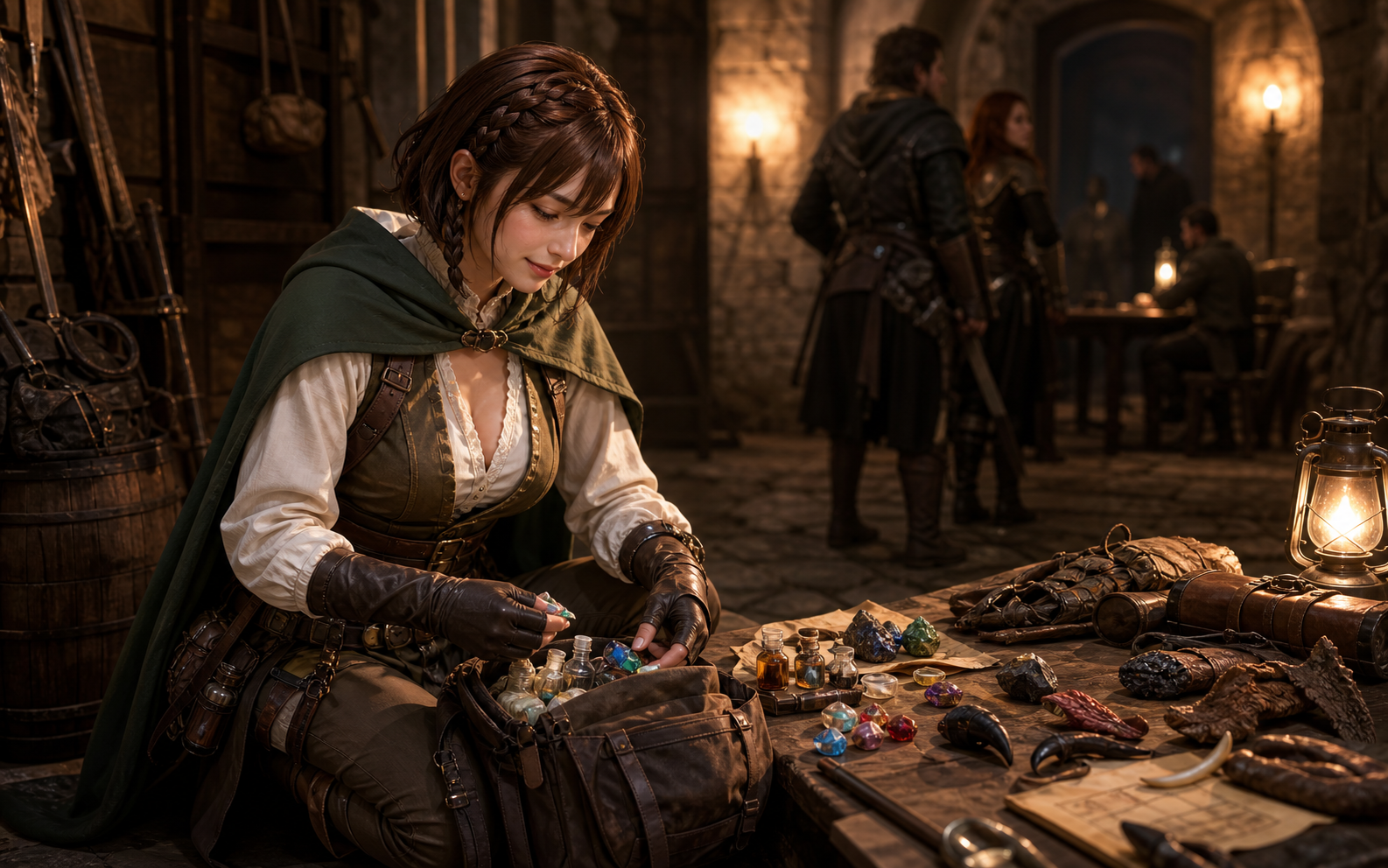
Invisible labor makes visible heroism possible
Bell’s solo numbers explode once Lilly handles stones, drops, routes, corpse placement and the pack. That is not a side bonus. It is the reason he can keep both hands on his knives instead of hauling a small warehouse through level seven. The volume opens with supporters treated as disposable decoys, then spends the rest of its time proving the fighters are standing on somebody else’s back.
Theme · Addiction
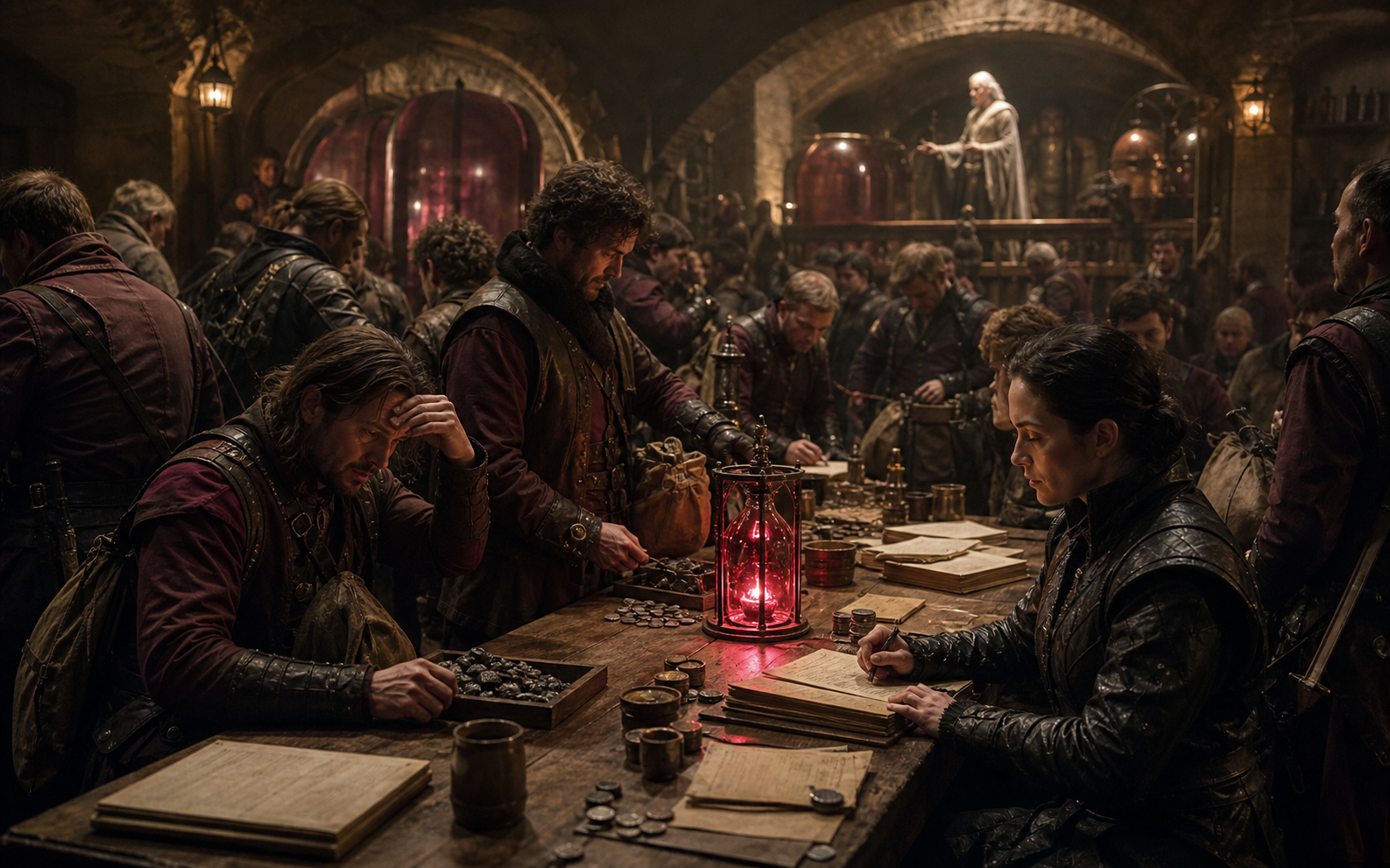
The divine carrot is an institution, not a bad evening
Soma barely needs to issue orders. He supplies perfect bliss to the highest earners, then lets quotas and desperation make the Familia police itself. Members steal, beat and sacrifice one another because access has become the only reward that feels real. The god’s indifference is the point: harm can be systematic even when the person at the top cannot be bothered to hate you personally.
Trope · The thief
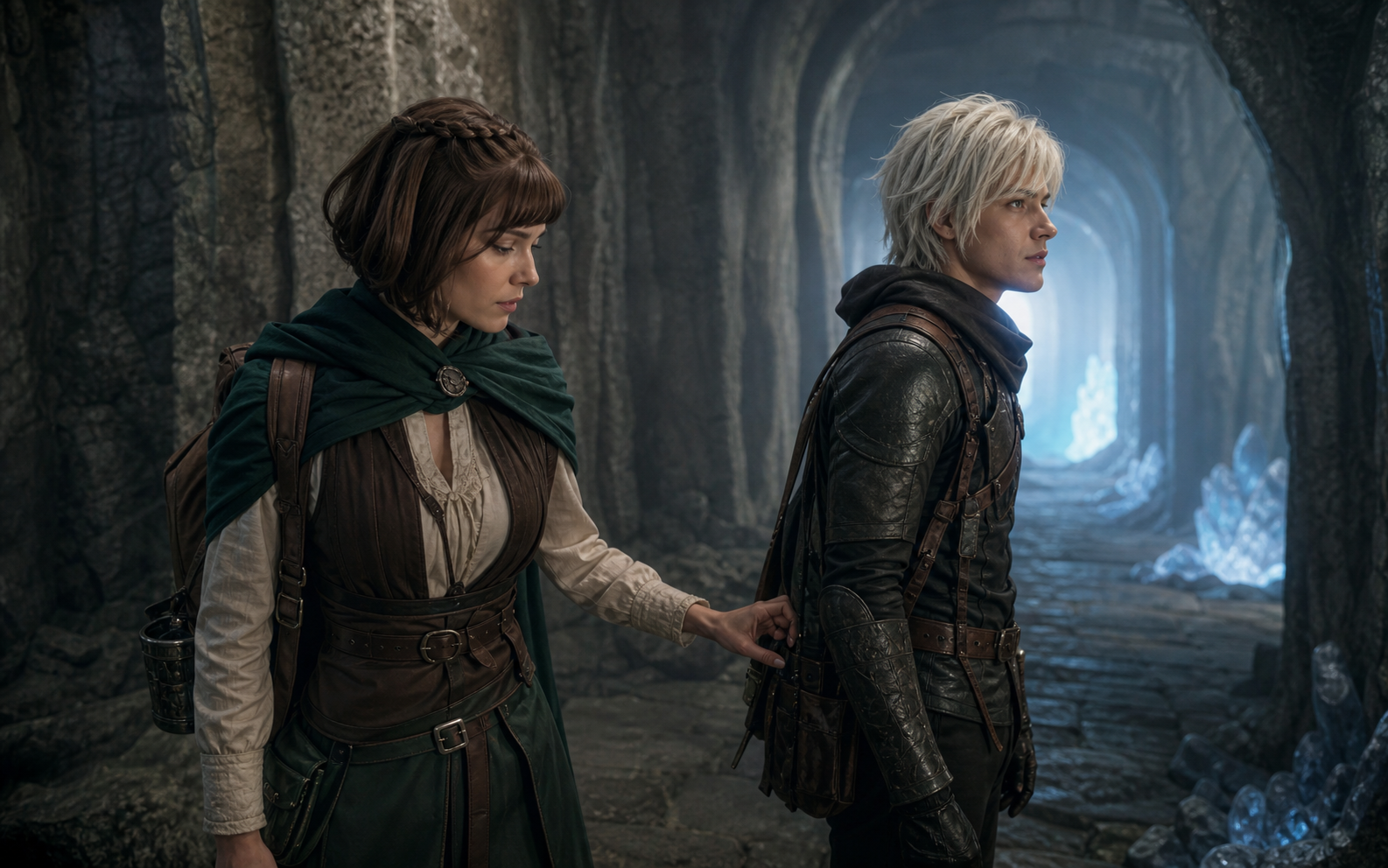
The thief who expects betrayal steals first
Lilly’s theft is not cute mischief and the book does not need it to be. She exposes Bell, takes the weapon he treasures and later leaves him inside a monster trap. Her logic is brutally coherent: attachment has always ended with somebody else taking everything, so control the ending before it controls her. Understanding the pattern explains the crime. It does not turn the crime into a personality quirk.

Trope · Rescue after guilt
Bell rescues the person who actually wronged him
The cheap version of this trope reveals an innocent victim and lets the hero feel noble without making a difficult choice. Volume 2 denies Bell that exit. Lilly confesses the theft, false identity, rigged prices and abandonment. He still rejects death as her sentence. Mercy has teeth here because Bell sees the ugly parts and answers the person rather than pretending the file is clean.

Theme · Repair
A reset changes the contract, not the record
Lilly wants another life because the current one feels contaminated beyond repair. Bell offers something smaller and more useful: the same life, one honest agreement at a time. Their final supporter contract does not announce that trust has magically returned. It gives both of them names, terms and choice. The history stays in the room, which is exactly why the new beginning counts.
Theme · Chosen family
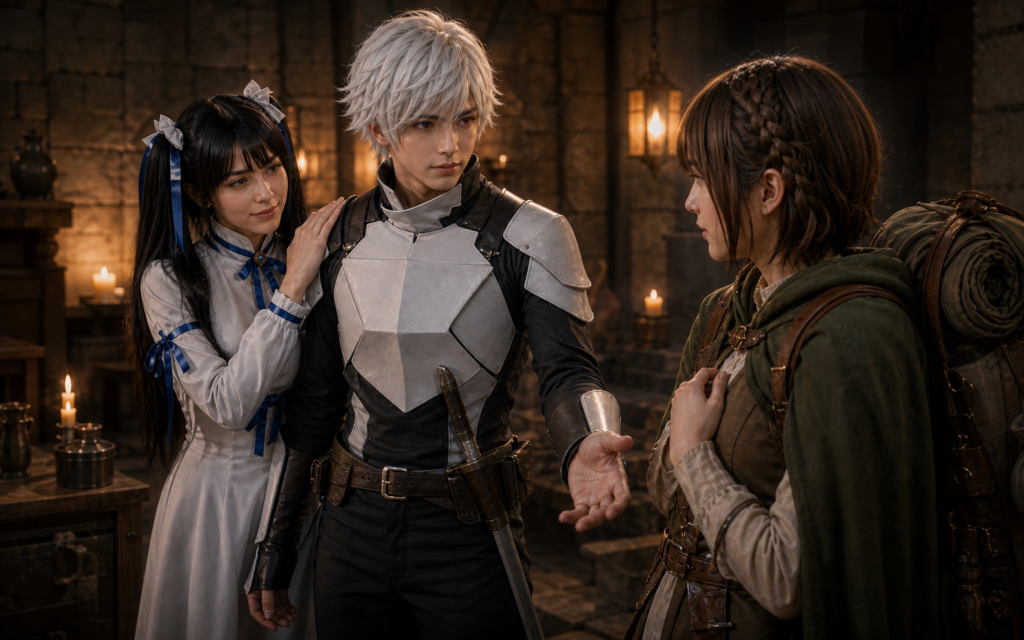
Kindness is transferable
Hestia took in a rejected country boy when neither of them looked useful to anyone else. Bell recognizes that same loneliness underneath Lilly’s defenses and passes the rescue forward. This is not a halo traveling from one perfect person to another. Hestia is jealous, Bell is naïve and Lilly is guilty. The chain works because imperfect people decide the care they received should not stop with them.
RaeRae’s file note
The supporter is not behind the hero. The supporter is inside the result.
Volume 2 does something fandom pages often fail to do: it treats logistics as character, money as power and kindness as a choice with consequences. Bell can keep calling himself a solo adventurer if he wants. The receipts already say otherwise.