
BABYMONSTER DRIP Performance React: Color Versus Control
One version arrives in bright sportswear and lets the choreography bounce. The other puts everyone in black, adds smoke and jacket business, and asks the same dance to walk into a much more expensive argument.
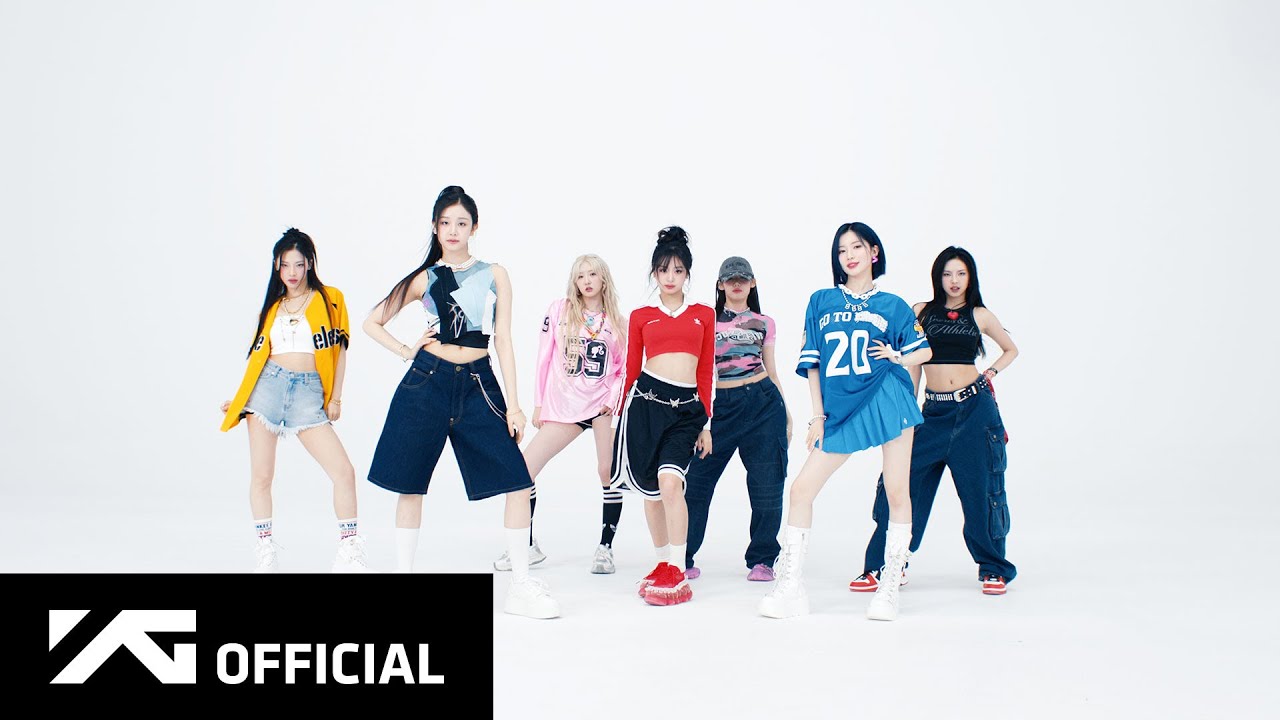
Video presentation: full-color performance
Overall vibe
First thought: This is the version where the choreography finally gets enough room to breathe, sweat and shake the furniture without an ice-cream truck wandering through the count.
Sound check: Elastic EDM bass, chant-heavy hip-hop, sharp rap pockets and a last-minute vocal launch that continues to ignore indoor height limits.
The moment I leaned in: The “shake” motif moves through the group instead of sitting on one center, and suddenly the title feels less like jewelry slang and more like liquid passing through seven bodies.
The side-eye: The camera occasionally wants credit for dancing. Please hold still long enough for me to see the feet I came here to discuss.
Current status: I have compared both versions and developed opinions about jackets that nobody requested.
What changed every time I replayed it
First watch: Color won. Bright sportswear separated the bodies, loose layers amplified the bounce, and the choreography finally had enough room to explain what the music video kept interrupting with props. I could see how the title gesture traveled through hands, shoulders, torsos, and levels instead of merely appearing as one viral move.
Second watch: The handoffs became the story. RUKA and ASA delayed weight without losing the beat. RAMI grounded the center. PHARITA and RORA kept transitions clean enough that the piece did not become one long power contest. CHIQUITA attacked the camera. AHYEON treated the ending like a building-code dispute.
Third watch: I noticed the choreography was saving energy for the final vocal climb. The group opens around AHYEON instead of stacking more movement on top of the high note. That is good staging. The body picture tells the audience where the climax lives before the last note arrives.
After the special version: The same counts felt more severe. Black fabric, smoke, horizon lighting, and jacket movement pulled attention toward faces and upper-body accents. The choreography did not change its identity. The room changed the consequences.
Lyrics and hook vibe before the formations start moving
DRIP is about effortless-looking style: clothes, presence, taste and confidence that feel personal enough to be copied but never fully reproduced. The choreography has to solve a strange problem. How do seven people dance “effortless” without looking under-rehearsed?
The answer is controlled looseness. The members hit the important accents together, then let shoulders, heads, hands and facial expressions finish the phrase in slightly different ways. The dance is structured. The swagger is allowed to look personal.
Version one: color, bounce and the actual anatomy of the dance
The November 5 performance film dresses BABYMONSTER in bright sporty layers and gives the song a lighter visual temperature. That choice helps. The choreography contains heavy arm-and-leg explosions, but the loose fabric and color keep the movement from looking militarized. We can see the bounce between counts.
The title gesture behaves like a drop traveling downward. Hands flick, torsos release and weight settles into the beat. Around that motif, the group shifts between compact units and wider lines. RUKA and ASA make the rap pockets look relaxed because they never chase the beat. RAMI carries weight through the center of her body, which matches the thickness of her tone. CHIQUITA attacks the face and upper-body accents like the camera owes her rent.
PHARITA and RORA are especially useful in the transitions. Their cleaner lines stop the piece from becoming one long power contest. Then AHYEON reaches the final vocal climb and performs like the choreography has become a weather emergency.
The special performance video
Version two: black outfits, smoke and the jacket meeting
The November 8 special performance removes most of the color and replaces it with black styling, smoke and a more severe horizon set. Same song, same central choreography, different attitude. The bright version says, “watch us dance.” The dark version says, “you have been summoned.”
The most interesting change is not the wardrobe itself but how the jackets are used in the unit sections. YG’s behind-the-scenes report says Yang Hyun-suk suggested using the jackets to emphasize the members at the front. That creates extra movement around the upper body and helps a smaller unit hold the frame before the full group returns.
I prefer the first version for studying the complete dance. Color separates the bodies and the casual styling suits the bounce. I prefer the special version for faces and attitude. The black horizon makes small expressions louder, and the members perform the same counts with slightly more threat. Neither replaces the other, which is the only reason both belong on this page.
Color changes how the audience reads effort
The bright version makes the dance feel playful even when the counts demand control. Loose fabric trails behind the body, colors separate members in crowded formations, and the floor pattern remains readable. The visual temperature tells us to watch the bounce rather than search for threat.
The dark version makes identical movement feel expensive and severe. Black clothes merge into larger silhouettes. Smoke reduces depth. Small head turns and jacket changes become louder because the palette stops competing. The members appear less like athletes in a rehearsal-adjacent film and more like executives arriving to repossess the concept.
Neither mood is more truthful. Each reveals a different part of the labor. Color helps us study anatomy. Darkness helps us study presence. This is why two official uploads can earn one comparison page without becoming duplicate content.
The jacket note works because it solves a visual problem
An executive suggestion is not automatically artistic wisdom, and I reserve the right to side-eye a jacket meeting on principle. Here, the fabric has a job. Smaller front units need enough visual size to hold the frame before all seven members return. Moving jackets extend the upper body and create another rhythm around restrained counts.
The detail also proves styling can participate in choreography. Clothes are not only decoration placed on completed movement. Weight, length, stiffness, and color change what the audience sees. A sleeve can finish a line after the arm stops. A jacket can widen a gesture. Loose fabric can make a release look softer or bigger.
The risk is letting the styling become the performance. DRIP avoids that because the members keep the underlying timing clear. Remove the jackets and the count still works. Add the jackets and the unit reads larger. That is collaboration, not camouflage.
Seven bodies, one liquid idea
The title gesture treats “drip” as motion rather than inventory. Hands release downward. Torsos follow. Weight settles and then travels into another member or formation. Liquid becomes a useful choreographic idea because it allows the group to share a motif without demanding identical texture.
RUKA sinks into the groove. ASA cuts through it. RAMI gives it density. RORA smooths the edge. PHARITA lengthens the phrase. CHIQUITA turns it into attack. AHYEON pushes it toward detonation. Those differences make the group image stronger because the choreography gives each body a believable way to carry the same word.
Synchronization matters, but sameness is not the goal. The audience needs common timing and shape so the formation reads. The members need individual weight and facial choices so the formation feels inhabited. DRIP understands both requirements.
The labor behind “effortless” style
Drip is supposed to look natural. Performance training is not. Idols rehearse camera angles, spacing, breath, expressions, costume behavior, and recovery from small mistakes until the result can appear casual. That hidden labor creates the ease the song sells.
The industry can exploit that illusion by treating exhaustion as professionalism and pain as proof of loyalty. I prefer what these videos show: difficulty without suffering theater. The members work hard, but the routine does not beg the audience to admire strain. Control becomes the receipt.
From a modern Confucian lens, the formation balances group order with individual duty. Every member must keep her part clean because one late body distorts the whole picture. From a Buddhist lens, the song’s status claim is temporary. Fashion changes and hype moves. The practiced ability to listen, adjust, and perform with others has more staying power.
My military brain recognizes disciplined flexibility. The formation sets the mission. The members adapt their weight, gaze, and energy inside it. Good structure does not erase personality. It gives personality somewhere useful to land.
What the camera gets right and where it gets greedy
The colorful film gives choreography more space than the music video, but the camera still occasionally tries to earn a dance credit. Movement can support momentum. Too many pushes, sweeps, and cuts make viewers work harder to reconstruct the actual formation.
The special version improves facial access and upper-body detail, yet the smoke and horizon stage flatten some depth. I wanted several locked wide shots in both films. The routine is strong enough to survive stillness. Let the feet, levels, and pathways explain themselves.
The best moments occur when camera movement follows an existing choreographic direction instead of inventing a second one. When the group opens, the frame can open. When a unit pulls forward, the camera can meet it. The lens should translate the dance, not interrupt the meeting with its own presentation.
Choreography details worth watching twice
- The “drip” motif travels: watch how liquid-like releases move from hands into shoulders and then into the group’s level changes.
- The chorus expands instead of merely repeating: later passes use larger spacing and stronger limb extension so the same hook feels more public.
- The rap sections protect individuality: members share a structure without being forced into identical facial timing or identical weight.
- The jacket detail is practical: in the special film, fabric movement draws the eye toward front units and gives restrained choreography more visual size.
- The three-stage high note changes the body language: the group opens around AHYEON, allowing the vocal event to become the formation’s center instead of piling more dance on top of it.
- This is all seven: DRIP predates RAMI’s later health hiatus, so the recorded lineup and both performance films use the complete seven-member group.
Why this choreography fits BABYMONSTER
The dance team—Cha Dasom, Jo Nine, Sienna Lalau and Kinjaz—does not solve every beat with speed. That is important because BABYMONSTER’s advantage is not perfect visual sameness. It is the friction between members who project confidence differently. RUKA sinks. ASA slices. RAMI grounds. RORA smooths. PHARITA lengthens. CHIQUITA pounces. AHYEON detonates.
A weaker routine would sand those differences down in the name of synchronization. DRIP keeps the big group pictures clean while leaving enough air around individual phrases. The members still look like one group, but not seven copies of one excellent dancer.
Credits and performance file
| Artist | BABYMONSTER |
|---|---|
| Original song | DRIP |
| Choreography | Cha Dasom, Jo Nine, Sienna Lalau, Kinjaz |
| Performance video | November 5, 2024 |
| Special performance | November 8, 2024 |
| Lyrics | Sandra Wikström, YG, AiRPLAY, MASTA WU, CHOICE37, Sonny |
| Composition | AiRPLAY, Illjun, Sandra Wikström, G-DRAGON |
| Arrangement | AiRPLAY, Illjun, YG |
What I love, what I side-eye, and the verdict
The colorful film is the better dance document. The black special is the better attitude document. Put them together and the choreography makes sense: precise enough to carry seven people through an EDM hook, loose enough to preserve the thing the song is bragging about.
Also, the jackets did contribute. I hate when executive notes are visible and useful. It ruins a perfectly good complaint.