
Frozen Collective Profile · Living Snow · Accidental Creation · Tiny Lives, Real Responsibility
The Snowgies
Sneezes, illness, individuality, swarm chaos, palace care, consent, merchandising, and what Elsa owes the lives she did not plan.
Profile
| Name | The Snowgies |
|---|---|
| Creator | Elsa, involuntarily through magical sneezes |
| Nature | Collective of tiny living snow beings |
| Origin | Anna’s birthday events in Frozen Fever |
| Home afterward | North Mountain ice palace |
| Community | One another and Marshmallow |
| Communication | Movement, squeaks, expression, hiding, and group response |
| Canon boundary | Individuals are visible, but no complete named roster exists |
Bottom line first
The Snowgies are born every time a sick Elsa sneezes and everybody is too busy protecting the birthday plan to notice that new lives keep walking away. They are adorable chaos, but the joke carries a serious magical fact: Elsa can create sentient beings involuntarily, without deciding their number, purpose, care, or future.
Frozen Fever solves the immediate problem by bringing them to the North Mountain, where Marshmallow welcomes or supervises the group at the ice palace. That ending gives them community and safe habitat. It does not answer whether Elsa knows each one, whether individuals choose the move, or what creator responsibility looks like after the party.
Profile and collective identity
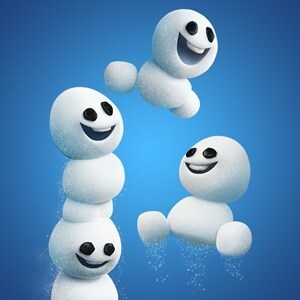
The Snowgies are numerous tiny living snow creatures created by Elsa’s sneezes in the animated short Frozen Fever. They emerge one at a time, display movement and expressive faces, create escalating trouble around Anna’s birthday celebration, and later relocate to the North Mountain ice palace.
The short treats them as a collective and does not give each individual a stable name, voice credit, age, sex, or separate biography. A collective profile respects the evidence. Visual differences and behavior suggest individuality without supporting an invented census of personalities.
Dashboard: confirmed and unknown
Confirmed: every sneeze can produce at least one Snowgie, they are alive and mobile immediately, they understand enough to hide or act, many accumulate during the birthday preparations, they interfere with decorations and machinery, they survive the short, and they join Marshmallow at the palace.
Unknown: exact total number, lifespan, melting limits, nutritional needs, memory, speech capacity, reproduction, whether more appear after later sneezes, and how consent around relocation works. Merchandise may distinguish designs, but products do not automatically establish individual canon.

The sneeze as creation event
Elsa does not shape the Snowgies with deliberate hand movement or command. Her body produces them as a magical symptom. The sneeze is involuntary, socially embarrassing, physically taxing, and generative. Illness crosses into creation before she recognizes that she is sick.
That mechanism differs from Olaf, whom Elsa creates during an emotional release, and Marshmallow, whom she creates for defense. The Snowgies have no assigned purpose. Existence arrives as side effect.
Elsa’s illness and denial
Elsa insists that a cold cannot bother her and continues an elaborate birthday plan while symptoms worsen. The joke reverses “the cold never bothered me anyway” into evidence that ordinary illness can affect her even when ice cannot. Perfectionism becomes more dangerous than temperature.
The Snowgies materialize what denial leaves unattended. Every suppressed symptom adds another responsibility. The more Elsa performs control, the more unplanned life escapes behind her.
Creation without intention
Intent is not required for moral consequence. Elsa does not mean to create dozens of beings, but once they exist, lack of intention cannot make their needs disappear. Magic turns a familiar question about accidental responsibility into visible comedy.
The short does not punish her as a bad creator. It lets friends identify the problem and find a safe place. A deeper profile can appreciate the kindness while asking what ongoing care should follow.
Are they children
Small bodies, immediate play, limited communication, and dependence can read as childlike. The film never assigns developmental age or calls them babies. They may be newly created beings with instinctive competence rather than infants in snow form.
Using “children” can express ethical concern but should remain analogy. A new life deserves care without needing to fit a human age category. The collective may combine innocence, autonomy, and capabilities humans do not understand.
Are they siblings
Fans often call Elsa’s snow creations siblings because they share one creator. The franchise does not establish a biological family system. The Snowgies may relate collectively to Olaf and Marshmallow through magical origin, shared material, palace community, or affectionate fandom language.
Sibling language is emotionally useful and canonically unconfirmed. A profile can preserve the found-family reading while distinguishing it from dialogue the short never supplies.
Relationship file: Elsa
Elsa is creator and the source of every Snowgie’s body. She spends most of the short unaware of the growing collective because sickness and birthday pressure narrow her attention. Once the truth becomes clear, the creatures are not destroyed or treated as contamination.
Her responsibility continues beyond producing them. Safe environment, autonomy, recognition, and future contact matter. The short resolves location faster than relationship.
Relationship file: Anna
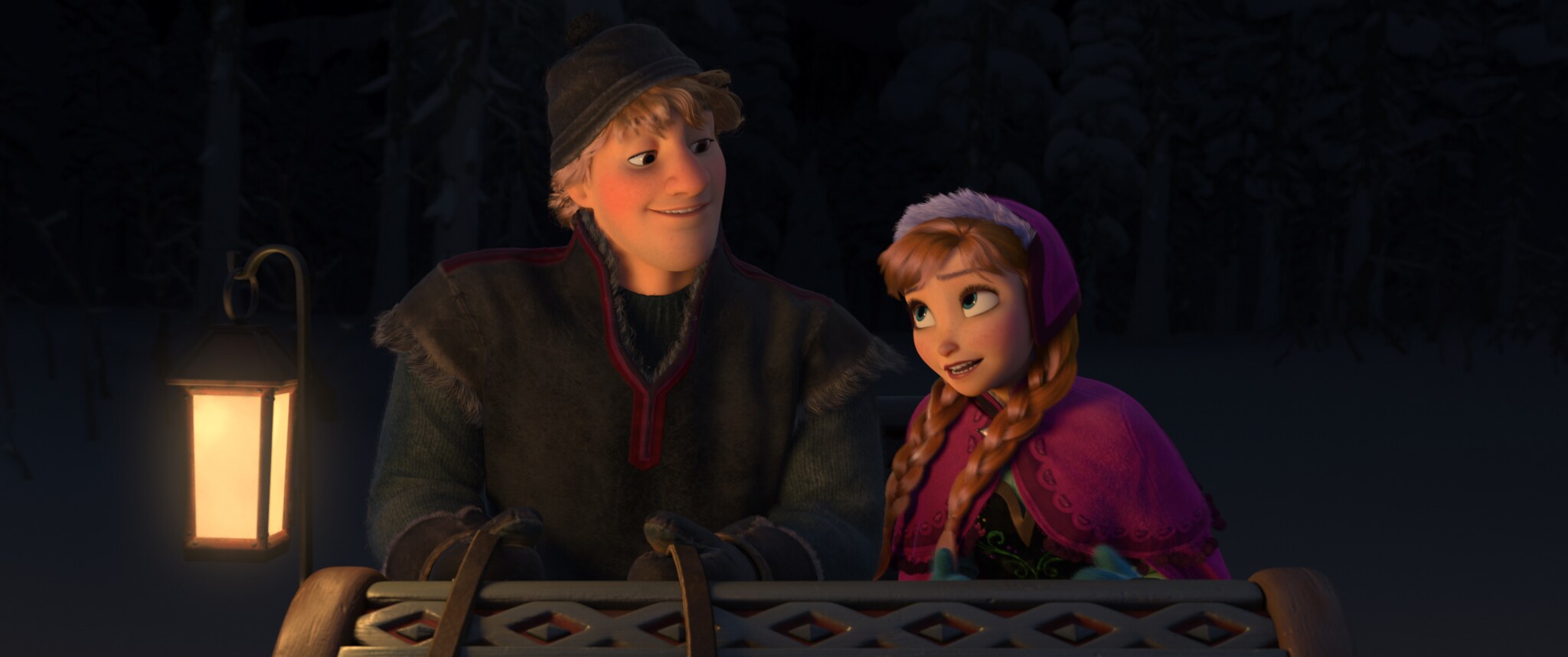
Anna is the intended center of the birthday celebration and the person most attentive to Elsa’s health. The Snowgies disrupt a plan built to prove sisterly love, yet their existence also reveals that care must respond to the actual sick person rather than the perfect day she is trying to deliver.
Anna does not receive individual bonds with the collective. Her main contribution is insisting Elsa rest and accepting imperfect celebration. That shift protects both Elsa and everyone created through continued sneezing.
Relationship file: Olaf
Olaf recognizes living snow as ordinary because his own existence began through Elsa’s magic. He helps manage, observe, or respond to the Snowgies with less existential shock than a human might. Their visual resemblance encourages a younger-sibling reading.
The short does not establish that Olaf names every individual or becomes sole caregiver. Shared material can create affinity without assigning unpaid family labor automatically.
Relationship file: Marshmallow
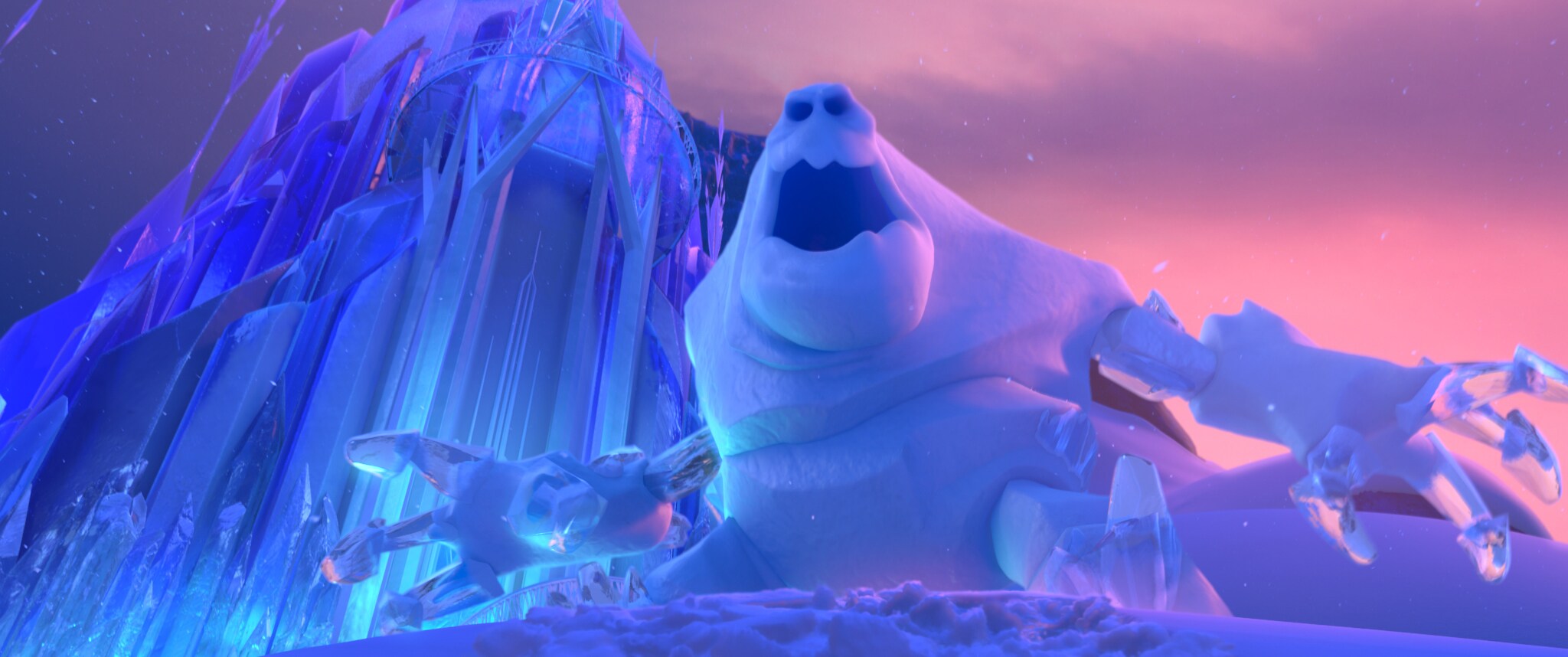
Marshmallow receives the Snowgies at the North Mountain palace, giving the collective a large snow guardian and resident companion. The contrast between his scale and their number creates comedy while suggesting protection and community.
Calling him their babysitter or parent may fit franchise humor, but the exact arrangement is not formalized onscreen. He appears welcoming rather than coerced. A responsible reading notes the care without turning one created being into default labor for all others.
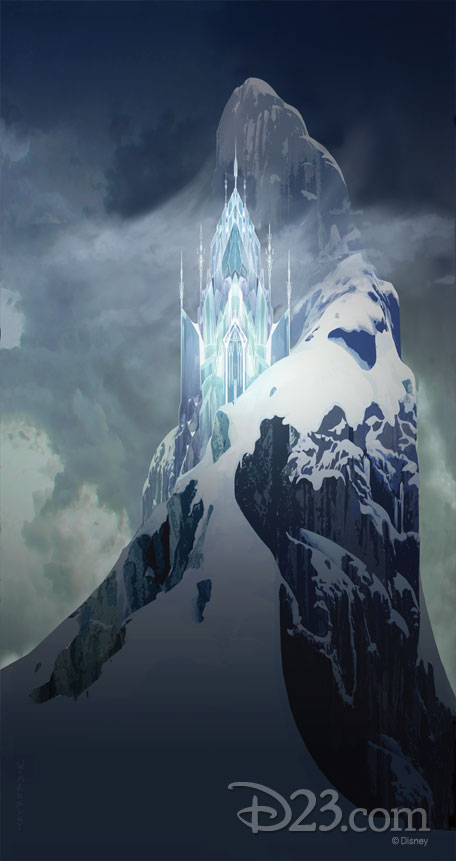
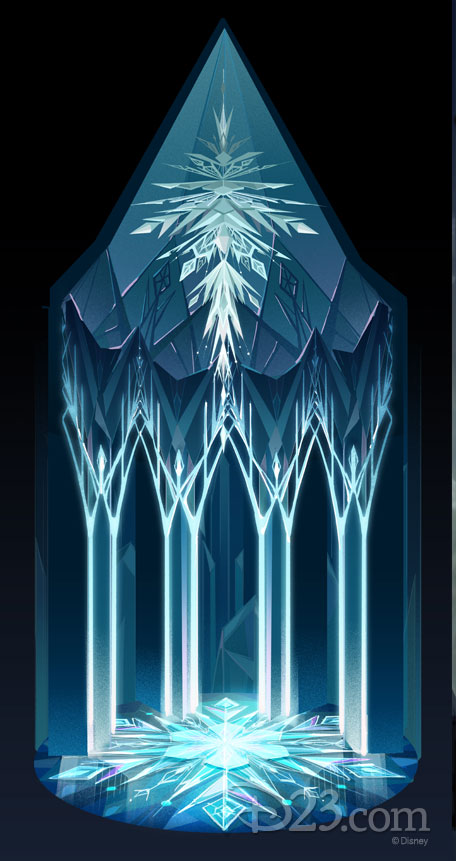
The palace as habitat
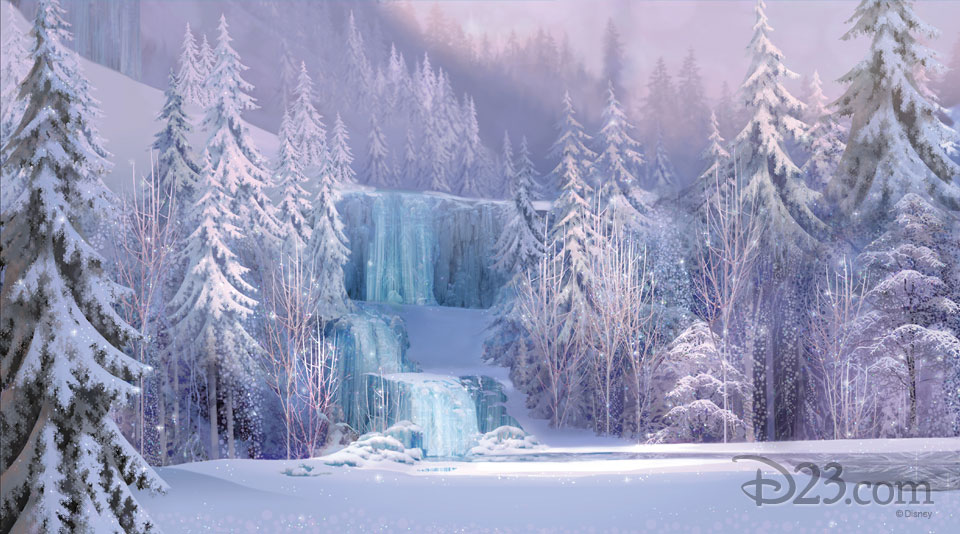
The ice palace offers cold, space, magical architecture, and distance from fragile human infrastructure. It may be safer for snow bodies than crowded Arendelle, especially when the group acts unpredictably. Relocation therefore has practical logic.
Safety is not the same as exile. If the Snowgies are sent away only because humans find them inconvenient, the solution repeats isolation. Ongoing connection with Elsa, Olaf, Anna, and the wider community determines whether the palace is home or containment.
Consent and relocation
The short ends quickly and does not show a group discussion about moving. The Snowgies appear content at the palace, which supports a benign outcome. Their limited human language makes direct consent difficult to verify.
Caregivers often make safety decisions when new beings cannot communicate conventionally. That necessity creates a duty to observe preference, permit movement, and revisit the arrangement rather than assuming one happy montage settles every future choice.
Swarm behavior
Individually tiny creatures create large effects through number. They climb, scatter, hide, interfere with decorations, and interact with mechanisms around the castle. Collective movement turns cuteness into logistical force.
“Swarm” can sound dehumanizing when applied to persons, but it accurately describes group dynamics at scale. The important boundary is refusing to treat number as proof that individuals do not matter.

The birthday cake crisis
Snowgies contribute to chaos around the birthday cake and party preparations, turning Elsa’s controlled gift into an environment nobody can fully manage. The celebration becomes a test of whether love survives imperfection.
The creatures are not malicious saboteurs. They follow curiosity and movement without understanding the social importance assigned to decorations. Human priorities do not automatically organize newly created life.
The giant snowball
Accumulated Snowgie action helps create or launch a massive snowball that travels away from the immediate party and produces one of the short’s broadest physical gags. Tiny causes combine into an event no one individual appears capable of producing alone.
The sequence makes collective consequence visible. Responsibility can be distributed even when no member intends the final scale. That principle echoes the short’s larger creation problem.
Hans and the offscreen consequence gag
The traveling snowball eventually connects the birthday chaos to Hans’s punishment or labor setting in a comic callback, depending on the exact short sequence. The gag extends consequences beyond Arendelle and gives the former villain another humiliation.
The Snowgies do not know Hans or choose retribution. Chance turns collective play into narrative punishment. Crediting them with moral judgment would invent intention for the sake of a joke.
Individuality inside repetition
Character design varies facial expression, posture, movement, and placement enough that viewers can perceive distinct Snowgies even without names. Repeated base shapes create family resemblance while animation supplies momentary personality.
Merchandise may amplify differences through accessories or labels. Screen evidence supports individuality as possibility, not a complete roster. A future directory could separate named individuals only after a canon source does.
No voice actor does not mean silence
The Snowgies communicate through squeaks, movement, facial expression, collision, and group response. Sound design can make the collective lively without giving each being dialogue. Performance is distributed across animation and effects.
Lack of words should not lower moral status. Newly created beings can display preference and distress through bodies long before humans understand a language.
What do they know at birth
The Snowgies move immediately and navigate complex spaces without visible learning. They may possess magical instinct, inherited motor knowledge, or simply cartoon efficiency. The short does not show confusion typical of human infancy.
That competence complicates the baby reading. Newness does not equal helplessness in every domain. Care should follow demonstrated needs rather than assumptions based only on size.
Do they melt
Their snow bodies suggest vulnerability to heat, yet they survive indoor castle spaces and travel to the palace without visible melting crisis. Elsa’s magic may stabilize them as it stabilizes Olaf, but the short does not publish temperature thresholds.
Exact melting rules belong to speculation unless later screen material demonstrates them. The safe claim is durable magical snow within environments shown.
Do they need food
The short does not establish eating, hunger, or energy needs. Their involvement with cake and decorations can reflect curiosity rather than nutrition. Assigning a diet from toy descriptions would overstate canon.
Care includes discovering needs rather than assuming familiar biology. Snow bodies may require cold, magic, companionship, movement, or nothing humans recognize as food.
Counting the Snowgies
Fans and reference pages sometimes offer exact counts based on frames, production notes, or merchandise sets. Onscreen movement, overlapping bodies, and repeated animation can make a definitive census difficult. Counts should be sourced and dated to the appearance being measured.
The collective can grow whenever Elsa sneezes, so one number may describe one moment rather than permanent population. A directory should not turn a freeze-frame count into timeless biology.
Elsa’s body and magical autonomy
The Snowgies reveal that Elsa’s magic can act through involuntary bodily processes. She cannot maintain perfect control simply by wanting it. Illness changes the relationship between body, power, and intention.
That can resonate with disability, chronic illness, menstruation, pregnancy, tics, or other experiences where bodies produce visible consequences outside social plans. No single analogy maps perfectly, but the loss of control should not become moral failure.
Illness is not lack of discipline
Elsa interprets sickness as something determination can overcome because she wants Anna’s day to be perfect. Her body refuses the schedule. The Snowgies make refusal impossible to hide.
Care begins when Anna stops negotiating with denial and prioritizes rest. The short’s emotional lesson is not “control your symptoms better.” It is “love the person more than the performance.”
Perfectionism creates more work
Every effort Elsa makes to continue the plan generates more Snowgies and more chaos. Perfectionism multiplies the labor it is trying to avoid. Staff and friends must manage decorations, creatures, safety, and an increasingly sick queen.
The comedy captures a recognizable pattern: refusing one honest limitation forces everyone else to absorb hidden consequences. Rest becomes collective responsibility, not private weakness.

Created beings and legal personhood
Arendelle has no visible law for life created by royal magic. Are Snowgies citizens, dependents, spirits, property, family, or residents of an independent palace community? The short does not ask because celebration needs a quick ending.
The question matters if the ecosystem grows. Personhood should follow agency and experience, not size, speech, or whether creation was planned. A crown cannot own lives merely because the queen’s sneeze made them.
Population governance without turning lives into a problem
If Elsa continues producing Snowgies during illness, Arendelle faces a recurring responsibility rather than one birthday accident. Planning could include safe cold spaces, medical support for Elsa, communication research, travel between palace and kingdom, and resources chosen with the collective rather than imposed after each sneeze.
The language matters. A growing magical population is not an infestation merely because administration becomes difficult. Governance should begin with personhood and care, then address space and safety. Otherwise royal embarrassment becomes policy directed at beings who did not choose their creation.
A reunion with Elsa is overdue
The short gives the Snowgies a happy arrival with Marshmallow but no sustained scene in which Elsa meets the entire collective as creator. Recognition would change them from consequences she hears about into relationships she must understand. It would also let individuals respond differently to her presence.
Some might approach, hide, imitate, or ignore her. Any response would be more meaningful than automatic devotion. Creation does not guarantee affection. Elsa earns trust through care after birth, not through magical origin alone.
Melting, death, and the boundary comedy avoids
Living snow raises mortality questions the short wisely avoids during celebration. If a Snowgie melts, can the body re-form? Does water retain identity? Can Elsa restore one without creating a copy? No screen source provides a responsible answer.
The absence should remain visible rather than filled with cheerful assumptions. Care becomes real when fragility is possible, but editorial coverage should not invent tragedy for depth. The supported fact is survival through the appearances shown, not immortality.
Care labor after the credits
Someone must observe safety, maintain space, respond to injury, and understand whether the group wants contact. Marshmallow appears positioned for much of that labor. Elsa, as creator, cannot treat relocation as complete delegation.
Care should be shared and consent-based. Olaf, Anna, palace staff, and North Mountain residents can participate, but magical kinship does not make any one person automatically responsible forever.
Relationship to the Enchanted Forest
The Snowgies originate in Arendelle and relocate to the North Mountain rather than the Enchanted Forest. They are Elsa’s creations, not one of the four elemental spirits. Their magical status should remain distinct from Bruni, Gale, the Nokk, and the Earth Giants.
Later contact with the forest is possible but not established by the short. Similar material does not create identical cosmology.
Relationship file: Bruni
Bruni’s fire and the Snowgies’ tiny snow bodies create obvious temperature comedy potential, but the screen does not establish a relationship. Any meeting would require care because cuteness does not cancel elemental danger.
Fan art can imagine the contrast. Canon profiles should not present imagined play as an existing scene.
Relationship file: the Nokk and Gale
Water and air contribute to snow formation in ordinary weather, while Elsa’s magic creates living snow directly. That scientific association can enrich symbolism without making the spirits biological parents.
The film never shows Gale or the Nokk producing, naming, or caring for Snowgies. Elemental connection is thematic, not a confirmed family tree.
Relationship file: the Earth Giants
Tiny snow bodies and mountain-sized stone bodies represent opposite ends of scale. Both collectives lack individual names in the main screen text and risk being treated as interchangeable because number overwhelms personhood.
Their ethical problems differ. Giants are instrumentalized for force. Snowgies are relocated for care and convenience. Collective status should not erase those distinctions.
The name Snowgies
“Snowgies” combines snow with a diminutive, cute collective sound. Official materials adopt the name, but the short does not stage a self-naming process. The label helps audiences organize dozens of similar beings quickly.
Cute naming can protect affection and reduce seriousness. The profile uses the franchise term while refusing to let it substitute for questions about agency and care.
Design: maximum expression in minimum space
Round bodies, tiny limbs, simple faces, and small variations make each Snowgie readable at speed. Animators can multiply the group without visual noise because silhouettes remain clean and expressions contrast strongly against white snow.
The design is engineered for charm, swarm comedy, and merchandise. Craft success does not mean the characters are empty. It explains how collective personality survives crowd scenes.
Sound and collective rhythm
Squeaks, taps, crashes, and synchronized movement turn the Snowgies into a rhythmic comic instrument. The group can accelerate a scene without dialogue because sound tracks number and direction.
No single voice credit needs to carry the collective. Performance emerges through layers of effects, animation, editing, and music.
Merchandising and collectible logic
Snowgies are ideal collectible characters: similar enough to form a set, varied enough to encourage completion, and connected to Elsa without requiring another human doll. Product lines can multiply designs far beyond what the short individually documents.
Collectible logic encourages viewers to count and own. The story’s ethical logic should move the other direction: number does not turn persons into inventory. A toy shelf and a canon census are different things.
Games and swarm mechanics
Interactive media may treat Snowgies as collectibles, helpers, projectiles, puzzle elements, or crowd hazards. Those mechanics translate number into repeatable play and can assign abilities absent from the short.
Each game belongs to its branch. A collectible name or power does not automatically become animated continuity, especially when the screen collective remains unnamed individually.
Parks and live appearances
Theme parks and live shows face the practical problem of representing dozens of tiny animated bodies. Projection, puppets, screens, props, or a reduced number may stand in for the collective.
Adaptation scale changes audience perception. One large mascot would not prove the Snowgies merge into a single being. Stage convenience is not magical biology.
What the short gets right
Frozen Fever turns Elsa’s illness into character consequence, lets Anna prioritize care over spectacle, and allows accidental creations to survive rather than vanish once the joke ends. The palace relocation offers cold, space, and community with Marshmallow.
It also expands Elsa’s living-magic pattern beyond deliberate creation. Power belongs to her body even when intention does not lead.
What the short leaves unfinished
The Snowgies receive no individual names, explicit consent, creator follow-up, needs assessment, or role beyond chaos and palace community. The short’s runtime makes those omissions understandable but still real.
A future appearance should show preference, recognition, and ordinary life. One Snowgie choosing differently from the group would establish individuality without requiring a giant roster dump.
What Wikipedia has that this page must exceed
The encyclopedic floor includes origin through Elsa’s sneezes, birthday-party chaos, collective name, survival, relocation to the ice palace, and association with Marshmallow. Exact counts or individual distinctions require sourcing.
CVM Sekai adds accidental-creation ethics, illness, perfectionism, care labor, consent, legal personhood, swarm behavior, collective individuality, magical biology boundaries, merchandising, adaptation mechanics, and creator responsibility.
Future file
The Snowgies need a story about choice rather than containment. Some may love palace life, some may follow Olaf, and some may explore Arendelle under safe conditions. Difference would turn the collective from adorable consequence into a community.
Elsa should also visit them when no crisis requires it. Ongoing relationship is the clearest proof that relocation was care rather than sending inconvenient lives out of sight.
Artwork responsibility
The featured artwork is original CVM Sekai fan art designed for a wide hero and directory crop. It presents a varied collective of small living snow beings inside an original lavender ice palace with a larger guardian in the distance, without copying official Snowgie or Marshmallow models.
Local metadata records generation source, alt text, rights note, and lack of Disney endorsement. The same attachment serves featured image, hero, and future card, preserving a consistent collective visual identity.
Sources and certainty
Primary evidence includes Frozen Fever, official Disney character material, published credits, and attributable later animated appearances. Product names, counts, and game abilities remain labeled by branch.
Personhood, illness, disability resonance, consent, and care analysis is interpretation grounded in visible behavior. The profile does not invent sex, ages, diets, individual names, or a fixed population the short never supplies.
The final read
The Snowgies are the cost of pretending a sick body can keep performing perfectly and the gift of discovering that unintended life still deserves a future. They begin as symptoms escaping behind Elsa and end as a community entering a palace built from the same magic that made them.
Cute is not the opposite of consequential. Every sneeze creates another face, another movement, and another responsibility. The birthday survives because love changes the plan. The Snowgies survive because the story, briefly and importantly, refuses to treat accidental creation as disposable.
Frozen coverage
Return to the Frozen hub for every character, review, React, rant, and guide.