

Frozen Character Profile · Queen · Fifth Spirit · Recovering Professional Door-Closer
Elsa
Power, fear, family, performance, queerness, leadership, and the long work of learning that isolation is not the same thing as protection.
Profile
| Full name | Elsa of Arendelle |
|---|---|
| Titles and roles | Princess, Queen of Arendelle, protector of the Enchanted Forest, and the human side of the Fifth Spirit bridge |
| Family | Anna, Queen Iduna, King Agnarr, and the royal line that includes King Runeard |
| Primary performer | Idina Menzel |
| Younger voices | Eva Bella as young Elsa and Spencer Lacey Ganus as teenage Elsa in the first film |
| First screen appearance | Frozen (2013) |
| Released story branches | Frozen, Frozen Fever, Olaf’s Frozen Adventure, Frozen II, and connected shorts or series appearances |
| Core abilities | Ice and snow creation, temperature change, architecture, clothing transformation, weather-scale effects, and the creation or restoration of magical life |
| Current status | Living in or near the Enchanted Forest while Anna governs Arendelle |
Bottom line first
Elsa remains the franchise’s most recognizable character because spectacle never replaces the frightened person operating the magic. Her power can build a palace, freeze a kingdom, calm elemental spirits, preserve memory, and create life. None of those abilities teach her how to tell Anna the truth before leaving. The human problem keeps the myth from floating away.
A reference profile can list the dresses, songs, powers, and titles. The useful profile has to explain why each change matters. Elsa grows from a child trained to treat her body as a public emergency into an adult who can choose work, family, distance, and responsibility with more honesty. The progress is real. So is her habit of making unilateral decisions whenever love becomes frightening.
Before the gates closed
Elsa and Anna begin as ordinary sisters inside an extraordinary situation. They play at night, build Olaf together, and use Elsa’s magic as part of a private language. The accident changes the household because Elsa strikes Anna while trying to prevent a fall. Grand Pabbie heals Anna and removes her memory of magic, leaving Elsa as the only child who remembers the full cause.
The adults respond by shrinking the family’s world. King Agnarr and Queen Iduna close the gates, reduce contact, separate the girls, give Elsa gloves, and repeat “conceal, don’t feel.” Their fear has logic, but the plan confuses containment with education. Elsa receives no safe practice community, no graduated exposure, and no language for repairing harm. She learns that successful love means remaining controlled and unavailable.
The death of Iduna and Agnarr
The parents die at sea while the sisters are still young. Elsa inherits the crown, the secret, the fear policy, and responsibility for a kingdom that knows almost nothing about her. Anna inherits grief plus another unanswered silence. Neither sister has an adult left who can explain why the family lived that way.
Later material reveals Iduna’s Northuldra origin and her childhood rescue of Agnarr. That history changes Elsa’s understanding of lineage without repairing the parenting choice. Iduna and Agnarr loved their daughters. Love did not make their strategy healthy. The films become stronger when the parents remain caring people whose fear caused lasting damage rather than simple villains or flawless martyrs.

Coronation day and the first public rupture
Elsa’s coronation forces touch, ceremony, crowds, and public scrutiny into one day. The sequence makes control physical. She watches her hands, limits breath, and treats every ordinary interaction as a possible disaster. Anna’s engagement announcement creates the confrontation because Elsa recognizes danger and responds with authority instead of explanation.
The magical exposure is accidental, but the flight is a choice shaped by years of rehearsal. Elsa expects fear because fear is the only public response her parents prepared her to imagine. The Duke of Weselton supplies the word “monster,” yet Elsa already believes the accusation. The kingdom sees one uncontrolled moment. Elsa hears confirmation of an identity she has feared since childhood.
Let It Go and the beautiful version of avoidance
The mountain sequence gives Elsa genuine relief. She tests scale, changes posture, builds architecture, alters her clothing, and stops asking permission. The pleasure should not be explained away. A person who has monitored every gesture finally experiences her body as creative rather than dangerous.
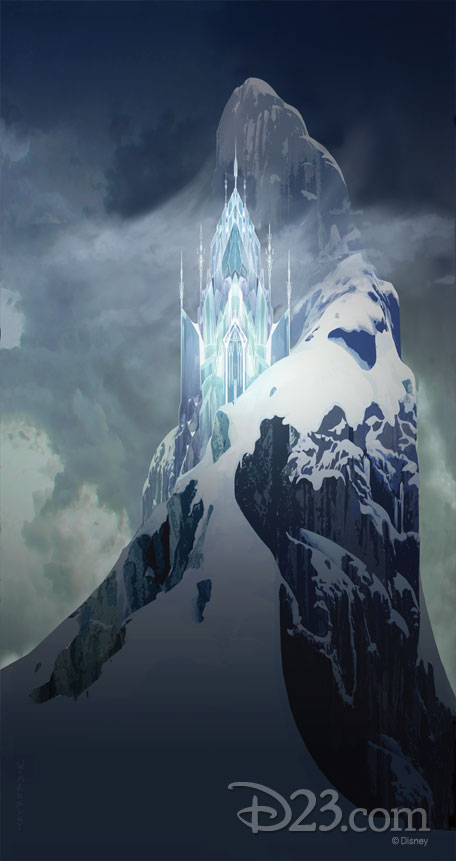
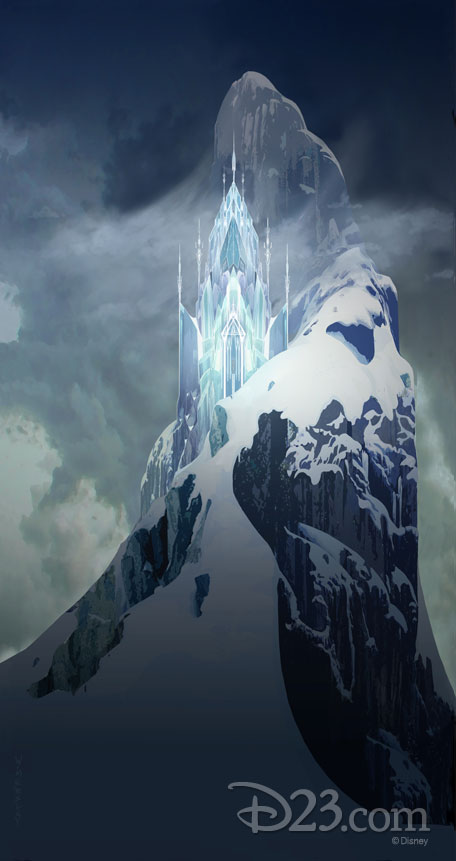
The limitation appears in the location. Elsa can imagine authenticity only after removing every witness. The ice palace is another closed door with better lighting. “Let It Go” ends shame for the length of a song, not the pattern of isolation. Her refusal to return leaves Arendelle frozen and Anna still chasing information. Freedom without relationship cannot finish the work.
Anna, the thaw, and the first repair
Anna approaches Elsa with loyalty, urgency, and very little understanding of what the winter requires. Elsa panics, strikes Anna again, creates Marshmallow, and sends everybody away. The encounter proves affection alone cannot prevent harm when the sisters lack shared information and boundaries.
Anna’s final sacrifice breaks Elsa’s certainty that closeness inevitably destroys the person she loves. Elsa’s grief and recognition thaw the kingdom because the story links emotional connection to control. The ending opens the gates and restores play, but the films never show one hug erasing every habit. Elsa continues learning how to communicate after the first crisis ends.

Frozen Fever and overcompensation
Elsa plans Anna’s birthday as if one perfect day can repay every missed celebration. The gifts, route, decorations, and song reveal guilt wearing a hostess smile. A magical cold produces Snowgies while Elsa insists she feels fine, which repeats the family pattern in comic form. Denial creates consequences that everyone else quietly manages.
Anna does not ask for spectacle. Anna wants time with her sister and eventually insists Elsa rest. The short gives Elsa a small but important lesson: receiving care does not cancel the celebration, and an imperfect day can still become a good memory. Repair requires presence more often than performance.
Olaf’s Frozen Adventure and the family archive
The holiday special exposes another consequence of isolation. Anna and Elsa believe the closed gates deprived them of a shared tradition. Olaf searches Arendelle for one they can borrow, while the sisters discover keepsakes connecting years of drawings, memories, and the snowman they once built together.
Elsa kept evidence of Anna’s attempts to reach her even when fear prevented an answer. The archive does not make the separation harmless. The objects prove that relationship survived in fragments. Olaf becomes both childhood memory and present family member, which explains why his later loss hurts Anna and Elsa as the death of a person rather than the destruction of a spell.
Frozen II and the voice she cannot ignore
Elsa begins the sequel loved, competent, and restless. The mysterious voice threatens a stable household, so she tries to suppress curiosity for the same reason she once suppressed magic. “Into the Unknown” stages responsibility arguing with desire. She loves Arendelle and still senses the throne may not fit the life she needs.
The problem is not wanting another path. The problem is withholding the call until magical disruption forces a public response. Elsa still believes information becomes safe only after she controls the plan. Anna hears secrecy as the possible return of abandonment. Their old injuries remain active inside a stronger relationship.

The Enchanted Forest and elemental relationships
Gale, Bruni, the Nokk, and the earth giants require different forms of attention. Elsa cannot solve every encounter with maximum force. She plays with air, calms fire, survives water, and respects the scale of earth. The magic becomes relational rather than merely defensive or architectural.
The forest also connects Elsa to the Northuldra and to Iduna’s history. The sequel developed the fictional Northuldra with Sámi consultation, and the cultural source must remain named rather than absorbed into generic fantasy. Elsa’s belonging cannot be separated from the real traditions Disney used to build the fictional world.
Ahtohallan, knowledge, and another solo mission
Elsa sends Anna away before crossing the Dark Sea. The decision repeats the old lesson in heroic language: protection means deciding what the other person can face. Elsa reaches Ahtohallan alone, discovers Runeard’s crime, and follows memory below the warning point until she freezes.
Ahtohallan rewards the search for truth and exposes the danger of needing complete control over the answer. Elsa manages to send evidence to Anna, which finally makes action depend on trust rather than presence. Anna receives the fact without receiving Elsa’s entire experience and still understands the political consequence.
The Fifth Spirit
Honeymaren describes a Fifth Spirit that connects nature’s magic and people. Elsa becomes the visible magical figure, but the ending describes the bridge as having two sides. Anna and Elsa complete the role together through different kinds of authority.
Elsa discovers the crime and communicates the evidence. Anna destroys the dam and accepts the possible cost to Arendelle. Elsa diverts the flood and restores Olaf. Calling Elsa alone the Fifth Spirit is convenient shorthand, yet the two-sister reading better matches the action. Magical access does not replace institutional responsibility.

Leaving the throne
Elsa’s move to the forest can be a healthy choice about fit. Governing Arendelle required diplomacy, administration, ritual, and permanent public availability. Elsa can perform those duties, but competence does not prove the work belongs to her. The forest lets curiosity, magic, and mediation become daily practice.
The transition happens too quickly onscreen. Anna receives a kingdom after helping expose the crime beneath its national history. Elsa gains freedom after another disappearance and rescue. Future stories need to show partnership rather than treating the practical sister as the person who stays behind to manage consequences.
Power file: what Elsa can do
Elsa creates snow, ice, structures, clothing, weather systems, defensive barriers, transport paths, and living magical beings. Scale responds to emotion and intention. Her work ranges from tiny decorative detail to kingdom-wide winter. She can freeze a human heart accidentally, thaw a frozen body through love, and restore Olaf after understanding the memory held in water.
The limits remain inconsistent because the films use magic emotionally before defining a system. Fear narrows control. Physical illness produces involuntary Snowgies. Ahtohallan can freeze Elsa despite her affinity with ice. The elemental spirits can resist her. Her strongest ability may be rapid learning, but power does not remove exhaustion, incomplete knowledge, or the consequences of choosing alone.
Olaf, Marshmallow, and created life
Olaf carries personality, attachment, and traces of the sisters’ childhood before Elsa consciously understands the creation. Marshmallow functions more like a guardian shaped by fear. The Snowgies appear through illness. These examples suggest Elsa’s magic responds to conscious design, unconscious need, body condition, and memory.
The ethical questions deserve more attention than the franchise gives them. Created beings are not accessories once they show preference and relationship. Olaf’s death and restoration confirm personhood inside the story. Elsa’s responsibility extends beyond controlling destructive magic. She creates lives capable of depending on her continued existence.
Anna: love, pursuit, anger, and equality
Anna remains Elsa’s most important relationship, but “they love each other” is only the beginning. Anna pursues because unexplained absence shaped her childhood. Elsa withdraws because fear taught her closeness creates danger. Each survival strategy activates the other.
Their healthiest moments include disagreement and separate action. Anna can challenge Elsa’s decisions without becoming an obstacle to destiny. Elsa can need space without disappearing or withholding the entire problem. The franchise earns sisterhood when both women carry knowledge, agency, anger, and responsibility rather than assigning magic to one and emotional labor to the other.
Kristoff, Olaf, Sven, and the household
Kristoff treats Elsa as family without turning awe into obedience. Olaf links Elsa to childhood play and forces philosophical questions into ordinary conversation. Sven contributes judgment nobody in the palace requested and often appears more alert to emotional danger than the humans.
The household matters because Elsa spent years imagining power made ordinary family life impossible. Shared meals, games, celebrations, travel, and arguments become evidence that intimacy can survive magic. The films should show more of that daily repair. Spectacular reunions cannot replace the routines that make trust believable.
Hans, Runeard, and fear used as government
Hans recognizes institutional vulnerability and uses Elsa’s secrecy to claim authority. Runeard fears magic because independent relationships with land limit royal control. The men operate differently, but both convert fear into a reason they should govern.
Elsa’s response to public suspicion matters politically. She begins as a monarch whose private crisis becomes national weather. By the sequel, she exposes an ancestor’s crime and leaves the throne. The franchise still owes a fuller account of transparency, succession, and what magical authority means when one person can alter an entire economy by panicking.

Idina Menzel and the adult voice
Menzel gives Elsa scale without losing restraint. Early dialogue often sounds negotiated around breath, as if emotion must pass inspection before becoming audible. The voice opens during songs, yet even the largest notes retain pressure from the person who learned silence first.
“Let It Go” releases shame. “Into the Unknown” stages resistance and temptation. “Show Yourself” begins as a search for external confirmation and lands on self-recognition. Menzel distinguishes the songs through intention rather than volume. The performance lets a mythic role remain connected to a frightened child.
Eva Bella, Spencer Lacey Ganus, and age continuity
Eva Bella voices young Elsa, while Spencer Lacey Ganus supplies the teenage voice in the first film. Those stages matter because the profile cannot jump from one accident to adult coronation and call the biography complete. Elsa spends years practicing fear.
The younger performances establish shrinking speech and guarded movement before Menzel inherits the role. Age continuity also clarifies that the harmful system was not one bad week. The girls grow inside the arrangement long enough for isolation to become personality, habit, and public policy.
Design evolution
Elsa’s visual design tracks control, release, governance, journey, and spiritual role. Gloves and structured coronation clothing emphasize containment. The ice dress uses movement, translucency, and exposed hands to mark self-permission. The sequel adds travel clothing before the white Fifth Spirit design shifts her away from court.
Costume change should not be mistaken for complete healing. Disney knows how to sell transformation through a dress. The useful reading checks what Elsa does afterward. Clothing makes internal change visible, while communication, accountability, and repeated behavior determine whether the change lasts.
Queer resonance and the canon boundary
Elsa has not been canonically labeled queer. The queer reading remains supported by concealment, bodily difference, compulsory performance, fear of rejection, relief outside assigned rules, and the search for a life that fits beyond expected romance. Those patterns can also speak to disability, anxiety, trauma, and neurodivergence. One reading does not cancel another.
Disney benefits from broad identification while avoiding specific confirmation. Fans do not need corporate permission to recognize themselves. Criticism should still separate textual resonance, fandom desire, creator statement, and canon fact. The company’s strategic ambiguity belongs in the analysis because ambiguity has commercial and political value.
Criticism and unfinished questions
The films sometimes justify Elsa’s difference by making the power sacred and useful. The Fifth Spirit role risks suggesting unusual bodies become acceptable after receiving a mythic job description. People should not need destiny before fear stops governing how others treat them.
Future stories need to define Elsa’s daily obligations, relationship to the Northuldra, communication with Anna, and limits around Ahtohallan. A stronger villain or larger ice effect cannot replace those questions. The franchise already connected power to land, memory, government, and family. The next chapter must accept the consequences.
Song file: For the First Time in Forever and its reprise
Elsa’s first adult musical entrance does not begin with freedom. “For the First Time in Forever” lets Anna and Elsa assign opposite meanings to the same open gates. Anna hears possibility, people, and romance. Elsa hears exposure, touch, and the countdown toward failure. The counterpoint gives both women a complete emotional argument before the coronation begins.
The reprise removes the public mask. Anna believes love and information can solve the winter if Elsa returns. Elsa hears another responsibility she cannot control and answers with escalating panic. The music stops being parallel monologue and becomes failed communication. Elsa’s accidental strike lands after both sisters have said something true and neither has understood what the other needed.
Song file: Into the Unknown and Show Yourself
“Into the Unknown” begins with refusal because Elsa already knows what answering a call can cost the household. The repeated voice does not offer a plan. Elsa supplies the fantasy of another person who may understand her difference. Curiosity grows alongside guilt, which gives the song more conflict than a simple adventure invitation.
“Show Yourself” appears to promise an external answer, then redirects recognition toward Elsa, Iduna, and the history preserved in Ahtohallan. The scene can feel validating and dangerously tidy at once. An ancestral explanation gives Elsa language for her power, but purpose does not retroactively justify years of fear. Self-recognition matters most when Elsa uses the answer to change behavior rather than merely receiving a new dress and title.
Leadership record: Queen Elsa before abdication
Elsa reopens Arendelle, restores public recreation, participates in ceremonies, hosts visiting dignitaries, protects the kingdom, and appears to govern competently between crises. The films provide fewer administrative details than the scale of her authority deserves. Viewers see a compassionate queen with little evidence about councils, trade, succession, law, or public preparation for another magical emergency.
Her willingness to expose Runeard’s crime distinguishes leadership from brand protection. Elsa could have treated the archive as a private family shame. She sends the truth to Anna while trapped, enabling action that may destroy the capital. That decision shows political growth, even though the sequel gives Anna the harder institutional task and moves Elsa toward a role with less visible public accountability.
Stage, books, games, parks, and alternate continuity
The Broadway adaptation expands Elsa’s interior material through additional songs, scenes, and theatrical performance choices. Books, comics, games, television appearances, and park attractions add characterization with different levels of continuity. A complete profile records those branches without treating every licensed appearance as equal evidence for film canon.
The stage musical matters because live performance changes how concealment and release occupy a room. Park versions emphasize spectacle and recognition. Publishing often fills domestic gaps the films leave open. Games may turn magic into mechanics built for play. Each medium reveals what the franchise considers essential about Elsa while also serving a different audience and commercial purpose.
Reception, merchandising, and the problem of becoming a symbol
Elsa became a global product category almost immediately. Costumes, dolls, recordings, attractions, school performances, memes, and endless versions of “Let It Go” turned a psychologically specific character into a portable symbol of empowerment. The popularity gave millions of viewers language. The same scale can flatten the difficult parts that made the language matter.
Merchandising prefers the transformed ice queen over the woman practicing repair. The blue dress photographs cleanly. A conversation about boundaries, public responsibility, or fear does not fit as easily on a lunchbox. Strong criticism keeps both Elsas visible: the cultural icon sold as confidence and the character whose freedom remains incomplete whenever she disappears instead of explaining what she needs.
Frozen 3 and the future file
Disney currently schedules Frozen 3 for November 24, 2027, with Jennifer Lee and Trent Correy directing and Christina Chen producing. Production discussion has also connected the story to a further continuation. Those facts establish a branch, not a completed character outcome. Trailers, concept art, songs, and marketing will be recorded as production evidence without converting promotional hints into canon before release. Release dates can change, so the profile records the verified status and date of each update.
Elsa’s next chapter needs consequences rather than another reset. The profile should track whether she communicates before answering danger, how the Fifth Spirit role affects the Northuldra, what authority she holds outside Arendelle, and whether Anna participates in decisions that cross both territories. A new opponent can test power. A worthwhile sequel also tests whether Elsa has changed the habit that made love feel like a reason to leave alone.
Fandom notes and things the dashboard misses
Elsa’s popularity grew beyond the plot because viewers carried different private histories into the same scenes. Children heard permission. Adults heard burnout, concealment, family role, and the exhaustion of appearing safe. Queer fans heard survival under compulsory performance. Disabled and neurodivergent fans recognized a body treated as a management problem.
That range does not make every interpretation equally supported. Strong fandom reading names the scene, behavior, lyric, production choice, or pattern behind the claim. The goal is not to close interpretation. The goal is to keep corporate marketing, verified canon, cultural source, and personal recognition from being blended into one smooth certainty.
Sources and deeper reading
Primary references include Disney’s official film records, D23 character and production archives, Walt Disney Animation Studios production material, the Into the Unknown: Making Frozen II documentary, and public material concerning the Sámi consultation for the sequel. The media records on this page preserve direct source and rights information.
Reference summaries from major encyclopedic and specialist sources were used as a factual floor, not as finished analysis. This profile adds chronology, relationship mechanics, performance discussion, political consequence, cultural context, criticism, and clear boundaries between canon and interpretation.
Frozen coverage
Return to the Frozen hub for the film reviews, release-by-release Reacts, rants, character directory, watch order, cultural context, and magic guide.