
RAERAE REACTS · ATEEZ · YUNHO · MINGI
Youth MV React: Yunho and Mingi Let Adulthood Feel as Unfinished as It Actually Is
“Youth” does not sell growing up as a clean graduation from confusion into competence. Yunho and Mingi live inside the messier version: rooms that feel too quiet, futures that refuse to answer and friendship that cannot solve everything but can keep another person from disappearing inside the question. The MV gives uncertainty space instead of dressing it as inspirational content.
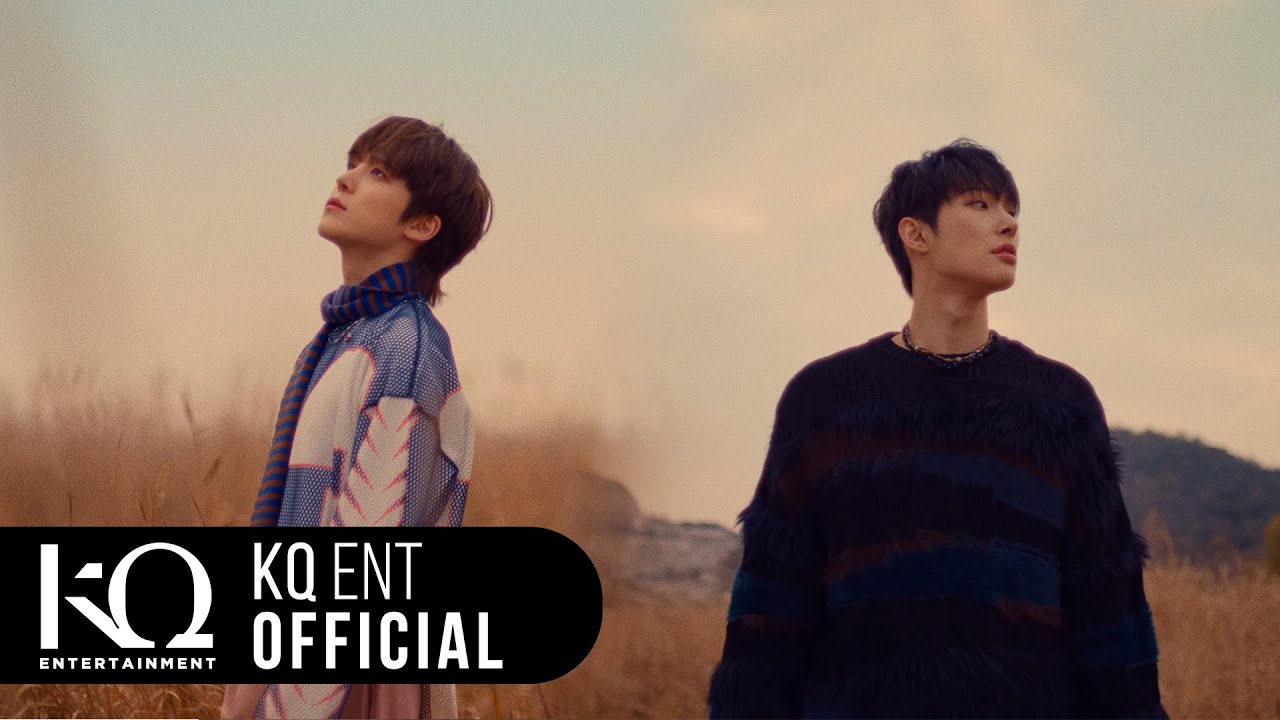
Release file
Released: January 16, 2024
Runtime: 03:59
Artists: Yunho and Mingi of ATEEZ
Project: THE WORLD EP.FIN : WILL
Platform / channel trail: KQ Entertainment official YouTube
Label / channel trail: KQ Entertainment
Exact-video distinction: This is the official Yunho-and-Mingi unit MV, separate from group title-track and stage uploads.
Sound: Reflective midtempo pop-hip-hop that balances Mingi’s grounded rap with Yunho’s open vocal tone and refuses a manufactured victory chorus.
Sources: Exact official MV and release routesDaily+3.3KTotal views19.4M.
First reaction: the unit song understands scale
ATEEZ can turn one emotion into an arena emergency. “Youth” chooses a smaller room and lets two members hold it. That reduction is not lesser ambition; it is the correct scale for questions that usually arrive when nobody else is watching.
The MV resists inserting spectacle just to remind viewers which group made it. Yunho and Mingi remain recognizable without carrying the whole ATEEZ performance machine into every frame.
Mingi gives uncertainty a physical weight
Mingi’s lower tone makes doubt sound heavy rather than vague. He does not rap about youth from a professor’s distance. Phrases land like somebody trying to name pressure before pressure hardens into identity.
His delivery leaves roughness around the thought. That texture matters because polished sadness can become decorative. Mingi sounds as if the sentence costs something.
Yunho opens a window without pretending the room disappeared
Yunho’s clearer vocal tone brings lift, but he does not function as the cheerful answer to Mingi’s darkness. His lines carry their own uncertainty and make hope feel like shared breathing rather than correction.
That equality keeps the duet emotionally honest. One friend is not broken while the other arrives fully healed. Both are unfinished in different registers.
Friendship is presence, not treatment
The MV values two people occupying the same emotional world without claiming companionship cures distress. That boundary is rare and important. Friends can listen, return and help somebody reach tomorrow; they cannot substitute for every form of care.
“Youth” does not romanticize one person becoming responsible for another’s survival. It shows connection as a reason to keep moving, not a magic credential.
The visual spaces feel used, not symbolic by committee
Rooms, streets and transitional spaces carry the ordinary emptiness of young adulthood. They are not puzzle boxes requiring a fan theory to justify every chair.
That restraint lets environment support emotion. A doorway can remain a doorway and still represent the difficulty of leaving. The video trusts viewers to feel before decoding.
The song refuses nostalgia for a period still happening
Youth is often packaged as a golden season adults understand only after it ends. Yunho and Mingi reject that distance. Confusion is current, bills arrive, expectations grow and time keeps moving without distributing instructions.
The title becomes less a memory than a condition: being old enough to be accountable and young enough that everybody assumes possibility should feel exciting.
The unit pairing reveals complementary timing
Mingi tends to settle into the beat and let weight accumulate. Yunho’s phrasing lifts and carries the line forward. Their handoffs create motion without forcing either performer to imitate the other.
That is the point of a useful unit. It should expose a relationship the full group cannot hold at this duration, not simply remove six people and call the empty space intimacy.
The chorus does not hand out a certificate
No giant modulation announces that uncertainty has been defeated. The arrangement grows, but growth means greater willingness to articulate rather than a sudden cure.
That choice makes replay emotionally safer. Listeners do not have to feel inadequate because the singers reached enlightenment before the final chorus.
Four minutes allow the feeling to develop
The MV is long enough for quiet images and repeated thoughts to change meaning. It does not behave like a teaser stretched around a full audio track.
A few passages could be tighter, but the patience supports the subject. Youth often feels like waiting for an answer while time continues spending itself.
The title is broad; the performances make it specific
“Youth” risks becoming a universal word carrying nobody’s actual story. Mingi’s heaviness and Yunho’s open uncertainty keep the concept attached to bodies and voices.
Specificity does not require autobiography disclosed on demand. Performance choices can make a broad lyric feel lived without forcing artists to surrender private records.
Where I wanted one sharper edge
The video’s emotional restraint occasionally becomes visual safety. One image of consequence—something broken, missed or left unfinished—could give the beautiful melancholy a harder surface.
The song earns tenderness. It can also tolerate anger. Youth is not only confusion under good lighting; sometimes it is being furious that nobody prepared you and still expecting you to perform competence.
Why this exact unit MV needs its own page
This is not a general ATEEZ group video and not a solo profile supplement. The unit relationship between Yunho and Mingi is the object. Their voices, shared visual space and complementary timing create the meaning.
Exact-video tracking prevents unit labor from disappearing under the group name or being attached to unrelated “Youth” titles.
What changed every time I replayed it
- Mingi’s weighted entrances: doubt becomes physical.
- Yunho’s lift: hope opens space without erasing the room.
- The shared silence: friendship exists before advice.
- The restrained chorus: no fake graduation certificate arrives.
- The ordinary locations: emotion does not need a puzzle box.
- The final handoff: two unfinished people keep moving together.
The production leaves dignity inside vulnerability
Quiet songs about struggle sometimes turn the performer into an object viewers are invited to rescue. “Youth” avoids that bargain. Yunho and Mingi can admit uncertainty without surrendering agency, competence or the right to remain partly private.
That dignity matters in idol culture, where confession is often treated as proof of authenticity and then mined for unlimited access. The song offers an emotional truth, not ownership of every event behind it. Listeners can recognize themselves without demanding a complete case file from either artist.
RaeRae verdict
“Youth” earns its title by refusing to make growing up look completed. Yunho and Mingi balance weight and lift, isolation and companionship, honesty and movement without assigning one member the role of patient and the other the role of cure.
I wanted one angrier visual edge. I did not need an arena climax. The unit’s real power is letting uncertainty remain human-sized long enough to be heard.
Bottom line
Yunho and Mingi let adulthood feel as unfinished as it actually is. “Youth” makes friendship a presence rather than a cure and gives two different kinds of uncertainty enough room to breathe honestly beside each other today.