
RAERAE REACTS · CRAVITY · OFFICIAL MV
CRAVITY Love or Die Music Video React
CRAVITY put nine men inside a nightmare, add drum-and-bass momentum and ask obsession to keep pace. Romance has apparently lost access to moderate settings. At least the chorus knows how to run.
Bottom line: “Love or Die” succeeds because the production moves faster than the melodrama can pose. Ryan Jhun, Cesar Peralta and The Wavys build urgency under a wounded pop-rock topline, while Serim and Allen write rap sections that admit the speaker has become ridiculous. CRAVITY sell danger through nine different kinds of strain, though I still want the lyric to stop romanticizing pain long enough to examine the person causing all this bleeding.
Release file: the boring metadata shit we still need
Artist: CRAVITY: Serim, Allen, Jungmo, Woobin, Wonjin, Minhee, Hyeongjun, Taeyoung and Seongmin.
Released: February 26, 2024 · MV runtime: approximately 2:46 · Exact playlist upload: nnBiA1iq8r0.
Credits: Ryan Jhun, Ryan Curtis, Okhan Uenver, Cesar Peralta, Jack Brady and Jordan Roman composed; Hwang Yubin, Serim and Allen wrote lyrics with the composers. Ryan Jhun, Cesar Peralta and The Wavys produced, with The Wavys arranging.
MV: directed by Lee Yongseok for What’s Worth Studio, with music-video direction and arrangement by Kim Young and Noh Jungin.
Sound: drum-and-bass drive, pop-rock guitar color, bleeding-heart melody and a 173 BPM pulse that refuses to sit with its own feelings.
Label: Starship Entertainment.
Sources: CRAVITY’s official music video, Starship release materials, the EVERSHINE release record, and the credited music databases linked below.
What changed every time I replayed it
First play: I heard the chorus before I processed a single nightmare image. The melodic line stretches while the beat keeps sprinting, producing the exact feeling of somebody trying to make a serious confession on a moving walkway set to “airport emergency.”
Second play: Serim and Allen’s verses became the hinge. “Call me crazy,” obsession and loss of control are ugly admissions, which give the cleaner vocal longing something rough to push against.
Third play, screen hidden: the percussion did more emotional work than the title phrase. Fast drums turn stillness into panic, while guitar texture keeps the chorus from floating into glossy sadness.
Fourth play: I followed recovery instead of centers. Hyeongjun and Taeyoung keep speed visible through their feet, Woobin and Minhee stabilize the melodic weight, and the full group looks like nine separate nervous systems receiving the same bad message.
Meaning: the beat understands obsession better than the lyric
The speaker cannot wake, cannot exit and cannot imagine a choice beyond love or death. That language belongs to pop’s long tradition of making emotional dependence sound expensive. The song flirts with poison, bleeding and nightmares until I want a responsible friend to confiscate everybody’s phone.
The production saves the premise by refusing romantic stillness. Drum-and-bass momentum makes fixation feel involuntary and physically exhausting. The narrator is not standing under a balcony with a rose. He is running through the same thought until the thought controls his breathing.
I wanted one lyric to challenge the binary. Love or die sounds dramatic; love, block the number and sleep for twelve hours might be healthier. A bridge that recognizes obsession as danger would deepen the nightmare instead of presenting suffering as proof of devotion.
Ryan Jhun and The Wavys keep nine voices moving
The track carries a large credit team, but the arrangement has a clear center. Rapid percussion creates forward pressure, guitar adds rough color and the topline stretches emotion across that speed. Voices can ache while the body keeps moving.
Ryan Jhun appears across all six EVERSHINE tracks, and “Love or Die” sits between CRAVITY’s early intensity and the brighter identity they developed later. The production remembers both histories. Darker weight returns without erasing the melodic looseness learned through “Groovy” and “Ready or Not.”
The final repetitions need one arrangement rupture. Strip the drums, expose Woobin or Seongmin for a beat, then let the rhythm flood back. The existing ending maintains urgency. A moment of oxygen deprivation would make the return hurt.
Serim and Allen write the ugly part out loud
Allen explained that he and Serim wrote toward the all-or-nothing theme because the group wanted a more mature, aggressive turn after several bright releases. Their rap sections do not pretend obsession is graceful. The speaker sounds controlling, confused and aware of his own collapse.
Serim brings blunt force and a grounded cadence. Allen uses sharper English phrasing and quicker changes of attitude. Their contrast interrupts the smoother vocal longing before nine beautiful men can convince the audience that emotional disaster always arrives with perfect lighting.
Member participation matters most when the writing creates friction. Serim and Allen are not signing their names beneath a generic verse; they give the song language that complicates the chorus. “Call me crazy” lands as confession and warning.
Nine members make panic legible
Woobin gives the chorus its central ache. Minhee’s clearer tone keeps urgency from becoming noise, while Jungmo and Wonjin connect the vocal sections with different shades of strain. Seongmin’s lighter color provides vulnerability where another heavy voice would overcrowd the picture.
Hyeongjun and Taeyoung translate speed into movement, attacking pathways without losing the line. Serim and Allen change the verbal temperature. Across nine members, distribution works when every entrance alters pressure rather than merely proving attendance.
The MV occasionally changes faces faster than a new viewer can learn them. I want longer member-specific sequences, especially around the second verse. Nine people require editorial patience. Rapid cutting can manufacture urgency while stealing identity.
A nightmare filmed with too much control
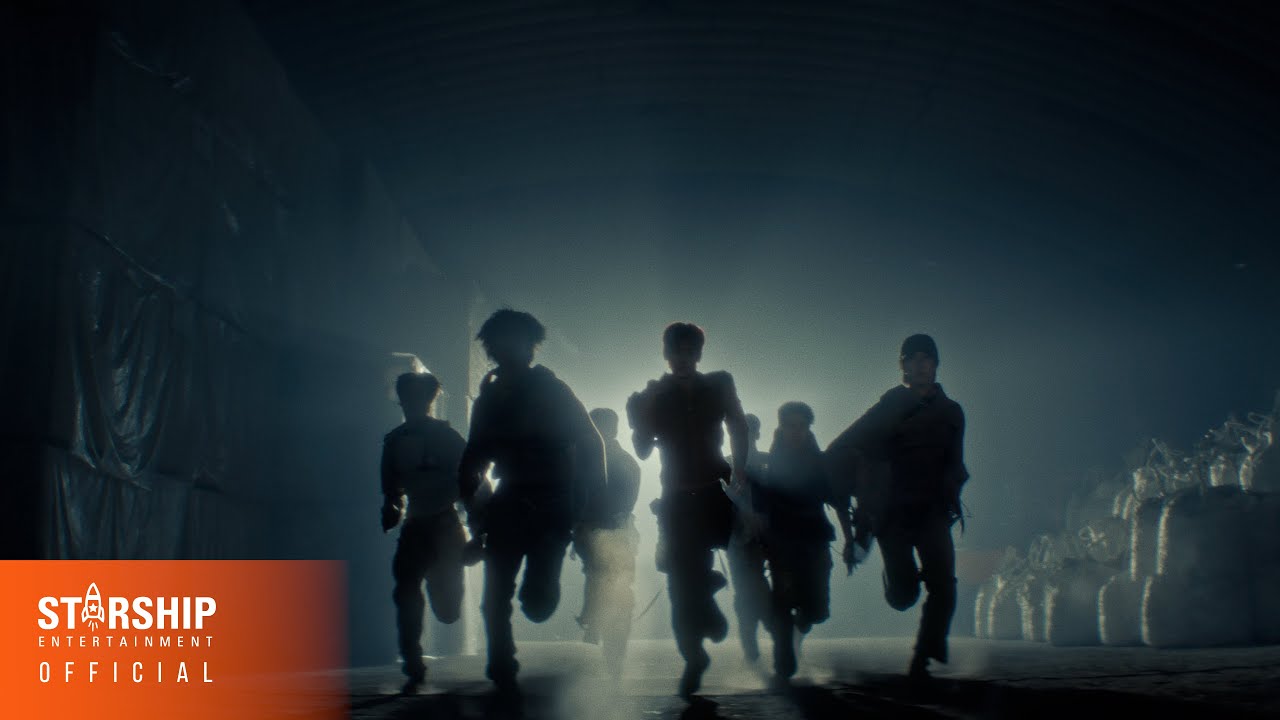
Lee Yongseok and the What’s Worth Studio team build a dark, polished environment shaped by isolation, pursuit and visual rupture. Lighting divides faces, frames feel unstable and the members occupy spaces that look emptied after something went wrong.
The controlled color grade matches a speaker trapped inside one feeling. Repeated darkness becomes emotional architecture rather than a random “mature concept” filter. The strongest images let a member appear small against the environment before choreography pulls all nine into shared panic.
I wanted more grime. Obsession this ugly should leave a stain. Several frames remain beautifully arranged when the lyric claims a life is breaking apart. Beauty can sharpen horror, but one uncontrolled visual consequence would keep the nightmare from resembling a luxury campaign.
Choreography runs on interrupted balance
The dance uses fast travel, sudden drops and group shapes that threaten to pull apart. CRAVITY’s synchronization makes those breaks readable. Nine bodies can create a crowd, a wall or a collapsing thought depending on spacing.
Hyeongjun and Taeyoung make direction changes look hungry, while the vocal line carries tension through upper-body restraint. The group does not need every member hitting identical emotional volume. Variation keeps the formation alive.
Close edits sometimes interrupt the full physical argument. The choreography deserves one uninterrupted chorus from a useful distance. If nine people can make 173 BPM clean, I would like the receipt without three camera cuts stapled over the evidence.
CRAVITY finally join their bright and dark histories
CRAVITY debuted with heavier concepts, then found a more convincing public identity through bright, playful releases. Allen said the group wanted to surprise fans with a mature and sexier direction. “Love or Die” works because maturity does not require deleting the looseness they learned.
The chorus remains melodic, members still react as individuals and the pace retains youthful energy. Darkness becomes one emotional state in a larger catalog rather than a declaration that color was childish and seriousness wears black.
That balance also explains why the track can bang live. Urgency invites crowd movement, the title is easy to shout and nine performers have enough formation scale to make a mid-sized stage feel underbuilt.
What works and what gets my side-eye
The percussion works. The wounded topline works. Serim and Allen’s self-aware ugliness works. Nine-member movement gives the nightmare scale without making every performer emotionally identical.
The romantic binary gets my side-eye, along with visuals that remain spotless while the lyric bleeds everywhere. I also want a longer breakdown and fewer edits during the densest formation work.
Final take
“Love or Die” is strongest when CRAVITY expose obsession as motion nobody can stop. The song does not need a healthy narrator to be compelling. The performance needs enough awareness to show that suffering is a condition, not a prize.
I will replay Woobin’s chorus weight, Serim and Allen pulling the mask sideways, Hyeongjun and Taeyoung eating distance, and every percussion rush that makes the room feel smaller. I will continue recommending sleep, hydration and one group-chat intervention.
Credits and receipts
Official exact CRAVITY music videoDaily+987Total views12.6M · Apple Music release and album notes · Shazam song, lyric and production credits · CRAVITY Japan official release notice · Wonderland member interview · MV production credits.