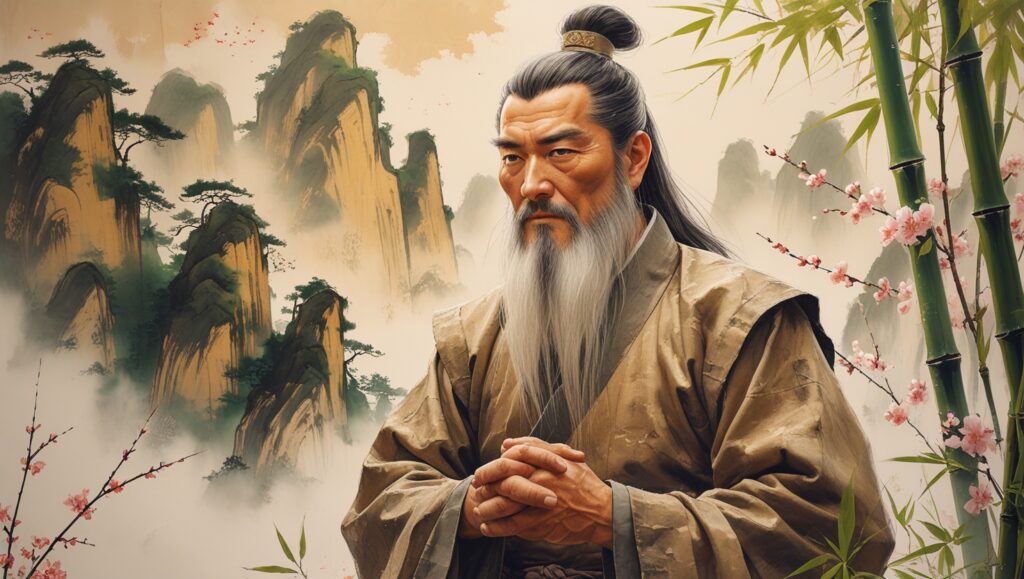
Shifu / Shizun (师父 / 师尊)
Your Master • Your Martial Parent • The Anchor of Your Lineage
Shifu (师父 / 师傅) and Shizun (师尊) are two of the most emotionally loaded titles in wuxia and cultivation storytelling.
They aren’t just “teacher.” They aren’t just “mentor.”
They are the center of a character’s martial world — the source of their skill, discipline, values, and identity.
When a character calls someone Shifu or Shizun, it is a bond deeper than blood, contract, or friendship.
Let’s break it down clearly and correctly.
What Shifu / Shizun Actually Mean
Shifu (师父 / 师傅)
The most common term. Means Master, but with the emotional weight of a martial parent.
Shifu is:
the one who teaches you
the one responsible for your growth
the one you must honor
the one who gives you your martial identity
the one whose reputation you now carry
If you misbehave, the shame falls on your Shifu. If you excel, the honor rises to your Shifu.
Emotional Tone: Close, familial, protective
Used in: Wuxia, martial arts schools, daily training
Vibes:
“My Master who raised me.”
“My martial dad/mom.”
Warmth + discipline.
Using “Shifu” implies care, responsibility, and closeness.
Shizun (师尊)
A more formal, reverent, and higher-status title.
Shizun is used when:
the master is extremely powerful
the master holds a sect position
the discipline relationship is strict
the story is xianxia with divine or immortal undertones
the student wants to show deep respect
Emotional Tone: Respectful, solemn, elegant
Used in: Xianxia, elite sects, immortal or divine masters
Vibes:
“My honored, exalted, untouchable Master.”
“The Master I admire but may not truly know.”
Reverence > warmth.
Using “Shizun” implies formality, reverence, and hierarchy.
The Difference Between Shifu (师父) and Shizun (师尊)
Shifu = Master as Family
Warm, close, hands-on.
Shizun = Master as Deity/Authority
Distant, formal, revered.
❌ What These Terms Are NOT
✔ Not your schoolteacher
No easy grading. No parent–teacher conferences.
✔ Not a modern coach
No paid lessons. No casual scheduling.
✔ Not a friend
A Shifu isn’t your equal.
A Shizun even less so.
✔ Not optional
Once accepted, the bond is formal and binding unless explicitly dissolved.
✔ Not interchangeable with “sensei” or “mentor”
The cultural system behind Shifu/Shizun is far more hierarchical.
How Shifu / Shizun Work in Story Logic
A Master is responsible for:
teaching martial skills
teaching values
passing down lineage
disciplining disciples
representing the school
protecting their students
shaping identity
maintaining internal order
Shifu = authority + responsibility.
Shizun = authority + reverence.
Taking a disciple is a serious act with lifelong consequences.
A disciple’s mistakes are the Shifu’s shame.
A Shifu’s downfall is a disciple’s grief.
A Shizun’s death can break an entire sect.
The emotional stakes are enormous.
Calling Someone Shifu vs Shizun (Why It Matters)
Shifu (师父) — Warm, familial, martial parent
Used in:
wuxia
everyday sect life
close, affectionate dynamics
master who trains directly and personally
Shizun (师尊) — Formal, reverent, elegant
Used in:
xianxia
high-status sects
immortal-level masters
relationships with emotional distance
disciples who are restrained, proper, or reverent
If a character switches from Shizun → Shifu, it signals deep emotional bonding.
If they switch from Shifu → Shizun, it signals emotional distance or conflict.
The title is storytelling. The title reveals the relationship.
Why Western Sources Get It Wrong
1. Everything is translated as “Master.”
No distinction between warmth and formality.
2. The familial structure is erased.
Western audiences often imagine “teachers,” not “martial parents.”
3. Subs ignore when a disciple switches forms of address.
Huge emotional beats get lost.
4. Shizun sometimes gets translated as “Honored Master,”
…but that flattens nuance.
Your page restores the original meaning.
Shifu / Shizun in CVM Sekai
In CVM Sekai:
✔ Titles reflect emotional truth
A character may call their Master “Shizun” in public and “Shifu” in private.
✔ Shizun appears in divine, immortal, or elite sects
High reverence comes with high responsibility.
✔ Shifu reflects warmth, protection, and discipline
Especially in grounded martial worlds.
✔ A disciple’s arc is tied to how they honor or challenge their Master
Betrayal, loyalty, grief, legacy — all flow through this relationship.
✔ The Master embodies the sect’s core philosophy
Their Dao becomes the disciples’ foundation.
Common Story Patterns (Fiction-Friendly)
The Kind Master
Warm, strict, reliable. Silver-haired icon.
The Cold Shizun
Distant, powerful, emotionally unreadable. The disciple’s entire arc revolves around being acknowledged.
The Fallen Master
Wronged, betrayed, framed — the disciples must restore their honor.
The Last-Disciple Trope
A lone student carries the entire lineage after tragedy.
The Master Who Never Praises
The disciple grows, but affection is always withheld.
The Severed-Relationship Arc
Breaking the Shifu–disciple bond is dramatic — and culturally extreme.
Final Takeaway
Shifu / Shizun represent:
lineage
authority
identity
loyalty
emotional structure
cultural hierarchy
the core of martial storytelling
They are not teachers. They are not mentors.
They are your Master, and that title defines the entire martial world around them.