
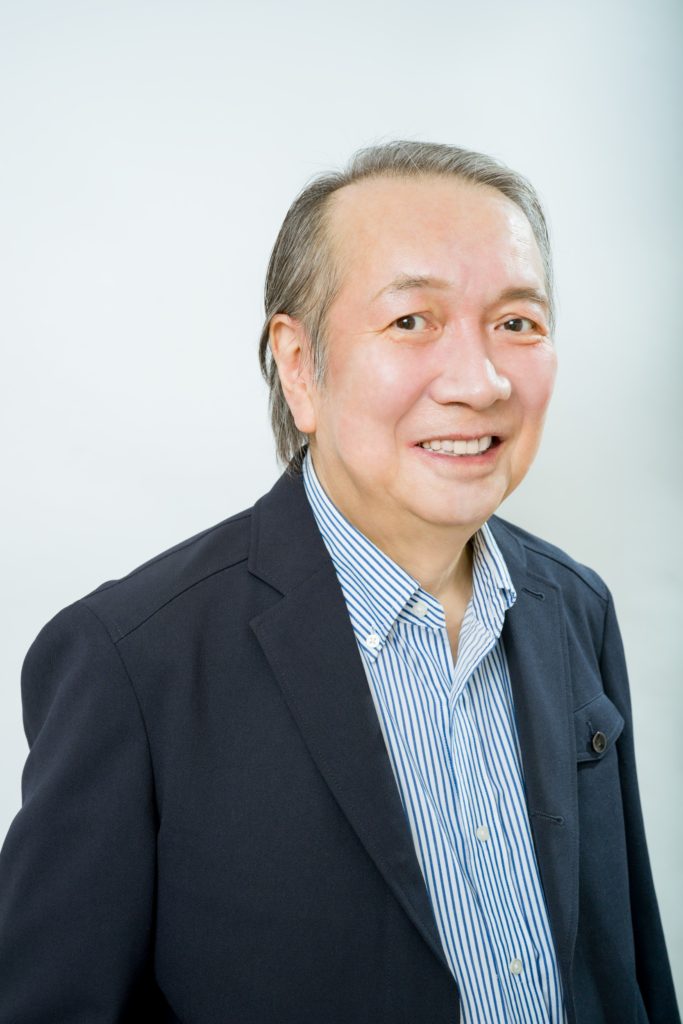
Takaya Hashi: Toki Japanese Voice Actor Profile
Takaya Hashi’s classic Toki performance makes healing, illness, brotherhood, and moral authority sound disciplined rather than fragile.
Profile at a Glance
Takaya Hashi voices Toki in the classic Japanese Fist of the North Star television series. His performance gives healing authority, physical decline, brotherhood, and moral clarity a voice that never confuses gentleness with weakness.
Apte Pro’s official profile documents a wide career in animation, Japanese dubbing, games, narration, and stage performance. This profile keeps his Toki credit attached to the classic production.
Calm as Technical Authority
Toki explains bodies, pain, and consequence without performing superiority. Hashi’s pacing makes expertise feel attentive. The patient remains present inside the explanation.
That calm contrasts with martial masters who turn knowledge into secrecy or spectacle. Toki sounds strongest when somebody else is allowed to understand what will happen next.
Illness in the Breath
Toki’s radiation illness cannot become decorative saintliness. Hashi lets strain enter without reducing every line to weakness, preserving the difference between a failing body and a failing will.
Small breath choices make time audible. The performance can acknowledge pain while keeping Toki’s attention directed toward another person.
Raoh and the Brother Who Chose Another Power
With Raoh, gentleness becomes confrontation. Toki does not need to imitate his brother’s volume because their conflict is already about competing definitions of strength.
Hashi’s steadiness makes care sound politically dangerous. Raoh can defeat a body more easily than he can disprove the trust Toki creates.
Kenshiro and Teaching Without Ownership
Toki guides Kenshiro through technique, history, and grief without trying to own the successor’s future. The voice carries correction without humiliation.
That distinction matters in a lineage structured by secrecy and rivalry. Knowledge can be handed forward without turning the student into evidence of the teacher’s greatness.
Rei’s Final Choice
When Toki explains Rei’s options, the performance must carry medical honesty and emotional cost. Neither a peaceful death nor extended agony can be sold as easy.
Hashi respects the choice by refusing melodramatic pressure. Toki provides information, remains present, and lets Rei’s agency occupy the decision.
Career Range and Dubbing Craft
Apte Pro’s profile records Hashi across animation, games, theater, narration, and Japanese dubbing, including sustained work interpreting live-action performers. Dubbing requires attention to another body’s timing while producing an emotionally coherent Japanese performance.
That craft suits Toki, whose authority is built through observation. The voice responds rather than merely declares.
Era Boundaries and Remembrance
Later adaptations assign Toki to other Japanese performers. Hashi’s classic credit must remain precise, especially when character profiles consolidate multiple eras.
Honoring an actor means preserving the work actually performed and naming later interpretations without treating them as replacements or extensions.
RaeRae’s Performance Verdict
Hashi makes Toki sound like care has been trained as rigorously as combat. His calm is never empty; it is attention refusing to make another person’s pain about the healer.
The body weakens, the voice adjusts, and authority remains. That is the performance’s quiet argument about strength.
Official Source
Apte Pro’s official Takaya Hashi profile supplies the real portrait and career record. Toei Animation’s official classic cast page confirms Toki’s credit.
Healing Scenes Need Consent in the Voice
Toki often explains interventions that can relieve pain, extend life through agony, or end suffering. Hashi’s delivery matters because authority can become coercive even when the healer intends compassion.
He makes information sound offered rather than imposed. The person receiving care remains capable of choosing, which distinguishes Toki’s knowledge from martial dominance.
Amiba Makes Toki’s Ethics Visible by Counterfeit
Amiba copies the appearance of mastery while experimenting on vulnerable bodies. The contrast clarifies that technique alone never made Toki trustworthy.
Hashi’s Toki sounds observant because care requires response. Counterfeit authority talks over pain and treats bodies as proof of genius.
The Teacher Must Also Be Allowed to Need Care
Toki’s serene authority can tempt viewers to make him a saint whose suffering requires no response. Hashi leaves enough fatigue and human warmth in the voice to resist that flattening.
A healer can remain competent while needing rest, companionship, and truth. The performance is strongest when endurance does not erase the cost of continuing.