
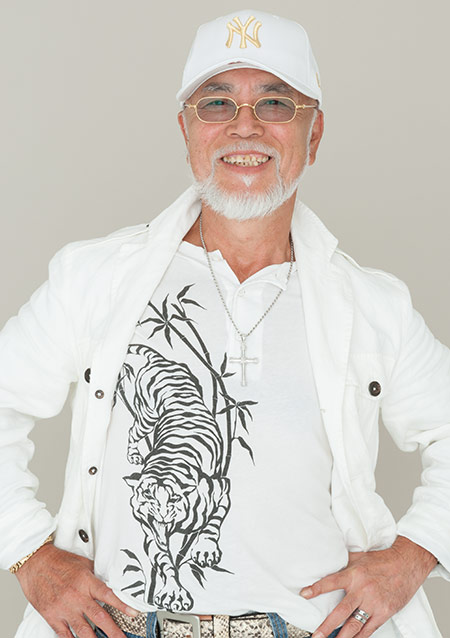
Kenji Utsumi: Raoh Japanese Voice Actor Profile
Kenji Utsumi’s classic Raoh performance gives Ken-oh political weight, disciplined menace, brotherhood, grief, and a humanity that never erases responsibility.
Profile at a Glance
Kenji Utsumi voices Raoh in the classic Japanese television series and 1986 film. Ken Production’s official memorial profile lists Raoh among his major animation roles alongside a long career in performance, narration, and Japanese dubbing.
Utsumi gives Ken-oh physical scale before the animation proves it. Breath, weight, and deliberate pacing make authority sound institutional rather than merely loud.
Raoh Enters as a Government
Raoh needs to sound like soldiers have already acted on his decision. Utsumi’s commands carry the certainty of a ruler who expects the world to complete his sentences.
That vocal authority helps the story move beyond a powerful opponent. The man’s body is singular; the consequences in his voice are administrative.
Volume Built on Restraint
Raoh’s explosive declarations work because Utsumi does not begin every scene at maximum force. The held breath and measured line create pressure that can later break without becoming shapeless noise.
Control also makes fear visible when it finally enters. A slight change matters because the performance has established such a disciplined baseline.
Toki, Kenshiro, and Brotherhood
Scenes with Toki and Kenshiro require more than rivalry. Utsumi lets history, affection, judgment, and threat occupy the same address. Raoh can recognize his brothers while preparing to dominate them.
The contradiction prevents tenderness from becoming absolution. Love exists inside the choice to build empire, which makes responsibility more painful rather than less.
Yuria and the Sound of Possession
Raoh’s feeling for Yuria exposes a voice accustomed to converting desire into entitlement. Even sincere sorrow carries the expectation that intensity should matter more than refusal.
Utsumi does not need to make the emotion false. Its truth is the problem: a ruler can feel deeply and still organize the world around his claim.
A Career of Command and Character
Ken Production’s profile records Utsumi across animation, narration, stage, commercials, and extensive foreign-film dubbing. His roles include figures whose authority can be comic, paternal, frightening, or heroic.
That versatility gives Raoh more than one kind of weight. The voice can hold charisma and danger without asking either quality to erase the other.
Legacy Without Credit Drift
Utsumi’s Raoh became foundational, but later anime projects and games may use different Japanese actors. Every branch must preserve its actual recording credit.
A memorial profile honors influence through accuracy. It should never imply new work by an actor who did not record it.
RaeRae’s Performance Verdict
Utsumi makes Raoh sound like a man large enough to mistake his private weather for public law. The grandeur is real, and so is the human fracture inside it.
His performance lets us mourn Raoh without forgetting the empire. That balance is why the voice still defines the classic ruler.
Official Source
Ken Production’s official Kenji Utsumi memorial profile supplies the real portrait and confirms Raoh among his major animation credits.
Kokuoh and the Sound of Scale
Raoh’s scenes on Kokuoh require the voice to fill distance without losing articulation. Utsumi projects command as though it must reach soldiers, enemies, and witnesses across an open field.
Scale becomes social. He is not shouting because the microphone is far away; he is speaking as someone accustomed to an audience that cannot answer safely.
The Final Recognition Must Carry the Whole Contradiction
Raoh’s late emotional honesty works only if the performance can reveal fear and love without pretending the earlier authority was a mask worn by an innocent man. Utsumi keeps the same person present through the fracture.
That continuity refuses the easy redemption mechanism where one tear replaces an empire. The voice opens, but history does not disappear.
Dubbing Experience and Emotional Weight
Long-form dubbing teaches an actor to match another performer’s visible timing while preserving Japanese rhythm and intention. Utsumi’s official record includes extensive work across foreign film and television.
That practice supports a role whose body already dominates the frame. The voice can cooperate with posture, pause, and gaze instead of competing with animation for attention.