
DINO
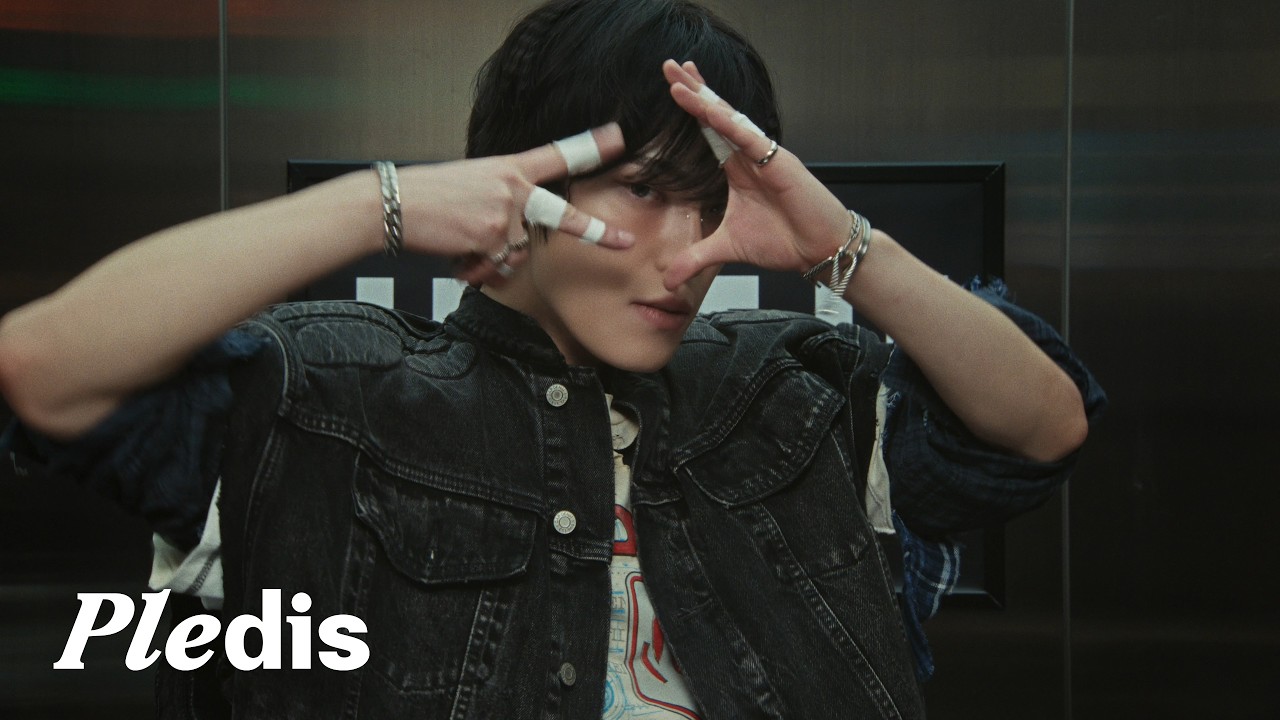
DINO is a SEVENTEEN member and a solo artist under PLEDIS Entertainment. He is not an independent artist in the business sense. One canonical profile covers both jobs because splitting the same person into “member DINO” and “artist DINO” would create two incomplete biographies and make every future release choose a parent.
Born Lee Chan, he debuted as SEVENTEEN’s youngest member and part of the Performance Team. “Maknae” describes his age position. It does not describe the size of his workload, his choreographic intelligence, or the alarming pleasure he takes in turning a joke character into a real album campaign.
DINO profile
| Stage name | DINO (디노) |
|---|---|
| Birth name | Lee Chan (이찬) |
| Born | February 11, 1999 |
| Group | SEVENTEEN |
| Unit | Performance Team |
| Work | Dancer, vocalist, rapper, choreographer and songwriter |
| Agency | PLEDIS Entertainment |
| Solo identities | DINO and the comic alter ego Picheolin |
Current status
DINO remains an active SEVENTEEN member and Performance Team artist while releasing credited solo work on the same canonical profile. “I Like It” expands his individual catalog; it does not separate him from SEVENTEEN or require a duplicate artist page.
Official Socials
The dancer who had to grow up in public
DINO entered SEVENTEEN with dance already functioning like a first language. His father ran a dance academy, and the training shows in the way he understands movement beyond difficult steps. He knows where attention travels, how a formation breathes, and when a small change of texture reads more clearly than another burst of speed.
Being the youngest in a thirteen-member group gave him a permanent family role before the public had time to understand his professional one. Variety content could reduce him to the member twelve older men tease. Onstage, that hierarchy becomes much less useful. DINO’s work is precise, physically grounded, and unusually alert to the people around him. He does not dance as if the rest of the formation is scenery.
He has contributed choreography and participated in SEVENTEEN’s performance development while steadily expanding his writing and composition credits. The useful story is not that the maknae secretly became talented. He arrived talented. The story is that his creative authority finally became too large for the age label to hide.
SEVENTEEN, the Performance Team, and thirteen-person engineering
SEVENTEEN officially describes itself as thirteen members, three units, and one team. DINO belongs to the Performance Team with Hoshi, Jun, and THE 8. That unit is not simply “the members who dance best.” It carries a large part of the group’s visual grammar: formations that divide and reconnect, gestures that translate lyrics, and transitions designed for a lineup big enough to become its own weather system.
DINO’s strength inside that machine is clarity. He can perform with enough force to take center, then scale the same energy so the group picture remains readable. That discipline is one reason his solo work feels satisfying. The individual stage does not reveal a personality SEVENTEEN suppressed; it gives more uninterrupted time to skills already supporting the group.
Solo work before 吉BOARD
DINO’s solo path developed in pieces rather than through a sudden declaration of independence. His Danceology videos treated choreography as an ongoing practice. Solo songs performed through concerts and special projects gave him space to test tone and authorship. “Wait,” released as his first solo mixtape in 2023, turned that accumulated work into an official solo statement.
“Wait” matters because it does not ask viewers to admire technique from a safe distance. The choreography serves desire and hesitation; the body carries a conversation the lyrics cannot finish alone. That combination—dance as emotional argument instead of athletic proof—remains the center of his best work.
Picheolin is a joke with a recording contract
Picheolin began as a comic character in SEVENTEEN’s variety universe: an older, swaggering persona whose name itself invites wordplay. In 2026, the joke expanded into the first mini album 吉BOARD and a three-night DINOxPICHEOLIN show at Jamsil Indoor Stadium. PLEDIS organized the concerts; Weverse carried the official notices and streaming. This is not an anonymous side project operating outside SEVENTEEN’s company structure.
The clever part is that Picheolin gives DINO permission to exaggerate without surrendering sincerity. Comedy can hold retro references, theatrical confidence, and deliberately oversized performance choices. DINO can then appear beside his own alter ego and make the contrast part of the show. The character does not replace the artist. It gives the artist another camera angle.
“LIKE IT” puts the real DINO back in the frame
“LIKE IT” appears on Picheolin’s 吉BOARD, but the official music video is credited directly to DINO. The song’s stated feeling is simple: he feels genuinely alive when he dances for the person watching. That makes the release less of a Picheolin comedy extension and more of a bridge between character, performer, and audience.
The video lets his movement lead. The camera stays interested in hands, lines, changes of weight, and the moment a pose becomes an invitation. DINO is not proving he can survive outside thirteen-person synchronization. He is showing what the group discipline trained him to do with an entire frame.
It also clarifies his professional identity. DINO remains a current SEVENTEEN member. He is simultaneously building an official solo catalog. “Solo artist” and “group member” are compatible roles; “independent artist” would incorrectly imply that he releases outside PLEDIS or controls a separate independent company operation.
Voice, rap, and the parts dance headlines miss
Dance is the obvious headline, but DINO’s vocal usefulness comes from rhythm. He phrases like someone who hears the body inside a line. His singing can carry warmth without losing attack, and his rap delivery tends to favor clean momentum over a borrowed “hard” persona. Those skills make him unusually adaptable across SEVENTEEN’s catalog.
His increased writing and composition work matters for the same reason. A performer who understands how music feels in the body can write toward breath, impact, and staging. Not every strong dancer becomes a strong songwriter. DINO’s catalog is interesting because the disciplines are beginning to talk to each other.
What to watch next
- Danceology: the clearest archive of his choreographic taste and growth.
- “Wait”: the formal beginning of his modern solo catalog.
- Performance Team stages: evidence of how individual style functions inside SEVENTEEN’s unit system.
- 吉BOARD: a character album that became a serious test of authorship, comedy, and live performance.
- “LIKE IT”: the cleanest recent statement of dance as the place where DINO feels alive.
DINO Reacts and related coverage
“LIKE IT” React: Dance Is the Confession
DINO turns performance into the message, with a mechanized groove, partner choreography, and one chant chorus that still owes him another melody.
Official video tracker
This tracker lives at the end of the canonical profile so new solo releases have one home. View counts are collected separately; links always point to official uploads.
DINO — “LIKE IT” Official MVDaily+7KTotal views4.3M
Released August 24, 2026 · PLEDIS/HYBE LABELS official upload · Tracking begins with the next scheduled collection.
DINO — “Wait” Official MVDaily+167Total views3.1M
Official solo mixtape video · Tracking begins with the next scheduled collection.
DINO is not waiting to become the future anymore
DINO spent years being introduced as SEVENTEEN’s youngest member and one of its clearest long-term bets. That language once described real potential. It now risks becoming patronizing. He is an adult performer with a decade of group stages, choreography knowledge, solo releases and enough camera experience to understand exactly how an audience reads movement.
The useful question is no longer what he might become after the older members finish teaching him. It is what he chooses when the center of gravity belongs to him. “LIKE IT” matters because the answer is not a generic display of difficulty. He chooses groove, chemistry and an open declaration that dance is how he communicates desire.
Growing up inside a thirteen-member machine
Debuting young in a large group means development becomes public property. Every awkward stage, changing vocal color and increase in confidence remains searchable. DINO had to improve while carrying the maknae label, which can turn an adult’s work into a permanent family joke if coverage refuses to update its language.
SEVENTEEN also gave him extraordinary training in ensemble responsibility. A Performance Team member cannot only hit his own counts. He has to understand spacing, pathways, energy transfer and how a movement reads when twelve other bodies create the context. That experience explains why his solo stages can feel complete without being crowded.
Danceology was an argument, not homework
DINO’s Danceology series made his authorship easier to see because it placed movement choices in a more individual frame. Covers and choreography films can be dismissed as side content, but repeated work builds a record of taste: what rhythms attract him, how he uses the camera and whether a performance values impact, flow or character.
The series also changed the audience’s relationship to his dancing. Instead of waiting for a SEVENTEEN title track to grant him a featured section, viewers could follow his decisions across complete pieces. That is why the solo transition feels earned. The individual identity existed in practice before the official release schedule caught up.
Wait, then LIKE IT
“Wait” established a sleek solo lane built on tension, controlled flirtation and choreography that did not need to shout. It proved that DINO could hold a full visual narrative without importing the scale of a thirteen-member formation. The song understood his body as phrasing, not merely athletic proof.
“LIKE IT” pushes the idea toward pleasure and directness. The groove feels less guarded, the romantic chemistry is part of the choreography, and the repeated relationship between desire and dance sounds personal rather than assigned. He is not demonstrating that he can perform alone. He is using a solo frame to say something the group frame could not say in exactly the same voice.
Picheolin cannot be allowed to steal the passport
Picheolin is funny because DINO commits. The exaggerated persona, trot-adjacent performance language and shameless confidence reveal timing that a serious dance profile could miss. Comedy requires control: knowing how long to hold a bit, how fully to inhabit embarrassment and when to let the audience recognize the performer behind the mask.
The danger is coverage deciding the joke is easier to package than the artist. Picheolin belongs in the career history, especially when the character receives official music. It should not become the only lens through which DINO’s individual work is discussed. “LIKE IT” puts the real person and his own performance language back at the center.
What DINO’s voice contributes
Dance headlines can make his vocal and rhythmic work sound optional. It is not. DINO’s delivery often carries a bright edge, precise timing and enough bite to stay visible inside SEVENTEEN’s crowded arrangements. He can move between melodic lines and speech-rhythm without making the song feel as though it changed programs.
Solo music creates room to hear how he shapes a complete track. “LIKE IT” depends on rhythmic intimacy: a phrase can lean forward, pull back or leave space for the body to finish the thought. The voice and choreography are not two talents placed beside each other. They are parts of the same sentence.
How to watch DINO instead of counting center seconds
Start with the preparation before a featured move. DINO often establishes direction early, controls the rebound and leaves the phrase with enough clarity for another performer to enter. In group work, follow the transition after his center moment. In solo work, watch how he changes scale when the camera moves closer. Those seconds reveal more than a hardest-moves compilation.
Then replay without video. If the song loses all identity when the screen goes dark, the choreography was performing emergency support. “LIKE IT” survives. The groove, vocal timing and flirtatious tension remain legible, which means the video deepens an existing musical argument instead of rescuing an empty record.
The artist/member page stays one page
This profile covers DINO across SEVENTEEN, the Performance Team, solo work, Picheolin, choreography, collaborations and future credits. A solo release does not justify creating a second biography for the same human. The tracker below separates exact videos while the timeline keeps the career connected.
Updates require exact receipts. Official releases, composition or lyric credits, choreography credits and credited appearances belong here. Fan-edited position charts and assumptions based on rehearsal footage do not. RaeRae’s analysis of groove, movement and persona remains clearly opinionated rather than disguised as company information.
What I want after LIKE IT
The next solo should not simply make “LIKE IT” louder. I want a new emotional problem. A stranger rhythm, a more exposed vocal arrangement or choreography built around restraint could reveal another part of his authorship. He has already proved he can carry a polished dance record. Repeating the proof would be less interesting than complicating it.
I also want official credits presented clearly. If DINO contributes choreography, lyrics, composition or concept development, the release record should name the work precisely. Idol coverage loves the vague phrase “participated in,” which can mean everything or almost nothing. Specific credit gives the achievement weight.
RaeRae’s verdict on DINO
DINO is not SEVENTEEN’s future anymore. He is part of its present and an individual artist with a solo language built around groove, exact movement and a willingness to let humor coexist with serious craft. The maknae history explains the road. It does not define the destination.
“LIKE IT” works because he stops auditioning for permission. Dance becomes confession, chemistry becomes structure and the camera follows a performer who already knows why he is there. The next chapter should take that confidence as the starting line, not drag him back into another introduction about potential.
The replay test
Replay DINO with three different questions. First, does the song work when the screen goes dark? Second, does the choreography reveal rhythm or merely decorate it? Third, does the performance still feel like him after the obvious hardest move ends? “LIKE IT” passes because the groove survives, the body completes vocal phrases, and his identity lives in transitions as much as center poses.
That test should guide future updates. A solo release belongs here when it adds music, credited labor or a genuinely new performance argument. A dance challenge, teaser or character gag can be enjoyable without becoming a fake career milestone. DINO already has enough substance that the profile does not need to count every upload as proof.
Sources
DINO React image cards
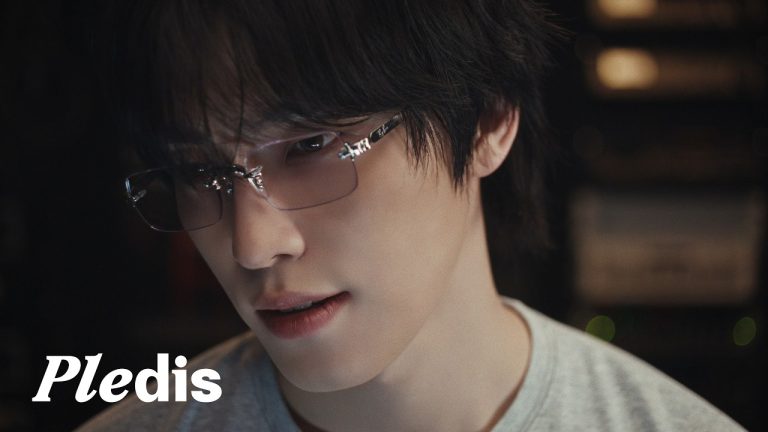
DINO LIKE IT React: Dance Is the Confession
DINO solo release · exact official “LIKE IT” video 2XjxlXSD4xc Read the exact-video deep dive.
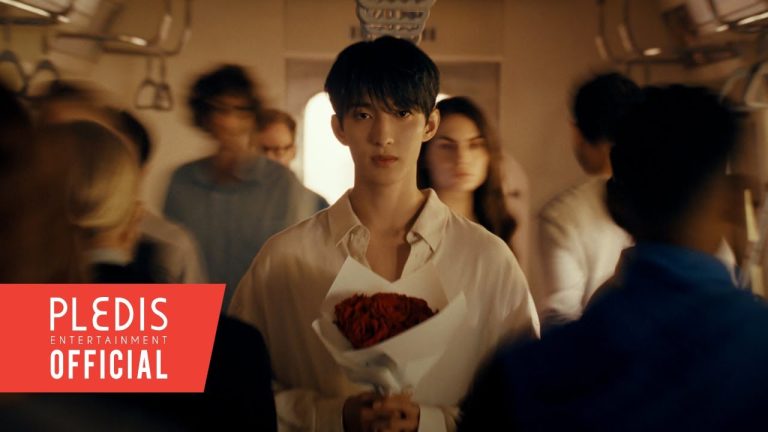
LOVE, MONEY, FAME: SEVENTEEN Made the Choice Easy and DJ Khaled Made It Loud
Full-group SEVENTEEN release · DINO participates in exact upload 5NPe8_gDSr4 Read the exact-video deep dive.