
Release file
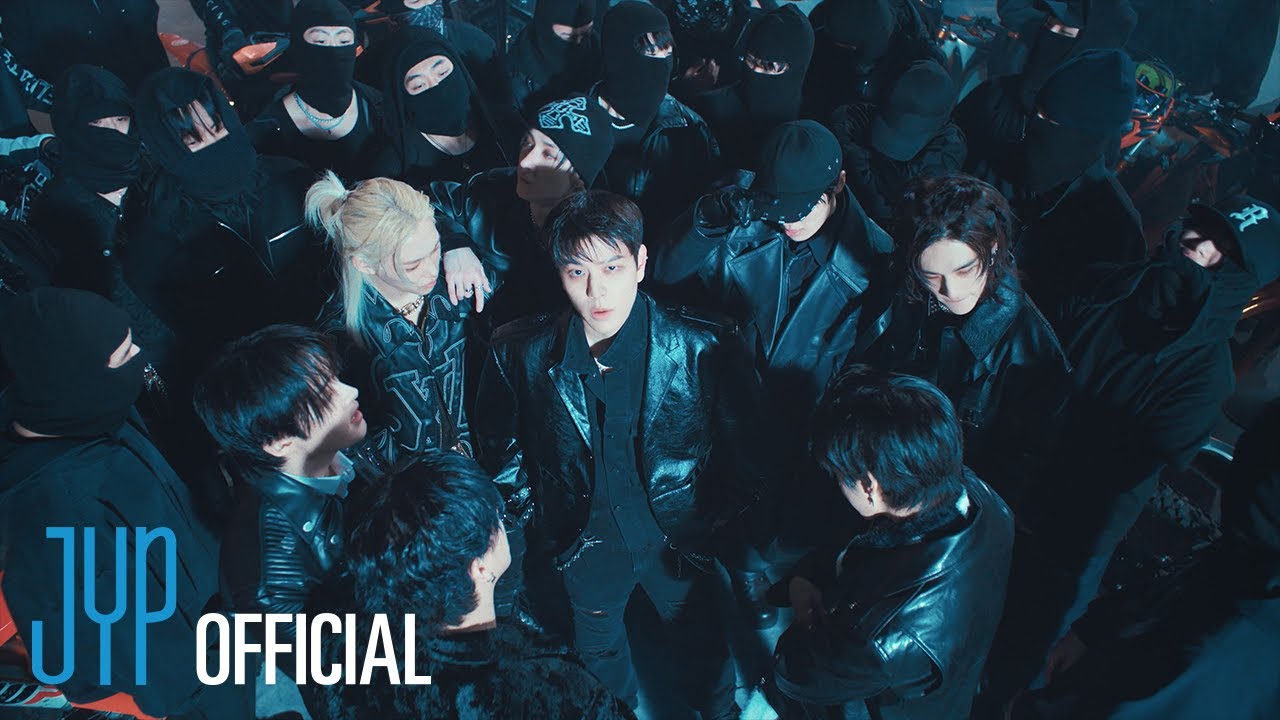
Released: December 13, 2024
Runtime: 02:52
Label / channel trail: JYP Entertainment
Sound: Stray Kids parked a speedboat at a palace, brought boom-bap drums to the courtyard, and dared physics to complain.
Sources: Exact official playlist uploadDaily+64.7KTotal views110.5M.
Stray Kids · RaeRae Reacts
Walkin On Water
Stray Kids parked a speedboat at a palace, brought boom-bap drums to the courtyard, and dared physics to complain.
The quick file
Stray Kids
Walkin On Water
December 13, 2024
合 (HOP), SKZHOP HIPTAPE
2 minutes, 28 seconds
Bang Chan, Changbin, HAN
JYP describes the song as Stray Kids comparing their confidence onstage to walking across rough water and playing with the current. That explanation matters because the song is not trying to tell a complicated story. It is building a physical picture of confidence. Anybody can say, “We are good.” Stray Kids make the claim splash, skid, stomp, and leave tire marks where a boat should not have been.
The official credits also settle who owns the argument. Bang Chan, Changbin, and HAN wrote the lyrics and share composition credit with RESTART and Chae Ganghae. RESTART, Chae Ganghae, and Bang Chan handled the arrangement. The group did not rent somebody else’s idea of hip-hop confidence for comeback week. The people delivering the boast helped design the beat that carries it.
First listen: the drums arrived before the miracle
My first reaction was not “water.” It was “somebody found the good drums.” The track opens with the kind of heavy, dry knock that makes your shoulders answer before your brain has finished sorting the lyrics. Then the voices come in with enough space around them to feel large. Stray Kids often stack sounds until the song becomes its own weather system. Here, the arrangement knows when to step back and let a line land.
The hook is almost aggressively simple. They walk on water. They say it again. Then again. On the first play, that repetition feels like a threat and a joke at the same time. The group knows the image is excessive. That is the point. They are not asking us to believe they discovered a new law of nature. They are saying their stage confidence has reached the level where normal rules have become somebody else’s paperwork.
Felix’s low register gives the boast its floor, while the sharper rap tones keep it from turning into one long growl. The best handoffs feel less like eight people waiting for assigned lines and more like a crew passing the same dare around. Each voice changes the temperature. One member smirks, another pushes, another lands the rhythm with enough force to make the next entrance feel earned.
My first complaint also arrived quickly. The central phrase does a lot of work. A hook this repetitive needs every surrounding detail to keep moving, and the song sometimes asks swagger to cover what a more developed chorus could have done. It survives because the track is only two minutes and twenty-eight seconds. Add another forty seconds of the same phrase and I might start handing out towels.
What changed every time I replayed it
Second listen: the joke has engineering
The second play made the water effects easier to hear as part of the rhythm rather than decoration. JYP’s own track note points to witty sound effects that evoke splashing, and that description is accurate. The production does not dump ocean noises over a hip-hop track and call it a concept. Small textures flick and drip around the percussion, so the theme lives inside the beat.
I also noticed how often the arrangement creates a little pocket of space before a voice attacks. That space makes the rap feel heavier without turning up every element. It is a useful lesson for producers who think power means filling all available air. Stray Kids can be maximalist, but “Walkin On Water” proves they also understand that an empty beat can be a runway.
Third listen: the hook is still the weak point
Repetition can become ritual, hypnosis, comedy, or laziness. This hook touches all four possibilities and never fully chooses one. The bluntness is memorable. I can hear the title once and retrieve it hours later. That is pop efficiency. The tradeoff is emotional range. The verses have personality, rhythmic shifts, and small tonal arguments. The chorus mostly plants a flag and waits for us to salute.
I do not need every Stray Kids chorus to explode into a melodic cathedral. I do need the repetition to change meaning as the song moves. A final switch, a vocal stack, or one sharper lyrical turn could have made the last hook feel like arrival instead of another lap around the pool. The HIP version stretches the underlying idea differently, which only makes me wish the main version borrowed one more surprise.
Fourth listen: performance is the missing instrument
This is a stage song pretending to be a studio song. The gaps invite crowd noise. The repeated title wants choreography. The vocal handoffs want faces, shoulders, and eight different ways of telling the camera that gravity is optional. On headphones, the track is compact and cocky. In performance, the body supplies extra percussion. That is why the song grows when you watch it instead of merely streaming it in the background.
Lyrics, flow, and the confidence tax
The title borrows a miracle associated with impossible authority, then turns it into rap language about skill. That move could become unbearably self-important. Stray Kids avoid the worst version by filling the song with motion and wordplay. Water becomes terrain, danger, proof, and playground. The group is not standing on a calm decorative pond for a fashion shoot. They want current, impact, and the feeling of staying upright while everything underneath keeps moving.
That image fits their career better than a generic crown metaphor. Stray Kids built an identity around self-production, noise, friction, and the refusal to sand down their edges for people who preferred a quieter group. Walking on rough water says control without pretending the surface became easy. Confidence is not the absence of instability. It is knowing how to move while instability keeps doing its job.
The Korean and English phrases also work like different tools. English delivers the slogan. Korean carries more of the connective muscle, internal rhythm, and attitude. That is common in K-pop, but the balance matters here because the title phrase is already so blunt. The verses need more texture or the song would feel like a luxury slogan printed on eight jackets.
There is a confidence tax, though. When a song spends nearly every second insisting that the performers are untouchable, the performance must prove it. Stray Kids can pay that bill. The rap timing is controlled, the voices remain distinct, and the video commits to the impossible image. A less experienced group could use the same hook and sound like they were trying on somebody else’s confidence in a fitting room.
The beat looks backward without moving backward
The old-school hip-hop elements are not hidden. The drum pattern, scratches, vocal rhythm, and open space point backward on purpose. Yet the track does not cosplay a specific decade. Modern low-end weight and the group’s clipped delivery keep the reference in the present. The song understands that respect for a genre is not the same as freezing it behind museum glass.
That distinction matters in K-pop, an industry built on fast borrowing, global circulation, and constant visual repackaging. Hip-hop can easily become shorthand for toughness: add a chain, widen the stance, and call the concept complete. “Walkin On Water” gets closer to respect because the musical structure does more than the wardrobe. The rap actually rides the pocket. The arrangement gives the drums authority. The performers sound comfortable enough to play inside the form.
Comfort does not erase the larger cultural history. Old-school hip-hop came from specific Black and Latino communities in New York, not from a universal box labeled “cool retro sound.” A thoughtful listener can enjoy the track and still remember where the grammar came from. Credit is not a punishment. It makes the listening richer because we can hear Stray Kids joining a long conversation rather than imagining the style appeared in a JYP studio.
The water effects are where the song adds its own fingerprints. They connect the sonic reference to the title without forcing every instrument to imitate a splash. That restraint keeps the concept from becoming a novelty record. The beat can stand without the video, but the small aquatic details reward the listener who comes back with headphones.
Video deep dive: a palace, a speedboat, and zero respect for parking rules
The video’s best decision is refusing to choose between historical Korean imagery and modern machines. Traditional architecture, embroidered clothing, horses, water, cars, and a speedboat occupy the same world. A weaker production would use the palace as a pretty background and call the contrast “fusion.” This video makes the collision the main event.
The members do not behave like respectful visitors touring a heritage site. They move through the space as if they own the weather. That changes the meaning of the setting. Tradition is not shown as fragile scenery that modern youth must tiptoe around. It becomes an active stage where old forms and new confidence can argue, overlap, and look good together.
The speedboat is ridiculous, which is why it works. A boat near palace architecture should break the visual logic. Instead, it becomes the cleanest summary of the song: power placed where normal rules say it does not belong. The image is loud enough to become a meme, but it is not random. It translates the title’s impossible swagger into one object.
Water works as both danger and proof. If the ground were stable, walking would mean nothing. The group needs a surface that can swallow, shift, and resist them. The video keeps returning to that tension through splashes, reflective surfaces, and movement. The boast only matters because failure remains visible underneath it.
The horses add another layer of controlled power. A horse is not a prop with an off switch. Even when the animal stands calmly, the viewer reads strength, speed, discipline, and risk. Placing that energy beside engines and choreography creates a timeline of power: animal, machine, body, beat. Stray Kids place themselves at the center and act like they can command all four.
The editing understands when to let a formation read and when to cut on impact. Fast editing can hide weak choreography. Here, the cuts amplify posture and rhythm. The camera often gives us enough space to see the group as a unit, then moves closer when a facial expression or vocal color needs control of the frame. The result feels expensive because the visual choices serve the beat, not merely because the production rented expensive things.
I do wish the video gave individual symbolic threads a little more time. So many strong objects enter that some become texture before they can become ideas. The palace, water, boat, horses, cars, and fashion all compete for attention. The overload fits Stray Kids, but one recurring visual transformation could have tied the journey together more clearly.
What I like, what I do not, and what survives
What I like: the drum pocket, the vocal contrast, the water details, and the video’s refusal to treat Korean tradition like a silent museum display. The members perform the confidence instead of asking the set to perform it for them. The track also stays short enough to leave a sharp outline.
What I do not like: the hook needs one final evolution. Memorability is not the same as development. Repeating the title plants it in the listener’s head, but the last pass should either raise the stakes or twist the phrase. The song earns replay through its verses and performance more than through its chorus.
What survives: that drum entrance, the boat, the group formation, and the sense that Stray Kids know exactly how excessive the whole thing is. Self-awareness keeps swagger from curdling into solemn self-worship. They are serious about the craft and playful about the image. That balance is harder than it looks.
RaeRae verdict
“Walkin On Water” is not the most emotionally layered Stray Kids song, and it does not pretend to be. It is a compact performance weapon built around rhythm, identity, and one impossible sentence. The production respects the old-school hip-hop frame enough to let the drums lead. The video turns cultural contrast into movement instead of using tradition as wallpaper.
The weak spot is still the chorus. The hook is memorable because it repeats, then tests that advantage by repeating some more. Yet I keep returning because the members supply what the written hook lacks: changes in tone, physical attack, humor, and the pleasure of watching eight people commit to a concept that includes a speedboat committing a zoning violation.
Replay? Yes, especially with the video or a live stage.
Best choice? Letting the beat, styling, Korean architecture, and modern machinery occupy one confident world.
Final score: 8.3 out of 10. The swagger has a wake, and the drums know how to steer it.
Receipts and official links
- JYP Entertainment: Stray Kids “Walkin On Water” official music videoDaily+64.7KTotal views110.5M
- Stray Kids official discography: 合 (HOP), track comments, and credits
- Official streaming release: “Walkin On Water”
Continue with the canonical Stray Kids profile.