
Bang Chan Railway React: No Brakes, No Apologies
Bang Chan built a one-way trip out of temptation, danger and confidence that should come with a waiver.
Release file
Released: December 26, 2024
Runtime: 3:18
Artist / channel: Bang Chan of Stray Kids / Stray Kids
Exact-file focus: The exact official Railway SKZ-PLAYER, not an audio, stage, short or fan upload.
Bang Chan · RaeRae Reacts · SKZ-PLAYER
Bang Chan built a one-way trip out of temptation, danger, and the kind of confidence that should come with a waiver.
Bottom line:
“Railway” works because Bang Chan never pretends the trip is healthy. This is not a sweet invitation with a bouquet waiting at the station. It is desire dressed as public transportation, and the conductor has removed the emergency brake with his own two hands. The track pushes forward on a dark electronic pulse while Bang Chan keeps his voice low, close, and almost too calm. That control makes the warning land harder. He is not losing control in front of us. He knows exactly where this train is going, and he still tells us to get on.
The song is blunt, sexy, and a little ridiculous in the best possible way. Train metaphors have been doing overtime in pop music for generations, but “Railway” earns its ticket by committing to the bit. Tracks, tunnels, speed, a one-way ticket, no sleep, no exit. Bang Chan does not grab one image for a chorus and abandon it. He builds the entire mood around motion that cannot be reversed. The official SKZ-PLAYER follows the same rule. Tight spaces, hard lighting, controlled movement, and a camera that treats him like both the warning sign and the hazard.
Release file
合 (HOP)
December 13, 2024
December 26, 2024
Bang Chan and VERSACHOI
Bang Chan and VERSACHOI
JYP introduced “Railway” as one of the eight solo songs that Stray Kids first performed during the dominATE world tour, then collected on 合 (HOP). That history matters. This song was built to work in a room full of screaming people before most listeners could sit with the studio recording. It needs a strong central idea, a clear body rhythm, and enough attitude to read from the back of an arena. “Railway” has all three.
First listen: somebody check the signal box
The first thing I noticed was not the lyric. It was the pressure. The track starts with the feeling that something heavy is already moving under the floor. The beat does not sprint, yet it refuses to sit still. That difference gives “Railway” its personality. A faster song might feel frantic. This one feels certain. The train left before we arrived, and Bang Chan is simply informing us that we are now part of the timetable.
His opening delivery sits close to the microphone. He does not belt the invitation or beg for attention. He lowers the temperature of his voice and lets the production carry the mechanical force. That choice creates a strange power balance. The instrumental supplies the danger while his vocal supplies the permission. The listener gets pulled in because he sounds calm enough to trust, even while every image says trust would be a terrible personal decision.
Then the chorus opens the space without turning the song into a giant stadium chant. The melody stays sleek. The rhythm keeps the body involved. I understood why this worked as a solo stage almost immediately. Bang Chan does not need a complicated story to establish control. He needs a beat that lets him hold still for half a second, move with purpose, and make the audience fill the silence with its own bad choices.
The lyrics turn attraction into infrastructure
The central metaphor is simple: desire is a train running in one direction. The clever part is how many consequences Bang Chan pulls from that setup. A one-way ticket removes the promise of return. A train that never sleeps removes rest. A long trip removes the quick thrill of pretending nothing happened. Tracks remove freedom to turn. The tunnel narrows the view until the destination feels less important than the fact that movement has already begun.
That is why the song lands as more than a collection of flirty transportation jokes. “Railway” is about consent to momentum. The invitation matters because the danger is stated in advance. Bang Chan is not hiding the route. He is making the risk part of the sales pitch. In a softer romance song, safety proves sincerity. Here, danger proves intensity. The listener is asked to read obsession as commitment because ordinary affection apparently did not have enough horsepower.
I also like that the lyrics do not suddenly turn the narrator into a victim of his own feelings. He owns the ride. He knows the train does not stop. He does not blame fate, weather, the other person, or a suspiciously emotional moon. That agency makes the song more fun. It also keeps the fantasy honest. The narrator wants control, announces control, and uses the warning to make control sound hotter.
Is the metaphor subtle? Absolutely not. The station manager packed subtlety into a suitcase and sent it to another city. But subtlety would weaken this song. “Railway” needs the listener to understand the premise fast, then enjoy every new way the track finds to tighten it. The pleasure comes from commitment, not surprise.
The beat moves like machinery without becoming cold
Bang Chan and VERSACHOI build the track around electronic R&B textures that feel smooth on the surface and tense underneath. The low end gives the song weight. Small percussive details suggest metal, motion, and repeated contact without dropping a cartoon train whistle into the mix. Thank you for that basic act of restraint. The production gives us a railway through rhythm, not a preschool sound-effects board.
The arrangement leaves useful space around Bang Chan’s voice. That space lets his breath, consonants, and changes in volume do part of the production work. He can sound close without the mix becoming empty. When layers enter, they widen the ride instead of changing the destination. The chorus feels larger because the track expands around the same pulse. It does not bolt on a different song just to prove the budget existed.
His English phrasing also matters. The lines land with a directness that fits the premise, and he uses repetition like a rail line: same path, more force each time. The hook is easy to remember because the words and rhythm arrive as one unit. You do not have to solve the lyric before the beat tells your body what the line means.
My one complaint is that the concept is so strong that I wanted one more musical disruption near the end. A brief stop, a false brake, or a harsher switch in texture could have made the final return feel even more dangerous. The track chooses consistency instead. That makes it replayable, but it also means the emotional route stays almost perfectly straight.
What changed every time I replayed it
First play: I heard confidence first. The hook and the low pulse did their job before I started sorting out the metaphor. Bang Chan sounded comfortable inside the track, which kept the song from feeling like a costume he borrowed for one solo stage.
Second play: The warning language became funnier. He keeps explaining that this is a terrible vehicle for anyone who values peace, and somehow every warning works as another invitation. Sir, adding hazard labels does not make the ride safer. It only improves the marketing.
Third play: I paid more attention to the restraint. The song could have chased a giant vocal peak or a dramatic beat explosion. It does not. The tension comes from control. Bang Chan holds the line, and the production trusts him enough not to throw fireworks at every empty space.
After the video: The song felt less like a private confession and more like a performance of command. The framing and movement make the narrator’s control visible. I stopped hearing “Railway” as a man getting carried away by attraction. I heard a man who built the route, printed the tickets, dimmed the lights, and then acted shocked that everybody boarded.
The SKZ-PLAYER makes the warning physical
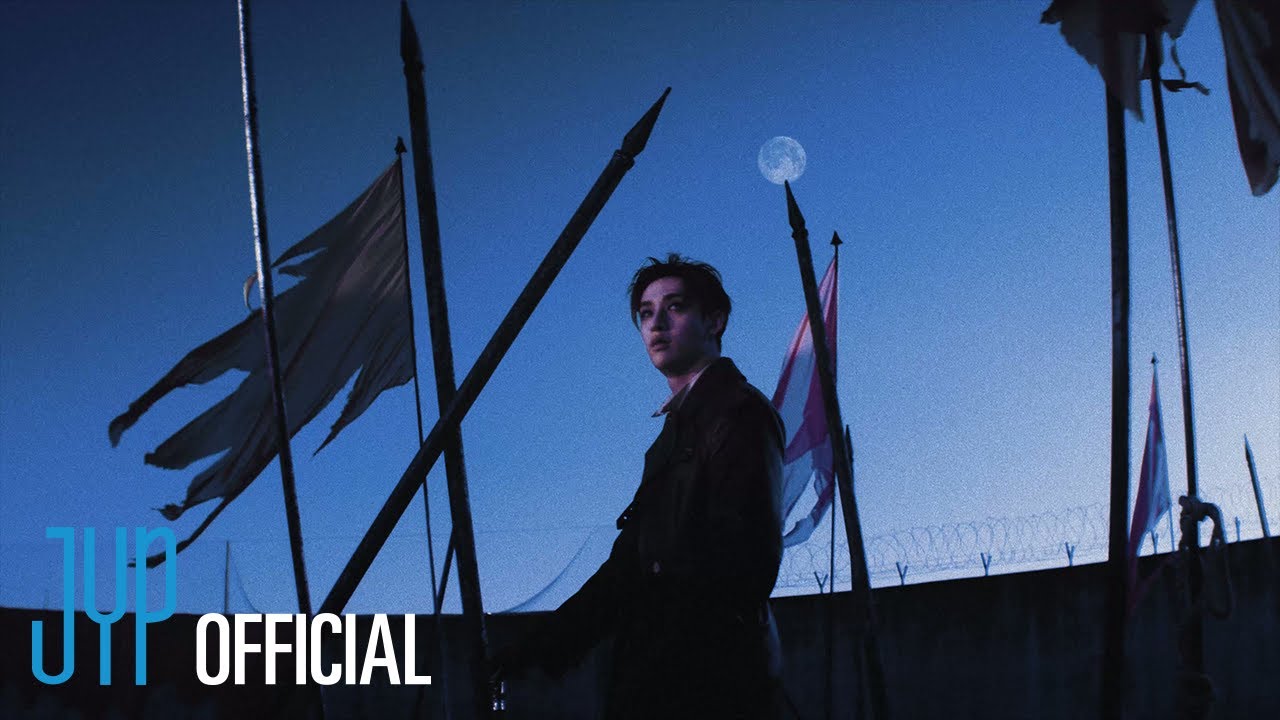
The official video does not waste time pretending we need an actual locomotive. It uses confined interiors, long lines, hard pools of light, and Bang Chan’s body to create forward pressure. Corridors become tracks. Doors become choices. The camera keeps the space tight enough that the performance feels private, but polished enough that we never forget he controls what we see.
Bang Chan’s movement sells the song because he does not dance like he is chasing the beat. He lets the beat come to him. A pause reads as confidence. A turn reads as a decision. Direct eye contact becomes part of the lyric. The performance keeps asking the viewer to move closer while the set keeps reminding us there is not much room left.
The styling understands the assignment too. Skin, dark fabric, sharp contrast, and industrial surroundings create a push between vulnerability and authority. Showing more body could have become lazy fan service if the performance had nothing else to say. Here it supports the song’s power game. He looks exposed, but he does not look unprotected. The viewer is the one being studied.
Most importantly, the video and song agree with each other. The visual does not invent a random crime plot, drop in unrelated lore, or bury the hook under five minutes of cinematic homework. It takes the song’s core idea and gives it walls, light, movement, and a face. That is exactly what a performance video should do.
Official video from Stray Kids and JYP Entertainment. The player does not autoplay.
Why the danger fantasy works
Pop songs often use danger as proof that a feeling matters. The logic is messy but familiar: if love disrupts sleep, judgment, work, and common sense, then it must be real. “Railway” pushes that logic into a controlled fantasy. It gives the audience a safe place to enjoy surrender because the danger lives inside a three-minute song and a carefully directed performance.
There is also a public version of Bang Chan attached to the fantasy. Fans know him as a leader who watches details, carries responsibility, and spends plenty of time making sure other people are okay. “Railway” flips that expectation. The dependable leader becomes the person removing the safeguards. That contrast gives the performance extra charge without requiring the song to explain his biography.
I do not need to pretend the track offers a healthy relationship manual. It does not. Fantasy is allowed to be irresponsible when the art knows what game it is playing. The song does not dress control up as healing or claim that obsession fixes anybody. It offers a dangerous ride, labels it clearly, and ends before we have to file an insurance claim.
RaeRae verdict
What I like: The song commits to one metaphor, the production keeps pressure under the vocal, and Bang Chan performs with enough control to make stillness feel louder than a dramatic explosion.
What I would change: I would add one sharper musical break near the end. Let the train appear to stop for a breath, then slam the hook back into motion.
Best detail: Every warning doubles as flirtation. That is the entire song in one bad decision.
Replay status: High. “Railway” is direct, well built, and comfortable in its own heat. It does not need a complicated plot because the rhythm, voice, and performance already know where they are going.
Final score: 8.7/10. Somebody call workplace safety, but wait until the chorus ends.
The part that lingers after the ride
“Railway” also shows why a solo track inside a group project can matter. Bang Chan does not abandon the sound language that Stray Kids listeners recognize, but he narrows the frame until his own performance habits become the center. The production still carries the precision and layered detail associated with the group. The attitude, pacing, and power game belong specifically to him. That balance keeps the song connected to 合 (HOP) without making it feel like a Stray Kids track with seven microphones muted.
The result is not deep because a train secretly represents the whole human condition. Please let the train remain sexy and irresponsible. The depth comes from execution. Lyrics, rhythm, vocal control, staging, and camera language all make the same promise. The ride moves forward, Bang Chan controls the route, and the listener gets to enjoy the danger without pretending it is a life plan. That kind of clarity is harder to build than it looks.
Sources and official links
Lyrics and meaning
The larger meaning is desire framed as infrastructure: scheduled, directional and already moving before good judgment reaches the platform. Bang Chan is both conductor and warning sign. He does not pretend the trip is healthy; the thrill comes from hearing someone name the hazard and invite us aboard anyway.