RaeRae Reacts · One Piece Episode 269
Spandam Confirms Robin Never Had a Real Bargain
One Piece Episode 269 exposes the government’s promise as fraud while Robin learns that surrender never bought safety for the six people she tried to protect.
Bottom line: Spandam’s betrayal proves Robin never had an agreement, only a threat dressed as a choice
One Piece Episode 269 confirms the ugliest part of Robin’s bargain. She surrendered because CP9 promised the other six Straw Hats would leave Water 7 safely. Spandam never intended to honor that promise. He plans to capture Luffy and send him to Impel Down while continuing Robin’s transfer.
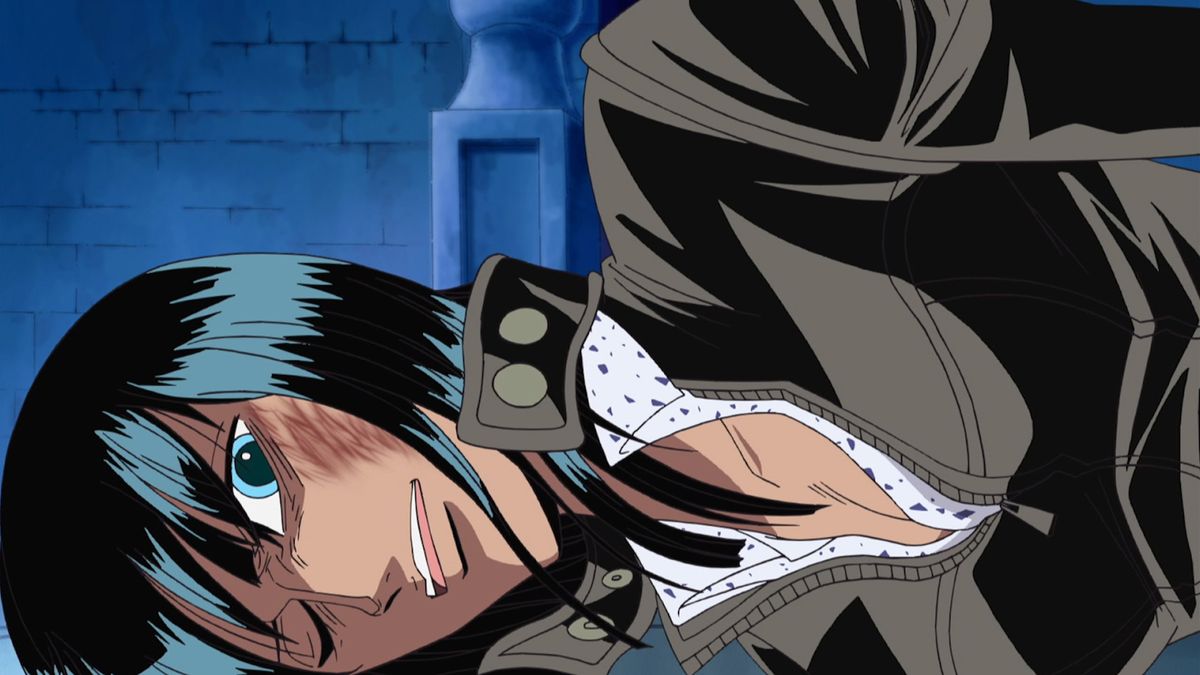
Robin’s face breaks because the sacrifice she treated as protection has been used to isolate her. The betrayal does not suddenly make her earlier consent invalid. The threat made the agreement coercive from the beginning. Spandam’s lie simply removes the last polite cover.
Robin chose under conditions designed to erase every acceptable option
CP9 offered Robin a choice between surrendering herself and watching the crew face government destruction. Her childhood taught her that the threat was credible. Ohara vanished, allies died, and every refuge eventually became dangerous because officials kept hunting her.
A decision made under that pressure can still contain love, reasoning, and agency. Robin genuinely tried to protect the crew. The government created the conditions that made self-erasure look like the only responsible answer.
Spandam mistakes successful coercion for intelligence
He looks proud because Robin complied and the plan moved her to Enies Lobby. The result does not prove he understood her better than anyone else. He found the oldest wound in her life, threatened to repeat the wound against new people, and let state power carry the rest.
Cruel people often call manipulation clever because the target responded predictably to pain. The real achievement belongs to the survivor who kept enough emotional clarity to act for other people while terrified.
The broken promise reveals how institutions exploit unequal enforcement
Robin had no independent authority who could enforce CP9’s promise. The same organization made the threat, defined the agreement, controlled the transport, and decided what would count as compliance. Spandam could break the deal because nobody above him treated Robin as a party with rights.
Contracts and promises mean little when one side controls every consequence. Procedure cannot create fairness where accountability is missing. Robin entered a deal the government could revise whenever obedience stopped being convenient.
Her sacrifice was never foolish
Fans sometimes describe Robin’s surrender as though she should have known better. That judgment ignores the evidence available to her. CP9 had infiltrated Water 7 for years, defeated the crew, attacked Iceburg, and invoked the same government capable of destroying Ohara.
Trauma did not make her stupid. Trauma gave the threat historical proof. She made a painful calculation inside an emergency created by people who knew exactly which history would make resistance feel irresponsible.
Spandam’s plan for Luffy turns loyalty into another charge
Luffy came to rescue a friend, so Spandam intends to capture him and send him to the deep-sea prison Impel Down. The official response treats the act of challenging coerced custody as further evidence of criminality.
That circular logic protects the institution from criticism. If Robin submits, the government claims she accepted judgment. If her friends resist, their resistance proves they deserve punishment. Every possible response becomes evidence for the answer officials already chose.
Robin’s anger matters because despair is not the only feeling left
The official summary emphasizes her face twisting with frustration after she realizes the deception. That anger is important in that moment. Spandam wanted a resigned prisoner who believed resistance would only hurt others. Betrayal gives Robin new evidence that obedience cannot protect anyone.
Anger does not immediately free her or cure years of learned hopelessness. The emotion cracks the moral story holding the bargain together. She can no longer pretend compliance guarantees the crew’s safety.
The crew’s invasion becomes proof Robin was right about their loyalty
Robin feared the government would destroy the Straw Hats if they kept her. The crew responds by crossing Aqua Laguna, taking the Sea Train, breaking into Enies Lobby, and refusing to let officials define her as disposable.
The invasion cannot erase the danger she predicted. Everybody is at risk. The difference is consent: they know the risk and choose the relationship anyway. Robin no longer has to make that decision secretly for them.
Consent requires accurate information
Even without the threat, a decision based on a deliberate lie cannot carry full informed consent. Robin believed surrender purchased safe passage for six people. Spandam planned a different outcome while accepting her compliance.
The episode therefore attacks two layers of control. CP9 coerced the choice by threatening the crew, then corrupted the remaining terms through deception. The government did not merely pressure Robin into a bad agreement. Officials denied her the information needed to evaluate the agreement at all.
Spandam is dangerous because the system amplifies a small man
He lacks the discipline, courage, and combat skill of CP9. His title gives him command over people stronger than he is, access to prisoners, and influence over catastrophic government force. Personal weakness does not limit institutional damage when authority supplies the missing power.
His behavior is ridiculous enough to invite laughter, but Robin has to live inside the consequences. The joke should never make the abuse feel harmless.
CP9’s professionalism cannot clean the lie
The agents may execute orders with calm faces, formal language, and technical excellence. They participated in the threat that secured Robin’s surrender and delivered her to a superior who never intended to keep the bargain.
Professionalism describes method, not morality. An efficient abduction remains an abduction. A polished report cannot turn fraudulent custody into justice.
Robin and Franky are treated as containers for dangerous knowledge
The government wants Robin’s ability to read the Poneglyphs controlled or eliminated. Franky is being held because he may possess Pluton’s blueprints. Their bodies become storage units in an official calculation.
That reduction erases the communities that gave the knowledge meaning. Ohara’s scholars studied history. Tom’s workers inherited responsibility alongside engineering. Robin and Franky are people who decide how to carry those legacies, not locks waiting for government keys.
Impel Down expands the threat beyond Enies Lobby
Spandam’s plan for Luffy points toward another institution designed to remove people from ordinary public life. Enies Lobby supplies the official judgment. Impel Down supplies deep physical disappearance. The route is built so accusation can become isolation with few opportunities for outside challenge.
Robin understands disappearance. She has lived years under a system where labels travel faster than evidence and where safety requires leaving before relationships become visible. Sending Luffy into that machinery would repeat the separation she tried to prevent.
The episode makes the government’s strategy visible before the major fight
Action stories can delay the villain’s plan until combat has already settled the emotional question. Episode 269 stops long enough to show what the institution intends to do and why Robin surrendered. The fight gains meaning beyond defeating stronger agents.
Luffy is not climbing toward a generic boss. He is interrupting a process built from historical erasure, coerced agreement, fraudulent promises, and prisons designed to remove dissenting bodies.
Robin’s silence has been a form of labor
She carried the fear, negotiated with CP9, hid the terms, absorbed the crew’s anger, and tried to leave without asking anyone else to share the burden. That emotional labor protected them from information they needed to make their own choice.
The plan failed because love cannot become unilateral management without damaging trust. Robin’s motive deserves compassion. The crew still needs the truth so protection can become shared responsibility.
The betrayal creates a path toward a different answer
Robin has not yet reached the public declaration the arc is building toward. Episode 269 removes one barrier by proving surrender cannot buy the safety she wanted. The old strategy has reached its logical end.
A new answer will require more than learning Spandam lied. Robin must believe the crew understands the danger and wants her alive despite that danger. Their invasion is building the evidence she needs.
Katsumi Tokoro’s direction keeps the emotional wound inside a large-scale assault
Hirohiko Kamisaka’s screenplay moves between the government’s intentions and the rescue unfolding across Enies Lobby. Katsumi Tokoro’s direction gives Robin’s realization enough space without letting the island’s momentum disappear.
Masayuki Takagi’s animation direction supports facial reaction and continuing action. Fumihiro Uchikawa and Kunihiro Chida’s art maintains the institutional spaces around Robin, making her isolation feel designed rather than accidental.
Episode 269 shared June 25, 2006 with Episode 268
The official One Piece record dates Episode 269 to June 25, 2006, the same broadcast date listed for Episode 268. The paired movement fits the story: the crew demonstrates its combined strength outside while Robin learns the bargain inside has already collapsed.
The episode belongs to the Enies Lobby arc and connects to manga Volume 40. The official summary identifies Robin’s reason for surrender, Spandam’s intention to capture Luffy, and her reaction to the deception.
Where to watch One Piece Episode 269
Use the current licensed One Piece route available in your region, including Crunchyroll where Episode 269 is offered. Confirm the episode number and title because catalog coverage, subtitles, and dubs differ by country.
The official Japanese episode page provides the original title, broadcast date, summary, production credits, manga volume connection, and arc classification.
Spandam relies on Robin blaming herself for his choices
If Luffy is captured, Robin is likely to read that outcome as proof that her presence destroyed another person. Spandam can then use the guilt to demand further obedience. His plan does not end with breaking one promise. He expects her trauma to enforce the next order for him.
That strategy is why the crew must name responsibility clearly. Luffy came because he chose Robin. CP9 created the threat. Spandam chose deception. Robin did not manufacture the government’s violence by surviving or accepting friendship.
The word betrayal belongs to Spandam, not Robin
Robin left Water 7 with CP9 and hid the agreement, so people outside the full context could call her actions betrayal. Episode 269 relocates that word. Spandam accepted her surrender while planning to violate the promised safety that motivated her decision.
Robin withheld truth from the crew, and that secrecy caused pain. Her purpose remained protection. Spandam’s purpose was control. Similar-looking secrecy does not create equal moral responsibility when one person acts under threat and the other designs the threat.
A promise made to someone without recognized rights is easy for power to discard
The World Government labeled Robin a demon as a child and treated her continued existence as a public danger. Once the institution refuses her basic personhood, officials can treat promises to her as tactical sounds rather than obligations.
That dehumanization links language to material harm. Calling a child monstrous made bounty hunters feel justified. Calling a prisoner dangerous makes coercion feel preventive. Calling a fraudulent deal an operation lets Spandam congratulate himself instead of admitting he lied.
The crew’s presence gives witnesses to a process designed for secrecy
CP9 worked best while controlling information in Water 7. Enies Lobby was supposed to receive Robin after public resistance had ended. Luffy and the coalition bring noise, bodies, relationships, and questions into a route built to operate without meaningful scrutiny.
Witnesses do not automatically create justice, especially when the government controls the record. They can prevent Robin from being the only person who knows how the agreement failed. The rescue makes private coercion harder to bury inside an official outcome.
RaeRae verdict: Robin’s bargain fails because the government never recognized her as someone owed a promise
Episode 269 hurts because Robin did exactly what the threat demanded and still could not purchase safety for the crew. Spandam plans to take Luffy anyway, then treats the betrayal as another clever step in an operation.
Her sacrifice remains loving. The agreement remains coercive. His lie exposes the gap. Robin cannot protect people by trusting an institution that sees her consent only as a tool for easier transport. The crew’s invasion gives her another possibility: let the people she loves decide whether they will stand beside her.